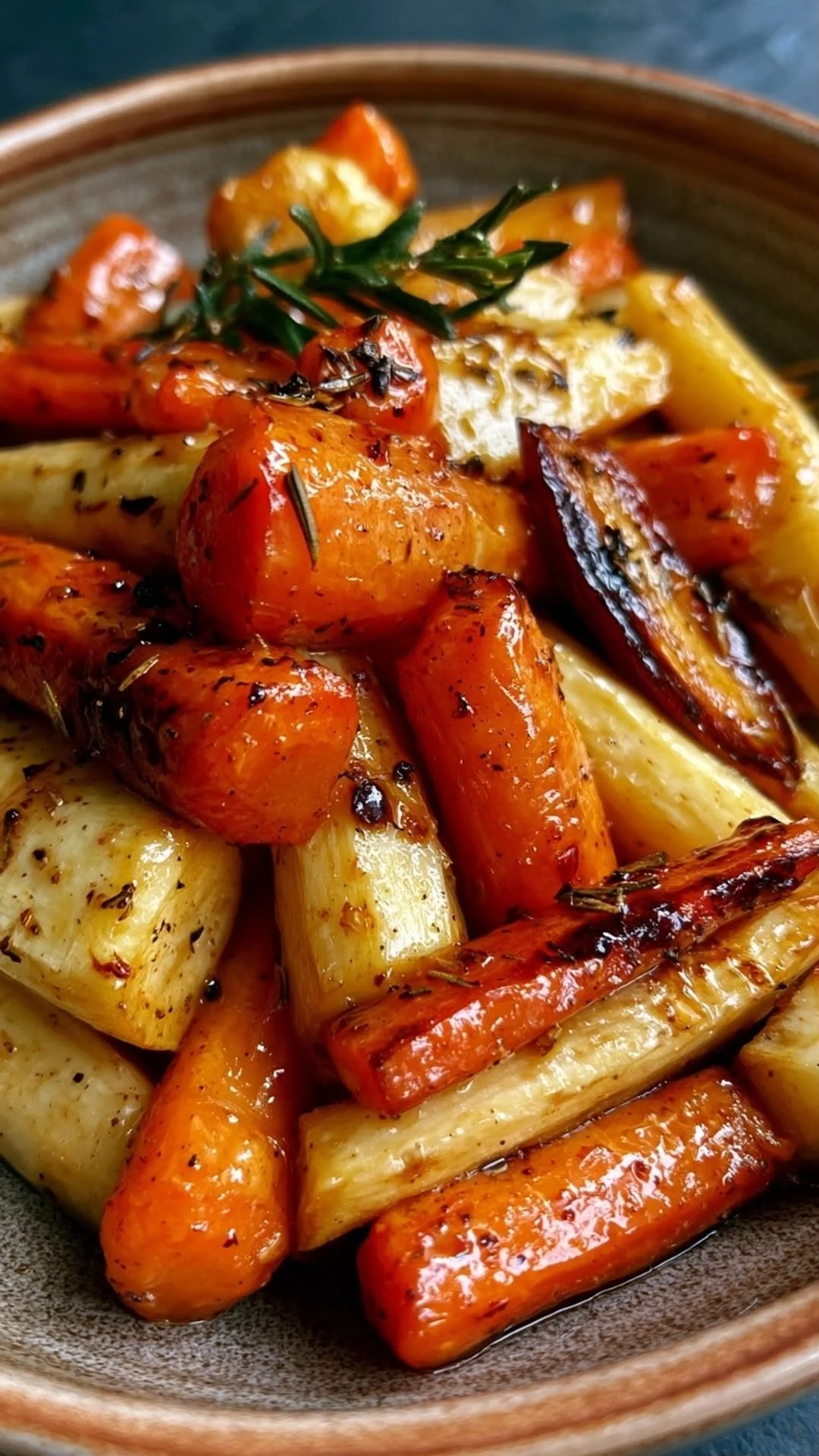
THE BEST N°1 Honey Roasted Christmas Carrots and Parsnips | Easy Holiday Recipe
If you are looking for the perfect holiday side dish that feels festive, tastes incredible, and comes together with minimal effort, these honey roasted Christmas carrots and parsnips are exactly what your table needs. They are glossy, caramelized, warmly spiced, and beautiful enough to sit right next to your showstopper roast.
This recipe brings together two humble root vegetables and transforms them into something truly special. With a golden honey glaze, a hint of warming spices, and perfectly tender-crisp texture from the oven, this dish delivers big flavor without complicated steps.
In this post, you will find everything you need, including the full recipe, ingredient benefits, make-ahead tips, storage guidance, common mistakes to avoid, and flavor variations to customize this dish for your holiday spread.
Table of Contents
A Personal Note
Every Christmas, the roasting pan comes out long before the big bird does. For me, the side dishes are just as important as the centerpiece, and honey roasted root vegetables have been on my holiday table for years without fail. There is something deeply satisfying about pulling a tray of glossy, caramelized carrots and parsnips out of the oven while the whole kitchen smells like honey and thyme.
What I love most about this recipe is how it straddles the line between rustic and elegant. You do not need any fancy technique or special equipment. A sheet pan, a good oven, and a handful of pantry staples are all it takes to create something that looks like it came from a professional kitchen.
I started developing this recipe because I wanted a vegetable side dish that my whole family would actually eat without complaint. Root vegetables, treated with the right balance of sweetness and seasoning, have a way of winning over even the pickiest eaters at the table. This one does exactly that, every single time.
Origins of the Dish
Roasted root vegetables have been a cornerstone of British and European festive cooking for centuries. Long before modern ovens existed, root vegetables like carrots, parsnips, turnips, and beets were slow-roasted near open fires or baked in clay ovens alongside the main roast. The natural sugars in these vegetables caramelized beautifully with the heat, making them a beloved accompaniment to holiday feasts.
Parsnips in particular hold a very special place in traditional British Christmas cooking. Before sugar cane became widely available in Europe, parsnips were prized for their natural sweetness and were used in both savory and sweet dishes. They were so valued that they were often served at the most important meals of the year, including the Christmas feast. Over time, they became a near-essential element of the classic British roast dinner.
The addition of honey to roasted vegetables is a technique rooted in old European cooking traditions. Honey was used as both a sweetener and a preservative long before refined sugar was available, and cooks quickly discovered that it created an irresistible caramelized glaze when applied to root vegetables during roasting. Combining honey with carrots and parsnips produces a glaze that is sweet, sticky, and deeply savory all at once, a balance that has stood the test of time.
Today, honey roasted Christmas carrots and parsnips have become a beloved staple of holiday cooking across the UK, Ireland, Australia, New Zealand, and beyond. In the baking and home-cooking world, this recipe has evolved with the addition of warming spices like cumin, cinnamon, and star anise, along with fresh herbs and citrus zest that add layers of flavor without overwhelming the vegetables themselves. This dish is a celebration of seasonal produce at its very best, and it fits naturally into any festive baking and cooking repertoire.
Why You’ll Love This Recipe
This is the kind of recipe that earns a permanent spot in your holiday rotation. Here is exactly why you will come back to it year after year.
- Minimal prep time – you can have everything on the roasting tray in under 15 minutes.
- Stunning presentation – the golden, caramelized glaze makes these vegetables look elegant and festive without any extra effort.
- Crowd-pleasing flavor – the balance of sweet honey, earthy parsnip, and naturally sweet carrot appeals to adults and children alike.
- Make-ahead friendly – you can prep these vegetables a day ahead and roast them just before serving, which is a huge win during busy holiday cooking sessions.
- Naturally gluten-free – no flour, no breadcrumbs, just wholesome ingredients that are safe for most dietary needs.
- Easily customizable – swap in different spices, add nuts, or drizzle with balsamic to suit your taste preferences.
- Uses pantry staples – honey, olive oil, garlic, and dried herbs are likely already sitting in your kitchen right now.
- Pairs with almost everything – roast turkey, glazed ham, nut roasts, beef tenderloin, or any festive centerpiece works beautifully alongside this dish.
- Budget-friendly – carrots and parsnips are two of the most affordable vegetables you can buy, especially in winter.
- Great for batch cooking – double the recipe and use leftovers in soups, grain bowls, or wraps throughout the week.
Health Benefits and Ingredient Highlights
Beyond their incredible flavor, the ingredients in this recipe bring real nutritional value to your holiday table. Here is a closer look at what makes each key ingredient worth celebrating.
Carrots
Carrots are one of the richest plant-based sources of beta-carotene, a powerful antioxidant that your body converts into vitamin A. This nutrient supports healthy vision, immune function, and skin health, all things you want working well during the busy winter season.
They are also a good source of dietary fiber, which supports digestive health and helps you feel satisfied after a meal. Roasting carrots concentrates their natural sugars, which enhances their flavor while preserving their core nutritional benefits. You get great taste and genuine nourishment in every bite.
Carrots also contain vitamin K1, potassium, and several B vitamins. These contribute to bone health, heart function, and energy metabolism, making carrots a genuinely nutrient-dense addition to your holiday plate rather than just a colorful garnish.
Parsnips
Parsnips are packed with folate, a B vitamin that supports cell growth and DNA synthesis. They are also rich in vitamin C, which plays a key role in immune defense, something especially important during the winter months when colds and flu are common.
They contain a good amount of soluble fiber, which can help regulate blood sugar levels and support cholesterol management. This makes parsnips a smarter choice than they are often given credit for, especially when compared to other holiday starches like white potatoes or pastry-based sides.
Parsnips also provide manganese, a trace mineral that supports bone formation and enzyme function. Their naturally sweet, slightly nutty flavor deepens beautifully when roasted, which means you do not need heavy sauces or excessive fat to make them taste absolutely delicious.
Honey
Honey is more than just a sweetener here. It is a natural source of antioxidants, including flavonoids and phenolic acids, which help combat oxidative stress in the body. Raw or minimally processed honey retains more of these beneficial compounds than heavily refined sweeteners do.
When honey is used in baking and roasting, it creates a Maillard reaction that produces deep caramelization and complex flavor. This is why honey-glazed vegetables have that irresistible sticky, golden finish that simple sugar glazes often fail to replicate.
Honey also has natural antimicrobial properties and has been used for centuries in both culinary and wellness traditions. Using it as your primary sweetener in this recipe means you are getting flavor and function in one ingredient, which is always a win in the kitchen.
Olive Oil
Extra virgin olive oil is one of the most well-researched healthy fats in the world. It is rich in monounsaturated fatty acids, particularly oleic acid, which is associated with reduced inflammation and better heart health. Using it to coat the vegetables ensures even roasting and helps the honey glaze adhere properly.
Olive oil also contains vitamin E and polyphenols, which act as antioxidants in the body. When you roast vegetables in olive oil, the fat helps your body absorb fat-soluble vitamins like beta-carotene from the carrots more effectively. This means you are not just adding flavor, you are actually boosting nutrient absorption at the same time.
Garlic
Garlic brings a savory depth to this recipe that perfectly balances the sweetness of the honey and the natural sugars in the vegetables. Beyond flavor, garlic contains allicin, a sulfur compound that has been studied for its immune-supporting and anti-inflammatory properties.
When roasted, garlic mellows and sweetens, losing its raw sharpness while retaining its aromatic character. Including garlic in your holiday cooking is an easy, delicious way to add layers of flavor while also giving your body a nutritional boost during the winter season.
Fresh Thyme
Thyme is a classic pairing for roasted root vegetables, and for good reason. Its earthy, slightly floral flavor complements both carrots and parsnips without overwhelming them. Thyme contains thymol, an essential oil with antioxidant and antimicrobial properties.
Using fresh thyme rather than dried gives you a brighter, more aromatic result. The sprigs can be laid directly on top of the vegetables during roasting, infusing the whole tray with gentle herbal fragrance as they cook.
Ingredients
This recipe serves 6 as a side dish. Scale up easily for a larger crowd by doubling the quantities and using two baking trays.
- 500g (about 1.1 lb) carrots, peeled and cut into batons or thick diagonal slices (rainbow carrots work beautifully here)
- 500g (about 1.1 lb) parsnips, peeled, cored if large, and cut into batons (substitute with additional carrots or sweet potato if parsnips are unavailable)
- 3 tablespoons raw honey (substitute with maple syrup for a vegan option, or agave nectar)
- 3 tablespoons extra virgin olive oil (substitute with avocado oil or melted coconut oil)
- 3 cloves garlic, minced or thinly sliced (substitute with 1 teaspoon garlic powder in a pinch)
- 1 teaspoon ground cumin (substitute with ground coriander or leave out for a more classic flavor)
- 1/2 teaspoon ground cinnamon (substitute with allspice or a pinch of nutmeg)
- 1/2 teaspoon smoked paprika (substitute with regular sweet paprika)
- 1/2 teaspoon sea salt, plus more to taste
- 1/4 teaspoon freshly ground black pepper
- 6-8 sprigs fresh thyme (substitute with 1 teaspoon dried thyme or fresh rosemary)
- Zest of 1 orange (optional but highly recommended for a festive, bright finish)
- Fresh flat-leaf parsley, roughly chopped, for serving (optional)
Step-by-Step Instructions
Follow these steps carefully for perfectly caramelized, tender, and glossy honey roasted Christmas carrots and parsnips every single time.
- Preheat your oven to 200°C (400°F / Gas Mark 6). A hot oven is essential for proper caramelization. If your oven runs cool, go up to 210°C to ensure the vegetables roast rather than steam.
- Prepare your vegetables. Peel the carrots and parsnips, then cut them into even batons or thick diagonal slices, roughly 1 cm thick and 6-8 cm long. Uniformity is key here, unevenly cut pieces will cook at different rates.
- Parboil the parsnips (optional but recommended). Bring a pot of salted water to a boil, add the parsnips only, and blanch for 3-4 minutes. Drain thoroughly and allow steam to escape before roasting. This step ensures the parsnips become perfectly tender inside while caramelizing on the outside.
- Make the honey glaze. In a large bowl, whisk together the honey, olive oil, minced garlic, cumin, cinnamon, smoked paprika, salt, pepper, and orange zest if using. The mixture should be smooth, fragrant, and pourable.
- Coat the vegetables. Add the carrots and parsnips to the bowl with the glaze. Toss everything together thoroughly until every piece is evenly coated. Take your time here, an even coating means even caramelization.
- Arrange on a large baking tray. Spread the glazed vegetables in a single layer on a large, rimmed baking sheet. Do not overcrowd the tray. If the pieces are piled on top of each other, they will steam instead of roasting, and you will lose that beautiful caramelized finish.
- Add the thyme sprigs. Tuck the fresh thyme sprigs between and around the vegetables. They will infuse the tray with gentle herbal fragrance and look lovely in the finished dish too.
- Roast in the preheated oven for 35-40 minutes. Halfway through cooking, at around the 18-minute mark, flip the vegetables with tongs or a spatula to ensure even browning on all sides. Keep an eye on the tray in the final 10 minutes, the honey can catch and burn quickly if the oven runs very hot.
- Check for doneness. The vegetables are ready when they are deeply golden and caramelized on the outside and completely tender when pierced with a fork or sharp knife. The glaze should be sticky and glossy, not wet or pale.
- Rest and finish. Remove the tray from the oven and allow the vegetables to rest for 2-3 minutes. Transfer to a warm serving dish, scatter with fresh parsley if using, and drizzle with an extra teaspoon of honey for added gloss if desired. Serve immediately.
Make It Ahead and Batch Prep Guide
One of the biggest advantages of this recipe is how well it works with advance preparation. During the holidays, oven space and time are always in short supply, so being able to prep components ahead of time is genuinely valuable. You can peel and cut the carrots and parsnips up to 48 hours before roasting. Simply store the cut vegetables in a bowl of cold water in the refrigerator to prevent browning, then drain and pat thoroughly dry before coating in the glaze.
You can also make the honey glaze up to 3 days ahead. Store it in a sealed jar or airtight container in the refrigerator. Give it a good stir before using, as the honey may settle or thicken slightly when cold. Warming the jar briefly under hot water will loosen it back to a pourable consistency without any effort.
If you want to go even further ahead, you can par-roast the vegetables on Christmas Eve. Roast them for just 20-25 minutes until barely tender but not yet caramelized, then cool and refrigerate. On Christmas Day, pop them back in a hot oven for 15-20 minutes until they are golden, sticky, and heated through. This method works beautifully and frees up a huge amount of oven time on the day itself.
For batch cooking beyond the holidays, this recipe scales up effortlessly. Double or triple the quantities and roast across two or three trays. Leftover roasted carrots and parsnips are fantastic stirred into soups, added to grain bowls, layered into wraps with hummus, or tossed through a warm lentil salad. They keep well for up to 4 days in the refrigerator, making them a great base ingredient for weekday lunches and dinners throughout the festive season. Roasted Root Vegetable Soup Recipe
Common Mistakes to Avoid
Even a simple recipe like this one has a few common pitfalls. Avoid these mistakes and you will get perfect results every time.
- Overcrowding the baking tray. This is the number one mistake home cooks make. When vegetables are crammed together, they release steam and braise rather than roast. Use a large tray with plenty of space between pieces, or split across two trays.
- Not drying the vegetables properly. If you have parboiled the parsnips or soaked the cut vegetables in water, you must pat them completely dry before adding the glaze. Excess moisture creates steam and prevents caramelization.
- Using low-quality honey. Cheap, heavily processed honey often lacks the depth of flavor needed to create a really good glaze. Use raw or good quality honey for the best results. The difference in flavor is noticeable.
- Skipping the flip halfway through. Turning the vegetables at the halfway point ensures even browning on all sides. If you skip this step, one side will be deeply caramelized while the other remains pale and soft.
- Cutting pieces too thick or too thin. Pieces that are too thick will not cook through in the specified time. Pieces that are too thin will burn before they caramelize properly. Aim for a consistent 1 cm thickness for reliable results.
- Adding the glaze too early when par-roasting. If you are par-roasting ahead of time, hold back the honey glaze until the final roasting session. Honey burns at high heat over long periods, and adding it too early during a two-stage cooking process can result in bitter, over-darkened vegetables.
Notes, Tips and Variations
Substitutions
If parsnips are out of season or hard to find in your area, swap them for sweet potato, butternut squash, or additional carrots. The cooking time remains roughly the same, though sweet potato may need 5 fewer minutes depending on how small you cut the pieces.
For a vegan-friendly version, replace the honey with pure maple syrup in exactly the same quantity. Maple syrup caramelizes slightly differently, giving a deeper, slightly smokier sweetness that works beautifully with the warming spices in this recipe.
If you are out of fresh thyme, dried thyme works in a smaller quantity, about 1 teaspoon. Alternatively, fresh rosemary, sage leaves, or oregano all complement roasted root vegetables wonderfully and can be used as direct substitutes.
Dietary Variations
This recipe is naturally gluten-free, dairy-free, and paleo-friendly as written. For a vegan version, simply use maple syrup instead of honey and you are done. No other changes are needed.
For a lower-sugar approach, reduce the honey to 1.5 tablespoons and add 1 tablespoon of balsamic vinegar to the glaze instead. The balsamic adds sweetness, tang, and beautiful color without loading up on sugar.
If you are cooking for someone with a garlic intolerance, leave the garlic out entirely and increase the smoked paprika slightly. The dish still tastes wonderful and the other spices carry the flavor beautifully without it.
Cooking Tips
Always use a heavy-duty, rimmed baking sheet rather than a lightweight tray. A heavy tray distributes heat more evenly and reduces the risk of hot spots that can cause uneven caramelization or burning.
Line your baking tray with parchment paper rather than aluminum foil. Parchment allows the vegetables to roast evenly without sticking, and it makes cleanup much easier after a busy Christmas Day kitchen session.
If your oven has a fan or convection setting, use it. The circulating hot air speeds up caramelization and gives you a crispier exterior in less time. Reduce the temperature by 10-15°C if using fan-forced to avoid over-browning. How to Use Your Oven for Perfect Roasting Results
Topping Ideas and Flavor Boosters
Take your honey roasted Christmas carrots and parsnips to the next level with these topping and flavor ideas. Mix and match based on what you have available and who you are cooking for.
- Toasted pine nuts – scatter over the top just before serving for a nutty crunch that contrasts beautifully with the soft vegetables.
- Pomegranate seeds – their jewel-like appearance and sweet-tart pop of flavor make this dish look absolutely stunning on a holiday table.
- Crumbled feta cheese – adds a salty, creamy contrast to the sweet glaze. Sprinkle it on right before serving so it does not melt completely.
- Balsamic glaze drizzle – a thin drizzle of balsamic reduction over the finished dish adds visual drama and a complex sweet-acid flavor that elevates everything.
- Chopped toasted walnuts or pecans – add warmth, texture, and a subtle richness that pairs especially well with the cinnamon in the glaze.
- Fresh orange segments – add brightness and a citrus pop that complements the orange zest already in the recipe.
- Dried cranberries – deeply festive and slightly tart, they balance the honey sweetness and add a gorgeous pop of red color to the dish.
- Chili flakes – a pinch of dried chili flakes added before or after roasting gives a gentle heat that cuts through the sweetness beautifully.
- Fresh mint leaves – a handful of fresh mint torn over the top just before serving adds a refreshing, unexpected contrast that works surprisingly well.
- Tahini drizzle – a light drizzle of tahini thinned with lemon juice and water adds a nutty, slightly bitter note that is a wonderful counterpoint to the honey glaze.
- Za’atar sprinkle – a generous pinch of za’atar over the finished dish adds herbal, sesame, and citrus complexity in one simple move.
- Toasted sesame seeds – scatter black or white sesame seeds over the top for a subtle nuttiness and attractive visual contrast.
Who This Recipe Is For
This recipe is a perfect fit for a wide range of home cooks and situations. Here is who will love it most.
- Beginner home cooks who want an impressive holiday side dish without complicated techniques or special equipment.
- Experienced bakers and cooks who appreciate a reliable, flavor-packed recipe they can confidently put on a holiday table.
- Busy parents who need to prep sides in advance and simply reheat on the day without any loss of quality.
- Vegetarians and vegans (with the maple syrup swap) who want a show-stopping plant-based dish that holds its own next to meat-based mains.
- Anyone with gluten intolerance or celiac disease, since this recipe is completely gluten-free as written.
- Meal preppers who batch cook during the holidays and want versatile leftovers they can repurpose throughout the week.
- Families with picky eaters who find that a honey glaze and warm spices make vegetables significantly more appealing to children and adults alike.
- Home entertainers hosting a large Christmas or holiday gathering who need a dish that scales up easily and looks beautiful on a buffet table.
Storage and Meal Prep Tips
Refrigerator
Store leftover roasted carrots and parsnips in an airtight container in the refrigerator for up to 4 days. Allow the vegetables to cool completely before transferring to the container. Storing them warm can create condensation inside the container, which makes the vegetables soggy.
For best results, store them in a single layer or with minimal stacking. This helps preserve the caramelized exterior texture as much as possible during storage. They are still delicious after a day or two in the fridge, even if they soften slightly.
Freezer
While roasted root vegetables can technically be frozen, the texture does change upon thawing. They become softer and lose some of their caramelized exterior. If you do want to freeze them, spread the cooled vegetables in a single layer on a baking sheet and freeze until solid, then transfer to a freezer-safe bag or container.
Frozen roasted carrots and parsnips are best used in blended soups or stews rather than served as a standalone side dish after freezing. They freeze well for up to 2 months. Label the container with the date so you know exactly when they were made.
Reheating
The best way to reheat leftover roasted vegetables is in a hot oven at 200°C for 10-15 minutes. Spread them out on a baking sheet, drizzle with a tiny bit of extra olive oil if they look dry, and let the oven do the work. This method revives the caramelized exterior better than any other method.
You can also reheat them in a hot skillet or frying pan over medium-high heat with a small splash of water or olive oil. Toss frequently for 4-5 minutes until heated through and slightly re-crisped on the outside. Avoid the microwave if you can, as it tends to make the vegetables soft and unevenly heated. If you must use a microwave, cover the container with a damp paper towel and heat in short bursts of 60 seconds, stirring in between. How to Meal Prep Holiday Side Dishes
Nutrition Facts
The following nutrition information is approximate and based on one serving (approximately 1/6 of the total recipe). Exact values will vary based on specific ingredient brands and portion sizes.
| Nutrient | Per Serving |
|---|---|
| Calories | 165 kcal |
| Protein | 2g |
| Total Carbohydrates | 28g |
| Dietary Fiber | 6g |
| Total Sugars | 16g |
| Total Fat | 7g |
| Saturated Fat | 1g |
| Sodium | 215mg |
| Vitamin A | 185% DV |
| Vitamin C | 22% DV |
| Potassium | 480mg |
FAQs
Can I make honey roasted Christmas carrots and parsnips the day before?
Yes, absolutely. You have two great options. You can either fully prep the raw vegetables and glaze them up to 48 hours ahead (storing separately in the fridge until ready to roast), or you can par-roast them on Christmas Eve and finish them with a final blast in a hot oven on the day. Both methods work beautifully and are genuinely helpful for managing a busy holiday cooking schedule.
Why do my roasted parsnips come out tough in the center?
This usually happens for two reasons. Either the pieces were cut too thick, or the oven temperature was not high enough to cook them through before the exterior started to color. Try parboiling the parsnips for 3-4 minutes before roasting, and ensure your oven is fully preheated to 200°C before the tray goes in. Cutting larger parsnips in half lengthways and removing the woody core also helps significantly.
Can I use maple syrup instead of honey?
Yes, maple syrup is an excellent substitute and works in exactly the same quantity. It caramelizes beautifully at high heat and gives a slightly deeper, more complex sweetness compared to honey. This swap also makes the recipe fully vegan, which is great if you are cooking for guests with dietary restrictions. Use pure maple syrup rather than maple-flavored syrup for the best results.
How do I stop the honey glaze from burning in the oven?
Keep a close eye on the tray in the final 10 minutes of cooking, especially if your oven runs hot. If you notice the glaze darkening too quickly, lower the oven temperature by 10-15°C and continue roasting. You can also cover the tray loosely with a sheet of parchment paper (not foil) for the last 5 minutes to slow the caramelization without steaming the vegetables. Make sure your tray is not too small, as cramped vegetables generate more heat and increase the risk of burning.
What can I serve with honey roasted carrots and parsnips?
This dish is incredibly versatile and pairs with almost any holiday main. It is a natural companion to roast turkey, glazed ham, beef tenderloin, leg of lamb, or nut roast. It also works beautifully alongside roast potatoes, stuffing, braised red cabbage, and green bean dishes for a complete festive spread. For everyday meals outside the holiday season, serve it with grilled chicken, baked fish, or stirred into a warm grain bowl with chickpeas and tahini.
Conclusion
These honey roasted Christmas carrots and parsnips are proof that the most memorable holiday dishes do not have to be complicated. With a handful of wholesome ingredients, a hot oven, and about 15 minutes of hands-on prep time, you can produce a side dish that looks like you spent hours on it and tastes absolutely extraordinary. The combination of natural sweetness, warming spices, and that deeply caramelized honey glaze is genuinely hard to resist, and the festive presentation makes it a standout on any holiday table.
Whether you are cooking for a crowd of twenty or a quiet family dinner, this recipe scales beautifully and works with your schedule rather than against it. Use the make-ahead tips, batch up the quantities, and enjoy the freedom of having at least one reliable, crowd-pleasing side dish completely under control before the big day even begins.
Give this recipe a try this holiday season, and do not forget to leave a comment below letting me know how it turned out at your table. If you tried any of the topping ideas or made a fun variation, I would especially love to hear about it. Happy cooking, and happy holidays!