
THE BEST N°1 High Protein Pizza Casserole | Quick Weeknight Recipe
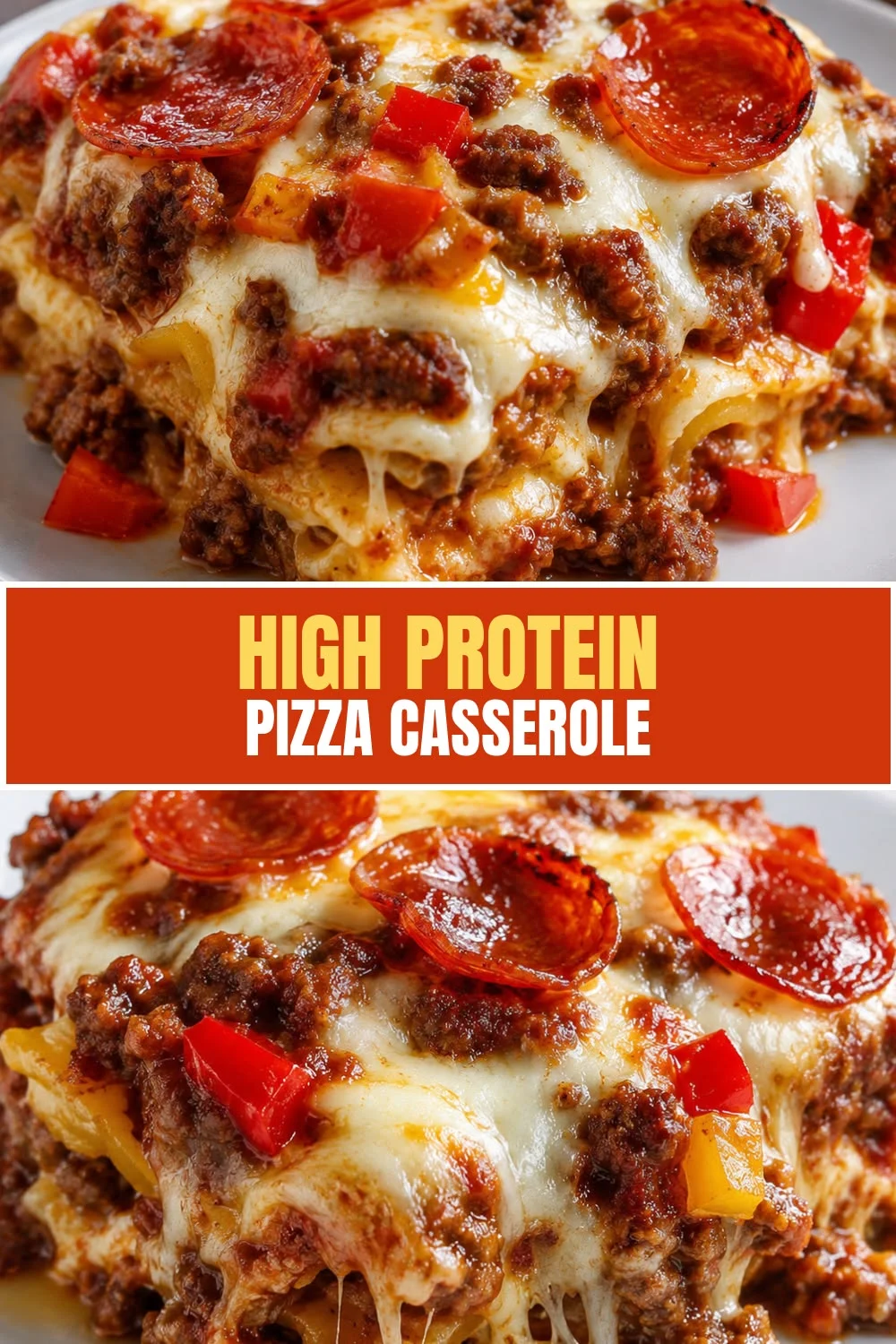
If you are craving pizza but want to stay on track with your protein goals, this high protein pizza casserole is exactly what you need. It delivers all the bold, cheesy, saucy flavors you love from pizza, but in a hearty, macro-friendly baked dish that fuels your body the right way. No dough, no guilt, just pure satisfaction.
This recipe comes together in under an hour and is perfect for busy weeknights when you want something comforting without sacrificing your nutrition. You get layers of lean protein, zesty marinara, melted mozzarella, and your favorite pizza toppings, all baked into one pan. It is genuinely one of the easiest high protein meals you can add to your weekly rotation.
In this post, you will find everything you need, including the full ingredient list, step-by-step instructions, meal prep tips, common mistakes to avoid, and a complete nutrition breakdown. Whether you are a seasoned meal prepper or just starting out, this recipe will become a regular in your kitchen.
Table of Contents
Personal Note
Honestly, this recipe came out of one of those weeks where I was exhausted, hungry, and had zero interest in eating another plain chicken breast. I wanted something that felt indulgent and satisfying, but I was not willing to blow my protein targets for the week. That tension is what led me to build this casserole from scratch.
The first time I made it, I could not believe how much it tasted like real pizza. The layers of seasoned meat, rich tomato sauce, and bubbling cheese hit every craving I had, and I still hit over 40 grams of protein per serving. That is when I knew I had to share it with this community.
High protein eating does not have to be boring or repetitive. When you build recipes around bold flavors and smart ingredient swaps, you can eat food that excites you every single day. This casserole is proof of that.
Origins of the Dish
Pizza itself has a long and beloved history rooted in Italian culinary tradition. The concept of flatbread with toppings dates back centuries, but it was in Naples, Italy, during the 18th and 19th centuries where pizza as we know it truly took shape. Tomatoes, cheese, and simple seasonings were layered onto dough baked in wood-fired ovens, creating a cheap and filling meal for working-class families.
As pizza made its way to the United States through Italian immigrants in the early 20th century, it transformed into something much larger. American pizza culture embraced excess, piling on toppings, deepening the crusts, and expanding into regional styles like New York thin crust, Chicago deep dish, and Detroit-style square pizza. Casserole cooking, a staple of American home kitchens since the mid-1900s, brought a practical baked-dish approach to many comfort food classics.
The pizza casserole concept emerged as a clever hybrid of these two traditions. Home cooks who loved the flavors of pizza but wanted something easier to batch cook and serve to a crowd started deconstructing pizza and baking it in a casserole dish. Early versions often used pasta as the base, similar to a baked ziti approach, while others used rice, bread, or vegetables. The goal was always the same, capturing that pizza flavor without the fuss of stretching dough.
In the modern high protein cooking era, the pizza casserole has been reimagined yet again. Fitness-focused eaters and meal prep communities have stripped out the heavy carb bases and replaced them with lean meats, cottage cheese, eggs, and high protein cheeses. This evolution of the dish keeps the soul of pizza intact while aligning perfectly with muscle-building and performance nutrition goals. The high protein pizza casserole you see today is a product of that ongoing reinvention.
Why You’ll Love This Recipe
This is not just another baked dish. It is a game-changer for anyone who wants to eat well, build muscle, and still enjoy their food. Here is why this recipe stands out from everything else in your rotation.
- Packed with protein: Each serving delivers over 40 grams of protein to support muscle growth and recovery.
- Ready in under an hour: From prep to table, this casserole fits perfectly into a busy weeknight schedule.
- Tastes like real pizza: The combination of marinara, mozzarella, and Italian seasonings delivers an authentic pizza experience.
- Great for meal prep: It stores and reheats beautifully, making it an ideal candidate for Sunday batch cooking.
- Customizable toppings: Swap in your favorite pizza toppings to keep things fresh every time you make it.
- Low in refined carbs: No pizza dough means fewer empty carbs and more room for muscle-building nutrients.
- Family-friendly: Kids and adults both love it, making it a go-to for households with mixed dietary preferences.
- Budget-conscious: Simple, affordable ingredients stretch across multiple servings without breaking the bank.
- One-pan cleanup: Everything bakes in a single casserole dish, which means less mess and less time washing up.
- Beginner-friendly: No special cooking skills required. If you can brown meat and operate an oven, you can make this.
Health Benefits and Ingredient Highlights
Every ingredient in this recipe was chosen with both flavor and function in mind. Here is a closer look at what makes each key component a powerhouse for your high protein lifestyle.
Lean Ground Turkey or Beef
Ground turkey and lean ground beef are both exceptional sources of complete protein, meaning they contain all nine essential amino acids your body needs for muscle repair and growth. A 4-ounce serving of 93% lean ground turkey delivers approximately 22 grams of protein with relatively low fat content, making it an excellent base for this dish.
These meats are also rich in zinc, iron, and B vitamins, particularly B12, which supports energy production and nervous system health. If you are in a muscle-building phase, having a high-bioavailability protein source like lean ground meat as the foundation of your meal is a smart nutritional move.
Choosing 93% lean ground turkey keeps the saturated fat low while still providing enough fat to carry flavor and keep you satisfied. You can also use extra-lean ground beef at 96% lean if you prefer a richer, meatier taste without significantly increasing the fat content.
Cottage Cheese
Cottage cheese is one of the most underrated high protein ingredients you can use in savory cooking. A half-cup serving provides around 14 grams of protein, predominantly from casein, a slow-digesting protein that keeps you full for longer and supports overnight muscle recovery when eaten in the evening.
In this casserole, cottage cheese acts as a creamy binding layer that melts into the dish during baking. It adds richness and moisture without the heavy calorie load of sour cream or heavy cream. Many people who are skeptical about cottage cheese in savory recipes are completely surprised by how seamlessly it integrates here.
Cottage cheese is also a solid source of calcium, selenium, and phosphorus. These minerals play important roles in bone health, thyroid function, and cellular energy metabolism, all of which matter for anyone living an active, fitness-focused lifestyle.
Part-Skim Mozzarella
Mozzarella is the soul of any pizza dish, and part-skim mozzarella gives you that iconic stretch and melt with a leaner nutritional profile. A one-ounce serving provides about 7 grams of protein and is lower in saturated fat compared to full-fat versions, making it a smart choice for high protein meal planning.
Mozzarella also contributes calcium and phosphorus, which are critical for maintaining strong bones, especially in individuals who train regularly and place mechanical stress on their skeletal system. The mild, creamy flavor pairs perfectly with bold marinara and Italian seasonings without overpowering the dish.
Eggs
Eggs serve as the structural binder in this casserole, helping the layers hold together when sliced and served. Each large egg delivers approximately 6 grams of complete protein along with essential fat-soluble vitamins like A, D, E, and K. They are one of the most nutrient-dense foods you can eat, calorie for calorie.
The egg yolks also provide choline, a nutrient that is critical for brain function, liver health, and muscle control. Many active individuals fall short on choline, making eggs a strategic addition to a high protein diet beyond just their protein content.
Marinara Sauce
A good-quality, low-sugar marinara sauce brings the entire dish together with its bright tomato flavor and classic Italian seasoning profile. Tomatoes are rich in lycopene, a powerful antioxidant that has been linked to reduced inflammation and improved cardiovascular health, both of which are important for athletes and active individuals.
When choosing your marinara, look for options with no added sugar and a short ingredient list. Many store-bought sauces hide significant amounts of added sugar, which adds unnecessary simple carbs to your meal. A clean marinara keeps the macro profile tight and the flavor authentic.
Bell Peppers and Onions
Bell peppers are loaded with vitamin C, with a single red bell pepper containing more than twice the daily recommended intake. Vitamin C plays a critical role in collagen synthesis, immune function, and iron absorption, all of which support recovery and overall health in active individuals.
Onions contribute quercetin, a natural anti-inflammatory compound, along with prebiotic fiber that feeds beneficial gut bacteria. A healthy gut microbiome supports nutrient absorption, immune function, and even mood regulation, making vegetables like peppers and onions an important part of any well-rounded high protein eating plan.
Ingredients
These quantities are designed to make 6 generous servings. Scale up for batch prep or scale down for a smaller household.
- 1.5 pounds lean ground turkey (or 93% lean ground beef)
- 1 cup low-fat cottage cheese (or ricotta for a creamier texture)
- 3 large eggs
- 2 cups part-skim shredded mozzarella, divided
- 1.5 cups no-sugar-added marinara sauce (store-bought or homemade)
- 1 cup diced bell peppers, any color (or use a tri-color mix for variety)
- 1/2 cup diced yellow onion (or white onion)
- 1/2 cup sliced turkey pepperoni or regular pepperoni (reduced fat if preferred)
- 1/2 cup sliced black olives (optional, adds healthy fats)
- 1/2 cup sliced mushrooms (baby bella or white button)
- 2 teaspoons Italian seasoning
- 1 teaspoon garlic powder
- 1 teaspoon onion powder
- 1/2 teaspoon crushed red pepper flakes (optional, for heat)
- 1/2 teaspoon salt
- 1/4 teaspoon black pepper
- Cooking spray or olive oil for greasing the pan
- Fresh basil or dried parsley for garnish (optional)
Step-by-Step Instructions
Follow these steps carefully and you will have a perfectly baked, high protein pizza casserole on the table in no time. Each step is straightforward and beginner-friendly.
- Preheat your oven to 375 degrees Fahrenheit (190 degrees Celsius). Lightly grease a 9×13 inch baking dish with cooking spray or a thin layer of olive oil. Set it aside while you prepare the filling.
- Cook the ground turkey in a large skillet over medium-high heat. Break the meat apart with a wooden spoon as it cooks, seasoning it with the garlic powder, onion powder, Italian seasoning, salt, and black pepper. Cook for 8-10 minutes until fully browned with no pink remaining.
- Add the diced onions, bell peppers, and sliced mushrooms to the skillet. Stir everything together and cook for an additional 3-4 minutes until the vegetables begin to soften. Drain any excess liquid from the pan to prevent a watery casserole.
- Remove the skillet from heat and stir in 3/4 cup of the marinara sauce. This coats the meat and vegetable mixture with sauce and starts building the pizza flavor base. Set the skillet aside to cool slightly.
- In a medium mixing bowl, combine the cottage cheese, eggs, and 1/2 cup of the shredded mozzarella. Whisk or stir until fully combined. This mixture creates the creamy, protein-rich binding layer that holds the casserole together.
- Spread the meat and vegetable mixture evenly across the bottom of the prepared baking dish. Press it down gently with the back of a spoon to create an even, compact layer. This is your protein-packed base.
- Pour the cottage cheese and egg mixture over the meat layer. Use a spatula to spread it evenly from edge to edge so every bite gets that creamy, protein-rich middle layer. Do not skip this step, it is key to the structure of the casserole.
- Spread the remaining 3/4 cup of marinara sauce evenly over the cottage cheese layer. This creates a classic pizza sauce top that will caramelize slightly during baking and deepen in flavor. Smooth it out to cover the surface completely.
- Sprinkle the remaining 1.5 cups of shredded mozzarella evenly over the top. Make sure every corner and edge is covered. This is the cheesy crown of your high protein pizza casserole and it needs to be generous.
- Arrange the turkey pepperoni slices and any remaining toppings over the cheese. Scatter the sliced olives and any other preferred toppings evenly across the surface. Press them lightly into the cheese so they do not slide off during baking.
- Cover the baking dish loosely with aluminum foil and bake for 25 minutes. The foil traps steam and helps the interior cook through evenly without drying out the top. Do not press the foil down tightly against the cheese or it will stick.
- Remove the foil and bake for an additional 10-15 minutes until the cheese is bubbly and golden. The edges should be slightly caramelized and the center should feel set when you press it gently. If you want deeper browning, switch the oven to broil for the final 2-3 minutes.
- Remove the casserole from the oven and let it rest for 10 minutes before slicing. Resting allows the layers to firm up so your slices hold their shape cleanly. Garnish with fresh basil or dried parsley before serving.
Make It Ahead and Batch Prep Guide
This casserole is one of the most batch-prep-friendly recipes you can make. It holds up exceptionally well over several days, and the flavors actually deepen as it sits in the refrigerator. If Sunday meal prep is part of your weekly routine, this dish deserves a permanent spot in your lineup.
You can assemble the entire casserole up to 24 hours before baking and store it covered in the refrigerator. When you are ready to cook it, simply pull it out while the oven preheats, then bake as directed, adding about 5-10 extra minutes to account for the cold start. This is a huge time saver on weeknights when you are hungry and tired.
For larger scale batch cooking, consider doubling the recipe and baking two casseroles at once. Slice them into individual portions, let them cool completely, and then transfer each portion into separate airtight meal prep containers. You will have 12 ready-to-eat, high protein meals waiting for you throughout the week. That is a serious win for anyone trying to stay consistent with their nutrition.
You can also freeze fully baked portions for longer storage. Wrap individual slices tightly in plastic wrap and then again in aluminum foil before placing them in a zip-lock freezer bag. Label each bag with the date and contents. These frozen portions will keep their quality for up to three months, giving you a reliable high protein option on your busiest days. High Protein Meal Prep Casseroles for the Week
Common Mistakes to Avoid
Even simple recipes have pitfalls. Avoid these common errors to make sure your casserole turns out perfect every single time.
- Skipping the drain step after browning the meat: Ground turkey and beef release fat and liquid as they cook. If you do not drain the pan before layering, the excess moisture will make your casserole watery and loose instead of firm and sliceable.
- Not letting the casserole rest before slicing: Cutting into the casserole straight out of the oven causes the layers to fall apart and the filling to run. Ten minutes of resting time makes a dramatic difference in how cleanly your slices hold together.
- Using full-fat cottage cheese without adjusting other fats: Full-fat cottage cheese adds creaminess but also significantly increases the fat content per serving. If you are tracking macros carefully, stick with 1% or 2% cottage cheese to keep the nutrition profile where you want it.
- Overcrowding toppings and creating too much moisture: Vegetables like zucchini, spinach, and tomatoes release significant water during baking. If you add too many high-moisture toppings without adjusting, the casserole can become soggy. Pre-roast or saute high-moisture vegetables before adding them.
- Using a high-sugar marinara sauce: Many store-bought sauces contain 8-12 grams of added sugar per serving. Over a full casserole, this adds up quickly and undermines your macro goals. Always check the label and choose a no-added-sugar option.
- Baking at too high a temperature: Cranking the oven above 400 degrees Fahrenheit can cause the cottage cheese and egg layer to become rubbery and the cheese on top to burn before the interior is fully set. Stick to 375 degrees for even, thorough cooking.
Notes, Tips and Variations
Substitutions
If ground turkey is not your preference, you can easily swap it with extra-lean ground beef, ground chicken, or even Italian-seasoned ground bison for a slightly richer flavor. All of these options maintain a strong protein profile without significantly changing the structure of the casserole.
Not a fan of cottage cheese? Use whole milk ricotta for a smoother, more traditional Italian texture. Ricotta is slightly higher in fat but still delivers solid protein and creates an even creamier binding layer. Greek yogurt at 0% fat is another option if you want to keep things very lean.
Part-skim mozzarella can be swapped with provolone, reduced-fat cheddar, or a mozzarella-provolone blend for a different flavor profile. Each cheese melts differently, so expect slight variations in texture. Provolone gives a slightly sharper, more complex flavor that pairs beautifully with pepperoni.
Dietary Variations
To make this recipe gluten-free, simply verify that your marinara sauce and pepperoni are certified gluten-free, as some brands use wheat-based fillers. Everything else in the base recipe is naturally gluten-free, making this a very easy adaptation.
For a dairy-light version, you can use dairy-free mozzarella shreds and substitute the cottage cheese with a cashew-based ricotta. Keep in mind that the protein content will drop with these swaps, so consider adding an extra egg or increasing the meat quantity to compensate.
If you want a lower-sodium version, use homemade marinara with no added salt, skip the pepperoni, and choose a low-sodium mozzarella. Season the meat mixture generously with herbs instead of salt to keep the flavor bold without adding extra sodium.
Cooking Tips
Use a glass or ceramic baking dish rather than a metal pan when possible. Glass and ceramic conduct heat more evenly and gently, which helps the egg-cottage cheese layer set without becoming rubbery. Metal pans tend to heat faster and can cause the edges to overcook before the center is done.
If you are making this for the first time, use a digital kitchen thermometer to check the internal temperature of the casserole. It should read at least 165 degrees Fahrenheit in the center before you pull it out of the oven. This ensures the eggs are fully cooked and the casserole is safe to eat.
For extra cheesy results, add a thin layer of mozzarella between the meat layer and the cottage cheese layer as well. This creates a melted cheese ribbon running through the middle of the casserole that is absolutely incredible when sliced.
Topping Ideas and Flavor Boosters
One of the best things about this high protein pizza casserole is how endlessly customizable it is. Here are over ten topping ideas to keep this recipe exciting every time you make it. High Protein Pizza Recipes You Need to Try
- Sun-dried tomatoes: Add a concentrated burst of sweet, tangy tomato flavor without adding much moisture.
- Artichoke hearts: Chopped and drained, these add a subtle earthy flavor and an extra fiber boost.
- Roasted garlic: Spread a few cloves of roasted garlic between the layers for a sweet, mellow depth of flavor.
- Sliced banana peppers: For tangy heat that mimics the pepperoncini experience on classic pizzas.
- Fresh baby spinach: Wilt it into the meat mixture during cooking for added iron, magnesium, and volume without extra calories.
- Diced jalenpenos: Add fresh or pickled jalenpenos for a spicy kick that pairs brilliantly with the mozzarella.
- Caramelized onions: Cook onions low and slow until golden and sweet, then layer them in for a gourmet upgrade.
- Canadian bacon or ham: A lean, protein-rich topping that channels Hawaiian pizza vibes when paired with pineapple.
- Crushed red pepper flakes: Sprinkle on top before serving for a bold, spicy finish that wakes up every bite.
- Fresh arugula: Toss a handful on top right after baking for a peppery, fresh contrast against the hot, rich casserole.
- Balsamic glaze drizzle: A thin drizzle over the top right before serving adds a sweet and tangy gourmet touch.
- Grated Parmesan cheese: Add a tablespoon or two on top of the mozzarella before baking for a salty, nutty crust.
Who This Recipe Is For
This casserole was built with a wide range of people in mind. Here is exactly who will get the most value from making this recipe regularly.
- Athletes and gym-goers who need high protein meals that support muscle building and post-workout recovery.
- Busy professionals who want nutritious, satisfying meals ready to grab from the fridge without any cooking during the week.
- Families with kids who love pizza flavors and need a meal that appeals to everyone at the table without compromising on nutrition.
- Weight loss seekers who want to stay in a calorie deficit while eating meals that feel hearty and satisfying, not restrictive.
- Meal prep beginners who want an easy, foolproof recipe that teaches core batch cooking skills without overwhelming complexity.
- Macro trackers who need precise, predictable nutrition information for every meal they eat throughout the week.
- Pizza lovers who want to enjoy their favorite food flavors without derailing their health and fitness goals.
- Budget-conscious eaters who want maximum nutrition per dollar and the ability to feed multiple people affordably.
Storage and Meal Prep Tips
Refrigerator
Store leftover casserole in an airtight container or cover the baking dish tightly with plastic wrap or foil. It will keep well in the refrigerator for up to 5 days. The flavors meld together beautifully overnight, making the second-day version arguably even better than fresh out of the oven.
For easy weekday access, slice the casserole into individual portions immediately after it cools and store each piece in its own container. This makes it extremely easy to grab a serving, weigh it if needed for macro tracking, and reheat without disturbing the rest of the batch.
Freezer
This casserole freezes exceptionally well. Allow it to cool completely before freezing to prevent ice crystal formation that degrades texture. Wrap individual slices in plastic wrap, then in aluminum foil, and store them in a labeled freezer-safe bag or container.
Frozen portions will maintain their best quality for up to 3 months. Beyond that, they are still safe to eat but may experience slight texture changes in the cheese and cottage cheese layer. Freezing in single-serve portions gives you maximum flexibility to thaw only what you need.
Reheating
For the best texture results, reheat refrigerated portions in the oven at 350 degrees Fahrenheit for 10-12 minutes, covered loosely with foil. This method preserves the cheese texture and prevents the edges from drying out. The casserole should be steaming hot throughout before you eat it.
For a quicker option, the microwave works well too. Place a single portion on a microwave-safe plate, cover it with a damp paper towel to trap moisture, and heat on medium-high power for 2-3 minutes, pausing to check every 60 seconds. For frozen portions, thaw overnight in the refrigerator before reheating using either method above.
Nutrition Facts
Estimated nutrition per serving based on 6 servings using lean ground turkey, low-fat cottage cheese, and part-skim mozzarella. Values may vary depending on specific brands and ingredient substitutions used.
| Nutrient | Per Serving |
|---|---|
| Calories | 385 kcal |
| Protein | 43g |
| Carbohydrates | 9g |
| Fat | 18g |
| Fiber | 2g |
| Sugar | 4g |
| Sodium | 720mg |
FAQs
Can I use pasta in this high protein pizza casserole?
Yes, you can add cooked pasta to this casserole if you want a heartier, higher-carbohydrate version. Penne, rigatoni, or rotini all work well. If you add pasta, mix it into the meat layer and reduce the eggs to 2 to account for the extra bulk. Keep in mind this will increase the carbohydrate content and calorie count per serving significantly.
Is this casserole good for weight loss?
Absolutely. With 43 grams of protein and only 385 calories per serving, this casserole is an excellent option for anyone eating in a calorie deficit. High protein meals help preserve lean muscle mass during weight loss and keep you fuller for longer, which makes it easier to stay within your daily calorie goals without constant hunger.
Can I make this casserole without eggs?
The eggs act as a structural binder in the cottage cheese layer. If you need to skip them, try using 3 tablespoons of ground flaxseed mixed with 9 tablespoons of water as a flax egg substitute. The texture of the middle layer will be slightly softer and less firm, but the casserole will still taste great and hold together reasonably well when sliced.
How do I know when the casserole is fully cooked?
The most reliable method is to use an instant-read thermometer inserted into the center of the casserole. It should read 165 degrees Fahrenheit or higher. Visually, the cheese on top should be fully melted, bubbly, and lightly golden, and the center should feel set rather than jiggly when you gently shake the baking dish.
Can I use a different sauce instead of marinara?
Yes, and it is a fun way to change the flavor profile entirely. Try a white garlic Alfredo sauce for a creamy, indulgent version. A buffalo sauce works brilliantly with ground chicken for a spicy buffalo chicken pizza casserole. Pesto is another excellent option that pairs beautifully with turkey, sun-dried tomatoes, and fresh mozzarella. Just make sure any sauce you choose is low in added sugar and fits your macro goals. Buffalo Chicken High Protein Casserole
Conclusion
This high protein pizza casserole proves that eating for your fitness goals does not have to mean giving up the foods you love. By making smart ingredient swaps and building layers of bold, satisfying flavor, you get a meal that fuels your body, hits your macros, and genuinely tastes incredible. It is the kind of recipe that changes how you think about healthy eating.
Whether you are cooking for one or feeding an entire family, this casserole scales beautifully and stores perfectly for days. Make it once and you will have six ready-to-eat, high protein meals that make your weekday nutrition effortless. That is the power of smart meal prep, and this dish delivers it in the most delicious way possible.
Go ahead and make this recipe your own. Swap the toppings, adjust the spice level, try different sauces, and make it fit exactly what you love. And when you do make it, come back and leave a comment below telling us how it turned out. Your feedback helps this community grow and inspires others to cook smarter and eat better every single day.


