THE BEST N°1 Mexican Beef Carnitas Recipe – Fast, Easy & High-Protein Meal Prep
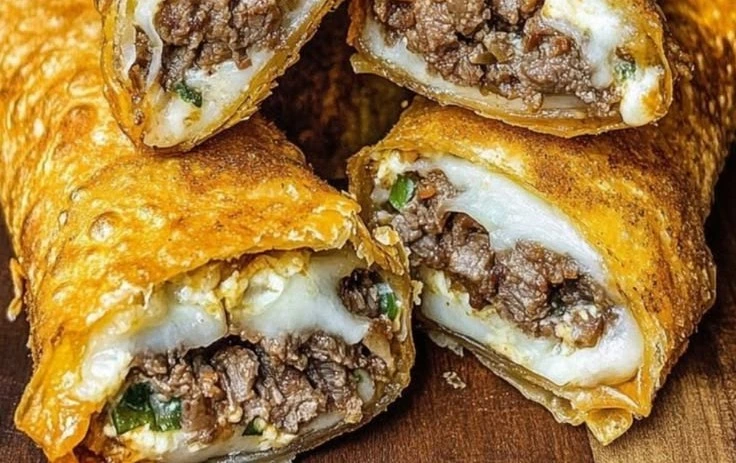
If you’ve been searching for a bold, satisfying, and protein-packed meal that comes together without hours of effort, this Mexican Beef Carnitas recipe is exactly what you need. Crispy on the outside, tender on the inside, and loaded with authentic Mexican-inspired flavors, this dish earns a permanent spot in your high-protein meal prep rotation.
This post covers everything from the history of carnitas and the nutritional power of each ingredient to step-by-step cooking instructions and batch prep strategies. Whether you’re building muscle, hitting daily protein targets, or just craving something genuinely delicious, you’re in the right place.
You’ll also find smart storage tips, flavor variations, topping ideas, and a full nutrition breakdown so you can fit this meal into any high-protein plan with zero guesswork.
Table of Contents
Personal Note
The first time I made beef carnitas for meal prep, I honestly couldn’t believe how simple the process was. A few pantry spices, a good cut of beef, and a hot pan were all it took to produce something that tasted like it came from a restaurant kitchen.
What kept me coming back to this recipe week after week was how well it fit into a high-protein eating plan. Each serving delivers a serious amount of lean, complete protein without relying on complicated ingredients or expensive equipment.
I’ve tested this recipe more times than I can count, tweaking the spice ratios, the cooking method, and the finishing technique until it hit that perfect balance of crispy, juicy, and deeply flavored. What you’re getting here is the version that never lets me down.
Origins of the Dish
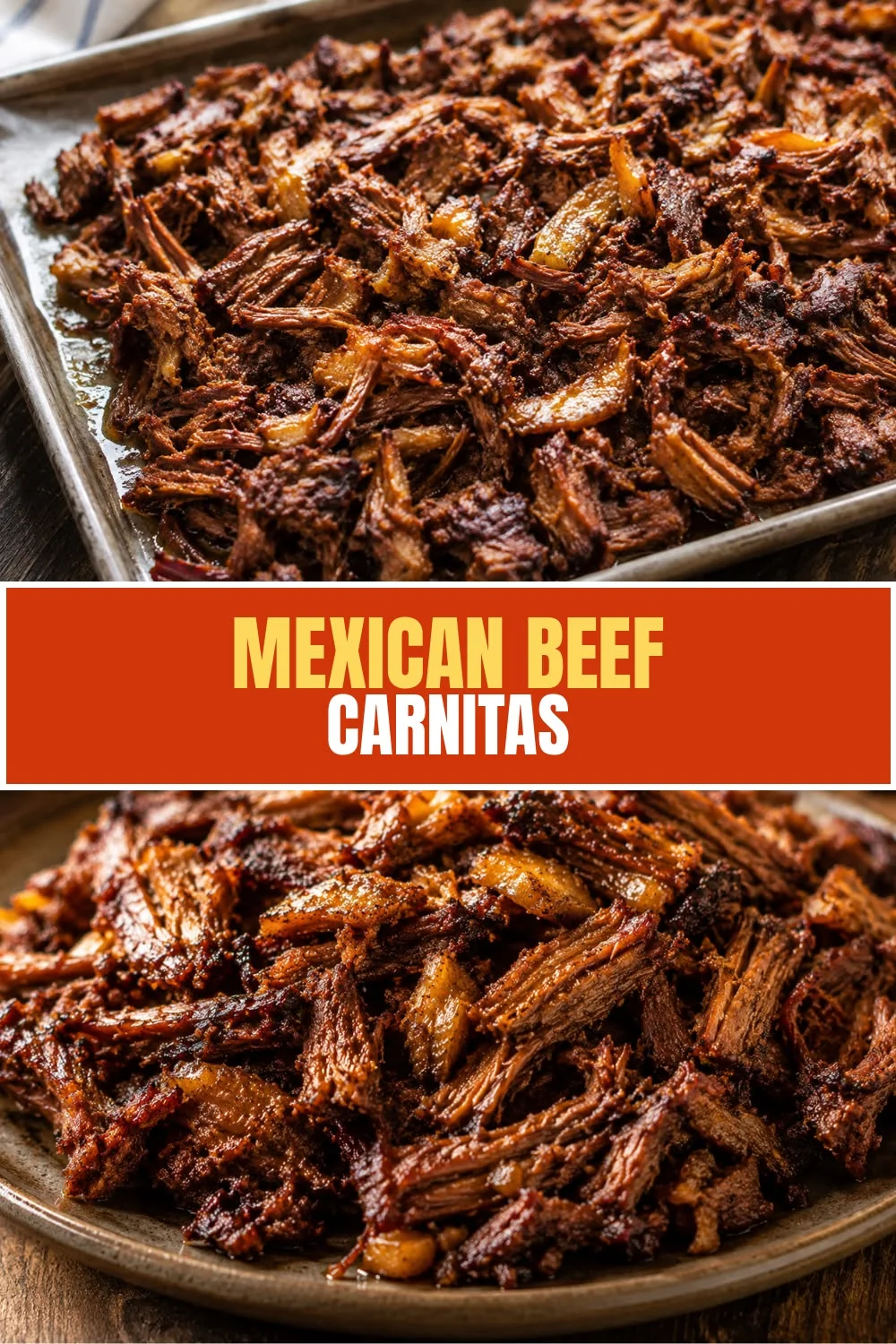
Carnitas translates directly from Spanish as “little meats,” and the dish has deep roots in the state of Michoacan in central Mexico. Traditional carnitas are made by slow-cooking pork in its own fat, a technique called confit, until the meat becomes fall-apart tender and then crisped to perfection.
The dish dates back centuries and was historically a street food staple, served in warm tortillas with simple garnishes like cilantro, onion, and salsa. It was food built for nourishment and satisfaction, high in calories and protein to fuel long working days in agricultural communities.
Beef carnitas is a modern adaptation of the original concept that replaces pork with beef, making the dish higher in protein per gram and offering a richer, bolder flavor profile. This swap is especially popular in high-protein cooking communities because lean cuts of beef like chuck or sirloin provide significantly more muscle-building protein than traditional fatty pork shoulder.
Today, beef carnitas have become a go-to option for anyone who wants the soul of traditional Mexican cuisine with a nutritional profile that supports fitness goals. The beauty of this dish is that it honors the slow-cook-then-crisp technique of the original while adapting seamlessly to modern meal prep lifestyles.
Why You’ll Love This Recipe
This Mexican Beef Carnitas recipe checks every box for high-protein meal preppers. Here’s exactly why it’s worth making this weekend.
- High protein output: Each serving delivers over 40 grams of protein, making it ideal for muscle building and recovery days.
- Incredibly versatile: Use the beef in tacos, burrito bowls, salads, wraps, rice plates, or scrambled eggs the next morning.
- Fast active cooking time: Despite the slow cook, your hands-on time is under 20 minutes.
- Batch-prep friendly: Make a large batch once and eat from it for 4 to 5 days without any quality loss.
- Budget-conscious: Chuck roast or flank steak are affordable cuts that yield massive amounts of cooked protein per dollar spent.
- Whole food ingredients: No processed fillers, no mystery additives, just real food with clean labels.
- Naturally gluten-free: The base recipe contains no gluten, making it safe for anyone with sensitivities.
- Freezer-approved: Cook a double batch and freeze half for instant high-protein meals months later.
- Kid and family friendly: Bold but not overly spicy, the flavor profile works for the whole household.
- Satisfying and filling: The protein and fat combination keeps you full for hours, reducing the urge to snack on low-nutrient foods.
Health Benefits and Ingredient Highlights
Every ingredient in this Mexican Beef Carnitas recipe was chosen with purpose. Here’s a deep dive into what each one brings to your body and your plate.
Beef Chuck Roast or Flank Steak
Beef is one of the most complete protein sources available, containing all nine essential amino acids your body needs for muscle repair, enzyme production, and immune function. A 4-ounce serving of cooked beef delivers approximately 28 to 32 grams of protein, and that number climbs with larger portions used in carnitas-style prep.
Beef is also a top source of creatine, a compound that directly supports muscular energy during resistance training. Combined with zinc, iron, and B12, beef carnitas support not just muscle building but overall energy metabolism, red blood cell production, and hormonal health.
Choosing chuck roast provides excellent marbling for tender results, while flank steak leans out the fat profile for those tracking macros more strictly. Either cut works beautifully in this recipe.
Garlic
Garlic is a nutritional powerhouse that goes far beyond flavor. It contains allicin, a sulfur compound with proven anti-inflammatory and antimicrobial properties that support immune resilience during heavy training periods.
Research also shows that garlic can help reduce oxidative stress in muscle tissue, which is especially relevant for people who train frequently. Using fresh garlic in your carnitas adds a layer of functional nutrition you simply can’t get from garlic powder alone.
Cumin
Cumin is far more than a flavor spice. It contains compounds like thymoquinone and cuminaldehyde that support digestive enzyme activity, helping you break down and absorb the large amounts of protein you’re consuming from the beef.
Cumin also has a meaningful iron content, with one teaspoon providing nearly 4 milligrams, which supports oxygen transport and endurance. For high-protein eaters consuming large volumes of food daily, digestive support from spices like cumin is a genuine advantage.
Smoked Paprika
Smoked paprika delivers the deep, complex flavor that makes carnitas taste slow-cooked and rich even when time is short. It gets its smoky quality from peppers that are dried over oak wood, giving it a unique aromatic depth.
Paprika is also a concentrated source of vitamin A, vitamin E, and capsanthin, a carotenoid antioxidant linked to reduced inflammation and improved skin health. These antioxidants help combat the oxidative stress that intense workouts generate in muscle tissue.
Orange Juice and Lime Juice
The citrus combination in this recipe isn’t just for flavor. Vitamin C from both orange and lime juice plays a critical role in collagen synthesis, which supports joint health and connective tissue repair. These are both high priorities for anyone who lifts weights or exercises regularly.
Citrus acids also act as a natural tenderizer, breaking down the muscle fibers in the beef to create that silky, pull-apart texture that defines great carnitas. The natural sugars in orange juice caramelize beautifully during the crisping phase, creating irresistible golden edges.
Olive Oil
Olive oil is the cooking fat of choice here because it provides monounsaturated fats that support cardiovascular health and help your body absorb fat-soluble vitamins from the spices. It has a high enough smoke point for searing without producing harmful compounds.
Oleic acid, the primary fat in olive oil, has been shown to reduce systemic inflammation markers. For high-protein athletes and fitness-focused eaters, including quality fats alongside high-protein foods helps with satiety and nutrient delivery.
Dried Oregano
Oregano has one of the highest antioxidant scores of any herb, providing rosmarinic acid and thymol that fight cellular oxidative damage. It also has natural antimicrobial properties that help keep batch-prepped food safer for longer.
Dried Mexican oregano in particular has a slightly citrusy, earthy tone that is distinctly different from Mediterranean varieties. Using the right oregano here keeps the flavor profile authentically Mexican rather than Italian.
Ingredients
This recipe serves 4 to 6 people and is easy to scale up for batch prep. Quantities below are for approximately 2 pounds of beef.
- 2 lbs beef chuck roast or flank steak, cut into 2-inch chunks (substitute: top round or sirloin tip)
- 2 tablespoons olive oil (substitute: avocado oil)
- 6 garlic cloves, minced (substitute: 1.5 teaspoons garlic powder in a pinch)
- 1 teaspoon ground cumin
- 1.5 teaspoons smoked paprika (substitute: regular paprika plus a drop of liquid smoke)
- 1 teaspoon dried Mexican oregano (substitute: dried regular oregano)
- 1 teaspoon chili powder
- 0.5 teaspoon cayenne pepper (reduce to 0.25 teaspoon for less heat)
- 1.5 teaspoons kosher salt
- 0.5 teaspoon black pepper
- Juice of 1 large orange (approximately 0.33 cup)
- Juice of 2 limes
- 0.5 cup low-sodium beef broth (substitute: water with 0.5 teaspoon beef bouillon)
- 1 small white onion, roughly chopped
- 2 bay leaves
- Fresh cilantro, for serving (optional)
Step-by-Step Instructions
Follow these steps carefully and you’ll have restaurant-quality Mexican Beef Carnitas with minimal effort. This method works on the stovetop with a Dutch oven or heavy-bottomed pot.
- Prep the beef: Pat your beef chunks completely dry with paper towels. Dry beef sears properly, while wet beef steams instead of browning, so this step is non-negotiable for the best texture.
- Make the spice rub: In a small bowl, combine cumin, smoked paprika, oregano, chili powder, cayenne, salt, and black pepper. Toss the dried beef chunks in the spice mixture until fully coated on all sides.
- Sear the beef: Heat olive oil in a large Dutch oven or heavy skillet over medium-high heat until shimmering. Add the spice-rubbed beef in a single layer and sear for 3 to 4 minutes per side until deeply browned. Work in batches if needed – do not crowd the pan.
- Add aromatics: Once all beef is seared, return it all to the pot. Add minced garlic and chopped onion, stirring and cooking for 1 to 2 minutes until fragrant.
- Deglaze and add liquid: Pour in the orange juice, lime juice, and beef broth. Scrape up any browned bits from the bottom of the pot – those bits are pure flavor. Add the bay leaves and stir everything together.
- Slow cook until tender: Bring the liquid to a gentle boil, then reduce heat to low. Cover the pot and let it cook for 2 to 2.5 hours, or until the beef is completely fall-apart tender when pressed with a fork. Check every 45 minutes and add a splash of water if the liquid gets too low.
- Shred the beef: Remove the bay leaves. Use two forks to shred the beef directly in the pot, pulling it apart into rough, uneven pieces. Irregular pieces create more surface area for crisping.
- Reduce the braising liquid: Increase the heat to medium-high and cook the shredded beef in the remaining braising liquid, stirring occasionally, for 8 to 12 minutes. The liquid will reduce and begin coating and crisping the meat. You’re looking for golden, slightly caramelized edges.
- Optional broiler crisp: For extra crispy carnitas, spread the shredded beef on a foil-lined baking sheet and broil on high for 3 to 5 minutes, watching carefully. This step takes the texture to the next level.
- Taste and adjust: Before serving, taste the carnitas and adjust salt, lime, or heat level to your preference. Finish with fresh lime juice and chopped cilantro if desired.
Make It Ahead and Batch Prep Guide
Mexican Beef Carnitas is one of the most batch-prep-friendly high-protein recipes you can make. The flavors actually deepen and improve after a day in the refrigerator, which means your Tuesday lunch will taste even better than your Sunday dinner.
To batch prep efficiently, double or triple the recipe and cook it all at once in your largest pot or slow cooker. Divide the finished carnitas into individual meal prep containers immediately after cooking, so each portion is pre-measured and ready to grab. Pairing each container with a source of complex carbs, like brown rice, quinoa, or corn tortillas, creates a complete macro-balanced meal in seconds.
If you want maximum variety across the week, portion the carnitas without sides and use it as a flexible protein base. On Monday it goes in a burrito bowl, on Wednesday it tops a high-protein salad, and on Friday it fills a quesadilla with Greek yogurt standing in for sour cream. One cook session covers five or six different meals without repetition fatigue.
For the crispiest results during the week, don’t crisp all the carnitas at once. Store the shredded beef in its braising juices and crisp individual portions in a hot skillet or under the broiler right before eating. This keeps every serving fresh, not soggy. high-protein beef meal prep ideas
Common Mistakes to Avoid
- Skipping the sear: Searing builds the Maillard reaction crust that creates complex, meaty flavors. If you skip this step and go straight to braising, your carnitas will taste flat and one-dimensional no matter how good your spice blend is.
- Crowding the pan during searing: When you crowd the pan, the temperature drops and the beef steams instead of sears. Always sear in batches with space between pieces to get that dark, caramelized crust.
- Rushing the braise: If the beef isn’t fully tender before you shred it, the final carnitas will be tough and chewy. Give it the full 2 to 2.5 hours and check for fork-tenderness before shredding.
- Discarding the braising liquid: That liquid is packed with flavor and acts as the crisping medium. Never pour it out. Let it reduce into the shredded meat during the final cooking phase.
- Under-seasoning the beef: Beef in large quantities needs aggressive seasoning. Taste the spice rub before applying it and don’t be afraid to adjust. Under-seasoned carnitas is the most common complaint from first-timers.
- Storing already-crisped carnitas: If you crisp all your carnitas in one go and then refrigerate it, it will lose that texture and become soft. Store the shredded beef with some braising liquid and crisp fresh portions as needed throughout the week.
Notes, Tips and Variations
Substitutions
If chuck roast isn’t available, beef brisket works extremely well and produces a similarly rich, tender result. Top round is a leaner option that works great for those targeting lower fat macros without sacrificing protein.
Avocado oil is a direct substitute for olive oil if you prefer a higher smoke point fat. Coconut aminos can replace some of the salt if you’re looking to add a subtle savory depth while reducing sodium.
Dietary Variations
For a keto-friendly version, skip the orange juice and use additional lime juice plus a teaspoon of orange zest. This keeps the citrus flavor without the natural sugars, reducing the carbohydrate content significantly per serving.
For a dairy-free and paleo version, this recipe is already compliant as written. Just be sure to serve it with compliant toppings like guacamole and fresh salsa rather than cheese or sour cream.
For a slow cooker version, complete the sear and deglaze steps on the stovetop, then transfer everything to a slow cooker and cook on low for 7 to 8 hours or high for 4 to 5 hours. Finish with the stovetop crisping step for that essential texture. slow cooker high-protein beef recipes
Cooking Tips
Cut your beef into uniform 2-inch chunks so every piece cooks at the same rate. Uneven cuts mean some pieces will be overcooked and dry before others reach tenderness.
Room-temperature beef sears faster and more evenly than cold beef pulled straight from the refrigerator. Take your beef out about 20 minutes before cooking for better results.
If you’re short on time, use a pressure cooker or Instant Pot instead of stovetop braising. Cook the seared beef on high pressure for 45 minutes with a natural release, then finish with the crisping step in a skillet.
Topping Ideas and Flavor Boosters
The right toppings turn your Mexican Beef Carnitas from a solid meal into an unforgettable one. These options all complement the bold, smoky, citrusy flavor of the beef perfectly.
- Fresh pico de gallo – adds bright, acidic contrast to the rich beef
- Sliced avocado or chunky guacamole – adds healthy fats and creaminess
- Pickled red onions – sharp, tangy, and visually stunning
- Fresh cilantro leaves – classic Mexican herb that brightens every bite
- Cotija cheese or crumbled feta – salty, crumbly, high-protein topping
- Lime wedges – a squeeze right before eating lifts all the flavors
- Tomatillo salsa verde – tangy and slightly spicy, pairs beautifully with beef
- Sliced jalapenos (fresh or pickled) – for heat lovers who want an extra kick
- Greek yogurt – a high-protein stand-in for sour cream that adds creaminess
- Charred corn kernels – adds sweetness and texture contrast
- Shredded purple cabbage – adds crunch, color, and fiber
- Hot sauce of choice – Cholula, Valentina, or Tapatio all work perfectly here
Who This Recipe Is For
This Mexican Beef Carnitas recipe was built with specific eaters in mind. See if you recognize yourself here.
- Gym-goers and bodybuilders who need to hit 150 to 200 grams of protein per day and want food that actually tastes great while doing it
- Busy professionals who have limited time during the week but want to eat clean, high-protein meals without ordering takeout every night
- Meal prep beginners looking for a forgiving, flexible recipe that works even if timing isn’t perfect
- Families who want a protein-rich dinner that even picky eaters will request again
- Athletes in a bulking or maintenance phase who want calorie-dense, nutrient-rich food that supports performance
- People cutting calories who need high-satiety, high-protein meals that prevent overeating without feeling deprived
- Gluten-free eaters who want naturally compliant recipes that don’t require special ingredient swaps
- Mexican food lovers who want to enjoy bold, authentic flavors while staying on track with their nutritional goals
Storage and Meal Prep Tips
Refrigerator
Store cooked and shredded beef carnitas in an airtight container in the refrigerator for up to 4 to 5 days. Keep a small amount of the braising liquid in the container to maintain moisture and prevent the beef from drying out.
Glass containers work better than plastic for carnitas because they don’t absorb the reddish color or smell from the spices. Label each container with the date so you always know exactly how fresh your prep is.
Freezer
Mexican Beef Carnitas freezes exceptionally well and maintains quality for up to 3 months when stored properly. Portion the beef into freezer-safe zip bags or airtight containers, remove as much air as possible, and lay flat for efficient storage.
Including a tablespoon or two of braising liquid in each freezer portion prevents freezer burn and keeps the texture from going grainy after thawing. Thaw overnight in the refrigerator for best results rather than using the microwave defrost function, which can make the beef rubbery.
Reheating
The best way to reheat carnitas is in a hot skillet with a tablespoon of oil over medium-high heat. This revives the crispiness and takes only 3 to 4 minutes per portion, making it the fastest way to get a restaurant-quality texture from leftovers.
For microwave reheating, add a tablespoon of water or beef broth to the container before heating, cover loosely, and heat in 60-second intervals until hot throughout. This method is faster but will produce softer carnitas rather than crispy ones. If you want crispy after microwaving, finish for 60 seconds under a hot broiler. best meal prep containers for high-protein cooking
Nutrition Facts
Nutrition estimates are based on a serving size of approximately 5 to 6 ounces of cooked beef carnitas, using chuck roast as the primary cut. Values will vary slightly based on exact cut used and oil quantity.
| Nutrient | Per Serving |
|---|---|
| Calories | 380 kcal |
| Protein | 42g |
| Total Fat | 20g |
| Saturated Fat | 7g |
| Total Carbohydrates | 6g |
| Dietary Fiber | 1g |
| Total Sugar | 4g |
| Sodium | 520mg |
| Iron | 3.8mg (21% DV) |
| Zinc | 7.2mg (65% DV) |
| Vitamin B12 | 2.4mcg (100% DV) |
These nutrition values make Mexican Beef Carnitas one of the most protein-dense, low-carb options available for high-protein meal prep. The protein-to-calorie ratio is exceptional, delivering over 40 grams of complete protein per serving without excessive caloric overhead.
FAQs
Can I make Mexican Beef Carnitas in a slow cooker or Instant Pot?
Yes, absolutely. For a slow cooker, complete the searing step on the stovetop first, then transfer everything into the slow cooker and cook on low for 7 to 8 hours. For an Instant Pot, sear using the saute function, add all remaining ingredients, seal the lid, and pressure cook on high for 45 minutes followed by a 15-minute natural release. Finish both methods with a stovetop or broiler crisping step for best texture.
What is the best cut of beef for carnitas?
Chuck roast is the top choice for traditional-style beef carnitas because the marbling keeps the meat moist and tender during the long braise. Flank steak and brisket are excellent alternatives that produce slightly leaner results with a different but equally delicious texture. Avoid very lean cuts like eye of round for this recipe, as they tend to dry out during extended cooking.
How do I make the carnitas extra crispy without a broiler?
The stovetop reduction method works perfectly without a broiler. After shredding the beef, increase the heat to medium-high and let the braising liquid fully reduce until the meat starts sticking lightly to the pan and developing golden, caramelized edges. Stir infrequently during this phase to allow the crisping to happen rather than steaming the meat from constant movement.
Is this recipe suitable for a high-protein cutting diet?
Yes, this recipe is ideal for a high-protein cutting phase. With 42 grams of protein and only 380 calories per serving, the protein-to-calorie ratio is extremely favorable. To reduce total fat for an even leaner profile, use flank steak or top round instead of chuck roast, and trim visible fat before cooking. Serving it with a high-fiber side like roasted vegetables instead of tortillas keeps net carbs minimal.
Can I use this beef carnitas recipe for meal prepping multiple different meals?
Absolutely, and that’s one of the biggest advantages of this recipe. A single batch of beef carnitas can be used as a taco filling, a burrito bowl base, a topping for high-protein salads, a filling for quesadillas, a scrambled egg mix-in for breakfast, and even as a topping for baked sweet potatoes. The bold flavor profile adapts beautifully across multiple meal formats without tasting repetitive.
Conclusion
Mexican Beef Carnitas is the kind of high-protein recipe that earns a permanent place in your weekly rotation. It’s bold, satisfying, deeply flavorful, and built on whole food ingredients that fuel serious results inside and outside the gym. Once you taste the combination of smoky spices, citrus brightness, and perfectly crisped beef, you’ll understand why this dish has been celebrated for centuries.
The batch prep versatility alone makes it worth mastering. Cook once on Sunday and you have five days of high-quality protein ready to deploy across tacos, bowls, salads, and wraps without any additional effort. That’s the real power of smart, high-protein meal prep done right.
Give this recipe a try this week and share your results in the comments below. Tell us how you topped your carnitas, which cut of beef you used, and how it fit into your nutrition goals. The MedMealPrep community loves seeing your creations, and your experience might be exactly what someone else needs to take the leap and start meal prepping.