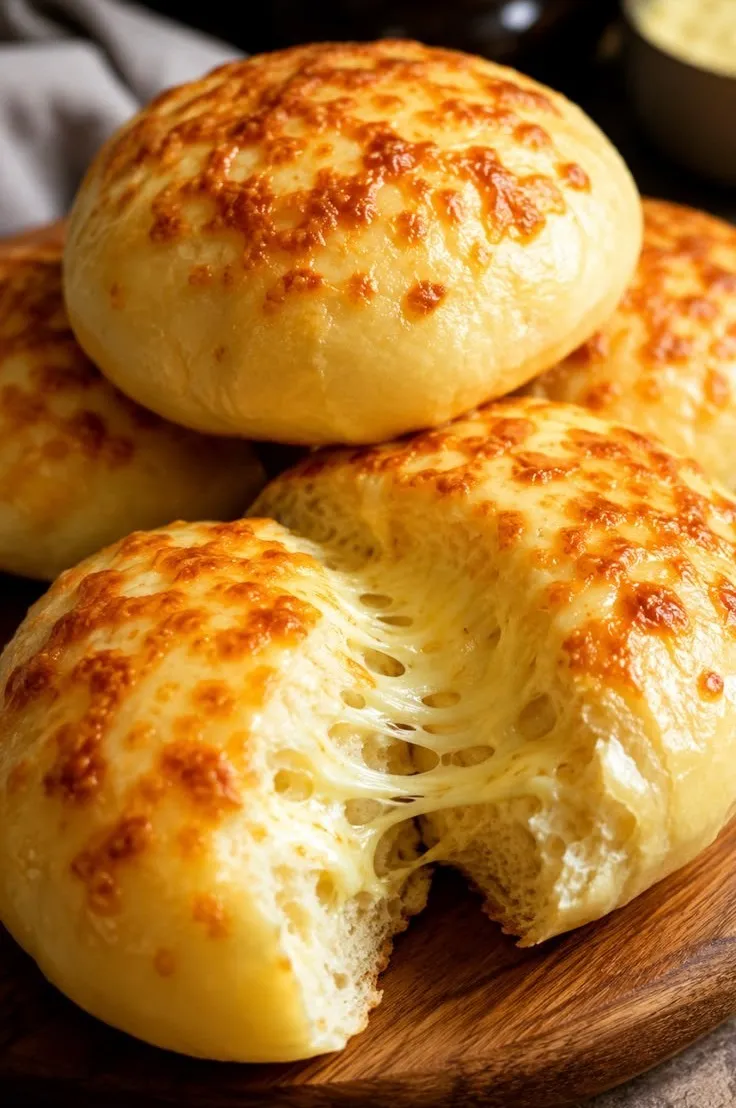
THE BEST N°1 Gooey Sourdough Discard Cinnamon Roll Bites – The Ultimate Sweet Treat
If you have a jar of sourdough discard sitting in your fridge and no idea what to do with it, you are about to have your mind completely changed. These sourdough discard cinnamon roll bites are everything you love about classic cinnamon rolls, packed into irresistible, pull-apart little bites that bake up golden, gooey, and absolutely loaded with warm spice flavor.
This post covers everything you need to know, from the history of cinnamon rolls to step-by-step baking instructions, batch prep tips, common mistakes to avoid, and a full nutrition breakdown. Whether you are a seasoned sourdough baker or just getting started, this recipe was made for you.
You will also find substitution ideas, topping suggestions, and storage tips to help you make these bites work perfectly for your lifestyle. Let’s get into it.
Table of Contents
Personal Note
I started baking sourdough bread during one of those quiet, slow weekends when I just needed something to do with my hands. What I did not expect was the mountain of discard that would accumulate every single week, sitting in my fridge, making me feel guilty every time I opened the door.
The first time I made these sourdough discard cinnamon roll bites, I was honestly just experimenting. I had leftover discard, some brown sugar, and a strong craving for something warm and spiced. What came out of the oven stopped me in my tracks – soft, pillowy little bites swirled with cinnamon sugar and dripping with cream cheese glaze.
Now they are a staple in my baking rotation. Every time I make a batch, they disappear within hours, and I always get asked for the recipe. So here it is, written out in full detail, just for you.
Origins of the Dish

Cinnamon rolls have a rich and deeply satisfying history that stretches back centuries. The Swedes are widely credited with creating the modern cinnamon roll, known in Sweden as “kanelbullar.” Swedish bakers developed the recipe using generous amounts of cinnamon, cardamom, and butter rolled into soft enriched dough. Sweden even has an official “Cinnamon Roll Day” celebrated every October 4th, which tells you just how seriously they take this pastry.
Cinnamon as a spice has been used in baking for thousands of years, dating back to ancient Egypt where it was considered so precious it was regarded as a gift fit for royalty. As trade routes expanded, cinnamon traveled through the Middle East and into Europe, where bakers quickly discovered its incredible pairing with sweet, buttery dough. By the time enriched yeasted bread recipes became widely accessible, cinnamon rolls were already a beloved staple in Northern European bakeries.
In North America, cinnamon rolls took on a new life. American-style cinnamon rolls became larger, stickier, and far more indulgent, topped with thick cream cheese icing and baked until golden and gooey. Brands like Cinnabon turned the cinnamon roll into a cultural phenomenon in the 1980s. The bite-sized version grew from the same place of joy, the desire to enjoy all that warmth and sweetness in a more shareable, snackable form.
The addition of sourdough discard to cinnamon roll recipes is a more modern innovation, born from the sourdough renaissance that swept home kitchens around the world. Bakers realized that the mild tang and natural fermentation of sourdough discard could add incredible depth and complexity to sweet baked goods. The result is a bite that tastes richer, slightly more complex, and far more interesting than a standard enriched dough cinnamon roll – all while using something that would otherwise go to waste.
Why You’ll Love This Recipe
These sourdough discard cinnamon roll bites are not just delicious, they are genuinely one of the most rewarding baking projects you can take on. Here is why this recipe deserves a permanent spot in your baking lineup.
- Zero waste baking: You are turning sourdough discard that would normally be thrown away into something spectacular.
- Deep, complex flavor: The natural tang from the discard adds a layer of flavor you simply cannot get from a standard yeast-only dough.
- Perfectly shareable: Bite-sized portions mean these are ideal for brunches, gatherings, or gifting to neighbors and friends.
- Incredibly soft texture: The enriched dough bakes up pillowy and tender with a slight chew that keeps you reaching for more.
- Beginner-friendly: No complicated shaping or advanced sourdough timing is required. If you can stir and roll, you can make these.
- Highly customizable: Swap fillings, change the glaze, or add mix-ins to make this recipe completely your own.
- Make-ahead magic: You can prep the dough the night before and bake fresh in the morning with minimal effort.
- Great for freezing: These bites freeze beautifully, giving you an on-demand sweet treat any day of the week.
- Kid and crowd approved: The warm cinnamon sugar flavor is universally loved, making these a guaranteed hit with all ages.
- Faster than full cinnamon rolls: Because they are smaller, they proof and bake faster than a traditional large roll, saving you time without sacrificing flavor.
Health Benefits and Ingredient Highlights
Every ingredient in these sourdough discard cinnamon roll bites plays a role, not just in flavor and texture, but in the overall baking science and nutritional profile of the finished treat. Here is a closer look at the key players.
Sourdough Discard
Sourdough discard is the portion of your starter that you remove before each feeding. Rather than throwing it away, you can fold it into baked goods to add flavor, moisture, and a gentle leavening boost. It contains wild yeast and lactic acid bacteria that have already begun breaking down starches in the flour, which contributes to the slight tang that makes these bites so unique.
From a baking science perspective, the fermentation that has already occurred in sourdough discard can make the resulting baked goods slightly easier to digest than those made with plain flour alone. The acids produced during fermentation help break down phytic acid, a compound in grain that can inhibit mineral absorption. While these bites are a treat, it is worth appreciating that the discard adds genuine value to the dough.
Sourdough discard also adds hydration and acts as a flavor amplifier, deepening the sweetness of the cinnamon filling and creating a more rounded, bakery-quality taste. It is the secret ingredient that takes these bites from good to unforgettable.
Cinnamon
Cinnamon is the heart of this recipe, and it is one of the most powerful spices you can bake with. Ceylon cinnamon, often called “true cinnamon,” has a delicate, sweet warmth, while Cassia cinnamon, the variety most commonly found in grocery stores, has a bolder, more intense flavor. For baking, either works beautifully, but using a high-quality cinnamon will make a noticeable difference in your final bite.
Beyond flavor, cinnamon contains cinnamaldehyde, a compound that has been studied for its antioxidant properties. When you are indulging in a sweet treat, using generous amounts of real, quality cinnamon means you are getting genuine spice with real depth rather than just a sugar rush. It also has natural warming properties that make baked cinnamon goods feel comforting and satisfying on a deep, sensory level.
Butter
Butter is non-negotiable in a great cinnamon roll bite. It tenderizes the dough by coating the gluten strands, which results in that soft, melt-in-your-mouth crumb you are chasing. European-style butter with a higher fat content (around 82-84%) will give you an even richer result if you want to go all in.
Butter also acts as the vehicle for your cinnamon sugar filling. When it melts into the layers of rolled dough, it creates that signature gooey, sticky interior that makes every bite deeply satisfying. Do not substitute with margarine – the flavor and texture difference is significant, and in baking, fat quality matters enormously.
Brown Sugar
Brown sugar is not just sweetness, it is flavor. The molasses content in brown sugar adds a deep caramel-like richness to the filling that white sugar simply cannot replicate. Dark brown sugar has more molasses and will give you a more intense, toffee-forward filling, while light brown sugar gives a subtler, more classic cinnamon roll flavor.
Brown sugar also helps create the sticky, glossy caramelization on the edges of each bite as it bakes. That slightly crispy, caramelized edge against the soft interior is one of the most satisfying textural contrasts in all of baking. Use it generously and do not be shy about pressing it firmly into the butter layer before rolling.
Eggs
Eggs serve multiple functions in enriched dough. The yolks add richness, fat, and that beautiful golden color to the finished bake. The whites provide structure and help the dough hold its shape during proofing and baking. Together, they create a dough that is both tender and sturdy enough to hold up to the filling.
Eggs also contribute to the glossy, slightly shiny top you see on a well-baked cinnamon roll bite. They are one of the reasons enriched doughs feel fundamentally different from lean bread doughs – richer, softer, and more indulgent in every way. Using room temperature eggs ensures they incorporate seamlessly into the dough without shocking the butter or disrupting the gluten network.
Cream Cheese
The cream cheese glaze is where these sourdough discard cinnamon roll bites truly come alive. Cream cheese adds a tangy, slightly savory counterpoint to the sweet cinnamon filling, creating a balance of flavors that keeps you from feeling overwhelmed by sweetness. It also makes the glaze thick, creamy, and luxurious rather than thin and watery.
Full-fat cream cheese is the way to go here. Reduced-fat versions contain more water and will produce a thinner, less satisfying glaze. Let your cream cheese come to room temperature before making the glaze – cold cream cheese will result in lumps that do not mix out smoothly, no matter how hard you whisk.
Ingredients
This recipe makes approximately 24 bite-sized cinnamon roll pieces. All measurements are in US standard with metric notes where helpful.
For the Dough
- 2 and 1/4 teaspoons active dry yeast (or 1 packet, 7g)
- 1/2 cup warm whole milk (110-115°F / 43-46°C – substitute with oat milk or almond milk for dairy-free)
- 1/2 cup sourdough discard, unfed and at room temperature (100-120g)
- 1/4 cup granulated white sugar (50g)
- 2 large eggs, room temperature
- 1/4 cup unsalted butter, melted and slightly cooled (57g – substitute with coconut oil for dairy-free)
- 1 teaspoon pure vanilla extract
- 1/2 teaspoon fine sea salt
- 3 to 3 and 1/2 cups all-purpose flour (360-420g – substitute with bread flour for a chewier bite)
For the Cinnamon Filling
- 1/3 cup unsalted butter, softened to room temperature (75g)
- 2/3 cup packed light or dark brown sugar (130g)
- 2 tablespoons ground cinnamon (use Ceylon cinnamon for a more delicate flavor)
- 1/4 teaspoon ground nutmeg (optional but recommended)
- Pinch of fine sea salt
For the Cream Cheese Glaze
- 4 ounces full-fat cream cheese, softened (113g – substitute with vegan cream cheese for dairy-free)
- 1 cup powdered sugar, sifted (120g)
- 3-4 tablespoons whole milk (add one tablespoon at a time to reach desired consistency)
- 1/2 teaspoon pure vanilla extract
- Pinch of fine sea salt
Step-by-Step Instructions
Follow these steps carefully for perfect sourdough discard cinnamon roll bites every single time. Read through all steps before you begin so nothing surprises you mid-bake.
- Activate the yeast: In a small bowl, combine the warm milk and granulated sugar. Sprinkle the active dry yeast over the top and let it sit for 5-10 minutes until it becomes foamy and fragrant. If it does not foam, your yeast may be old or your milk may have been too hot – start again with fresh yeast.
- Mix the wet ingredients: In the bowl of a stand mixer fitted with a dough hook, combine the sourdough discard, eggs, melted butter, and vanilla extract. Stir briefly to combine. Add the foamy yeast mixture and stir again until everything is roughly incorporated.
- Add the dry ingredients: Add the salt and 3 cups of flour to the wet mixture. Mix on low speed for 2 minutes until a shaggy dough begins to form. Increase speed to medium and knead for 6-8 minutes until the dough is smooth, elastic, and slightly tacky but does not stick aggressively to your hands.
- Adjust the dough if needed: If the dough feels too sticky after 6 minutes of kneading, add flour one tablespoon at a time until it comes together properly. Sourdough discard adds extra hydration, so you may need slightly more flour than a standard recipe. Avoid adding too much – a slightly tacky dough makes softer bites.
- First proof: Shape the dough into a smooth ball and place it in a lightly greased bowl. Cover tightly with plastic wrap or a damp kitchen towel and let it rise in a warm spot for 1 to 1.5 hours, or until doubled in size. A slightly warm oven (turned off, with just the light on) works perfectly for proofing in cooler kitchens.
- Make the cinnamon filling: While the dough proofs, mix together the softened butter, brown sugar, cinnamon, nutmeg, and salt in a small bowl until a thick, spreadable paste forms. Set aside at room temperature so it stays soft and spreadable.
- Roll out the dough: Once doubled, punch the dough down gently to release the gas. Turn it out onto a lightly floured surface and roll it into a large rectangle, approximately 18 inches by 12 inches (46cm by 30cm). Aim for an even thickness of about 1/4 inch throughout.
- Spread the filling: Spread the cinnamon filling evenly over the entire surface of the dough, going all the way to the edges. Use an offset spatula or the back of a spoon for the most even coverage. Press lightly so the filling adheres to the dough surface.
- Roll and slice: Starting from the long edge closest to you, roll the dough tightly into a log, pinching the seam closed at the end. Use a sharp knife or unflavored dental floss to cut the log into 1-inch thick slices. You should get approximately 18-24 pieces depending on how tightly you rolled the dough.
- Arrange in the pan: Lightly grease a 9×13 inch baking dish with butter or non-stick spray. Place the cut bites cut-side up into the pan, leaving a small amount of space between each one so they have room to expand during the second proof. They will grow and press together as they rise, creating pull-apart bites.
- Second proof: Cover the pan loosely with plastic wrap and let the bites rise for another 45-60 minutes until they are puffy and have grown into each other slightly. At this stage, you can also refrigerate them overnight and bake them the next morning – see the Make-Ahead section for full details.
- Preheat and bake: Preheat your oven to 350°F (175°C). Once the bites have proofed, remove the plastic wrap and bake for 22-28 minutes until the tops are golden brown and the centers no longer appear glossy or wet. The internal temperature of the center bites should reach around 190°F (88°C) for fully baked dough.
- Make the cream cheese glaze: While the bites are baking, beat together the softened cream cheese and powdered sugar until smooth and fluffy. Add vanilla extract, a pinch of salt, and milk one tablespoon at a time until you reach a pourable but thick consistency. Taste and adjust sweetness as needed.
- Glaze and serve: Remove the bites from the oven and let them cool for just 5-10 minutes before drizzling the cream cheese glaze generously over the top. Serve warm and pull them apart as you go. Enjoy every single bite.
Make It Ahead and Batch Prep Guide
One of the biggest advantages of these sourdough discard cinnamon roll bites is how beautifully they lend themselves to make-ahead baking. If you want warm, fresh bites on a weekend morning without spending two hours in the kitchen at dawn, the overnight method is your best friend.
Complete the recipe through Step 10, arranging the sliced bites in your greased pan. Instead of doing the second proof at room temperature, cover the pan tightly with plastic wrap and refrigerate overnight, for up to 16 hours. The cold temperature slows the rise dramatically. In the morning, remove the pan from the fridge and let it sit at room temperature for 45-60 minutes while your oven preheats. The bites will finish their second proof during this time and bake just as beautifully as same-day bites.
For full batch prep, consider making a double batch and baking two pans at once. Once baked and cooled, you can portion the bites into individual servings, wrap them tightly in plastic wrap, and freeze them for up to 2 months. This means you always have a homemade sweet treat on hand for unexpected guests, lunchbox treats, or weekend cravings. Reheat directly from frozen in a low oven or microwave for a fresh-baked experience any day of the week.
You can also prep the cinnamon filling up to 3 days in advance and store it covered in the refrigerator. Bring it back to room temperature before spreading – cold butter filling tears the dough and creates uneven distribution. Having pre-made filling cuts your active baking time significantly on the day you actually bake. Sourdough Discard Cinnamon Babka Recipe
Common Mistakes to Avoid
- Using cold sourdough discard straight from the fridge: Cold discard can shock the yeast and slow down dough development significantly. Always bring your discard to room temperature for at least 30-60 minutes before using it in this recipe. Room temperature discard also incorporates more smoothly into the dough without creating lumps.
- Milk that is too hot when activating yeast: If your milk exceeds 120°F (49°C), it will kill the yeast before it has a chance to activate. Use a thermometer to check the temperature, or test it on your wrist – it should feel warm but not uncomfortable, similar to warm bath water.
- Adding too much flour: This is one of the most common errors in enriched dough baking. A slightly sticky, tacky dough is correct. Over-flouring will result in dense, dry bites rather than the soft, pillowy texture you are going for. Trust the process and resist the urge to add more flour than the recipe calls for.
- Not rolling the dough evenly: An uneven rectangle creates uneven bites, with some pieces being too thick and doughy and others too thin and prone to over-baking. Take your time with the rolling pin and use a ruler or measuring tape if you need to – it genuinely makes a difference in the final product.
- Overbaking: These sourdough discard cinnamon roll bites are best when they are just barely done in the center. If you bake them until they look deeply golden all over, the outer bites will be dry and the center will be tough. Pull them when the tops are lightly golden and the internal temperature reads around 190°F (88°C).
- Glazing immediately out of the oven: If you add the cream cheese glaze while the bites are piping hot, it will melt completely and pool at the bottom of the pan rather than coating each bite beautifully. Wait just 5-10 minutes before glazing so the glaze stays thick and creamy on top where it belongs.
Notes, Tips and Variations
Substitutions
You can make this recipe dairy-free by swapping the whole milk for warm oat milk or almond milk, replacing the butter with melted refined coconut oil, and using vegan cream cheese in the glaze. The texture will be slightly different, but the flavor is still excellent. Oat milk in particular works beautifully in enriched dough recipes because of its natural creaminess.
If you want to substitute the all-purpose flour, bread flour will give you a chewier, more structured bite. Whole wheat flour can be substituted for up to 50% of the all-purpose flour, but expect a denser crumb and slightly more pronounced flavor. Do not go 100% whole wheat – the bites will be too heavy and the texture will suffer significantly.
Dietary Variations
For an egg-free version, substitute each egg with 1/4 cup of full-fat plain yogurt or a flax egg (1 tablespoon ground flaxseed mixed with 3 tablespoons water, rested for 5 minutes). The texture will be slightly less rich but still very enjoyable. Plant-based yogurt works well here if you are also going dairy-free.
For a lower-sugar version, reduce the brown sugar in the filling to 1/3 cup and use a powdered monk fruit sweetener blend in the glaze instead of powdered sugar. Keep in mind that sugar also plays a structural role in baking, so reducing it too dramatically can affect the caramelization and overall texture of the bites. Sourdough Discard Banana Bread Muffins
Cooking Tips
For the cleanest slices when cutting your rolled dough, use unflavored dental floss instead of a knife. Slide the floss under the log, cross the ends over the top, and pull – it cuts through without compressing the layers the way a knife blade can. This technique is especially useful when the dough is soft and enriched.
If your kitchen is cold and your dough is struggling to rise, place your covered bowl in a slightly warm oven. Turn the oven on for just 1-2 minutes to warm it gently, then turn it off before placing the dough inside. The residual warmth creates the perfect proofing environment without risking overheating the dough.
Topping Ideas and Flavor Boosters
The classic cream cheese glaze is just the beginning. Here are more than 10 ways to customize and elevate your sourdough discard cinnamon roll bites even further.
- Maple glaze: Replace the milk in the glaze with pure maple syrup for a warm, autumnal flavor that pairs beautifully with cinnamon.
- Brown butter drizzle: Melt butter in a saucepan until golden and nutty, then whisk in powdered sugar and a splash of milk for a toasted caramel glaze.
- Cardamom spice boost: Add 1/2 teaspoon of ground cardamom to the cinnamon filling for a Scandinavian-inspired flavor profile.
- Toasted pecans or walnuts: Sprinkle roughly chopped toasted nuts over the filling before rolling for crunch and nuttiness in every bite.
- Raisins or dried cranberries: Scatter dried fruit over the cinnamon filling for pockets of chewy sweetness throughout the roll.
- Orange zest: Add the zest of one orange to both the filling and the glaze for a bright citrus note that cuts through the richness beautifully.
- Espresso glaze: Add 1 teaspoon of instant espresso powder to the cream cheese glaze for a coffee-kissed topping that is absolutely addictive.
- Chocolate chips: Press mini chocolate chips into the filling before rolling for a cinnamon-chocolate swirl situation that nobody will be able to resist.
- Apple butter filling: Swap half the brown sugar butter filling for apple butter and add a pinch of allspice for an apple cinnamon roll experience.
- Streusel topping: Before baking, sprinkle a quick streusel made from flour, butter, brown sugar, and oats over the tops of the bites for added crunch and bakery-style presentation.
- Sea salt flakes: A light sprinkle of flaky sea salt over the finished glaze adds a sophisticated sweet-salty contrast that elevates the entire bite.
- Almond paste swirl: Spread a thin layer of almond paste alongside the cinnamon filling for a marzipan twist that is rich and deeply aromatic.
Who This Recipe Is For
These sourdough discard cinnamon roll bites were designed with a wide range of bakers in mind. Here is who will love this recipe most.
- Sourdough bakers who are tired of wasting discard and want a creative, delicious way to use it up.
- Home bakers of all skill levels who want an enriched dough recipe that is approachable, well-explained, and forgiving.
- Brunch hosts and entertainers who need a crowd-pleasing sweet bake that can be made ahead and served warm with minimal day-of effort.
- Parents and families looking for a weekend baking project that kids can help with – rolling, filling, and glazing are all great tasks for little hands.
- Meal preppers who want to batch-bake sweet treats for the week, freeze portions, and have a homemade option ready at any time.
- Gift bakers who love bringing homemade treats to friends, neighbors, teachers, or colleagues – these bites package and transport beautifully.
- Baking enthusiasts who enjoy understanding the science behind their ingredients and want recipes that teach them something new every time.
- Anyone craving a bakery-quality cinnamon roll without paying bakery prices or leaving the house to get one.
Storage and Meal Prep Tips
Refrigerator
Store leftover baked and glazed bites in an airtight container in the refrigerator for up to 4 days. Place a sheet of parchment paper between layers if you are stacking them to prevent the glaze from sticking. The texture will firm up slightly in the fridge, which is completely normal for enriched doughs – reheating is all you need to bring them back to life.
If you prefer to store them unglazed, the bites will keep well in the fridge for up to 5 days. Make a fresh batch of glaze just before serving for the best presentation and flavor. Store the glaze separately in a small jar or airtight container in the fridge – it keeps for up to 1 week and can be re-drizzled at room temperature or slightly warmed.
Freezer
These sourdough discard cinnamon roll bites freeze exceptionally well, both baked and unbaked. For baked bites, let them cool completely and then wrap individually in plastic wrap before placing in a zip-top freezer bag. They will keep for up to 2 months in the freezer. The cream cheese glaze does not freeze as well, so freeze the bites unglazed and make fresh glaze when serving.
For unbaked bites, freeze them after arranging in the pan but before the second proof. Cover the pan tightly and freeze. When ready to bake, transfer to the refrigerator overnight to thaw, then let them proof at room temperature for 1-2 hours before baking as directed. This method gives you the freshest possible result from a frozen prep. Easy Sourdough Discard Soft Pretzel Bites
Reheating
To reheat refrigerated bites, place them on a microwave-safe plate and heat for 20-30 seconds until just warmed through. For a crispier exterior and more even warming, use a 300°F (150°C) oven for 8-10 minutes. Cover loosely with foil if you are concerned about the tops over-browning during the reheat.
For frozen bites, you can reheat directly from frozen in the microwave for 45-60 seconds or in a 300°F oven for 12-15 minutes. Add fresh glaze after reheating for the best appearance and flavor. A warm bite with cool, creamy glaze fresh from the refrigerator is an entirely acceptable and delicious combination.
Nutrition Facts
The following nutrition information is an estimate based on 24 servings (1 bite per serving) including cream cheese glaze. Values may vary based on specific ingredients and brands used.
| Nutrient | Per Serving (1 bite) |
|---|---|
| Calories | 178 kcal |
| Total Fat | 7g |
| Saturated Fat | 4g |
| Carbohydrates | 26g |
| Dietary Fiber | 0.8g |
| Total Sugar | 13g |
| Protein | 3g |
| Sodium | 95mg |
| Cholesterol | 30mg |
These are treats, and they are meant to be enjoyed as such. One or two bites is a perfectly satisfying serving, especially paired with a good cup of coffee or tea. The portion control built into the bite-sized format is genuinely helpful for enjoying something indulgent without going overboard.
FAQs
Can I use active sourdough starter instead of discard?
Yes, you absolutely can use active, fed sourdough starter in place of discard. Keep in mind that active starter contains more live yeast activity, which means your dough may rise faster and you could potentially use less commercial yeast – or even no commercial yeast if your starter is very strong. However, because this recipe relies primarily on the commercial yeast for its rise, using active starter simply changes the flavor profile slightly, adding a milder tang. The baking process remains the same.
My dough is very sticky. Is that normal?
Yes, a slightly sticky dough is completely normal and actually desirable in enriched dough recipes. Sourdough discard adds additional hydration, and the combination of butter, eggs, and milk creates a softer, more pliable dough than a lean bread dough. Resist the urge to keep adding flour – instead, lightly flour your hands and work surface while handling the dough. After a full knead and first proof, the dough will become much more manageable and easy to roll out.
Can I make these without a stand mixer?
Absolutely. You can make this dough entirely by hand with a wooden spoon and some good old-fashioned kneading. Mix the wet and dry ingredients together in a large bowl until a shaggy dough forms, then turn it out onto a lightly floured surface and knead by hand for 10-12 minutes until smooth and elastic. Hand kneading takes a bit longer than a stand mixer but is a wonderfully satisfying process, and the results are just as good. Use the windowpane test to check if the gluten is properly developed – stretch a small piece of dough between your fingers; if it stretches thin without tearing, you are ready to proof.
Why did my bites turn out dense instead of fluffy?
Dense bites are most commonly caused by under-proofing, dead yeast, or too much flour in the dough. Make sure your yeast activates and gets foamy before adding it to the dough – if it does not foam, replace it with fresh yeast and start again. Also ensure the dough fully doubles during the first proof and is noticeably puffy before the second proof. A warm, draft-free environment is essential. Rushing either proofing stage is the number one cause of dense, heavy cinnamon roll bites.
How tangy will these sourdough discard cinnamon roll bites taste?
The tang from the sourdough discard is very subtle in this recipe, especially once the sweet cinnamon filling and cream cheese glaze are added. You will notice a slight depth of flavor and a more complex, rounded sweetness compared to a standard cinnamon roll bite made with only commercial yeast. Most people cannot identify the tang specifically – they just know these taste better and more interesting than the usual version. If your discard is very old and very sour, the tang may be slightly more pronounced, but it will still work beautifully in this recipe.
Conclusion
These sourdough discard cinnamon roll bites are everything a great baking project should be – approachable, rewarding, deeply flavorful, and absolutely irresistible from the moment they come out of the oven. By using your sourdough discard instead of throwing it away, you are creating something genuinely spectacular from an ingredient most people overlook. That feels good, and the results taste even better.
Whether you are baking these for a lazy weekend breakfast, a celebratory brunch, or just because you deserve something warm and gooey on a Tuesday morning, this recipe will not let you down. Follow the steps, trust the process, and do not forget to be generous with the glaze – there is absolutely no such thing as too much cream cheese frosting on a cinnamon roll bite.
If you make these, we would love to hear how they turned out for you. Drop a comment below, share your photos, and let us know which topping variation you tried. Happy baking, and enjoy every single pull-apart bite!