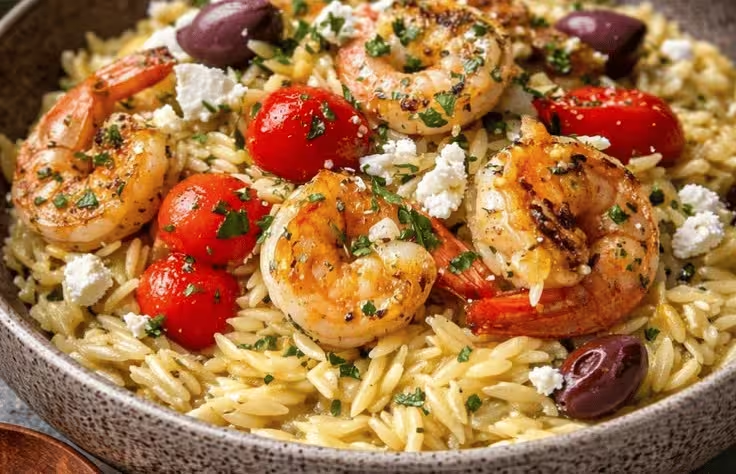
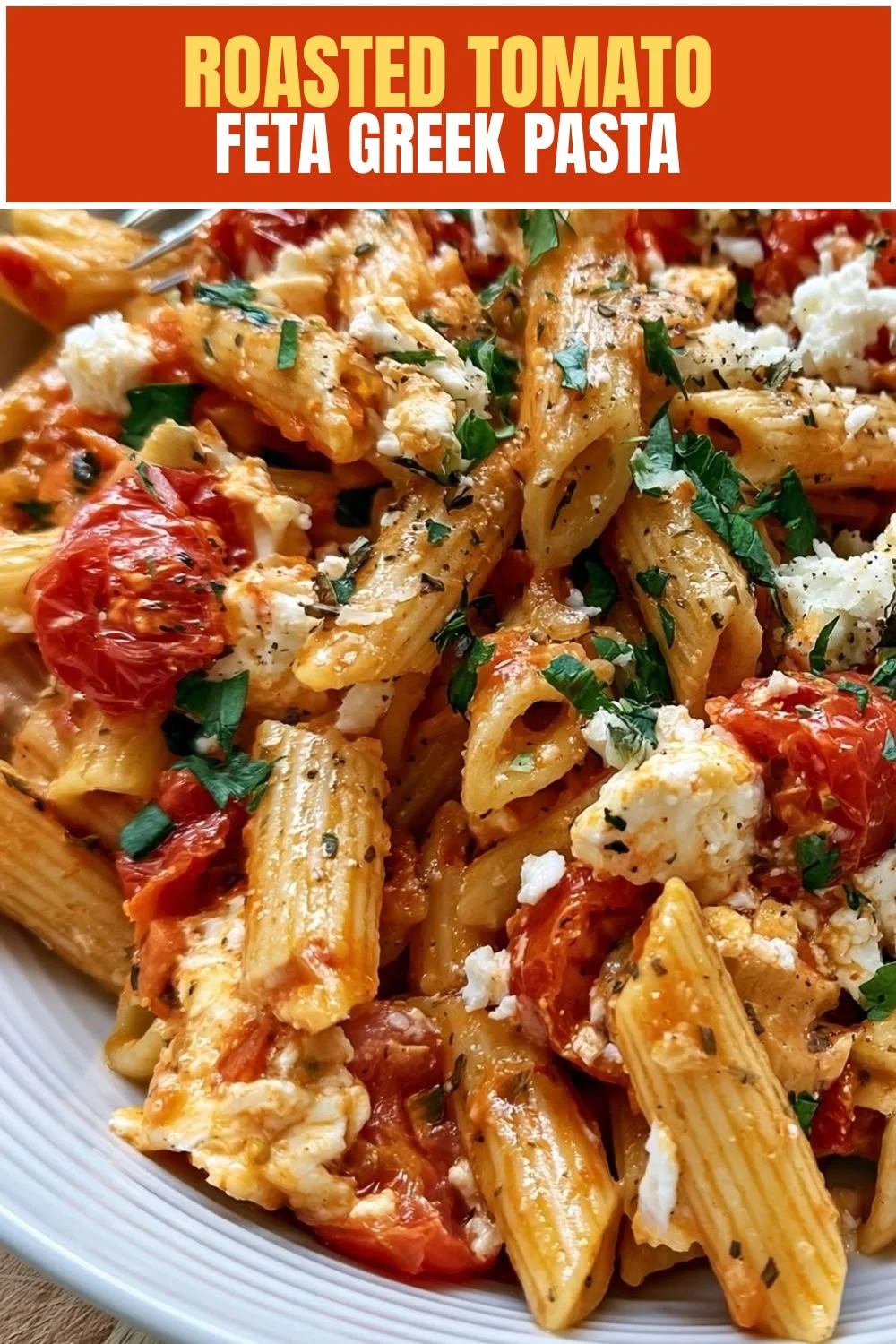
THE BEST N°1 Roasted Tomato Feta Greek Pasta | Easy 20-Minute Mediterranean Recipe
If you are looking for a weeknight dinner that feels indulgent but comes together in just 20 minutes, this Roasted Tomato Feta Greek Pasta is exactly what you need. It is creamy, tangy, bursting with fresh Mediterranean flavors, and requires almost no effort to pull together.
This post covers everything from the origins of this iconic dish to step-by-step instructions, health benefits, batch prep tips, and storage advice. Whether you are a seasoned home cook or just starting your Mediterranean meal prep journey, you will find everything you need right here.
Get ready to fall in love with a pasta recipe that is wholesome, satisfying, and built around real Mediterranean ingredients your body will thank you for.
Table of Contents
Personal Note
The first time I made a version of this dish, I honestly did not expect much. I had a block of feta sitting in my fridge, a punnet of cherry tomatoes about to turn, and a bag of pasta in the pantry. What came out of that oven was something I still think about regularly.
There is something magical about the way roasted tomatoes collapse into a jammy, deeply savory sauce. When you add creamy feta into the mix, it becomes something that feels far more sophisticated than a 20-minute weeknight dinner deserves to be.
The Mediterranean diet has always been about simple ingredients treated with care, and this recipe is a perfect example of that philosophy. It honors the tradition of Greek cooking while being practical enough for modern, busy lifestyles.
Origins of the Dish
The story of roasted tomato feta pasta begins in Finland, of all places. In 2019, a Finnish food blogger named Jenni Hayrinen posted a recipe she called “uunifetapasta,” which translates literally to “oven feta pasta.” The dish went viral almost immediately, spreading across Instagram and TikTok and igniting a global obsession with baked feta.
While the viral trend was born in Scandinavia, the soul of the dish is unmistakably Greek. Feta cheese has been produced in Greece for thousands of years, with records of its creation dating back to Byzantine times. It is made from sheep’s milk, or a blend of sheep and goat’s milk, and carries a Protected Designation of Origin status in the European Union, meaning authentic feta can only come from specific regions of Greece.
The use of tomatoes alongside feta is a deeply rooted combination in Greek cuisine. From the classic Greek salad known as horiatiki to baked shrimp dishes like garides saganaki, Greeks have long understood that the acidity of tomatoes and the saltiness of feta create an extraordinary balance. This pasta recipe is simply a new expression of that ancient pairing.
When you look at this dish through the lens of the Mediterranean diet, it fits perfectly. The Mediterranean way of eating has been practiced along the coasts of Greece, Italy, Spain, and the Middle East for centuries. It centers on whole grains, legumes, vegetables, olive oil, and moderate dairy, all of which are represented in this recipe. Choosing this dish for your weekly meal prep is not just a trend, it is a connection to one of the most time-tested and health-supportive food traditions in human history.
Why You’ll Love This Recipe
This recipe has become a staple in Mediterranean meal prep kitchens around the world for very good reasons. Here is a quick look at why it deserves a permanent spot in your weekly rotation.
- Ready in 20 minutes: The oven does most of the work, and you only need to boil pasta while the sauce roasts.
- Minimal cleanup: Everything roasts in one baking dish, keeping your sink clear and your stress low.
- Deeply flavorful: Roasting concentrates the natural sugars in the tomatoes and creates a sauce that tastes like it simmered for hours.
- Mediterranean diet approved: This dish is built on olive oil, tomatoes, and feta, all cornerstone ingredients of the Mediterranean eating pattern.
- Meal prep friendly: The roasted tomato and feta base stores beautifully and can be made in large batches ahead of time.
- Customizable: You can swap the pasta shape, add protein, change the herbs, or toss in extra vegetables depending on what you have available.
- Budget friendly: The main ingredients are affordable pantry and produce staples that you likely already have on hand.
- Family approved: Even picky eaters tend to love the creamy, tangy flavor profile of this dish.
- Great hot or cold: Serve it fresh from the stove or pack it cold for a lunch the next day – both work beautifully.
- Beginner friendly: If you can boil pasta and turn on an oven, you can make this recipe perfectly on your first try.
Health Benefits and Ingredient Highlights
Every ingredient in this Roasted Tomato Feta Greek Pasta was chosen not just for flavor, but for the genuine nutritional value it brings to your plate. Here is a closer look at what makes each component a smart Mediterranean choice.
Cherry Tomatoes
Cherry tomatoes are one of the richest dietary sources of lycopene, a powerful antioxidant that has been linked to reduced risk of heart disease and certain cancers. Roasting tomatoes actually increases the bioavailability of lycopene, making your body absorb even more of this beneficial compound compared to eating them raw.
They are also a good source of vitamin C, vitamin K, potassium, and folate. These nutrients support immune function, bone health, and cardiovascular wellness, all priorities in the Mediterranean lifestyle.
Beyond their nutrients, cherry tomatoes provide natural acidity and sweetness that form the base of the sauce. They are low in calories and high in water content, making them a satisfying addition to any meal prep bowl.
Feta Cheese
Feta is one of the most ancient and nutritionally interesting cheeses in the world. It is lower in calories and fat than most other cheeses, yet it delivers a bold, salty flavor that means you need less of it to feel satisfied. A standard 1-ounce serving of feta provides around 4 grams of protein and 14% of your daily calcium needs.
Feta made from sheep’s milk also contains higher amounts of conjugated linoleic acid (CLA), a fatty acid that has shown promising associations with improved body composition and reduced inflammation in research studies. In the context of the Mediterranean diet, moderate dairy consumption from sources like feta and yogurt is considered a healthy, sustainable practice.
When feta is baked at high heat, it softens into an almost spreadable texture while retaining its characteristic tang. This creates the creamy, luscious sauce at the heart of this recipe without requiring any cream or butter.
Extra Virgin Olive Oil
Extra virgin olive oil is the cornerstone fat of the Mediterranean diet, and for good reason. It is rich in monounsaturated fatty acids, particularly oleic acid, which has been extensively studied for its role in reducing LDL cholesterol and supporting heart health. It is also one of the most concentrated dietary sources of polyphenols, plant compounds with strong anti-inflammatory effects.
In this recipe, olive oil does double duty. It roasts the tomatoes and feta to perfection while also blending into the finished sauce, adding richness, depth, and healthy fat that helps your body absorb fat-soluble vitamins from the tomatoes and herbs.
Always use a quality extra virgin olive oil when making Mediterranean recipes. The flavor difference is significant, and the health benefits are maximized in the unrefined, cold-pressed version.
Garlic
Garlic is one of the most studied functional foods in the world, and it earns its place in nearly every Mediterranean recipe. It contains allicin, a sulfur compound that forms when garlic is chopped or crushed and that has demonstrated antibacterial, antiviral, and anti-inflammatory properties in multiple studies.
Regular garlic consumption has been associated with lower blood pressure, improved cholesterol levels, and enhanced immune response. When roasted alongside the tomatoes and feta in this recipe, garlic becomes sweet and mellow, adding complexity without sharpness.
Whole Wheat or Legume-Based Pasta
While this recipe works with any pasta, choosing whole wheat or a legume-based option dramatically increases the fiber and protein content of your meal. Whole wheat pasta retains the bran and germ of the wheat kernel, providing B vitamins, iron, magnesium, and significantly more fiber than refined white pasta.
Fiber is essential for digestive health, blood sugar regulation, and sustained satiety, all key pillars of the Mediterranean eating pattern. Legume-based pastas made from chickpeas or lentils add even more plant-based protein, making this dish genuinely filling and nutritionally complete.
Fresh Basil and Herbs
Fresh basil is more than a garnish. It contains volatile oils like eugenol and linalool that have demonstrated anti-inflammatory and antimicrobial properties. It is also a source of vitamin K, essential for blood clotting and bone metabolism.
Adding fresh herbs at the end of cooking preserves their delicate oils and nutrients. In the Mediterranean tradition, herbs are used generously to season food naturally, reducing the need for excess salt while dramatically boosting flavor and nutritional value.
Ingredients
Here is everything you need to make this Roasted Tomato Feta Greek Pasta for 4 servings. All quantities can be doubled easily for batch cooking.
- 500g (about 4 cups) cherry tomatoes – use a mix of red and yellow for extra sweetness and visual appeal (Roma tomatoes, halved, work as a substitute)
- 200g (7 oz) block of feta cheese – use a full block, not crumbled, for the best melting result (dairy-free feta works for a vegan version)
- 4 tablespoons extra virgin olive oil – divided, use a good quality Greek or Italian oil if possible
- 4 cloves garlic – lightly smashed (or 1 teaspoon garlic powder if fresh is unavailable)
- 1 teaspoon dried oregano – Greek oregano is preferred for its stronger, earthier flavor
- 1/2 teaspoon red pepper flakes – optional, adjust to your heat preference
- Salt and freshly ground black pepper – to taste, remembering that feta is already salty
- 300g (10.5 oz) pasta of your choice – penne, rigatoni, or fusilli hold the sauce beautifully (use whole wheat or chickpea pasta for added fiber and protein)
- 1/2 cup reserved pasta water – crucial for loosening and emulsifying the sauce
- Large handful of fresh basil leaves – added at the end (fresh parsley or fresh oregano can substitute)
- Zest of 1 lemon – optional but highly recommended for brightness
- 1 teaspoon honey – optional, balances acidity if your tomatoes are less ripe
Step-by-Step Instructions
Follow these steps for a perfectly creamy, flavorful result every single time. This recipe is genuinely beginner-friendly, and the active cooking time is minimal.
- Preheat your oven to 400°F (200°C). This high heat is essential for getting the tomatoes to blister and the feta to soften without drying out. Make sure your oven is fully preheated before the dish goes in.
- Prepare your baking dish. Use a medium to large oven-safe baking dish or a 9×13 inch pan. The dish should be large enough to hold all the tomatoes in a roughly single layer so they roast rather than steam.
- Add the cherry tomatoes to the baking dish. Scatter them evenly across the bottom of the dish. If any are particularly large, you can halve them to ensure even roasting.
- Add the garlic cloves. Tuck the smashed garlic cloves between the tomatoes so they roast alongside and infuse their flavor into the oil and sauce. Do not mince them at this stage – whole or smashed garlic roasts more evenly and becomes sweeter.
- Drizzle with 3 tablespoons of the olive oil. Make sure the tomatoes and garlic are well coated. Season generously with black pepper and a light pinch of salt, being mindful that the feta will add more saltiness.
- Place the block of feta in the center of the dish. Nestle it right in among the tomatoes. Drizzle the remaining tablespoon of olive oil directly over the feta block, then sprinkle the dried oregano and red pepper flakes over everything.
- Roast for 20 minutes. Place the dish in the preheated oven and roast until the tomatoes have burst, blistered, and released their juices, and the feta has softened and turned lightly golden at the edges. Your kitchen will smell incredible at this point.
- Cook your pasta while the oven does its work. Bring a large pot of salted water to a boil and cook your pasta according to package directions until al dente. Before draining, scoop out at least 1/2 cup of the starchy pasta water and set it aside. This is a key step – do not skip it.
- Remove the baking dish from the oven. Use a fork or spoon to mash the softened feta and burst tomatoes together in the dish, stirring to combine them into a rough, creamy sauce. The feta will melt into the tomato juices and olive oil beautifully. Mash the roasted garlic into the sauce at this stage too.
- Add the drained pasta directly to the baking dish. Toss everything together, adding splashes of the reserved pasta water to loosen the sauce and help it cling to every piece of pasta. Start with 1/4 cup and add more as needed until you reach your desired consistency.
- Add the lemon zest and fresh basil. Tear the basil leaves and scatter them over the pasta, then grate the lemon zest on top. Give everything one final toss to combine.
- Taste and adjust seasoning. Add a little more black pepper, a drizzle of fresh olive oil, or a squeeze of lemon juice if desired. Serve immediately for the best texture, or let it cool for meal prep storage.
Make It Ahead and Batch Prep Guide
One of the greatest things about this Roasted Tomato Feta Greek Pasta is how naturally it lends itself to Mediterranean meal prep. The roasted tomato and feta sauce is actually the ideal make-ahead component. You can roast a double or triple batch of the tomatoes and feta on a Sunday and store the sauce separately from the pasta for up to 5 days in the refrigerator.
When you are ready to eat during the week, simply boil a fresh portion of pasta, reheat the sauce gently in a pan with a splash of pasta water, and toss everything together. This approach keeps the pasta from becoming mushy and ensures every meal tastes as fresh as the day it was made. It takes under 10 minutes per meal with the sauce already prepared.
If you prefer to store the completed dish, that works too. Portion the finished pasta into individual airtight containers immediately after cooking and refrigerate. The flavors actually deepen overnight as the pasta absorbs more of the roasted tomato sauce. Many people find the leftovers even more flavorful than the freshly made dish.
For large-scale batch cooking, consider making four to six servings at once using a large roasting pan. You can easily scale the recipe by using two baking dishes side by side in the oven. The roasting time stays the same regardless of quantity, making this an efficient choice for weekly Mediterranean meal prep sessions. Mediterranean Meal Prep for Beginners
Common Mistakes to Avoid
Even with a simple recipe like this, a few easy mistakes can stand between you and a perfect result. Here is what to watch out for.
- Using crumbled feta instead of a block: Crumbled feta dries out in the oven and does not melt into a creamy sauce. Always buy a full block of feta, ideally one packed in brine, for the best texture and flavor.
- Overcrowding the tomatoes: If you pile too many tomatoes into a small dish, they will steam rather than roast. This means you lose that deep, concentrated, caramelized flavor. Use a large enough dish so the tomatoes sit in a mostly single layer.
- Skipping the pasta water: The starchy pasta water is the secret to a silky, well-emulsified sauce. Without it, the sauce can feel chunky or greasy. Always save at least 1/2 cup before you drain the pasta.
- Oversalting before tasting: Feta is naturally very salty. Season the tomatoes lightly before roasting, and only adjust after you have combined everything and taken a taste. It is much easier to add salt than to fix an overly salty dish.
- Cooking the pasta too far in advance: If you cook your pasta too early, it will clump together and overcook when you add it to the hot sauce. Time your pasta to finish just as the roasting dish comes out of the oven.
- Adding fresh basil too early: Basil is delicate and wilts immediately when exposed to heat. Always add it at the very end, off the heat, to preserve its color, fragrance, and nutrients.
Notes, Tips and Variations
Substitutions
If you cannot find cherry tomatoes, use grape tomatoes or small vine tomatoes cut in half. Larger tomatoes like Roma work too but will need an extra 5 to 10 minutes in the oven. The key is using tomatoes with good flavor, so avoid out-of-season, watery supermarket tomatoes if you can.
For the pasta, any shape works but ridged or tubular varieties like rigatoni, penne, or fusilli hold the sauce particularly well. If you want a lower-carb option, you can use zucchini noodles or serve the roasted tomato feta sauce over cooked orzo, farro, or even grilled vegetables.
Kalamata olives, sun-dried tomatoes, or roasted red peppers can all be added to the baking dish alongside the tomatoes to introduce additional layers of flavor with no extra effort.
Dietary Variations
To make this recipe vegan, simply substitute the feta with a plant-based feta alternative. Several brands now make excellent dairy-free feta from cashews or tofu that melt and behave similarly in the oven. Use the same quantity and follow the same roasting process.
For a gluten-free version, swap the pasta for a certified gluten-free variety made from rice, corn, or chickpeas. The sauce itself is naturally gluten-free, so only the pasta needs to change. Many gluten-free pasta options are now excellent in both texture and flavor.
To add protein and make this a more complete Mediterranean meal, stir in cooked chickpeas, flaked salmon, or grilled chicken before serving. These additions complement the tomato and feta flavors beautifully and boost the overall nutritional profile significantly. High Protein Mediterranean Meal Prep Bowls
Cooking Tips
For extra depth of flavor, add a small sprig of fresh thyme or rosemary to the baking dish before it goes in the oven. These hardy herbs hold up beautifully under high heat and infuse the oil and sauce with a subtle herbal complexity.
If your oven runs hot, check the dish at the 15-minute mark to ensure the tomatoes are roasting evenly and the feta is not drying out. You can tent the dish loosely with foil for the first half of cooking if needed and then remove it to allow browning.
A quick broil for the last 2 to 3 minutes of roasting adds beautiful golden color to the top of the feta and gives the tomatoes a slightly charred, smoky edge that takes the flavor to another level entirely.
Topping Ideas and Flavor Boosters
Elevate your Roasted Tomato Feta Greek Pasta with these Mediterranean-inspired finishing touches. Any combination of these works beautifully.
- Kalamata olives: Slice and toss in for a briny, savory punch that complements the feta perfectly.
- Toasted pine nuts: Add crunch and a buttery richness that contrasts beautifully with the creamy sauce.
- Drizzle of good olive oil: A finishing drizzle of your best extra virgin olive oil adds richness and a grassy, peppery note.
- Lemon juice or zest: A squeeze of fresh lemon brightens all the flavors and adds a clean finish.
- Fresh oregano leaves: A few fresh leaves scattered on top amplify the Greek flavor profile.
- Crushed walnuts: A heart-healthy Mediterranean nut that adds great texture and earthy flavor.
- Capers: These tiny pickled buds add a punchy, tangy saltiness that pairs wonderfully with tomato and feta.
- Baby arugula: Toss a handful on top just before serving for a peppery, fresh contrast to the warm, creamy pasta.
- Sun-dried tomato strips: Double down on the tomato flavor with chewy, intensely sweet sun-dried tomatoes.
- Chili oil: A drizzle of good chili oil adds heat and depth for those who love a little kick with their pasta.
- Extra feta crumbles: Scatter a small amount of cold crumbled feta on top of the finished dish for textural contrast.
- Za’atar: This Middle Eastern spice blend of herbs, sesame, and sumac adds a complex, earthy flavor that works surprisingly well with this Greek-inspired sauce.
Who This Recipe Is For
This recipe was designed with a wide audience in mind. Here is who will get the most out of it.
- Mediterranean diet followers who want a quick, compliant weeknight meal that does not compromise on flavor or nutrition.
- Busy professionals who need a 20-minute dinner that feels restaurant-worthy after a long day.
- Meal preppers looking for a dish that stores well, scales easily, and reheats without losing quality.
- Beginner cooks who want an easy win in the kitchen with minimal technique required.
- Vegetarians looking for a satisfying, protein-containing meatless main dish.
- Families who need something crowd-pleasing that both adults and children will enjoy.
- Anyone reducing processed food who wants a whole-food meal made from recognizable, real ingredients.
- Tomato and cheese lovers who want those two flavors combined in the most delicious way possible.
Storage and Meal Prep Tips
Refrigerator
Store leftover pasta in airtight containers in the refrigerator for up to 4 days. Allow the dish to cool to room temperature before sealing and refrigerating to prevent condensation from making the pasta soggy. Glass containers are ideal for preserving flavor and preventing staining from the tomato sauce.
If you are storing the sauce separately from the pasta, the roasted tomato and feta sauce will keep well for up to 5 days on its own. This is the best approach for maintaining optimal pasta texture throughout the week.
Freezer
The roasted tomato and feta sauce freezes exceptionally well for up to 3 months. Store it in freezer-safe bags or containers, leaving a little space at the top for expansion. Label with the date so you can track freshness easily.
The completed pasta dish with pasta included can also be frozen, although the pasta texture will soften slightly upon thawing. For best results, slightly undercook the pasta before combining with the sauce if you plan to freeze the whole dish. Thaw overnight in the refrigerator before reheating.
Reheating
Reheat refrigerated pasta on the stovetop over medium-low heat with a splash of water or vegetable broth to loosen the sauce and prevent sticking. Stir gently and heat for 3 to 4 minutes until warmed through. This method gives the best results for restoring the original creaminess of the sauce.
You can also reheat in the microwave. Place the pasta in a microwave-safe dish, add a tablespoon of water, cover with a damp paper towel, and heat in 60-second intervals, stirring between each, until hot. Add a fresh drizzle of olive oil and a few fresh basil leaves after reheating to refresh the flavors before serving.
Nutrition Facts
The following nutrition information is estimated per serving, based on 4 servings using whole wheat penne. Values may vary depending on specific brands and ingredient quantities used.
| Nutrient | Per Serving |
|---|---|
| Calories | 480 kcal |
| Protein | 17g |
| Carbohydrates | 62g |
| Total Fat | 19g |
| Saturated Fat | 6g |
| Dietary Fiber | 7g |
| Total Sugar | 8g |
| Sodium | 540mg |
This dish provides a solid balance of complex carbohydrates for energy, quality protein from feta and pasta, and heart-healthy fats from olive oil. The fiber content from whole wheat pasta and tomatoes supports digestive health and helps you feel satisfied for longer, consistent with the principles of Mediterranean eating.
FAQs
Can I use a different type of cheese instead of feta?
Feta is strongly recommended because its high moisture content and unique texture allow it to soften and melt into a sauce without fully liquefying. If you cannot find feta, a mild goat cheese can work as a substitute with a slightly different flavor profile. Ricotta is another option that creates a creamier, less tangy result. Avoid hard cheeses like Parmesan as the primary cheese, as they will not melt the same way when baked in this style.
Do I really need to roast the tomatoes, or can I use canned tomatoes instead?
Roasting the fresh tomatoes is what gives this dish its signature depth of flavor. The caramelization and blistering that happens in a hot oven creates a concentrated, sweet, and slightly smoky sauce that canned tomatoes simply cannot replicate. That said, if you are in a real pinch, you can use a good quality canned whole cherry tomato or crushed tomato and make the sauce on the stovetop, though the result will be noticeably different in flavor and texture.
How do I make this recipe for a larger crowd?
Scaling this recipe is very easy. Simply use two large baking dishes side by side in the oven to accommodate more tomatoes and feta without overcrowding. Double all ingredient quantities proportionally, and roast for the same amount of time. Cook the pasta in a larger pot with extra water. The sauce-to-pasta ratio is forgiving, so feel free to adjust based on your preference for a saucier or drier pasta.
Is this recipe suitable for children?
Absolutely. The flavor profile of this pasta is mild, creamy, and slightly tangy, which most children enjoy. Simply omit the red pepper flakes to keep the heat level neutral for younger eaters. You can also blend the finished sauce smoother if your children prefer less texture. Serving it with familiar short pasta shapes like penne or bowties can also help with picky eaters.
What can I serve alongside this pasta to make it a complete Mediterranean meal?
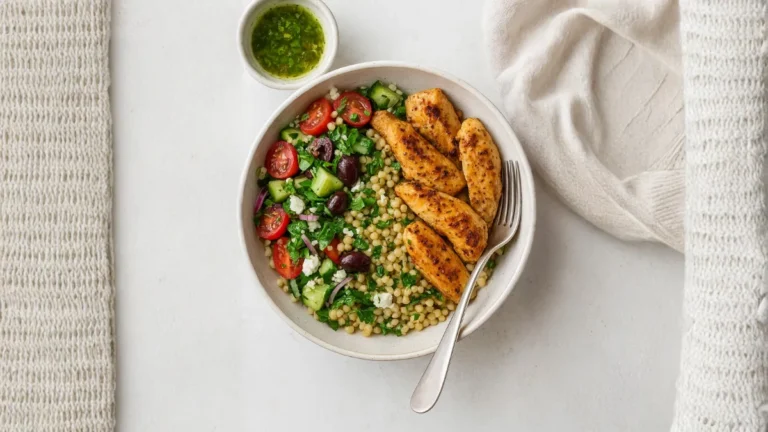
This pasta pairs beautifully with a simple Greek salad made from cucumber, tomatoes, red onion, olives, and feta. A side of warm pita bread with hummus makes a lovely accompaniment. For a more substantial meal, grilled chicken souvlaki or roasted salmon fillets served alongside the pasta complete the plate with added protein. A glass of chilled white wine like Assyrtiko from Santorini is the traditional Greek pairing if you enjoy wine with your meals. Easy Greek Salad for Meal Prep
Conclusion
This Roasted Tomato Feta Greek Pasta is the kind of recipe that earns a permanent spot in your weekly rotation. It is fast, deeply flavorful, nutritionally balanced, and built entirely around the wholesome ingredients that make the Mediterranean diet one of the most celebrated and sustainable ways of eating in the world.
Whether you are making it fresh on a Tuesday night or prepping a big batch for the week ahead, this dish delivers every single time. The combination of jammy roasted tomatoes, creamy baked feta, fragrant garlic, and good olive oil is as close to effortless Mediterranean cooking perfection as it gets.
Give it a try this week and let us know how it turns out. Leave a comment below with your favorite variations, toppings, or tips for making it your own. And if you loved this recipe, share it with someone who needs more Mediterranean goodness in their life.