THE BEST N°1 Savory Mediterranean Baked Fish Recipe with Lemons, Herbs, and Olive Oil
If you have been searching for a recipe that feels effortlessly elegant yet comes together in under an hour, this savory Mediterranean baked fish recipe is exactly what you need. Bright lemon, fragrant herbs, and silky olive oil transform a simple fillet into something genuinely extraordinary. This dish captures everything that makes coastal cooking so timeless and satisfying.
In this post, you will find the full backstory behind this classic preparation, a deep dive into every ingredient, and a foolproof step-by-step guide even beginners can follow. You will also get batch prep tips, storage advice, and answers to the most common questions home cooks ask about baking fish.
Whether you are meal prepping for the week or hosting a dinner that needs to impress, this recipe delivers on flavor, nutrition, and ease every single time. Keep reading and you will never look at baked fish the same way again.
Table of Contents
Personal Note
The first time I made this Mediterranean baked fish recipe, I was standing in a tiny kitchen with nothing but a lemon, a handful of dried oregano, and a beautiful white fish fillet I had picked up at the market that morning. I had no grand plan. I just trusted the ingredients, and the result was one of the most satisfying meals I had ever cooked from scratch.
That experience changed how I think about simple food. You do not need a long list of exotic ingredients to create something memorable. You need quality basics and the confidence to let them shine on their own terms.
Now this recipe is a weekly staple in my kitchen. It is the kind of dish I turn to when I want something nourishing, quick, and deeply flavorful without spending an entire evening at the stove. I hope it becomes a staple in your kitchen too.
Origins of the Dish
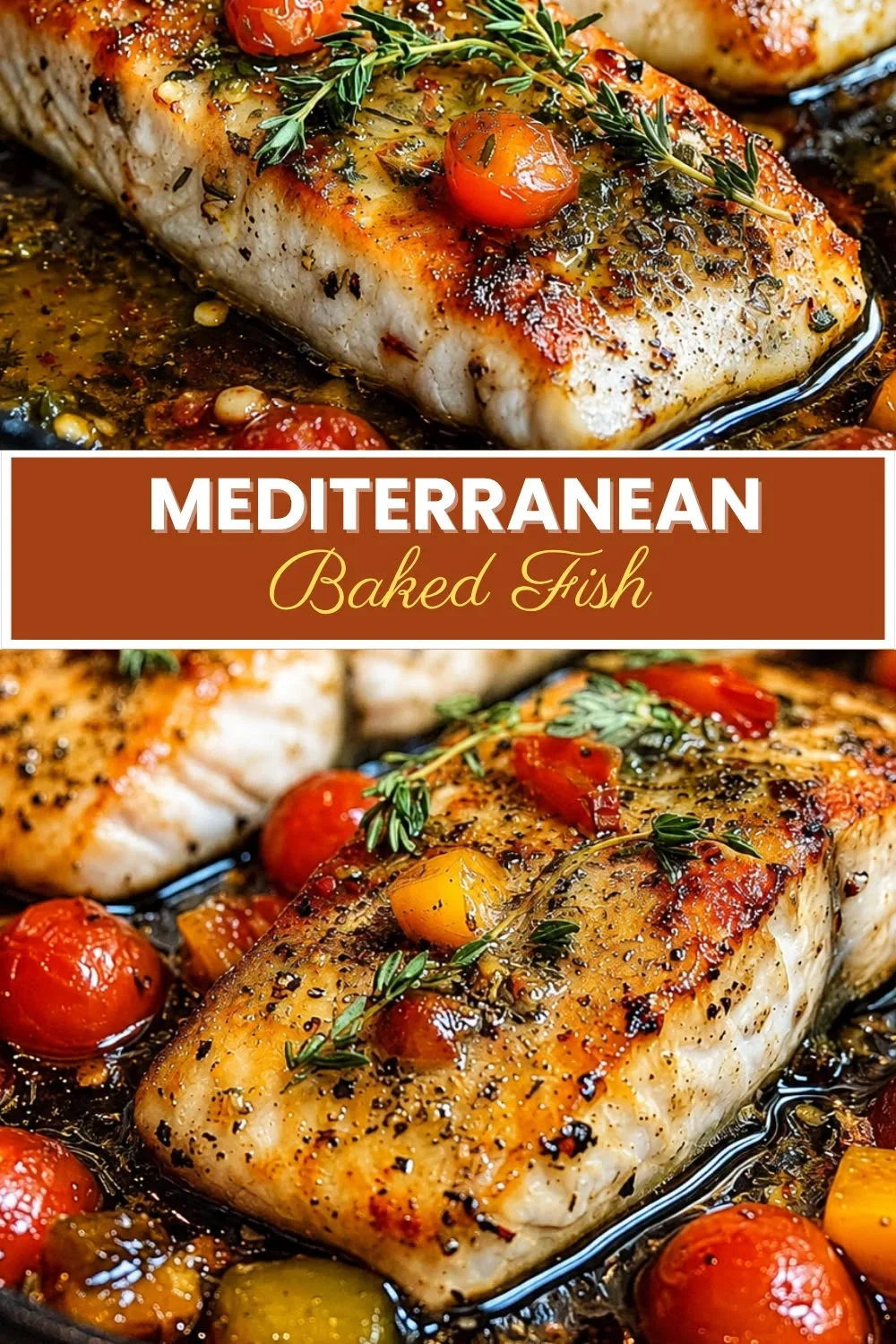
Baked fish with lemon, herbs, and olive oil is one of the oldest preparations in the culinary traditions surrounding the Mediterranean Sea. Coastal communities from Greece and Turkey to Spain and North Africa have been preparing fish this way for thousands of years. The technique is rooted in practicality, using whatever the sea provided that morning and flavoring it with herbs grown just steps from the kitchen door.
In ancient Greece, fish was considered a staple protein long before meat became central to the diet. Greek texts from as far back as the fourth century BCE reference the cooking of fish with oil and aromatics. The use of lemon came slightly later, as citrus fruit spread westward along trade routes, but it quickly became inseparable from fish preparation throughout the region.
In Italy, similar dishes appear under names like “pesce al forno,” meaning oven-baked fish, often layered with sliced lemons, garlic, and local herbs like rosemary and thyme. In Greece, the preparation is called “psari plaki,” a dish where fish is baked in a fragrant tomato-herb sauce with generous amounts of olive oil. Each country and even each coastal village developed its own interpretation, but the core philosophy remained the same: let the fish speak, support it with bright acidity and aromatic herbs, and finish with good olive oil.
What makes this dish particularly relevant today is how naturally it fits into the rhythm of modern meal planning. The original coastal cooks were doing a form of batch cooking without naming it. They prepared fish in large baking dishes to feed entire families and fishing crews. The concept of cooking once and eating well all week is embedded in this recipe’s very DNA. That is exactly why it belongs in your regular rotation.
Why You’ll Love This Recipe
This Mediterranean baked fish recipe checks every box you could want from a weeknight or meal prep dish. Here is a quick rundown of why it deserves a permanent spot in your recipe collection.
- Ready in under 40 minutes – From prep to plate, you are looking at a genuinely fast meal that does not feel rushed.
- Minimal cleanup – Everything goes into one baking dish, which means less time washing dishes and more time enjoying your meal.
- Packed with lean protein – Fish is one of the best sources of high-quality protein, keeping you full and energized throughout the day.
- Naturally gluten-free – No flour, no breading, no hidden gluten. This is a dish that works for a wide range of dietary needs right out of the box.
- Incredibly versatile – Works with cod, halibut, sea bass, tilapia, salmon, and more. Use whatever fish looks freshest at your market.
- Budget-friendly – White fish like cod and tilapia are among the most affordable proteins available, making this a smart choice for weekly meal prep.
- Meal prep gold – Bakes well in large batches and stores beautifully in the refrigerator or freezer for days of easy, ready-to-go meals.
- Family-friendly flavors – The lemon-herb profile is bright and approachable, making it a hit with adults and kids alike.
- No special equipment needed – A baking dish, a knife, and an oven are all you need. No special tools, no fancy gadgets.
- Deeply satisfying without feeling heavy – Unlike fried fish, this baked version leaves you feeling light, nourished, and genuinely content after eating.
Health Benefits and Ingredient Highlights
Every ingredient in this recipe was chosen with intention. Here is a closer look at why each one earns its place in this dish and what it does for your body.
White Fish – Your Lean Protein Foundation
White fish like cod, halibut, or sea bass is an outstanding source of lean protein, delivering around 20-25 grams per 100-gram serving with very little saturated fat. Protein is essential for muscle repair, immune function, and keeping hunger at bay between meals.
White fish is also rich in B vitamins, particularly B12 and niacin, which support energy metabolism and nerve function. For anyone managing their weight or simply trying to eat cleaner, it is one of the most efficient proteins you can put on your plate.
If you opt for fatty fish like salmon, you get the added benefit of omega-3 fatty acids, which are linked to reduced inflammation, better brain function, and improved cardiovascular health. Either way, fish is a nutritional powerhouse that pairs perfectly with this recipe.
Extra Virgin Olive Oil – The Heart of This Recipe
Extra virgin olive oil is not just a cooking fat in this recipe – it is a functional ingredient with serious health credentials. It is loaded with oleocanthal, a natural compound with anti-inflammatory properties comparable to ibuprofen in its effects. Regular consumption is associated with lower risks of heart disease, diabetes, and certain cancers.
Olive oil also contains oleic acid, a monounsaturated fat that supports healthy cholesterol levels by increasing HDL (good) cholesterol and reducing LDL (bad) cholesterol. When you drizzle it over your fish before baking, it not only adds rich flavor but helps your body absorb the fat-soluble vitamins in the dish more efficiently.
Always choose extra virgin over refined olive oil for maximum antioxidant content. The flavor difference is also significant. Cold-pressed, high-quality extra virgin olive oil has a fruity, slightly peppery finish that takes this dish to another level entirely.
Fresh Lemon – Brightness and Vitamin C
Lemon does two things brilliantly in this recipe. First, the acidity cuts through the richness of the olive oil and brightens the entire flavor profile of the dish. Second, it is an excellent source of vitamin C, which supports immune function, skin health, and iron absorption.
Lemon zest contains concentrated essential oils that add an aromatic intensity beyond what the juice alone can provide. Including both the juice and zest gives you a layered lemon flavor that feels sophisticated without any extra effort.
Lemon also acts as a natural preservative, which is part of why lemon-dressed dishes tend to hold up well in the refrigerator. When you are meal prepping, that is a genuinely useful quality to have working in your favor.
Fresh Herbs – Oregano, Thyme, and Parsley
Fresh herbs are not just a garnish here. Oregano contains carvacrol and thymol, two compounds with powerful antimicrobial and antioxidant properties. Studies have shown that oregano has one of the highest antioxidant capacities of any culinary herb, gram for gram.
Thyme is similarly potent, offering rosmarinic acid and luteolin, which are anti-inflammatory plant compounds that support respiratory health and reduce oxidative stress. Parsley rounds out the trio with a fresh, clean finish and provides a surprising boost of vitamin K, which is essential for bone health and blood clotting.
Using a combination of herbs rather than just one creates a more complex, layered flavor profile. Feel free to experiment with fresh rosemary, dill, or basil depending on the type of fish you are using and the flavor direction you want to take the dish.
Garlic – The Aromatic Powerhouse
Garlic is one of the most studied foods in nutritional science, and the evidence for its benefits is extensive. Allicin, the sulfur compound released when garlic is crushed or minced, has well-documented antimicrobial, antiviral, and anti-inflammatory properties. Even small amounts consumed regularly may contribute to lower blood pressure and improved cholesterol levels.
In this recipe, garlic serves both a health purpose and a culinary one. It infuses the olive oil with deep, savory warmth as the fish bakes, creating a fragrant base that elevates every other flavor in the dish. Mincing it finely ensures it distributes evenly across the fillet for consistent flavor in every bite.
Capers – Briny Depth and Antioxidants
Capers add a punchy, briny complexity that pairs brilliantly with lemon and fish. They are actually the pickled flower buds of the caper bush, a plant native to the Mediterranean. Beyond flavor, capers are rich in quercetin, a flavonoid antioxidant with anti-inflammatory and antihistamine properties.
They are low in calories, virtually fat-free, and add an intensity of flavor that feels like it should come with more effort than simply spooning them from a jar. If you have never tried capers in baked fish, this recipe will convert you immediately.
Ingredients
These quantities serve 4 people generously. Scale up easily for batch cooking by doubling or tripling the recipe across multiple baking dishes.
- 4 white fish fillets, about 6 oz each – cod, halibut, or sea bass work best (tilapia or haddock also work)
- 1/4 cup extra virgin olive oil (avocado oil works as a substitute)
- 2 large lemons – 1 sliced into thin rounds, 1 juiced and zested
- 4 cloves garlic, finely minced (or 1 teaspoon garlic powder in a pinch)
- 2 tablespoons fresh oregano leaves, roughly chopped (or 2 teaspoons dried)
- 2 tablespoons fresh thyme leaves (or 1 teaspoon dried thyme)
- 1/4 cup fresh flat-leaf parsley, finely chopped (plus extra for garnish)
- 2 tablespoons capers, drained and rinsed (optional but highly recommended)
- 1/2 teaspoon red pepper flakes (adjust to your heat preference)
- 1 teaspoon sea salt (or kosher salt)
- 1/2 teaspoon freshly ground black pepper
- 1/2 cup cherry tomatoes, halved (optional, adds sweetness and color)
- 1/4 cup pitted Kalamata olives, halved (optional, adds briny depth)
Step-by-Step Instructions
Follow these steps carefully for perfectly baked fish every time. The whole process from prep to table takes about 35 minutes total.
- Preheat your oven to 400°F (200°C). A hot oven is essential for getting the fish cooked through quickly without drying it out. While the oven heats, pull your fish fillets out of the refrigerator so they can come to room temperature, which helps them bake more evenly.
- Prepare your baking dish. Drizzle about 1 tablespoon of olive oil across the bottom of a 9×13 inch baking dish and spread it evenly with your fingers or a pastry brush. This prevents sticking and adds an extra layer of flavor from below the fish.
- Make the herb and olive oil marinade. In a small bowl, whisk together the remaining olive oil, lemon juice, lemon zest, minced garlic, oregano, thyme, red pepper flakes, salt, and black pepper. Stir well until everything is fully combined into a fragrant, vibrant sauce.
- Pat the fish dry and place it in the baking dish. Use paper towels to pat the surface of each fillet completely dry. This step is critical because moisture on the surface of the fish creates steam, which prevents the fish from getting that beautiful, lightly caramelized exterior you are aiming for.
- Coat the fish generously with the herb marinade. Spoon the olive oil and herb mixture evenly over each fillet, making sure to cover the top and sides. Use a spoon or your clean hands to press the herbs gently onto the surface of the fish so they adhere during baking.
- Add the lemon slices, olives, tomatoes, and capers. Arrange the lemon rounds directly on top of and around the fish fillets. Scatter the cherry tomatoes, olives, and capers around the fish in the baking dish. These aromatics will release their flavors into the dish as everything bakes together.
- Bake at 400°F for 15 to 20 minutes. The exact time depends on the thickness of your fillets. A good rule of thumb is 10 minutes of baking time for every 1 inch of thickness. The fish is done when it flakes easily with a fork and the flesh is opaque all the way through with no translucent areas remaining.
- Check for doneness carefully. Insert a fork into the thickest part of the fillet and gently twist. If the fish flakes apart with almost no resistance, it is perfectly cooked. If it still feels firm or gelatinous in the center, return it to the oven for 2 to 3 more minutes and check again.
- Rest the fish for 2 minutes before serving. Just like a good piece of meat, fish benefits from a brief rest after coming out of the oven. This allows the juices to redistribute and the internal temperature to stabilize, giving you a moister, more flavorful result on the plate.
- Garnish and serve. Scatter the freshly chopped parsley over the fish just before serving. Serve directly from the baking dish at the table, or plate individually with the pan juices spooned generously over each fillet. A final drizzle of your best extra virgin olive oil is optional but absolutely worth it.
Make It Ahead and Batch Prep Guide
This Mediterranean baked fish recipe is one of the most batch-prep-friendly dishes you can make. Fish bakes quickly, stores well, and reheats without losing too much of its original texture if you follow a few simple guidelines. If you are cooking for the week ahead, here is exactly how to make this work in your favor.
Start by prepping the herb marinade in a large batch. The olive oil, lemon, garlic, and herb mixture can be made two to three days in advance and stored in a sealed jar in the refrigerator. When you are ready to bake, all you need to do is pull out the fish and the marinade, assemble the dish, and slide it into the oven. This saves you at least 10 minutes of active prep on busy weeknights.
For true batch cooking, bake two to three full trays of fish at once if your oven has the space. Use multiple baking dishes on separate racks and rotate them halfway through cooking to ensure even heat distribution. Once baked, let the fish cool completely before portioning it into individual airtight containers. This approach gives you four to five ready-to-eat protein servings for the week ahead. Mediterranean Meal Prep Basics for Beginners
If you are building full meal prep containers, pair each serving of baked fish with a scoop of herbed quinoa or brown rice, a handful of roasted vegetables, and a small container of tzatziki or tahini sauce on the side. This creates balanced, flavorful containers that feel freshly made even on day four. Keep your sauces and fresh garnishes separate until serving to maintain the best possible texture and flavor through the week.
Common Mistakes to Avoid
Even a simple recipe like this one has a few pitfalls that can trip up even experienced cooks. Avoid these mistakes and your fish will come out perfectly every single time.
- Skipping the pat-dry step. Not drying the surface of the fish before baking is probably the single most common mistake. Moisture creates steam in the oven, which steams the fish rather than baking it, resulting in a pale, watery fillet with no caramelization or flavor development on the surface.
- Overcooking the fish. Fish cooks much faster than most proteins and it goes from perfect to dry and rubbery in just two to three minutes. Start checking your fillets at the 15-minute mark and use the fork-flake test rather than relying solely on the timer.
- Using low-quality olive oil. Since olive oil is one of only a handful of ingredients in this recipe, its quality directly impacts the final flavor. A flat, flavorless oil will produce a flat, flavorless dish. Invest in a good extra virgin olive oil and you will taste the difference immediately.
- Marinating fish too long before baking. Unlike chicken or beef, fish should not be marinated in an acidic marinade for more than 30 minutes before cooking. The lemon juice starts to chemically “cook” the proteins in the fish, changing the texture and making it mushy before it even hits the oven. Assemble and bake promptly.
- Baking at too low a temperature. A moderate or low oven temperature results in fish that takes much longer to cook, dries out more easily, and misses out on the light browning that creates depth of flavor. Stick to 400°F for the best results with this recipe.
- Not letting the dish rest before serving. Pulling the fish out and plating it immediately causes the juices to run out before you get a chance to enjoy them. Even two minutes of resting time makes a noticeable difference in moisture and flavor on the plate.
Notes, Tips and Variations
Substitutions
This recipe is flexible by design. If white fish is not available, salmon works beautifully with the same herb-and-lemon combination, though the richer flavor of salmon means you may want to dial back the olive oil slightly. Trout and arctic char are also excellent options that fall somewhere between white fish and salmon in terms of richness.
For the herbs, dried versions work when fresh is not available, but use them at roughly one-third the quantity since dried herbs are more concentrated. Dill is a fantastic alternative to thyme, particularly with more delicate fish like sole or flounder. Rosemary works beautifully with heartier fish like swordfish or tuna steaks.
If you are out of fresh lemons, bottled lemon juice can fill in for the juice component, but you will lose the aromatic punch of fresh zest. In that case, adding an extra teaspoon of dried lemon peel or a splash of white wine vinegar can help brighten the flavor and compensate for some of what you are missing.
Dietary Variations
This recipe is naturally gluten-free, dairy-free, and low-carb, making it suitable for a wide range of dietary lifestyles without any modifications at all. For a Whole30-compliant version, simply confirm that your capers and olives contain no added sugars or non-compliant preservatives in their ingredient lists.
For a lower-sodium version, skip the capers and olives, reduce the salt by half, and add extra herbs and lemon zest to compensate for the lost savory complexity. For a more calorie-dense version appropriate for high-activity days or athletes in training, increase the olive oil to 1/3 cup and serve over a larger portion of whole grains.
Cooking Tips
If your fillets vary significantly in thickness, tuck the thinner ends under themselves to create a more uniform shape before baking. This prevents the thin parts from overcooking while the thicker sections finish catching up. It is a small adjustment that makes a big difference to the final texture across the whole fillet.
Lining your baking dish with parchment paper makes cleanup almost instant and prevents any caramelized bits from sticking. If you want a lightly browned top, switch your oven to broil for the final two minutes of cooking. Watch it closely during those two minutes because fish can go from golden to burnt very quickly under a broiler. How to Broil Fish Perfectly Every Time
Topping Ideas and Flavor Boosters
Once your Mediterranean baked fish comes out of the oven, the toppings and finishing touches you add can completely transform the experience. Here are over ten ideas to customize the dish and keep it exciting week after week.
- Gremolata – A quick mixture of lemon zest, minced garlic, and chopped parsley spooned over the fish just before serving adds a bright, raw finish that cuts beautifully through the richness of the olive oil.
- Tahini drizzle – Thin good-quality tahini with lemon juice and water and drizzle it generously over the finished fish for a creamy, nutty element that pairs brilliantly with the herbs.
- Toasted pine nuts – Scatter a handful of pine nuts toasted in a dry skillet over the top for a crunchy contrast and a mild, buttery richness.
- Pomegranate seeds – A sprinkle of fresh pomegranate seeds adds a jewel-bright pop of color, a burst of sweet-tart flavor, and a satisfying textural contrast against the tender fish.
- Crumbled feta cheese – A light scattering of crumbled feta adds salty, tangy creaminess that melts slightly over the warm fish and deepens the savory profile dramatically.
- Sun-dried tomatoes – Chopped sun-dried tomatoes stirred into the pan juices create a concentrated, sweet-savory depth that works especially well with heartier fish like salmon or swordfish.
- Harissa paste – A thin smear of harissa beneath or over the fish before baking adds smoky, spiced heat that elevates the whole dish into something genuinely bold and exciting.
- Fresh cucumber-tomato salsa – Dice cucumber, tomato, red onion, and parsley with a squeeze of lemon and a pinch of salt for a fresh, crunchy topping that adds textural contrast and freshness.
- Microgreens or baby arugula – Pile a small handful of peppery arugula or microgreens directly on top of the hot fish just before serving for a fresh, slightly wilted salad element built right into the dish.
- Za’atar spice blend – A generous dusting of za’atar mixed into the olive oil marinade or sprinkled on top after baking adds an earthy, herbaceous, sesame-scented complexity that is absolutely addictive on baked fish.
- Preserved lemon rind – Thinly sliced preserved lemon rind laid over the fish during the last five minutes of baking adds a salty, floral citrus intensity that takes the lemon flavor to an entirely new dimension.
Who This Recipe Is For
This Mediterranean baked fish recipe has an impressively wide audience. Here is exactly who will love making and eating this dish.
- Weekly meal preppers who want a high-protein, low-effort option that holds up well in the refrigerator for several days without sacrificing quality.
- Busy parents who need a dinner that the whole family will eat, that comes together in under 40 minutes, and that does not require a culinary degree to execute correctly.
- Health-conscious eaters looking for a dish that is naturally rich in protein, healthy fats, vitamins, and minerals without any processed ingredients or additives.
- Beginner cooks who want to build confidence in the kitchen with a recipe that is forgiving, flexible, and genuinely difficult to ruin if you follow the basic steps.
- Gluten-free and dairy-free eaters who are tired of searching for recipes that accommodate their needs without requiring a list of specialty ingredients.
- Dinner party hosts who want something impressive enough to serve to guests but simple enough that they are not exhausted by the time the food hits the table.
- Athletes and active individuals who need high-quality protein to support muscle recovery and want to get it from clean, whole-food sources rather than protein powders or processed foods.
- Anyone exploring coastal cooking traditions for the first time and wanting an accessible, authentic entry point that delivers on both history and flavor.
Storage and Meal Prep Tips
Refrigerator
Once the fish has cooled completely, transfer it to airtight glass containers along with any pan juices from the baking dish. Store in the refrigerator for up to 3 days. The pan juices are especially important to include because they keep the fish moist and prevent it from drying out as it sits.
Label each container with the date it was prepared so you can easily track freshness. Fish has a naturally short refrigerator life compared to chicken or beef, so make it a priority to consume it within the first three days for the best flavor and food safety.
Freezer
Baked fish can be frozen successfully, though the texture changes slightly upon thawing. For the best results, wrap each individual fillet tightly in plastic wrap and then place it in a freezer-safe zip-lock bag with as much air removed as possible. This double-layer protection prevents freezer burn and preserves flavor.
Frozen baked fish keeps well for up to 2 months. Label each bag with the date and the type of fish so you are not guessing later. Thaw overnight in the refrigerator rather than at room temperature for the safest result and the best texture after thawing.
Reheating
The best way to reheat baked fish is in the oven at 275°F (135°C) for 10 to 15 minutes, covered loosely with foil to trap moisture. This gentle approach warms the fish through without overcooking it further, keeping it tender and flavorful rather than rubbery and dry.
If you are in a hurry, the microwave works as a backup option. Place the fish in a microwave-safe dish, add a small splash of water or lemon juice over the top, cover with a damp paper towel, and heat in 30-second intervals at 50 percent power until just warmed through. Never reheat fish on high power in the microwave or the texture will suffer significantly. Best Containers for Mediterranean Meal Prep Storage
Nutrition Facts
The following nutrition information is based on one serving of this Mediterranean baked fish recipe using cod fillets. Values are approximate and will vary based on the specific type of fish used and exact quantities of olive oil and optional ingredients included.
| Nutrient | Per Serving |
|---|---|
| Calories | 285 kcal |
| Protein | 32g |
| Total Carbohydrates | 5g |
| Total Fat | 15g |
| Saturated Fat | 2g |
| Monounsaturated Fat | 10g |
| Dietary Fiber | 1g |
| Total Sugar | 2g |
| Sodium | 480mg |
| Vitamin C | 22% Daily Value |
| Vitamin B12 | 45% Daily Value |
| Omega-3 Fatty Acids | 0.3g |
FAQs
What is the best fish to use for Mediterranean baked fish?
The best fish for this recipe are firm, mild white fish like cod, halibut, sea bass, or haddock. These hold their shape well during baking, absorb the herb marinade beautifully, and have a neutral flavor that lets the lemon, olive oil, and herbs take center stage. Salmon is also an excellent choice if you prefer a richer, fattier option, and it pairs particularly well with the dill and lemon combination. Whatever you choose, freshness is the single most important quality factor – fresh fish will always outperform previously frozen in terms of flavor and texture.
Can I use dried herbs instead of fresh ones?
Yes, you can absolutely use dried herbs in this Mediterranean baked fish recipe when fresh ones are not available. The key rule is to use roughly one-third the amount of dried herbs compared to fresh, since the drying process concentrates the essential oils and intensifies the flavor significantly. For this recipe, that means using about 2 teaspoons of dried oregano in place of 2 tablespoons of fresh, and so on. If possible, rub dried herbs between your palms before adding them to the marinade to wake up their flavor and release more of their essential oils before they hit the dish.
How do I know when the fish is fully cooked?
The most reliable way to check doneness in baked fish is the fork-flake test. Insert the tines of a fork at an angle into the thickest part of the fillet and gently twist or lift. If the flesh separates easily into clean, white flakes with almost no resistance, the fish is done. If it still feels firm, dense, or looks translucent in the center, give it two to three more minutes and test again. For complete confidence, an instant-read thermometer should read 145°F (63°C) at the thickest point. Fish at this internal temperature is fully safe to eat and at its peak of juiciness.
Can I make this recipe in advance for a dinner party?
Yes, with a smart approach. You can prepare the herb marinade up to two days ahead and refrigerate it in a sealed container. You can also slice the lemons, halve the tomatoes, and prepare all other components in advance. However, do not assemble the dish and marinate the fish more than 30 minutes before baking. If you need to serve this at a dinner party, bake it right before guests arrive and let it rest covered with foil for up to 15 minutes before serving. It holds temperature and quality well under foil for that window of time.
Is this Mediterranean baked fish recipe freezer-friendly?
Yes, though with some texture trade-offs compared to freshly baked fish. For freezing, cool the fish completely, wrap each fillet individually in plastic wrap, and store in freezer bags for up to two months. When you are ready to eat, thaw overnight in the refrigerator and reheat gently in the oven at 275°F with a splash of water or lemon juice and a foil cover. The texture will be slightly softer than freshly baked, but the flavor remains excellent, making this a solid option for long-term meal prep planning.
Conclusion
This savory Mediterranean baked fish recipe with lemons, herbs, and olive oil is exactly the kind of dish that earns a permanent spot in your weekly cooking rotation. It is fast, nourishing, deeply flavorful, and endlessly adaptable to whatever fish, herbs, or flavor additions you happen to have on hand. Whether you are cooking for yourself, your family, or a table full of guests, this recipe consistently delivers results that feel far more impressive than the effort required to make it.
Beyond the delicious results, this dish connects you to centuries of coastal cooking tradition rooted in simplicity, quality ingredients, and the philosophy that great food does not need to be complicated. Every time you drizzle that olive oil, squeeze that lemon, and scatter those fresh herbs, you are participating in something genuinely timeless.
Give this recipe a try this week and let it surprise you. Once you experience how effortlessly satisfying a perfectly baked fish can be, you will find yourself reaching for this recipe again and again. Leave a comment below and let me know which fish you used and what toppings you tried. Your variation might just inspire the next person who discovers this dish.