THE BEST N°1 The Best Banana Bread Recipe Ever – Super Moist, Soft and Foolproof Every Time
If you have been searching for the best banana bread recipe, your search ends right here. This loaf is everything you want: deeply moist, perfectly soft, golden on the outside, and tender all the way through to the very last slice.
In this post, you will get the full recipe plus the science behind what makes it work every single time. You will also find batch prep tips, storage guides, healthy ingredient swaps, and answers to the most common banana bread questions.
Whether you are meal prepping for the week or baking for your family on a Sunday morning, this recipe fits beautifully into a wholesome Mediterranean-inspired lifestyle. Simple ingredients, real food, and flavors you will genuinely look forward to eating.
Table of Contents
Personal Note
Banana bread holds a special place in my meal prep rotation, and I honestly did not expect that when I first started cooking Mediterranean-style. But the more I leaned into whole ingredients, natural sweetness, and nourishing fats, the more this humble loaf made perfect sense.
I started adapting traditional banana bread to align with the Mediterranean way of eating. That meant swapping refined oils for extra virgin olive oil, using whole wheat flour, and cutting back on added sugar by letting the bananas do the heavy lifting. The result was a loaf that felt genuinely good to eat, not just a treat you tolerate.
Every week I bake a double batch, slice it up, and store it in the freezer. On busy mornings, I grab a slice, let it thaw while I make coffee, and I have a real, satisfying breakfast in minutes. That kind of practical simplicity is exactly what Mediterranean meal prep is all about.
Origins of the Dish
Banana bread as we know it today is actually a relatively modern invention. It became popular in the United States during the 1930s, largely because of two things: the widespread availability of chemical leaveners like baking soda, and the Great Depression. Home cooks needed ways to use every single ingredient they had, including overripe bananas that would otherwise go to waste.
The first published recipes appeared in cookbooks from major brands like Pillsbury and Gold Medal around 1933. These early versions were simple, designed for practicality rather than indulgence. The focus was on using pantry staples and reducing food waste, values that feel surprisingly modern when you look at them through a Mediterranean lens.
Over the decades, banana bread evolved in very different directions around the world. In parts of the Caribbean and Central America, cooks incorporated spices like nutmeg and allspice, as well as local ingredients like coconut oil. In West Africa, variations made with plantain rather than banana became a staple at celebrations and family gatherings. Each culture brought its own pantry to the loaf.
From a Mediterranean perspective, the appeal of banana bread lies in its connection to simple, ingredient-forward cooking. Mediterranean cuisine has always celebrated natural sweetness from fruits, the use of whole grains, and nourishing fats like olive oil and nuts. When you make banana bread with those principles in mind, using ripe fruit as your primary sweetener, incorporating quality fats, and building real flavor without artificial additives, you are honoring both the dish’s humble origins and the Mediterranean tradition of eating well with simple, honest food.
Why You’ll Love This Recipe
This is not just another banana bread. It has been tested, refined, and adapted specifically to work for real-life meal preppers who want something that tastes incredible and also nourishes their body. Here is exactly why this version stands out.
- Incredibly moist texture – Using olive oil instead of butter and very ripe bananas keeps every slice tender for days without drying out.
- Naturally sweetened – Overripe bananas provide most of the sweetness, so you need far less added sugar than most recipes call for.
- One bowl, no mixer needed – You mix everything by hand in one bowl, which means minimal cleanup and maximum efficiency.
- Freezer-friendly – This loaf freezes beautifully for up to three months, making it a true meal prep hero for busy weeks.
- Mediterranean-aligned ingredients – Olive oil, walnuts, whole wheat flour, and natural sweeteners make this a loaf you feel good about eating every morning.
- Foolproof every time – The method is forgiving and straightforward. Even if this is your first time baking, you will get a beautiful result.
- Highly customizable – Add chocolate chips, swap in different nuts, make it gluten-free, or go dairy-free with zero issues.
- Kid and family approved – The flavor is warm, familiar, and comforting. Everyone at the table will love it.
- Great for all meal types – Works as breakfast, a snack, or even a light dessert after a Mediterranean-style dinner.
- Uses up overripe bananas – No more wasting fruit. The blacker the banana, the better your bread will taste.
Health Benefits and Ingredient Highlights
Every ingredient in this recipe was chosen with intention. When you understand what each one brings to the table, you will feel even better about eating a slice every morning. Here is a breakdown of the key players.
Overripe Bananas
Overripe bananas are the backbone of the best banana bread recipe, and they do far more than just add flavor. As bananas ripen, their starches convert to simple sugars, which means they become naturally sweeter and more digestible without you needing to add much extra sweetener.
Bananas are also an excellent source of potassium, which supports heart health and healthy blood pressure levels. They provide vitamin B6, which plays an important role in brain function and energy metabolism. In the Mediterranean diet, fruit is treated as a genuine source of nutrition, not just a sweetener, and ripe bananas fit that philosophy perfectly.
From a baking perspective, overripe bananas also add significant moisture to the batter. Their soft, almost liquid texture is what gives this loaf that unmistakably moist crumb that holds together beautifully even after being sliced and stored for several days.
Extra Virgin Olive Oil
Extra virgin olive oil is the cornerstone fat of the Mediterranean diet, and using it in this banana bread instead of butter or vegetable oil is one of the most meaningful upgrades you can make. It keeps the loaf moist, adds a subtle richness, and brings genuine nutritional value to every slice.
Olive oil is rich in monounsaturated fatty acids, particularly oleic acid, which has been associated with reduced inflammation and improved heart health. It also contains powerful antioxidants like vitamin E and oleocanthal, which have anti-inflammatory properties similar to ibuprofen at low doses. That is not something butter can offer.
You might worry that olive oil will make your banana bread taste like a salad. It will not. A good quality extra virgin olive oil adds a subtle fruity richness that actually complements the banana flavor beautifully. Use a mild or light-tasting variety if you want the banana to remain the star of the show.
Whole Wheat Flour
Whole wheat flour is a simple swap from all-purpose flour that dramatically improves the nutritional profile of your banana bread. It retains the bran and germ of the wheat kernel, which means you get significantly more fiber, more vitamins, and more minerals in every slice.
The fiber content in whole wheat flour helps slow digestion, which means a more gradual release of energy and better blood sugar stability after eating. This is a key principle in Mediterranean-style eating: choosing whole, minimally processed grains over refined ones. Your body responds differently to whole grain carbohydrates, and the difference is noticeable in how you feel after eating.
Whole wheat flour does make a slightly denser loaf compared to all-purpose flour. To balance this, this recipe uses a combination of whole wheat and a small amount of all-purpose flour. You get the nutritional benefits of whole grain without sacrificing the soft, tender crumb that makes banana bread so satisfying.
Walnuts
Walnuts are one of the most celebrated nuts in the Mediterranean diet, and for very good reason. They are one of the few plant-based sources of omega-3 fatty acids, specifically alpha-linolenic acid, which supports heart and brain health. Adding walnuts to your banana bread turns a simple loaf into something genuinely functional.
Beyond their healthy fat content, walnuts also provide protein, magnesium, and copper. Magnesium plays a role in over 300 enzymatic reactions in the body, including those involved in energy production and muscle function. Getting it from a food source like walnuts is always preferable to supplementation.
Texturally, walnuts add the perfect contrast to the soft crumb of banana bread. Their slight bitterness also balances the sweetness of the ripe bananas, creating a more complex and satisfying flavor profile. Toasting the walnuts before adding them to the batter deepens their flavor even further and is a step worth taking when you have the time.
Eggs
Eggs are essential in banana bread for both structure and moisture. They bind all the ingredients together, help the loaf rise properly, and contribute to that rich, slightly custardy interior that separates a great banana bread from a dry, crumbly one.
From a nutritional standpoint, eggs are one of the most complete protein sources available. They contain all nine essential amino acids, as well as choline, which supports brain health and liver function. The Mediterranean diet includes eggs in moderation as part of a balanced, whole-food approach to eating.
Honey or Maple Syrup
Instead of refined white sugar, this recipe uses a small amount of honey or maple syrup to add just enough extra sweetness. Both are less processed than white sugar and contain trace minerals and antioxidants that refined sugar simply does not offer.
Honey has been a staple sweetener in Mediterranean cooking for thousands of years. It appears in ancient Greek recipes and has long been used for its mild medicinal properties alongside its flavor. Using raw or minimally processed honey keeps more of those beneficial compounds intact.
Maple syrup is a great vegan alternative that brings a warm, slightly caramel-like depth of flavor. Either option keeps the overall sugar content of this loaf significantly lower than most conventional banana bread recipes, while still delivering excellent flavor and just enough sweetness to feel like a treat.
Ingredients
Here is everything you need to make the best banana bread recipe. All measurements are for one standard 9×5 inch loaf pan, serving approximately 10 to 12 slices.
- 3 large overripe bananas, mashed (about 1.5 cups mashed – the darker and spottier, the better)
- 1/3 cup extra virgin olive oil (substitute: melted coconut oil or avocado oil)
- 2 large eggs, room temperature (substitute: 2 flax eggs for vegan version)
- 1/4 cup honey or pure maple syrup (substitute: coconut sugar or brown sugar)
- 1 teaspoon pure vanilla extract
- 1 cup whole wheat flour (substitute: all spelt flour or gluten-free 1:1 baking flour)
- 1/2 cup all-purpose flour (substitute: almond flour for a denser, lower-carb version)
- 1 teaspoon baking soda (not baking powder – they are not interchangeable here)
- 1/2 teaspoon fine sea salt
- 1 teaspoon ground cinnamon
- 1/4 teaspoon ground nutmeg (optional, but adds warmth)
- 1/2 cup chopped walnuts (substitute: pecans, almonds, or leave out entirely)
- 1/4 cup Greek yogurt, full-fat (substitute: sour cream or dairy-free coconut yogurt)
Step-by-Step Instructions
Follow these steps exactly and you will get a perfectly moist, golden loaf every time. Read through all the steps before you start so there are no surprises mid-bake.
- Preheat your oven to 350°F (175°C). Grease a 9×5 inch loaf pan with a little olive oil and line it with parchment paper, leaving some overhang on the sides. This makes it easy to lift the finished loaf out without any sticking or breaking.
- Mash the bananas in a large mixing bowl. Use a fork to mash them until they are mostly smooth with just a few small lumps remaining. The more thoroughly you mash, the more evenly banana flavor will distribute through the loaf.
- Add the olive oil, honey, eggs, vanilla extract, and Greek yogurt to the mashed bananas. Whisk everything together until well combined and slightly frothy. Make sure the eggs are at room temperature so they incorporate smoothly into the batter.
- In a separate bowl, whisk together the whole wheat flour, all-purpose flour, baking soda, salt, cinnamon, and nutmeg. Mixing the dry ingredients separately ensures the baking soda and spices are evenly distributed before they hit the wet ingredients. This prevents pockets of baking soda in your finished loaf.
- Add the dry ingredients to the wet ingredients. Use a rubber spatula or wooden spoon to fold them together gently. Stop mixing as soon as you no longer see dry flour streaks – overmixing at this stage develops gluten and will make your banana bread tough and dense.
- Fold in the chopped walnuts. If you are adding any other mix-ins like chocolate chips or dried fruit, now is the time to add those too. Give the batter just two or three gentle folds to distribute them evenly.
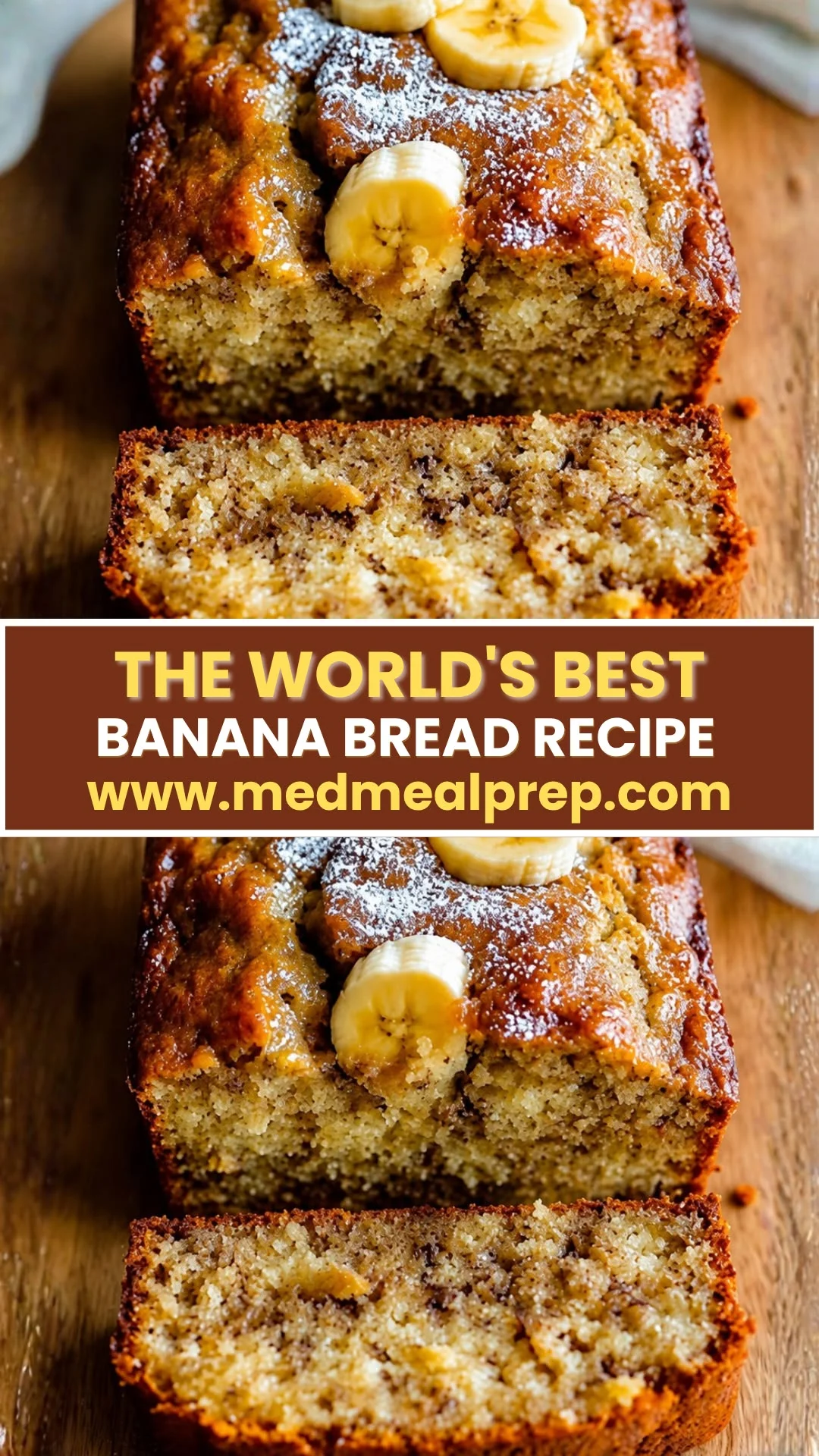
- Pour the batter into your prepared loaf pan. Use your spatula to spread it evenly to the edges. If you want, place a few banana slices or extra walnut halves on top of the batter for a beautiful visual finish.
- Bake for 55 to 65 minutes. Start checking at the 55-minute mark by inserting a toothpick or thin skewer into the center of the loaf. It should come out clean or with just one or two moist crumbs attached. If the top is browning too fast, tent the loaf loosely with aluminum foil after 40 minutes.
- Cool in the pan for 15 minutes. This is important because the loaf continues to cook from residual heat after it comes out of the oven. Cutting into it too early will cause the interior to be gummy and undercooked even if the outside looks perfect.
- Lift the loaf out using the parchment paper overhang and transfer it to a wire rack. Allow it to cool completely, at least 30 to 45 minutes, before slicing. Slicing too early tears the crumb and makes the loaf harder to store neatly. Your patience will be rewarded with beautiful, clean slices.
Make It Ahead and Batch Prep Guide
Banana bread is one of the best possible foods to batch prep. It holds its quality extremely well over several days at room temperature, lasts even longer in the refrigerator, and freezes beautifully for up to three months. If you are serious about meal prepping for the week, building banana bread into your Sunday routine is a genuinely smart move.
The easiest way to batch prep is to make two loaves at the same time. Most standard ovens can fit two 9×5 loaf pans side by side on the same rack. Simply double the recipe and divide the batter evenly between both pans. Rotate them halfway through baking to ensure even heat distribution, as most home ovens have slight hot spots that can cause uneven browning.
Once your loaves have cooled completely, slice one for immediate use during the week. Wrap individual slices in parchment paper, then place them all in an airtight container or zip-lock bag. Store the second loaf whole or sliced in the freezer for the following week. This system means you always have a healthy, satisfying breakfast option on hand without any extra cooking effort on weekday mornings.
You can also prep and freeze the batter before baking. Mix everything together, pour it into a greased and lined loaf pan, cover tightly with plastic wrap, and freeze it unbaked. When you are ready to bake, thaw the batter in the refrigerator overnight, let it come to room temperature for 30 minutes, and bake as directed. This is a great strategy if you want the experience of fresh-baked banana bread without the last-minute prep work. Mediterranean meal prep breakfast ideas
Common Mistakes to Avoid
Even a foolproof recipe has a few pitfalls if you are not aware of them. Here are the most common mistakes people make with banana bread and exactly how to avoid them.
- Using bananas that are not ripe enough – This is the number one reason banana bread falls flat. Yellow bananas with no spots have very little sweetness and almost no moisture to contribute. Wait until they are heavily speckled or even mostly black for the best flavor and texture.
- Overmixing the batter – Once the dry ingredients hit the wet, mix as little as possible. Overmixing develops the gluten in the flour, which results in a dense, rubbery loaf instead of a light, tender one. Stop the moment you no longer see dry streaks.
- Opening the oven door too early – Resist the urge to check on your loaf before at least 45 minutes have passed. Opening the oven door too soon drops the temperature quickly and can cause the center of the loaf to collapse before it has set properly.
- Cutting the loaf too soon – Cutting into a hot loaf feels satisfying, but it ruins the texture. The crumb needs time to set as it cools. Cutting too early results in a gummy, undercooked-looking interior even when the loaf is technically baked through.
- Using cold eggs directly from the fridge – Cold eggs do not incorporate as smoothly into the batter, which can cause the fat to seize up and create an uneven texture. Let your eggs sit at room temperature for at least 20 minutes before you start baking.
- Skipping the parchment paper – Even in a well-greased pan, banana bread can stick. The high moisture content of the batter means that without parchment paper lining the sides, you risk tearing the loaf when you try to remove it from the pan. Always use parchment.
Notes, Tips and Variations
Substitutions
This recipe is built to be flexible. If you do not have whole wheat flour, you can use all-purpose flour for the full amount, though you will lose some of the nutritional benefits. Spelt flour is another excellent option that produces a slightly lighter, nuttier loaf and is often easier to digest than regular wheat flour.
For the olive oil, melted coconut oil is the closest substitute in terms of texture and moisture. Avocado oil also works beautifully and has a very neutral flavor. If you are not following a Mediterranean approach and simply want to use what you have on hand, melted unsalted butter will also work, though the loaf will be slightly richer and denser.
No Greek yogurt? No problem. Sour cream works as a 1:1 substitute. For a dairy-free version, use full-fat coconut yogurt, which adds a very subtle tropical note that pairs surprisingly well with banana and cinnamon. A few tablespoons of unsweetened applesauce can also fill in for the yogurt in a pinch.
Dietary Variations
To make this recipe fully vegan, replace the two eggs with two flax eggs. To make a flax egg, mix one tablespoon of ground flaxseed with three tablespoons of water and let it sit for five minutes until it becomes gel-like. Use dairy-free yogurt and maple syrup instead of honey, and you have a completely plant-based banana bread that is still incredibly moist and flavorful.
For a gluten-free version, use a high-quality 1:1 gluten-free baking flour blend. Look for one that contains xanthan gum, which helps bind the batter and mimic the structure that gluten would normally provide. The texture will be slightly different but still delicious. Avoid using only almond flour or only coconut flour, as neither will produce a loaf that holds together properly on its own.
If you want to reduce the carbohydrate content further, you can try replacing half the flour with almond flour. The result will be a denser, more cake-like loaf with a higher fat and protein content. This variation pairs beautifully with a smear of almond butter or tahini for a genuinely filling Mediterranean-style breakfast. Mediterranean breakfast meal prep ideas
Cooking Tips
If you need ripe bananas fast, place unpeeled bananas on a baking sheet and bake them at 300°F for about 20 minutes. They will turn black and the insides will be perfectly soft and sweet. This trick will not give you exactly the same depth of flavor as naturally overripe bananas, but it works well in a time crunch.
For an extra moist loaf, add an additional quarter cup of Greek yogurt or replace two tablespoons of flour with two tablespoons of cornstarch. Cornstarch weakens the gluten structure slightly, which produces a more tender, delicate crumb. This trick is commonly used in bakeries and makes a noticeable difference.
Always measure your flour correctly. Scoop your measuring cup into the flour bag and you will end up with too much flour, which leads to a dry, dense loaf. Instead, spoon the flour into the measuring cup and level it off with the back of a knife, or better yet, use a kitchen scale. Accuracy makes a significant difference in baking outcomes.
Topping Ideas and Flavor Boosters
Once you have your base recipe down, experimenting with toppings and mix-ins is one of the most fun parts of making the best banana bread recipe. Here are over ten ways to change it up depending on your mood, the season, or what you have in your pantry.
- Sliced banana on top – Press a halved banana lengthwise onto the batter before baking. It caramelizes in the oven and makes the presentation absolutely stunning.
- Dark chocolate chips – Fold in 1/3 cup of 70% dark chocolate chips for a richer, dessert-forward version. Dark chocolate is also packed with antioxidants and fits well into Mediterranean eating in moderation.
- Tahini drizzle – Drizzle a tablespoon of tahini over each slice before serving. The nutty, slightly bitter sesame flavor pairs beautifully with the sweet banana and is a genuinely Mediterranean touch.
- Toasted sesame seeds – Sprinkle a tablespoon of sesame seeds over the top of the batter before baking. They toast up golden and add a wonderful subtle crunch.
- Dried figs or dates – Fold in half a cup of chopped dried figs or Medjool dates. Both are staples in Mediterranean cooking and add natural sweetness with a chewy texture that works beautifully in banana bread.
- Cardamom and orange zest – Add half a teaspoon of ground cardamom and the zest of one orange to the batter. This combination is common in Middle Eastern and Greek baking and elevates the flavor profile to something really special.
- Almond butter swirl – Drop two tablespoons of almond butter onto the batter in the pan, then drag a toothpick through it to create a swirl pattern. It bakes into a gorgeous ribbon of nutty richness throughout the loaf.
- Rolled oat topping – Mix two tablespoons of rolled oats with a teaspoon of honey and a pinch of cinnamon. Sprinkle over the top before baking for a crunchy, crumble-like crust.
- Lemon zest and poppy seeds – Add the zest of one lemon and a tablespoon of poppy seeds to the batter. The lemon brightens the whole flavor profile and balances the sweetness of the bananas.
- Pistachios and rose water – Fold in a quarter cup of chopped pistachios and add one teaspoon of rose water to the wet ingredients. This combination is deeply rooted in Eastern Mediterranean and Levantine baking traditions and makes a truly unforgettable loaf.
- Smear of labneh or Greek yogurt – Serve each slice with a spoonful of thick labneh or full-fat Greek yogurt on top. It adds protein, creaminess, and a tangy contrast that turns a simple slice into a genuinely complete breakfast.
Who This Recipe Is For
This recipe was designed to work for a wide range of people with different lifestyles, goals, and dietary preferences. Here is a quick look at who will benefit most from adding this to their weekly rotation.
- Mediterranean diet followers – This recipe uses olive oil, whole grains, nuts, and natural sweeteners to align beautifully with Mediterranean eating principles.
- Busy professionals – Slice it on Sunday, store it in the freezer, and grab a slice every morning for a no-effort weekday breakfast.
- Parents feeding picky kids – The familiar, comforting flavor of banana bread is almost universally loved by children, and this version actually has real nutritional value behind it.
- Beginner bakers – If you have never baked a loaf in your life, this recipe is the perfect starting point. It is forgiving, simple, and consistently delivers excellent results.
- Fitness-focused eaters – With protein from eggs and Greek yogurt, healthy fats from olive oil and walnuts, and complex carbohydrates from whole wheat flour, this loaf supports an active lifestyle.
- Home meal preppers – Anyone who batch cooks on weekends will love how well this loaf holds up in the fridge and freezer over a full week or more.
- Vegan and dairy-free eaters – With simple swaps, this recipe becomes fully plant-based without any loss of flavor or texture.
- People reducing refined sugar – Using ripe bananas and honey as the primary sweeteners means you get genuine sweetness with far less added sugar than a conventional banana bread recipe.
Storage and Meal Prep Tips
Proper storage is what separates a great meal prep recipe from a merely good one. This banana bread stores exceptionally well when handled correctly. Here is exactly what to do.
Refrigerator
Once your loaf has cooled completely, wrap it tightly in plastic wrap or place it in an airtight container. It will keep at room temperature for up to three days. If you need it to last longer, store it in the refrigerator where it will stay fresh for up to one week.
One thing to note is that refrigeration can make the crumb feel slightly denser or firmer than when the loaf is fresh. This is completely normal and does not affect the flavor at all. To restore that fresh-baked softness, simply let a refrigerated slice sit at room temperature for 15 to 20 minutes before eating, or warm it briefly in the microwave or toaster oven.
Freezer
For meal prep purposes, the freezer is your best friend. This banana bread freezes beautifully for up to three months with no noticeable drop in quality. The best approach is to slice the loaf before freezing so you can pull out individual slices as needed without having to thaw the entire loaf.
Wrap each slice individually in a small piece of parchment paper, then place all the wrapped slices into a large zip-lock freezer bag. Squeeze out as much air as possible before sealing. This double-wrap method prevents freezer burn and keeps each slice tasting fresh. Label the bag with the date so you know exactly when to use it by.
Reheating
To thaw a frozen slice, simply remove it from the freezer and leave it on the counter for 20 to 30 minutes. It will come to room temperature on its own and taste almost identical to the day it was baked. This is the recommended method for preserving the texture and moisture of the crumb.
If you are in a hurry, microwave a frozen slice for 30 to 45 seconds on medium power. Start checking at 30 seconds to avoid overheating, which can make the bread rubbery. For a slightly crispy exterior with a warm, soft interior, place a thawed slice in a toaster oven at 325°F for three to four minutes. This is genuinely one of the best ways to eat it and gives it that fresh-from-the-oven quality that makes the whole experience feel special. How to freeze and reheat meal prep foods
Nutrition Facts
The following nutrition information is based on one slice of banana bread, assuming the loaf is cut into 12 equal slices. Values are approximate and will vary slightly based on the specific brands and ingredient substitutions you use.
| Nutrient | Per Serving (1 slice) |
|---|---|
| Calories | 195 kcal |
| Total Fat | 9g |
| Saturated Fat | 1.5g |
| Total Carbohydrates | 26g |
| Dietary Fiber | 2.5g |
| Total Sugars | 10g |
| Added Sugars | 3g |
| Protein | 4.5g |
| Sodium | 165mg |
| Potassium | 195mg |
| Vitamin B6 | 10% DV |
| Iron | 6% DV |
Compared to a standard bakery-style banana bread slice, which typically contains 350 to 400 calories and 20 to 25 grams of added sugar, this Mediterranean-inspired version is significantly lighter and far more nutrient-dense. It provides meaningful amounts of fiber, potassium, and healthy fats without the sugar spike.
FAQs
How do I know when my banana bread is fully baked?
The most reliable method is the toothpick test. Insert a toothpick or thin skewer into the very center of the loaf. If it comes out clean or with just one or two moist crumbs, the loaf is done. If it comes out with wet batter, return the loaf to the oven and check again every five minutes. The top of the loaf should also be golden brown and spring back lightly when you press it with a fingertip.
Why did my banana bread sink in the middle?
A sunken center is almost always caused by one of three things: underbaking, opening the oven door too early, or using too much baking soda. Too much leavening causes the loaf to rise very quickly and then collapse before the structure has had time to set. Make sure you measure your baking soda precisely and do not open the oven door before at least 45 minutes of baking time has passed.
Can I make banana bread without eggs?
Yes, absolutely. The best egg substitute for this recipe is flax eggs. To make a flax egg, combine one tablespoon of ground flaxseed with three tablespoons of water and let it sit for five minutes until it becomes gelatinous. Use two flax eggs to replace the two regular eggs in this recipe. The finished loaf will be slightly denser but still moist, flavorful, and completely delicious. Chia eggs work in the same way and are an equally valid substitute.
Can I use frozen bananas for banana bread?
Frozen bananas are actually one of the best-kept secrets in banana bread baking. When bananas freeze and then thaw, their cell walls break down and they become very soft and extremely sweet. Thaw your frozen bananas completely at room temperature or overnight in the refrigerator. Drain any excess liquid that accumulates before mashing, or you can actually add some of that liquid back in for an even moister loaf. This trick produces some of the best banana bread you will ever make.
How is banana bread different from banana cake?
The main differences are in fat content, sugar content, and mixing method. Banana cake typically uses more butter and sugar, is creamed with a mixer to incorporate air, and produces a lighter, fluffier crumb. Banana bread uses less fat, less sugar, and is mixed minimally by hand, resulting in a denser, more compact structure that slices cleanly and holds up well over several days. Banana bread is also intended to be sturdier for storage and transport, making it a far better candidate for meal prep than a delicate cake.
Conclusion
This truly is the best banana bread recipe for anyone who wants something reliable, nourishing, and genuinely delicious. By leaning into Mediterranean-inspired ingredients like extra virgin olive oil, whole wheat flour, walnuts, and natural sweeteners, you get a loaf that does not just satisfy your taste buds but actually supports the way you want to eat and feel. Every single slice is worth it.
The batch prep potential here is real and significant. Make two loaves on Sunday, slice them, freeze them, and you have handled breakfast for the next two weeks with almost zero weekday effort. That kind of sustainable simplicity is exactly what good meal prep looks like. And the fact that it happens to taste like a warm, homemade treat? That is just a very welcome bonus.
Now all you need is a bunch of very ripe bananas and 70 minutes. Go bake your loaf, share it with the people you love, and come back here to let me know how it went. Leave a comment below, rate the recipe, and tag us on Instagram when you make it. We genuinely love seeing your creations.