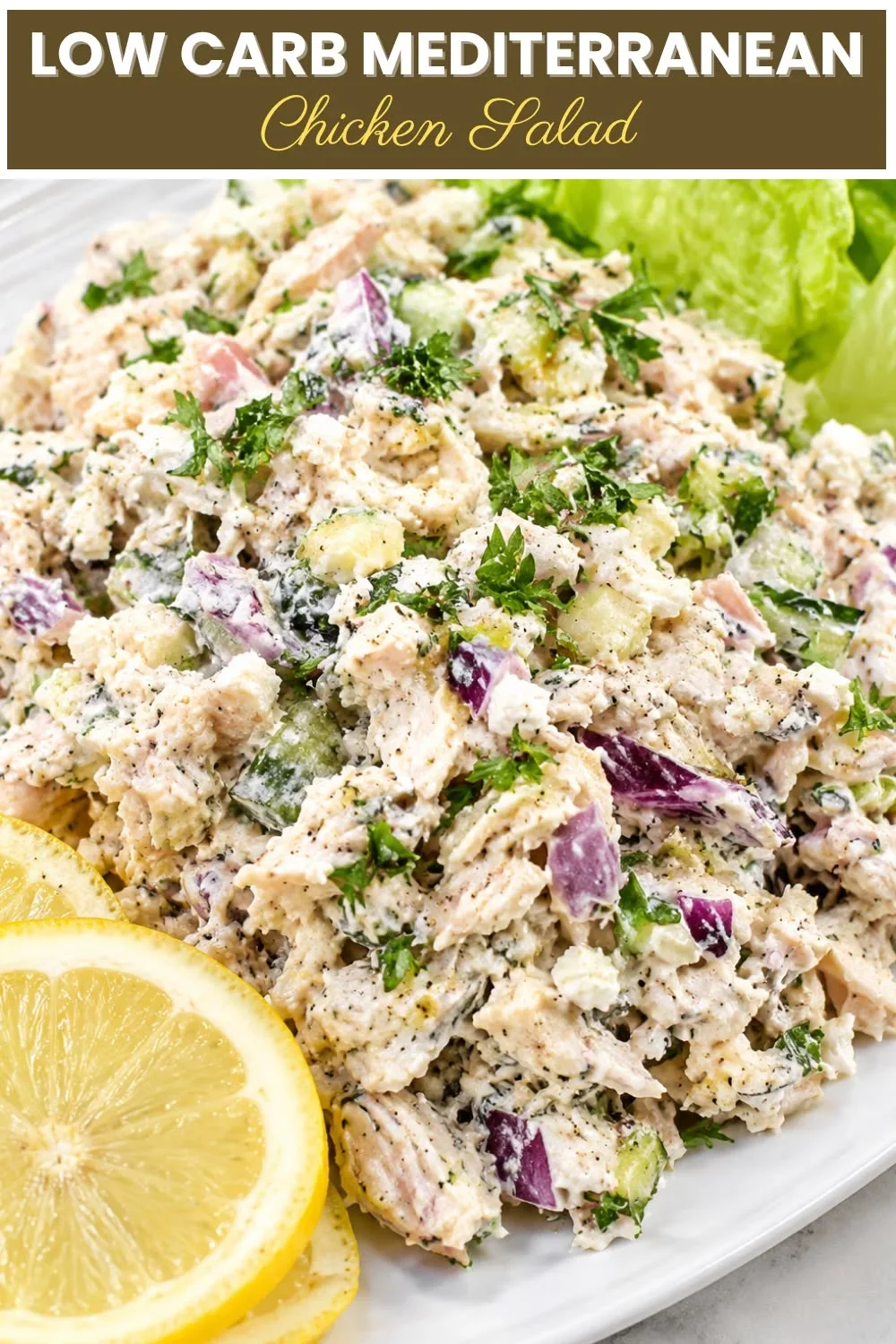
THE BEST N°1 Low Carb Mediterranean Chicken Salad: High-Protein Weight Loss Recipe
If you’re looking for a meal that checks every box, this low carb Mediterranean chicken salad is exactly what your weekly meal prep routine needs. It’s packed with lean protein, loaded with fresh vegetables, and built on the foundation of one of the world’s healthiest eating patterns. You get flavor, nutrition, and convenience all in one bowl.
This recipe is designed for people who want to lose weight without sacrificing taste or feeling hungry an hour after eating. By combining grilled chicken, crisp vegetables, olives, and a bright lemon-herb dressing, you get a satisfying meal that keeps your protein high and your carbs low. It’s the kind of dish you’ll actually look forward to eating.
In this post, you’ll find the full recipe with exact quantities, a step-by-step guide, batch prep tips, common mistakes to avoid, and a complete nutrition breakdown. Whether you’re new to Mediterranean high-protein eating or you’ve been doing it for years, this salad will earn a permanent spot in your rotation.
Table of Contents
Personal Note
I started building Mediterranean high-protein meals into my weekly prep after realizing that most “healthy” salads left me starving by mid-afternoon. They were low in calories, sure, but they were also low in everything that actually keeps you full and fueled. I needed something that worked harder for my goals.
The first time I made this salad, I was honestly just throwing things together from what I had in the fridge after a Sunday grocery run. Leftover grilled chicken, some cucumbers, cherry tomatoes, olives, feta, and a lemon. The result was so good that I made it again the next day, and then the day after that.
What keeps me coming back to this recipe is how effortlessly it fits the Mediterranean high-protein approach. It’s not about restriction. It’s about eating real, whole foods in combinations that nourish your body and genuinely taste amazing. This salad represents everything I love about cooking and eating well.
Origins of the Dish
The Mediterranean diet has roots stretching back thousands of years across countries like Greece, Italy, Turkey, Lebanon, and Morocco. Coastal communities in these regions built their diets around what was locally available, which meant fresh fish, grilled meats, legumes, olive oil, fresh vegetables, and simple herbs. The result was a way of eating that was not only delicious but incredibly supportive of long-term health.
Chicken, in particular, became a staple protein across Mediterranean cultures because it was affordable, easy to prepare, and highly versatile. In Greek cuisine, you’ll find lemon-herb chicken served over greens regularly. In Lebanese cooking, grilled chicken with garlic and fresh vegetables is a cornerstone of everyday meals. The concept of a protein-rich salad built around chicken and fresh produce is deeply rooted in this tradition.
The idea of combining grilled or poached chicken with olives, tomatoes, cucumbers, and cheese dates back centuries in Mediterranean home cooking. These weren’t fancy restaurant dishes. They were practical, nourishing meals made by everyday people who understood instinctively that food should fuel the body and please the palate at the same time. This is exactly what the Mediterranean high-protein philosophy is built on.
Over the past two decades, researchers and nutritionists have validated what Mediterranean cultures knew all along. High-protein, vegetable-rich meals built around healthy fats and lean proteins support weight management, muscle retention, heart health, and metabolic function. This low carb Mediterranean chicken salad is a modern interpretation of that ancient wisdom, adapted for today’s meal prep lifestyle.
Why You’ll Love This Recipe
This salad isn’t just good for you on paper. It’s the kind of meal you’ll genuinely crave, and that makes all the difference when you’re trying to stay consistent with your nutrition goals. Here’s why it works so well.
- High in protein: Each serving delivers 40 or more grams of protein, keeping you full and supporting muscle maintenance throughout the day.
- Low in carbohydrates: With no grains or starchy vegetables, this salad keeps your carb count low without feeling like a sacrifice.
- Built on healthy fats: Olive oil, olives, and feta cheese provide the heart-healthy monounsaturated fats that make Mediterranean eating so effective.
- Ready in under 30 minutes: From prep to plate, this meal comes together fast, making it perfect for busy weeknights or Sunday batch prep sessions.
- Meal prep friendly: The components store well separately, so you can prep a full week’s worth of lunches or dinners in one go.
- Naturally gluten-free: Every ingredient in this recipe is naturally free of gluten, making it accessible for people with sensitivities.
- Customizable to your taste: Swap ingredients, add toppings, or change the protein source to keep things interesting week after week.
- No cooking required after prep: Once your chicken is cooked, the rest of the salad is pure assembly, which makes it ideal for no-cook days.
- Weight loss supportive: The combination of high protein and healthy fats reduces hunger hormones and supports a caloric deficit without deprivation.
- Bright, bold flavors: Lemon, garlic, fresh herbs, and salty feta create a flavor profile that never feels bland or boring.
Health Benefits and Ingredient Highlights
Every ingredient in this low carb Mediterranean chicken salad was chosen with purpose. Understanding what each component brings to the table helps you appreciate why this meal is such a powerful tool for weight loss and overall health.
Grilled Chicken Breast
Chicken breast is one of the leanest, most protein-dense foods you can build a meal around. A single 5-ounce serving delivers around 35 to 40 grams of complete protein with minimal fat and virtually zero carbohydrates. That protein content is critical for preserving muscle mass during weight loss and keeping you satisfied between meals.
When you grill chicken breast instead of frying it, you preserve all of that protein while keeping the calorie count low. Grilling also adds a smoky depth of flavor that elevates the entire salad without needing any heavy sauces or calorie-dense additions. It’s the perfect anchor for a high-protein Mediterranean meal.
Research consistently shows that high-protein diets accelerate fat loss, reduce appetite, and improve body composition. By centering this salad on chicken breast, you’re setting yourself up for sustained energy and controlled hunger throughout your day.
Extra Virgin Olive Oil
Extra virgin olive oil is the cornerstone fat of Mediterranean cuisine, and for excellent reason. It’s rich in oleocanthal, a natural anti-inflammatory compound, and loaded with monounsaturated fatty acids that support cardiovascular health and healthy cholesterol levels. Using it as your dressing base is one of the smartest nutrition choices you can make.
Beyond its health profile, olive oil carries and amplifies the flavors of herbs, garlic, and lemon in this salad’s dressing. A high-quality extra virgin olive oil transforms a simple vinaigrette into something that tastes genuinely complex and restaurant-worthy. Don’t skip this ingredient or substitute it with vegetable oil.
Studies have shown that diets high in olive oil are associated with reduced body weight over time, partly because healthy fats slow digestion and promote satiety. Even within a low-carb framework, olive oil earns its place in every Mediterranean high-protein meal.
Kalamata Olives
Kalamata olives bring a rich, briny, slightly fruity flavor that is iconic in Greek and Mediterranean cuisine. Beyond their taste, they’re a good source of vitamin E, iron, copper, and fiber. They also contain oleic acid, the same healthy fat found in olive oil, which makes them doubly beneficial for heart health.
Because olives are naturally high in fat and low in carbohydrates, they fit perfectly into a low carb Mediterranean chicken salad without pushing your macros in the wrong direction. A small handful adds significant flavor and nutritional density without excessive calories. They’re one of the most underrated ingredients in a high-protein Mediterranean kitchen.
Feta Cheese
Feta is a staple of Greek cuisine and one of the most flavorful low-calorie cheeses you can use. It’s made from sheep’s milk or a combination of sheep and goat’s milk, which gives it a creamy tang that pairs perfectly with the bright acidity of lemon and the saltiness of olives. A two-ounce serving adds around 10 to 12 grams of protein and a generous hit of calcium.
Feta also contains probiotics, which support gut health and digestion. A healthy gut is closely linked to effective weight management and reduced inflammation, making feta a surprisingly powerful addition to your Mediterranean high-protein meal prep. It’s not just a garnish. It’s a functional food.
Cherry Tomatoes
Cherry tomatoes are low in calories, low in carbs, and loaded with lycopene, a powerful antioxidant linked to reduced risk of heart disease and certain cancers. They also provide vitamin C, potassium, and folate, making them a nutrient-dense addition to any salad. Their natural sweetness balances the saltiness of feta and olives beautifully.
From a texture standpoint, halved cherry tomatoes add a juicy burst that keeps every bite interesting. They release a small amount of natural juice that blends with the olive oil dressing, creating a richer overall flavor. Fresh tomatoes are always the best choice here, especially when they’re in season.
Cucumber
Cucumbers are one of the most hydrating vegetables you can eat, made up of over 95% water. They’re extremely low in carbohydrates and calories while adding satisfying crunch and freshness to the salad. For people watching their carb intake, cucumbers are an ideal volume food that makes your bowl look and feel abundant.
Cucumbers also contain small amounts of vitamin K, potassium, and antioxidants including quercetin and caffeic acid. These compounds contribute to reduced inflammation and improved skin health. Including them regularly in your Mediterranean high-protein meals adds hydration and micronutrients without any meaningful carb cost.
Fresh Lemon Juice
Fresh lemon juice is non-negotiable in Mediterranean cooking. It brightens every flavor in the dish, adds a sharp acidity that balances the richness of olive oil and feta, and provides a boost of vitamin C. Using fresh lemon rather than bottled juice makes a noticeable difference in flavor quality.
Vitamin C from lemon juice also enhances iron absorption, which is particularly helpful when your diet includes plant-based iron sources like spinach or herbs. As a nearly calorie-free flavor enhancer, lemon juice is one of the most efficient ingredients in your Mediterranean high-protein kitchen.
Fresh Herbs – Parsley and Oregano
Fresh parsley and dried or fresh oregano are foundational flavors in Mediterranean cuisine. Parsley is rich in vitamins A, C, and K, and contains powerful antioxidants that support liver function and reduce oxidative stress. It also adds a clean, slightly peppery freshness that ties the salad together.
Oregano has been used medicinally in Mediterranean cultures for centuries. It contains compounds like carvacrol and rosmarinic acid, which have demonstrated anti-inflammatory and antimicrobial properties. Even in small culinary quantities, these herbs contribute meaningfully to your overall health and to the dish’s signature Mediterranean flavor profile.
Red Onion
Red onion adds a sharp, slightly sweet bite that cuts through the richness of olive oil and feta. It’s also a surprisingly good source of quercetin, a flavonoid antioxidant with anti-inflammatory and antihistamine properties. Including raw red onion in your salad adds crunch, color, and a meaningful nutritional contribution.
If raw onion feels too intense for your palate, a quick 10-minute soak in cold water mellows the flavor significantly without losing any of the crunch or color. This is a simple kitchen trick that makes the salad more approachable for people who are sensitive to strong onion flavor.
Ingredients
These quantities serve 4 people comfortably. Scale up easily for larger batch prep sessions.
- 2 lbs (900g) boneless, skinless chicken breast (or boneless chicken thighs for more flavor)
- 1 tablespoon extra virgin olive oil (for grilling the chicken)
- 1 teaspoon dried oregano
- 1 teaspoon garlic powder
- 1/2 teaspoon smoked paprika
- Salt and black pepper to taste
- 2 cups cherry tomatoes, halved (or grape tomatoes)
- 1 large English cucumber, diced into half-moons (or 2 Persian cucumbers)
- 1/2 red onion, thinly sliced (soak in cold water for 10 minutes to mellow the bite)
- 1/2 cup Kalamata olives, pitted and halved (or black olives as a milder substitute)
- 4 oz (113g) feta cheese, crumbled (or goat cheese for a creamier option)
- 1/4 cup fresh flat-leaf parsley, roughly chopped
- 2 tablespoons fresh mint, chopped (optional but highly recommended)
- 4 cups baby spinach or chopped romaine lettuce (or a mix of both)
For the Lemon-Herb Dressing:
- 3 tablespoons extra virgin olive oil
- Juice of 2 lemons (approximately 4 tablespoons fresh lemon juice)
- 1 teaspoon Dijon mustard (helps emulsify the dressing)
- 1 garlic clove, finely minced or grated
- 1/2 teaspoon dried oregano
- 1/4 teaspoon red pepper flakes (optional, for heat)
- Salt and black pepper to taste
Step-by-Step Instructions
- Prepare the chicken marinade. In a small bowl, combine 1 tablespoon olive oil, oregano, garlic powder, smoked paprika, salt, and pepper. Coat both sides of your chicken breasts evenly with this mixture and let them sit for at least 15 minutes at room temperature, or up to 24 hours in the refrigerator for deeper flavor.
- Cook the chicken. Heat a grill pan or outdoor grill over medium-high heat. Place the chicken breasts on the hot grill and cook for 6 to 7 minutes per side, or until the internal temperature reaches 165°F (74°C). Avoid pressing down on the chicken while it cooks, as this releases juices and leads to dry meat.
- Rest the chicken. Remove the chicken from the heat and let it rest on a cutting board for at least 5 minutes before slicing. This resting period allows the juices to redistribute throughout the meat, keeping every slice moist and flavorful.
- Slice the chicken. Once rested, slice the chicken breast against the grain into strips or bite-sized cubes. Cutting against the grain shortens the muscle fibers, which makes the chicken noticeably more tender to eat.
- Prepare your vegetables. While the chicken rests, halve the cherry tomatoes, dice the cucumber, thinly slice the red onion, halve the olives, chop the parsley and mint, and crumble the feta. If you’re soaking the red onion to reduce its sharpness, do this step first so it has enough time in cold water.
- Make the lemon-herb dressing. In a small jar or bowl, combine the olive oil, fresh lemon juice, Dijon mustard, minced garlic, dried oregano, red pepper flakes, salt, and pepper. Shake or whisk vigorously until the dressing is fully emulsified and slightly creamy in texture. Taste and adjust seasoning as needed.
- Build the salad base. Add the spinach or romaine to a large serving bowl or divide it between individual meal prep containers. This greens layer forms the nutritious base that everything else sits on top of.
- Add the vegetable toppings. Layer the cherry tomatoes, cucumber, red onion, olives, parsley, and mint over the greens. Distribute everything evenly so each serving gets a balanced mix of colors and flavors.
- Add the chicken. Place the sliced or cubed chicken on top of the vegetable layer. For meal prep containers, divide the chicken evenly across all portions. Warm chicken on a cool salad creates a beautiful temperature contrast that makes this dish even more satisfying.
- Add the feta and dress the salad. Crumble the feta generously over each serving, then drizzle the lemon-herb dressing over everything. For meal prep, store the dressing separately and add it right before eating to prevent the greens from wilting. Toss gently, taste for seasoning, and serve immediately.
Make It Ahead and Batch Prep Guide
This low carb Mediterranean chicken salad was practically designed for batch cooking. If you spend 45 minutes on a Sunday or Monday prepping your components, you can have fully assembled, nutrient-dense lunches or dinners ready to grab all week long. The key is understanding which parts to cook ahead and which parts to keep separate until serving time.
Cook a large batch of chicken at the start of the week. You can grill four to six chicken breasts at once on a large grill pan or outdoor grill. Once they’re cooked and cooled, slice half for immediate use and leave the rest whole so they stay juicier for longer in the refrigerator. Whole cooked chicken breasts reheat better than pre-sliced pieces, so slice just before eating when possible.
Prep all of your vegetables in one session and store them in separate containers or together in one large container if you plan to use them within 2 to 3 days. Cherry tomatoes and cucumbers hold up well together, but keep the dressed salad components separate from the greens. The spinach or romaine will wilt quickly once it comes into contact with acidic dressing or wet vegetables.
Make a double or triple batch of the lemon-herb dressing and store it in a glass jar in the refrigerator. It keeps well for up to one week and actually improves as the garlic infuses into the oil. Shake or stir well before each use since the oil and lemon juice will naturally separate. Having the dressing ready to go removes one more barrier between you and a healthy meal on a busy weekday.
Common Mistakes to Avoid
- Skipping the chicken rest time: Cutting into chicken immediately after cooking causes all the juices to run out onto the cutting board, leaving you with dry, chewy meat. Always rest for at least 5 minutes before slicing, no exceptions.
- Dressing the salad too early: Adding dressing to the full salad before storing it in the refrigerator will result in soggy, limp greens by the next day. Always store dressing separately and add it right before eating.
- Using bottled lemon juice: Bottled lemon juice has a flat, slightly metallic taste that dulls the brightness of this dressing. Squeeze fresh lemons every time, as the difference in flavor is dramatic and immediately noticeable.
- Overcooking the chicken: Chicken breast becomes dry and rubbery when cooked past 165°F internal temperature. Use a meat thermometer to pull the chicken at exactly the right moment, and the resting period will carry it perfectly to done.
- Using low-quality olive oil: The dressing in this recipe is built on olive oil, so its quality matters enormously. A cheap, low-quality oil will make the dressing taste flat and slightly rancid. Invest in a good extra virgin olive oil and you’ll taste the difference immediately.
- Underseasoning the chicken: Chicken breast is a mild protein that absorbs whatever flavors you give it. If you don’t season it generously with salt, herbs, and spices before cooking, the entire salad will taste bland no matter how good your dressing is. Season confidently and don’t be shy.
Notes, Tips and Variations
Substitutions
If you don’t have chicken breast on hand, boneless chicken thighs work beautifully in this recipe. They have a slightly higher fat content, which adds richness and makes them harder to overcook. For an even leaner option, turkey breast cutlets grilled with the same seasoning blend are an excellent substitute that keeps the protein count high and the calories low.
If feta isn’t available, fresh goat cheese provides a similar tangy creaminess with a slightly milder flavor. For a dairy-free version, skip the cheese entirely and add a handful of toasted pine nuts or sunflower seeds for creaminess and healthy fats. Kalamata olives can be swapped for Castelvetrano olives if you prefer a buttery, mild flavor over the classic briny punch.
Dietary Variations
To make this salad dairy-free, omit the feta and add extra olives, a ripe avocado, or a drizzle of tahini dressing in place of the cheese. The result is still rich and satisfying with plenty of healthy fat to anchor the meal. You won’t miss the feta as much as you think when the other flavors are this bold.
For a higher-calorie version suited for active individuals or those in a maintenance phase, add half an avocado per serving, increase the olive oil in the dressing, and pair the salad with a side of hummus and raw vegetables. This keeps the Mediterranean high-protein profile intact while bumping up the calorie density for greater energy needs.
Cooking Tips
If you don’t have a grill or grill pan, you can cook the chicken in a cast iron skillet over medium-high heat with excellent results. You can also bake the chicken at 400°F (200°C) for 20 to 25 minutes. Poaching chicken in seasoned broth is another great option that keeps the meat incredibly moist and makes it easy to shred rather than slice.
When making the dressing, adding the Dijon mustard isn’t just about flavor. The mustard acts as an emulsifier, helping the olive oil and lemon juice blend into a cohesive, slightly creamy consistency rather than separating immediately. This one small addition dramatically improves the texture and cling of your dressing on the salad ingredients.
Topping Ideas and Flavor Boosters
This salad is already delicious as written, but these additions can take it to another level depending on your taste preferences and nutrition goals.
- Sliced avocado: Adds creaminess, healthy fat, and potassium. Half an avocado per serving works perfectly.
- Toasted pine nuts: Brings a buttery, nutty crunch and a boost of healthy fats and zinc.
- Sun-dried tomatoes: Intensely flavored and chewy, they add a concentrated tomato sweetness that pairs beautifully with feta.
- Roasted red peppers: Sweet, smoky, and soft, they add color and a mild sweetness that complements the salty olives and feta.
- Artichoke hearts: A Mediterranean classic that adds a soft texture and mild, slightly tangy flavor.
- Hard-boiled eggs: An extra protein boost that adds richness and makes the salad even more filling.
- Tahini drizzle: A sesame-based alternative or addition to the olive oil dressing that adds a nutty, creamy dimension.
- Capers: Tiny, briny, and intensely flavorful, capers add a sharp pop that pairs brilliantly with lemon and chicken.
- Za’atar seasoning: A Middle Eastern spice blend of thyme, sesame, and sumac that adds an earthy, citrusy complexity to the whole dish.
- Sumac powder: A tart, fruity spice sprinkled on top that adds a pop of acidity and a beautiful deep red color.
- Sliced pepperoncini: Adds a mild, vinegary heat that works especially well if you enjoy a little kick in your salad.
- Fresh dill: A fragrant herb that adds a cooling, slightly anise-like flavor that works wonderfully with cucumber and lemon.
Who This Recipe Is For
This low carb Mediterranean chicken salad was built to serve a wide range of people with different health goals and lifestyle needs. Here’s exactly who will benefit most from adding this recipe to their regular rotation.
- People focused on weight loss: The high protein and healthy fat combination keeps hunger at bay and supports a sustainable caloric deficit.
- Busy professionals: With batch prep done once a week, this salad becomes the fastest, most nutritious lunch option available.
- Fitness enthusiasts and gym-goers: High protein supports muscle repair and recovery after training, making this an excellent post-workout meal.
- People following Mediterranean-style eating: This recipe aligns perfectly with the principles of Mediterranean high-protein nutrition.
- Gluten-free eaters: Every ingredient is naturally gluten-free, requiring no substitutions or modifications.
- Meal preppers and batch cookers: The recipe scales easily and the components store well, making it ideal for Sunday prep sessions.
- Anyone reducing processed food intake: Every ingredient in this salad is whole and minimally processed, supporting a clean eating approach.
- Parents feeding active families: The recipe is crowd-pleasing, customizable, and easy to scale for larger groups.
- People managing blood sugar: The low carb content and high fiber from vegetables help keep blood glucose levels stable.
Storage and Meal Prep Tips
Refrigerator
Store all components separately in airtight containers for the best results. Cooked chicken breast stays fresh in the refrigerator for up to 4 days when stored whole or in large pieces. Chopped vegetables including tomatoes, cucumbers, olives, and onions can be stored together in a container for up to 3 days before they start releasing too much liquid.
Keep the greens in a separate container lined with a paper towel to absorb any excess moisture and prevent wilting. The lemon-herb dressing keeps well in a sealed glass jar for up to 7 days in the refrigerator. Shake it well before each use, as the olive oil will solidify slightly when cold. Let it sit at room temperature for a few minutes if it appears cloudy or thick.
Freezer
The cooked chicken freezes exceptionally well and is the main component worth freezing in bulk. Store cooled, cooked chicken breasts in freezer-safe bags with as much air removed as possible. They’ll keep for up to 3 months in the freezer with minimal quality loss. This makes it easy to defrost a serving or two on demand without cooking from scratch every week.
The fresh vegetables, feta, and dressing are not suitable for freezing. Cucumbers and tomatoes become mushy when frozen due to their high water content. Feta becomes crumbly and watery after thawing. The best approach is to freeze only the chicken and prep fresh vegetables and dressing as needed during the week.
Reheating
If you prefer warm chicken on your salad, reheat sliced chicken in a skillet over medium heat with a splash of water or chicken broth for 2 to 3 minutes. This keeps the meat moist rather than drying it out in a microwave. You can also enjoy the chicken cold directly from the refrigerator, which works beautifully in a salad context and saves time on busy mornings.
If you do use a microwave, cover the chicken loosely and heat in 30-second intervals at 70% power, checking between intervals to avoid overheating. Microwave reheating can make chicken rubbery very quickly, so gentle, brief heating is the key. Always assemble your salad with the other components at room temperature or cold for the best texture contrast. Mediterranean Chicken Bowl with Tzatziki
Nutrition Facts
The following values are per serving, based on 4 servings from this recipe. Values are approximate and may vary based on specific brands and exact quantities used.
| Nutrient | Per Serving |
|---|---|
| Calories | 420 kcal |
| Protein | 42g |
| Total Carbohydrates | 9g |
| Net Carbohydrates | 7g |
| Total Fat | 24g |
| Saturated Fat | 7g |
| Fiber | 2g |
| Sugar | 4g |
| Sodium | 680mg |
| Cholesterol | 115mg |
This macronutrient breakdown makes this salad an outstanding choice for anyone following a high-protein, low carb eating approach. The protein-to-calorie ratio is excellent, and the carbohydrate content remains low enough to fit most low carb daily targets comfortably. Greek Lemon Chicken Meal Prep Bowls
FAQs
Can I use rotisserie chicken instead of grilling fresh chicken?
Absolutely. Rotisserie chicken is one of the best shortcuts you can use for this salad. Simply remove the skin, shred or slice the meat, and use it exactly as you would grilled chicken. The flavor is rich and savory, and it cuts your prep time down to almost nothing. Just check the sodium content on the rotisserie chicken label, as some store-bought versions can be quite high in salt, which may push the overall sodium of the salad higher than the values listed above.
How long does the assembled salad last in the refrigerator?
An undressed, fully assembled salad without the dressing can last up to 2 days in the refrigerator when stored in an airtight container. The greens will begin to soften slightly after the first day due to moisture from the tomatoes and cucumbers, but the flavors will actually deepen. Once you add the dressing, eat the salad within a few hours for the best texture. For meal prep, always store the dressing separately and add it right before serving.
Is this recipe suitable for people with diabetes?
This low carb Mediterranean chicken salad is an excellent option for people managing blood sugar levels. With only 9 grams of total carbohydrates per serving, most of which come from fiber-rich vegetables, the glycemic impact is minimal. The high protein and healthy fat content further slows digestion and prevents sharp blood glucose spikes. That said, always consult with your healthcare provider or registered dietitian for personalized dietary guidance related to diabetes management.
Can I make this salad without olives?
Yes, you can absolutely make this without olives if you don’t enjoy them. The salad will still be delicious. To compensate for the salty, briny flavor that olives provide, you might consider adding capers, a few slices of pepperoncini, or simply a touch more feta cheese. If you’re removing olives due to their fat content, you can replace them with extra cherry tomatoes or some roasted red peppers for a sweet, smoky substitute without changing the macros significantly.
What is the best way to add more calories for people who are not trying to lose weight?
For maintenance or muscle-building goals, there are several easy ways to increase the calorie content of this salad without compromising the Mediterranean high-protein profile. Add half a ripe avocado per serving, increase the olive oil in the dressing, top the salad with a generous handful of toasted pine nuts or walnuts, or add a side of hummus with raw vegetables for dipping. You could also increase the chicken portion to 8 or 9 ounces per serving, which adds protein and calories simultaneously. All of these additions stay true to the Mediterranean food tradition. High-Protein Mediterranean Meal Prep for Muscle Gain
Conclusion
This low carb Mediterranean chicken salad brings together everything that makes Mediterranean high-protein eating so effective and so enjoyable. You get lean protein that keeps you full, healthy fats that support your heart and metabolism, and a rainbow of fresh vegetables packed with vitamins, minerals, and antioxidants. All of that, wrapped up in a bright, herb-forward lemon dressing that makes every single bite worth eating.
Whether you’re prepping for the week ahead, cooking for your family, or just looking for a faster path to a healthier lunch, this recipe delivers consistently. It’s forgiving, flexible, and genuinely delicious in a way that makes sticking to your nutrition goals feel less like discipline and more like a lifestyle you actually enjoy.
Give this salad a try this week, and don’t be afraid to make it your own. Add a topping, swap a protein, change the herbs, and discover the version that you’ll want to eat on repeat. When healthy food tastes this good, consistency stops being a challenge and starts being the most natural thing in the world.