THE BEST N°1 Grilled Greek Chicken Gyro Bowls: Easy Mediterranean Dinner Ready in 30 Minutes
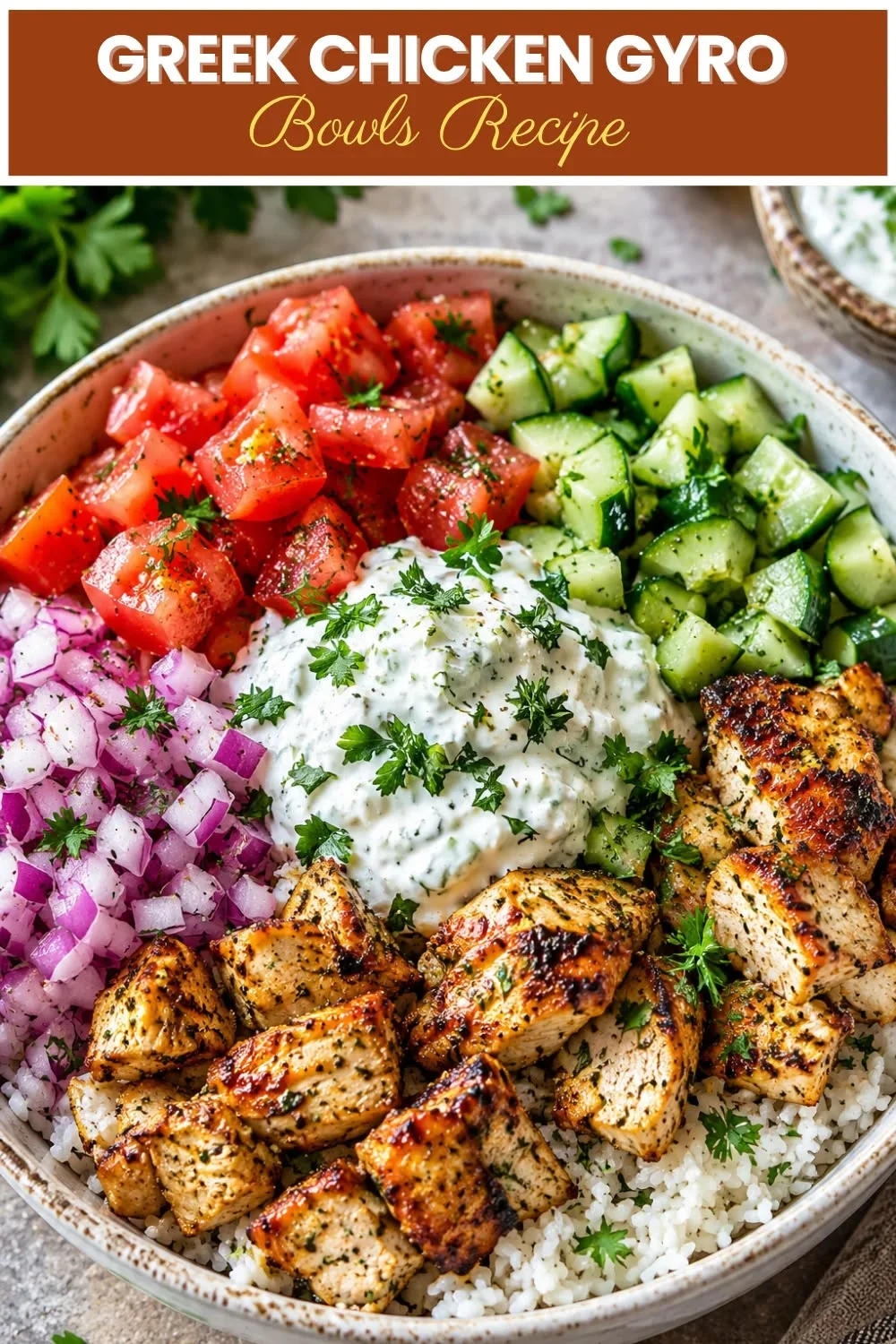
If you have been searching for a weeknight dinner that feels like a restaurant meal but comes together in under 30 minutes, these Grilled Greek Chicken Gyro Bowls are exactly what you need. Packed with bold Mediterranean flavors, tender marinated chicken, creamy tzatziki, and fresh vegetables, this dish brings the best of a classic gyro into a satisfying, nourishing bowl format.
This post covers everything you need to know, from the history of the gyro to step-by-step instructions, meal prep strategies, ingredient health benefits, and storage tips. Whether you are cooking for one or prepping for the whole week, this recipe has you covered.
You will also find substitution ideas, dietary variations, and answers to the most common questions so you can make this dish your own. Let’s get into it.
Table of Contents
Personal Note
The first time I had a proper gyro was at a small street stall in Athens during a summer trip years ago. The smell of the spit-roasted meat, the warmth of the flatbread, and that cold, garlicky tzatziki hitting every bite at once – it was one of those food memories that never leaves you.
When I started cooking Mediterranean food at home, I wanted to capture those same flavors but in a format that worked for busy weeknights and meal prep. The gyro bowl was the answer. All the flavor, none of the fuss.
What I love most about Mediterranean cooking is how the ingredients work together so naturally. Fresh herbs, olive oil, lemon, and simple spices do all the heavy lifting. This recipe is a perfect example of that philosophy in action.
Origins of the Dish
The gyro is one of the most iconic dishes in Greek cuisine, and its roots stretch back centuries. The word “gyro” comes from the Greek word “gyros,” meaning “turn” or “revolution,” a direct reference to the vertical rotisserie on which the meat is cooked. This cooking method itself has ancient Middle Eastern origins and was adapted throughout the Ottoman Empire before becoming a staple of Greek street food culture.
The modern gyro as we know it became popularized in Greece during the 20th century, particularly after World War II when döner kebab techniques spread westward. Greek cooks adapted these methods using local spices like oregano, garlic, and lemon, and began serving the meat in warm pita bread with tomatoes, onions, and tzatziki. It quickly became one of the country’s most beloved fast foods.
Chicken gyros specifically gained popularity as a lighter alternative to the traditional pork or lamb versions. Marinated in a blend of Greek yogurt, olive oil, lemon juice, garlic, and dried herbs, chicken gyros offer a tender, juicy result that reflects the broader principles of the Mediterranean diet – fresh ingredients, healthy fats, lean proteins, and bold natural flavors.
The gyro bowl format is a modern, home-cook adaptation that keeps all the traditional flavors intact while making the dish easier to assemble and customize. Rather than wrapping everything in pita, you layer the components in a bowl over a base of grains or greens. This approach aligns beautifully with Mediterranean meal prep culture, where wholesome ingredients are cooked in batches and assembled freshly throughout the week.
Why You’ll Love This Recipe
These Grilled Greek Chicken Gyro Bowls check every box for a weeknight dinner or meal prep staple. Here is why this recipe is going to become a regular in your rotation.
- Ready in about 30 minutes – Quick marinating and fast grilling mean dinner is on the table fast, even on the busiest nights.
- Packed with authentic Greek flavor – The marinade uses classic Mediterranean spices that deliver bold, restaurant-quality taste.
- High in protein – Chicken thighs or breasts give you a lean, satisfying protein source that keeps you full for hours.
- Completely customizable – Swap the base, change the toppings, or adjust the spice level to match your preferences.
- Meal prep friendly – Everything stores well separately, making it ideal for grab-and-go lunches or quick dinners throughout the week.
- Naturally gluten-free – Skip the pita and this dish is completely gluten-free without any substitutions needed.
- Family approved – The mild but flavorful marinade works for kids and adults alike.
- Nutrient dense – Fresh vegetables, lean protein, healthy fats from olive oil, and fiber from whole grains make this a truly balanced meal.
- Budget friendly – Chicken thighs are affordable, and most of the other ingredients are pantry staples you likely already have.
- No special equipment needed – A grill pan, outdoor grill, or even a cast iron skillet works perfectly for this recipe.
Health Benefits and Ingredient Highlights
Every ingredient in these Grilled Greek Chicken Gyro Bowls serves a purpose. The Mediterranean diet is one of the most researched and praised dietary patterns in the world, and this dish is a textbook example of its principles in action.
Chicken Thighs or Breasts
Chicken is one of the most versatile and widely consumed lean proteins in the world. A single serving provides around 25 to 30 grams of protein, which supports muscle repair, satiety, and overall metabolic health.
Chicken thighs contain slightly more fat than breasts, but that fat is mostly unsaturated and contributes to a juicier, more flavorful result when grilled. For anyone following a Mediterranean eating pattern, chicken thighs are an excellent choice because they don’t dry out during cooking and they absorb marinades beautifully.
Extra Virgin Olive Oil
Extra virgin olive oil is the cornerstone of the Mediterranean diet, and for good reason. It is rich in oleocanthal, a natural anti-inflammatory compound, and monounsaturated fats that support cardiovascular health and help lower LDL cholesterol levels.
In this recipe, olive oil is used in the marinade to help carry fat-soluble spices into the chicken and create a beautiful char on the grill. It also adds a rich, slightly peppery depth of flavor that is distinctly Mediterranean.
Greek Yogurt
Greek yogurt serves a dual role in this dish – it appears in the chicken marinade and in the tzatziki sauce. As a marinade ingredient, its natural lactic acid acts as a tenderizer, breaking down the muscle fibers in the chicken and creating an exceptionally juicy result.
Nutritionally, Greek yogurt is a powerhouse. It delivers around 15 to 17 grams of protein per half-cup serving, along with calcium, probiotics, and B vitamins. The probiotics in live-culture Greek yogurt support gut health, which is a key pillar of the Mediterranean approach to wellness.
Garlic
Garlic is one of the most studied ingredients in nutritional medicine. It contains allicin, a sulfur compound that has demonstrated antibacterial, antiviral, and cardiovascular protective properties in numerous studies.
In Mediterranean cooking, garlic is not just medicine – it is flavor. It forms the base of countless sauces, marinades, and dressings throughout Greek, Turkish, Lebanese, and Italian cuisines. Fresh garlic in both the marinade and tzatziki gives this dish its signature bold, savory character.
Lemon Juice
Fresh lemon juice is used generously in this recipe, both in the marinade and as a finishing touch. Beyond its bright, acidic flavor, lemon juice is rich in vitamin C, which supports immune function and helps the body absorb non-heme iron from plant-based foods in the bowl.
Lemon also acts as a natural tenderizer and brightener. It lifts the entire dish, cutting through the richness of the olive oil and yogurt and keeping every bite feeling fresh and vibrant.
Cucumber
Cucumber is a hydrating, low-calorie vegetable that adds crunch and freshness to the bowl. It is about 95% water by weight, making it excellent for hydration, particularly in warm-weather meals.
Cucumber also contains small amounts of vitamin K, which plays a role in bone health and blood clotting. Its mild flavor pairs perfectly with the tangy tzatziki and spiced chicken, providing a cooling contrast.
Cherry Tomatoes
Cherry tomatoes bring color, natural sweetness, and nutrition to these gyro bowls. They are rich in lycopene, a powerful antioxidant that has been linked to reduced risk of certain chronic diseases, particularly those related to cardiovascular health.
Tomatoes are also a good source of vitamin C, potassium, and folate. Because lycopene is fat-soluble, it is actually better absorbed when eaten alongside olive oil – which makes Mediterranean dishes like this one uniquely beneficial from a nutritional standpoint.
Dried Oregano
Dried Greek oregano is one of the defining spices of Hellenic cuisine. It contains rosmarinic acid and other polyphenols that have demonstrated antioxidant and anti-inflammatory effects.
Beyond the nutrition, oregano’s earthy, slightly bitter flavor is essential to the authentic gyro taste. Greek oregano in particular is more aromatic and intense than the Italian variety, so if you can find it, it makes a noticeable difference.
Feta Cheese
Feta cheese is a traditional Greek cheese made from sheep’s milk or a blend of sheep and goat’s milk. It is a good source of calcium and phosphorus, two minerals critical for bone density and strength.
Feta is also lower in calories and fat than many other cheeses while delivering a punchy, salty flavor that elevates every component of the bowl. A small amount goes a long way, which is exactly the Mediterranean approach to using cheese – for flavor, not bulk.
Ingredients
This recipe serves 4 people. All quantities are listed below with substitution notes where relevant.
For the Chicken Marinade:
- 1.5 lbs (680g) boneless, skinless chicken thighs (or chicken breasts for a leaner option)
- 3 tablespoons extra virgin olive oil
- 3 tablespoons plain full-fat Greek yogurt
- 3 cloves garlic, minced (or 1 teaspoon garlic powder)
- Juice of 1 large lemon (about 3 tablespoons)
- 1.5 teaspoons dried Greek oregano (or Italian oregano)
- 1 teaspoon ground cumin
- 1 teaspoon smoked paprika
- 0.5 teaspoon ground coriander
- 0.5 teaspoon onion powder
- 0.5 teaspoon kosher salt
- 0.25 teaspoon black pepper
- Pinch of cayenne pepper (optional, for heat)
For the Tzatziki Sauce:
- 1 cup (240g) plain full-fat Greek yogurt
- 0.5 medium cucumber, grated and squeezed dry
- 2 cloves garlic, minced
- 1 tablespoon extra virgin olive oil
- 1 tablespoon fresh lemon juice
- 1 tablespoon fresh dill, chopped (or 1 teaspoon dried dill)
- Salt and pepper to taste
For the Bowl Base:
- 2 cups cooked brown rice or white rice (or cauliflower rice for a low-carb option)
- 2 cups cooked quinoa (can substitute all rice or use a 50/50 blend)
- 2 cups baby spinach or chopped romaine lettuce (optional green base)
For the Toppings and Assembly:
- 1 cup cherry tomatoes, halved
- 1 medium cucumber, diced
- 0.5 red onion, thinly sliced
- 0.5 cup Kalamata olives, pitted and halved
- 0.5 cup crumbled feta cheese (or dairy-free feta for a vegan-adjacent option)
- Fresh parsley or dill, chopped, for garnish
- Lemon wedges for serving
- Warm pita bread, torn (optional, for serving alongside)
Step-by-Step Instructions
Follow these steps for perfectly grilled, flavorful Grilled Greek Chicken Gyro Bowls every time. This method works on an outdoor grill, a grill pan, or a cast iron skillet.
- Make the marinade. In a large bowl, whisk together the olive oil, Greek yogurt, minced garlic, lemon juice, oregano, cumin, paprika, coriander, onion powder, salt, pepper, and cayenne if using. Mix until everything is fully combined and the marinade looks creamy and uniform.
- Marinate the chicken. Add the chicken thighs to the bowl and toss to coat them thoroughly. Cover the bowl with plastic wrap or transfer everything to a zip-lock bag. Marinate in the refrigerator for at least 20 minutes, though 2 to 8 hours will deliver the best flavor and tenderness.
- Prepare the tzatziki. While the chicken marinates, grate the cucumber and place it in a clean kitchen towel. Squeeze out as much liquid as possible – this step is essential to avoid a watery sauce. Combine the squeezed cucumber with Greek yogurt, garlic, olive oil, lemon juice, and dill. Season with salt and pepper, then cover and refrigerate until ready to serve.
- Cook your grain base. If you haven’t already, cook your rice, quinoa, or grain blend according to package instructions. Season lightly with salt and a small drizzle of olive oil once cooked. Keep warm until ready to assemble.
- Preheat your grill or grill pan. Heat an outdoor grill or grill pan over medium-high heat. Lightly brush the cooking surface with olive oil to prevent sticking. You want the surface to be very hot before the chicken goes on – this is what creates those beautiful grill marks and seals in the juices.
- Grill the chicken. Remove the chicken from the marinade and shake off any excess. Place the thighs on the hot grill and cook for 5 to 6 minutes on the first side without moving them. This allows a proper sear to develop. Flip and cook for another 4 to 5 minutes until the internal temperature reaches 165°F (74°C).
- Rest the chicken. Transfer the grilled chicken to a clean cutting board and let it rest for 5 minutes before slicing. Resting allows the juices to redistribute throughout the meat, keeping every slice moist and flavorful. Do not skip this step.
- Slice the chicken. Once rested, slice the chicken against the grain into thin strips or bite-sized pieces. Slicing against the grain shortens the muscle fibers and makes each piece easier to chew. The result should be juicy, well-seasoned, golden-brown pieces of chicken.
- Prep your toppings. While the chicken rests, halve the cherry tomatoes, dice the cucumber, slice the red onion thinly, and halve the Kalamata olives. Set each topping in a small bowl or arrange them on a large board for easy assembly. Crumble the feta cheese and chop any fresh herbs.
- Assemble the bowls. Start with a generous scoop of your grain base in the bottom of each bowl. Add a handful of greens if using. Pile the sliced grilled chicken on one side, then arrange the tomatoes, cucumber, red onion, and olives around it. Spoon the tzatziki generously over the chicken and grain base. Finish with crumbled feta, fresh herbs, and a squeeze of lemon. Serve immediately with optional warm pita on the side.
Make It Ahead and Batch Prep Guide
These Grilled Greek Chicken Gyro Bowls are one of the best recipes you can add to your weekly meal prep rotation. The components store independently, which means you can cook once and eat well for the next four to five days without the food ever feeling stale or repetitive.
Start by grilling a double or triple batch of chicken on Sunday. Store the sliced chicken in an airtight container in the refrigerator for up to four days. You can use it in these bowls, stuff it into wraps, toss it over a salad, or pair it with roasted vegetables for an entirely different meal. The marinade’s bold flavors mean the chicken tastes great cold, warm, or at room temperature.
Cook a large pot of brown rice or quinoa at the same time and portion it into containers. The tzatziki keeps well in the fridge for up to three days – just give it a stir before serving. Chop and store your dry toppings like cucumber, red onion, and olives separately in small containers or divided sections of a larger meal prep box. Keep the tomatoes separate to prevent them from making everything soggy.
When it’s time to eat, all you need to do is pull everything out, assemble your bowl, and add the tzatziki. The whole process takes about three minutes, which is a huge win on a busy weeknight. If you’re prepping for lunches, consider using wide-mouth mason jars – they layer beautifully and are easy to pack. Mediterranean Meal Prep for the Week
Common Mistakes to Avoid
Even a simple recipe like this one has a few pitfalls. Avoid these common errors to get the best results every time.
- Skipping the marinade time. While 20 minutes is the minimum, the flavor and texture are noticeably better with a longer marinate of at least 2 hours. The Greek yogurt needs time to tenderize the chicken properly.
- Not squeezing the cucumber for tzatziki. If you skip this step, your tzatziki will be watery and thin within minutes. Always squeeze the grated cucumber thoroughly in a towel before mixing it into the yogurt.
- Grilling cold chicken straight from the fridge. Let the chicken sit at room temperature for about 10 to 15 minutes before grilling. Cold chicken hitting a hot grill cooks unevenly, leaving you with dry edges and an undercooked center.
- Moving the chicken too soon on the grill. Resist the urge to flip early. If you try to move the chicken and it’s sticking, it’s not ready. When it releases cleanly from the grill surface, that’s your cue to flip.
- Skipping the resting step. Cutting into chicken immediately after it comes off the grill releases all its juices onto the cutting board. Resting for five minutes locks those juices back in and makes every bite more succulent.
- Using dried dill instead of fresh for tzatziki. Dried dill works in a pinch, but fresh dill gives tzatziki a brightness and herbaceousness that dried simply can’t replicate. If you can find it, always go fresh for the sauce.
Notes, Tips and Variations
Substitutions
If you don’t have chicken thighs, chicken breasts work well but require a little more attention to avoid overcooking. Pound them to an even thickness before marinating so they cook evenly on the grill. You can also use shrimp or salmon in place of chicken for a different take on Mediterranean bowl flavors.
For the grain base, brown rice and quinoa are great defaults but feel free to use farro, orzo, or even a simple bed of shredded romaine for a fully grain-free option. Couscous is also a traditional Mediterranean grain that works beautifully here and cooks in just five minutes.
If you don’t have Greek yogurt, a strained plain yogurt works for both the marinade and the tzatziki. Avoid low-fat or fat-free yogurt for the tzatziki – the full-fat version gives you a creamier, richer sauce that holds up better over time.
Dietary Variations
To make this recipe dairy-free, replace the Greek yogurt in the marinade with full-fat coconut yogurt or a plain oat-based yogurt. For the tzatziki, use a thick coconut or cashew-based dairy-free yogurt. The texture and tanginess will be slightly different but still delicious.
For a low-carb or keto-friendly version, swap the grain base for cauliflower rice or a large bed of greens. The chicken, tzatziki, and all the vegetable toppings are naturally low in carbohydrates. Skip the pita on the side and you have a dish that fits cleanly within low-carb guidelines while still delivering all the Mediterranean flavor.
To make this vegetarian, replace the chicken with grilled halloumi cheese, roasted chickpeas seasoned with the same spice blend, or baked falafel. All three options pair beautifully with tzatziki and the other bowl components. Roasted Chickpea Mediterranean Bowls
Cooking Tips
For the most authentic gyro flavor, use a combination of cumin, coriander, and paprika in your marinade alongside oregano. This blend mirrors the complex spice profile of traditional gyro meat much more closely than oregano alone.
If you don’t have an outdoor grill or grill pan, a heavy cast iron skillet on the stovetop works very well. Heat it over high heat, add a small amount of olive oil, and cook the chicken exactly as you would on a grill. You will still get excellent caramelization and a great sear.
Always use a meat thermometer to check doneness. The safe internal temperature for chicken is 165°F (74°C). For chicken thighs specifically, the meat remains juicy and safe even a few degrees above that, but breasts can dry out quickly if overcooked.
Topping Ideas and Flavor Boosters
One of the best things about gyro bowls is how much you can customize them. Here are some excellent topping ideas and flavor boosters to try beyond the base recipe.
- Pickled red onions – Tangy, colorful, and they add a vinegary contrast that cuts through the richness of the chicken and tzatziki beautifully.
- Hummus – A scoop of classic or roasted red pepper hummus adds creaminess, plant-based protein, and another layer of Mediterranean flavor.
- Roasted red peppers – Sweet, slightly smoky, and incredibly easy to use from a jar. They add color and depth to every bowl.
- Sun-dried tomatoes – Intensely flavored and chewy, sun-dried tomatoes are a great way to add concentrated sweetness and umami.
- Pepperoncini – These mild pickled peppers are a classic Greek salad component and they bring the perfect amount of tangy heat.
- Toasted pine nuts or slivered almonds – For crunch, nuttiness, and healthy fats that complement the olive oil in the marinade.
- Fresh mint leaves – Mint is a classic Mediterranean herb that pairs surprisingly well with both the chicken and the tzatziki.
- Pomegranate seeds – Sweet, jewel-like bursts of flavor that add a beautiful visual element and a pop of antioxidant-rich sweetness.
- Drizzle of hot sauce or harissa – If you like heat, a small spoonful of harissa paste or a few dashes of your favorite hot sauce brings a North African twist to the bowl.
- Lemon zest – A tiny bit of lemon zest sprinkled over the finished bowl adds an aromatic citrus punch that makes everything taste brighter.
- Capers – Tiny, briny, and intensely savory, capers echo the saltiness of the olives and feta while adding their own distinct character.
- Tahini drizzle – A simple drizzle of tahini thinned with lemon juice and water adds a nutty, sesame richness that pairs wonderfully with all the other flavors.
Who This Recipe Is For
These Grilled Greek Chicken Gyro Bowls genuinely work for a wide range of people and lifestyles. Here is a quick look at who this recipe is built for.
- Meal preppers – If you batch cook on Sundays and want delicious, ready-to-go meals all week, this is one of the best recipes to add to your rotation.
- Busy parents – Quick to assemble, kid-friendly in flavor, and customizable enough that picky eaters can build their own bowl exactly the way they like it.
- Fitness and health enthusiasts – High protein, balanced macros, and genuinely nourishing ingredients make this a great post-workout or everyday performance meal.
- Mediterranean diet followers – This dish perfectly aligns with the core principles of the Mediterranean lifestyle, using olive oil, lean protein, fresh produce, and whole grains.
- Gluten-free eaters – The base recipe is completely gluten-free without any swaps needed, making it a stress-free choice for anyone with gluten sensitivity or celiac disease.
- People who love Greek food – If you love ordering gyros or Greek salads at restaurants, this is the homemade, more nutritious version you can make any night of the week.
- Anyone trying to eat less processed food – Every single ingredient in this recipe is whole and minimally processed. It’s real food, simply prepared.
- Low-carb and keto eaters – Swap the grain base for cauliflower rice or greens and this dish fits comfortably into a low-carb eating plan.
Storage and Meal Prep Tips
Refrigerator
Store each component of the gyro bowl separately in airtight containers in the refrigerator. The grilled chicken keeps well for up to 4 days. The tzatziki stays fresh for up to 3 days, but give it a good stir before using as some liquid may separate on the surface.
Cooked grains like rice or quinoa last up to 5 days in the fridge. Keep fresh vegetable toppings like cucumber, tomatoes, and red onion in separate small containers to maintain their texture and prevent cross-contamination of moisture. Assemble your bowls just before eating for the best experience.
Freezer
The grilled chicken freezes exceptionally well. Let it cool completely, then store it in a single layer in a freezer-safe bag or container for up to 3 months. The cooked rice or quinoa also freezes well and can be reheated directly from frozen in the microwave.
Do not freeze the tzatziki, as the yogurt will become grainy and watery once thawed. The fresh vegetable toppings should not be frozen either. When you are ready to eat a frozen meal, thaw the chicken overnight in the refrigerator and make fresh tzatziki and toppings the day of.
Reheating
To reheat the grilled chicken, you have several options. The microwave works in a pinch – add a small splash of water or chicken broth to the container before microwaving to prevent drying out, and heat in 30-second intervals. For better results, reheat the sliced chicken in a dry or lightly oiled skillet over medium heat for 2 to 3 minutes.
Reheat grains in the microwave with a damp paper towel placed over the top of the container to trap steam. Stir halfway through. Always add your tzatziki and fresh toppings after reheating so they stay cold and crisp against the warm base components.
Nutrition Facts
The following nutrition estimates are based on one serving of the complete bowl (1/4 of the full recipe) using chicken thighs, brown rice, and all listed toppings. Values are approximate and will vary based on specific ingredients and portion sizes used.
| Nutrient | Per Serving |
|---|---|
| Calories | 520 kcal |
| Protein | 38g |
| Total Carbohydrates | 42g |
| Dietary Fiber | 5g |
| Total Fat | 20g |
| Saturated Fat | 5g |
| Sugar | 6g |
| Sodium | 680mg |
This recipe is a genuinely balanced meal that meets macronutrient targets for most active adults. The high protein content and moderate healthy fat from olive oil and feta make it satisfying and blood-sugar friendly.
FAQs
Can I use chicken breasts instead of thighs?
Yes, absolutely. Chicken breasts work well in this recipe but require slightly more careful cooking to prevent drying out. Pound them to an even thickness of about 3/4 inch before marinating, and check for doneness at the 5-minute mark on each side. The Greek yogurt in the marinade helps keep breasts moist even when cooked at high heat.
How long should I marinate the chicken?
The minimum effective marinating time is 20 minutes, which will give you good flavor on the surface of the chicken. For the best depth of flavor and the most tender texture, marinate for 2 to 8 hours in the refrigerator. You can also marinate overnight, but avoid going beyond 24 hours as the acidic lemon juice can begin to break down the texture too aggressively.
Can I make this recipe without a grill?
Yes. A grill pan or heavy cast iron skillet on the stovetop produces excellent results. Heat the pan over high heat until it is very hot, then add a thin coating of olive oil. Cook the chicken exactly as described in the instructions, pressing it gently with a spatula to ensure good contact with the pan surface. You will get a beautiful sear and deep caramelization even without an outdoor grill.
How do I keep the tzatziki from getting watery?
The key is to thoroughly squeeze all the liquid out of your grated cucumber before adding it to the yogurt. Place the grated cucumber in a clean kitchen towel or several layers of paper towel and squeeze firmly over the sink. You will be surprised how much water comes out. Using full-fat Greek yogurt also helps maintain a thick, creamy consistency.
Is this recipe suitable for the Mediterranean diet?
These Grilled Greek Chicken Gyro Bowls are an ideal Mediterranean diet recipe. The dish features extra virgin olive oil as the primary fat, lean protein from chicken, abundant fresh vegetables, whole grains, legume-based additions like hummus, and fermented dairy from Greek yogurt. It reflects virtually every core principle of the traditional Mediterranean way of eating and is a great everyday meal for anyone following this dietary pattern. Mediterranean Diet Meal Prep Beginner’s Guide
Conclusion
These Grilled Greek Chicken Gyro Bowls are the kind of recipe that earns a permanent spot in your weekly meal plan. They are fast enough for a Tuesday night, impressive enough for guests, and practical enough to meal prep for the entire week. With bold Mediterranean spices, tender grilled chicken, cool and creamy tzatziki, and all the fresh toppings you love from a classic gyro, every bowl is a complete, satisfying meal.
The best part is how versatile this recipe is. Once you master the base, you can swap ingredients, try new toppings, adjust the spice level, and make it work for whatever dietary needs you are cooking for. It’s a true Mediterranean meal prep workhorse that never gets boring.
Give this recipe a try this week and let it remind you how effortless and delicious healthy, Mediterranean-inspired cooking can be. If you make it, we’d love to hear how it turned out in the comments below. Share your bowl photos, your favorite topping combinations, and any variations you discovered along the way.