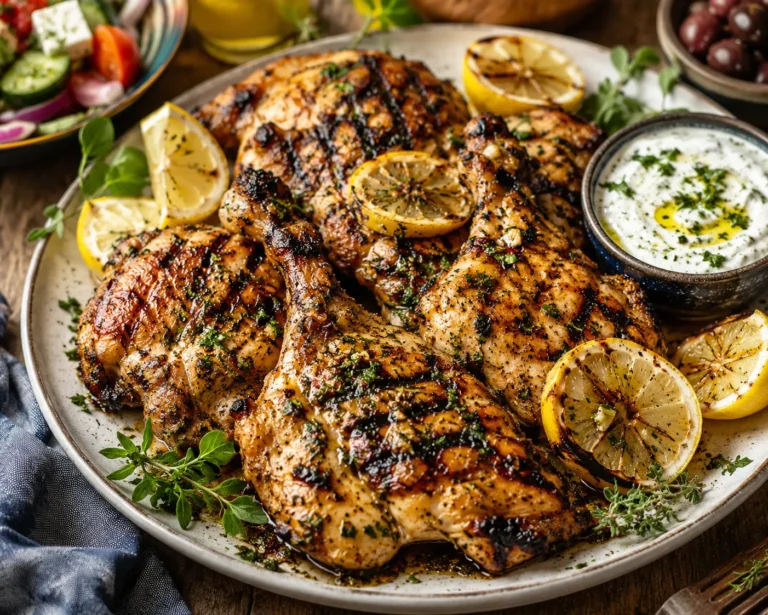
THE BEST N°1 Greek Chicken Souvlaki Bowl with Creamy Tzatziki – Easy Mediterranean Dinner Recipe
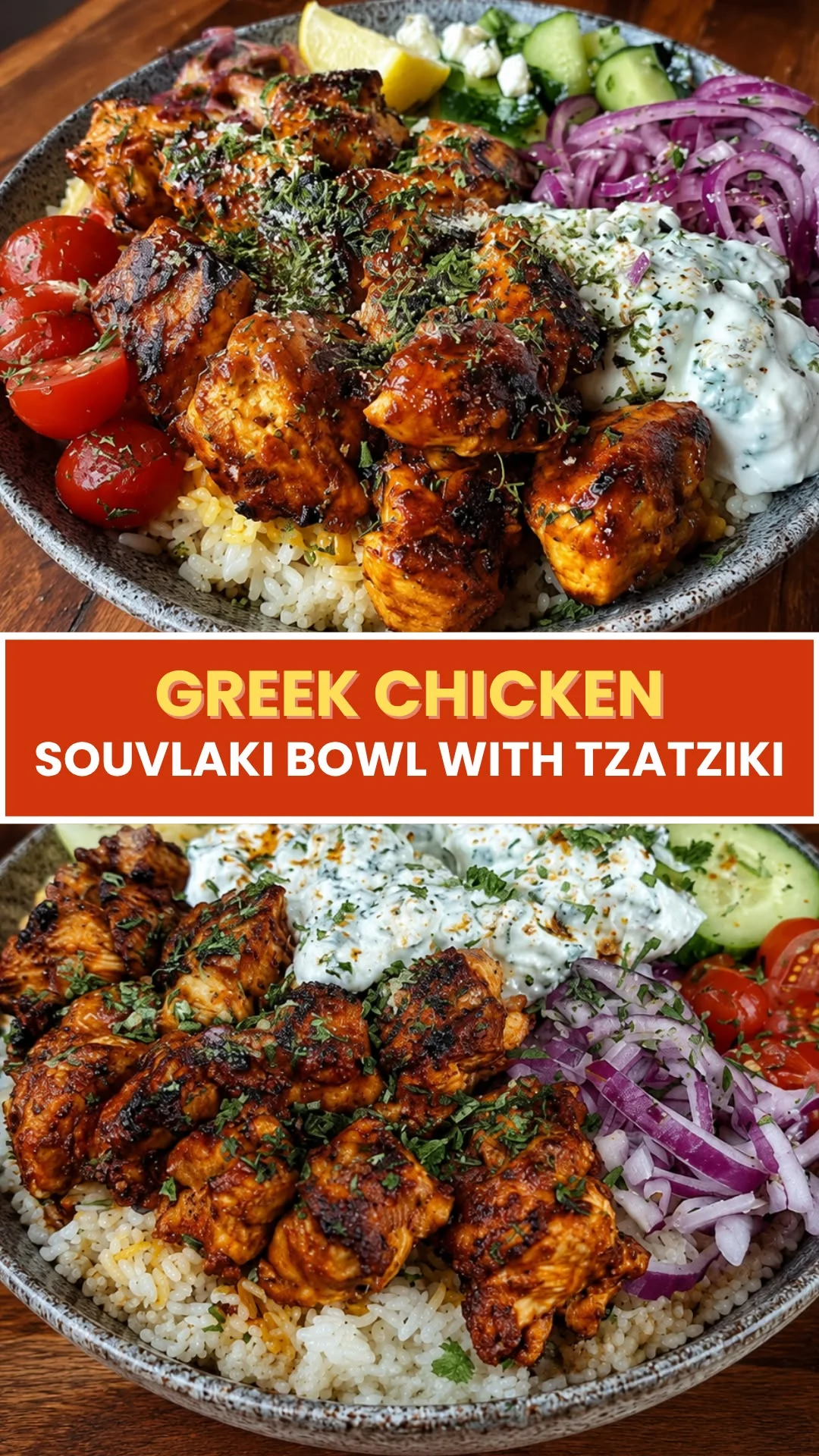
If you are looking for a meal that is fresh, satisfying, and deeply rooted in real Mediterranean cooking tradition, this Greek Chicken Souvlaki Bowl with Creamy Tzatziki is exactly what you need on your dinner table tonight. It brings together juicy marinated chicken, crisp vegetables, fluffy grains, and a cool, garlicky tzatziki sauce in one beautifully layered bowl that feels both nourishing and indulgent at the same time.
In this post, you will find everything you need to make this recipe from scratch, including the full marinade breakdown, step-by-step cooking instructions, batch prep guidance, and expert tips to avoid common mistakes. Whether you are new to Mediterranean cooking or a seasoned home chef, this guide has you covered.
You will also get a detailed look at the health benefits of each ingredient, make-ahead strategies for busy weeknights, storage instructions, and a full nutrition breakdown. By the end of this post, you will have a go-to recipe you will want to cook on repeat.
Table of Contents
Personal Note
The first time I made a proper Greek Chicken Souvlaki Bowl at home, I was trying to recreate a meal I had eaten at a tiny family-run taverna in Athens. The chicken had been cooked over an open flame, the tzatziki was made fresh that morning, and the whole plate tasted like it had been built with genuine care. I knew I had to bring that experience into my own kitchen.
Mediterranean food has always felt deeply personal to me because it is not just about ingredients, it is about a philosophy of eating. You use real food, you take time to season well, and you eat with people you love. That taverna meal stuck with me for years, and this recipe is my honest attempt to honor it.
What I love most about this bowl format is how practical it is for real life. You can prep components ahead, mix and match toppings, and still put something genuinely delicious on the table in under an hour. It has become one of the most-requested recipes in my weekly rotation, and I am excited to share every detail with you here.
Origins of the Dish
Souvlaki is one of the most iconic dishes in Greek cuisine, with roots that stretch back thousands of years. The word itself comes from the Greek “souvla,” meaning skewer or spit, and references to skewered grilled meat appear in ancient Greek texts including the works of Aristotle and Homer. In ancient Greece, small skewers of meat were cooked over coals at public events, festivals, and markets, making souvlaki one of the earliest forms of street food in the Western world.
Traditionally, souvlaki was made with pork, though chicken, lamb, and beef versions became popular over time. The meat was marinated in a simple mixture of olive oil, lemon juice, oregano, and garlic before being threaded onto skewers and grilled over charcoal. This technique concentrated the natural flavors of the meat while the marinade added brightness and depth. The dish was typically served with pita bread, sliced tomatoes, onions, and a generous dollop of tzatziki on the side.
Tzatziki itself has its own rich history rooted in the broader Eastern Mediterranean and Middle Eastern culinary tradition. The word is derived from the Turkish “cacık,” which in turn traces back to a Persian yogurt sauce. As Greek cuisine evolved over centuries of cultural exchange, tzatziki became a distinctly Greek preparation, built on strained yogurt, shredded cucumber, garlic, dill, and a splash of olive oil. It is cooling, tangy, and creamy in a way that balances the smoky char of grilled meat perfectly.
The modern “bowl” format is a contemporary adaptation that honors these traditional flavors while making the dish more versatile and meal-prep friendly. Instead of a pita wrap, you build your souvlaki components over a base of grains or greens, layering textures and nutrients in one container. This bowl approach aligns beautifully with the broader Mediterranean diet philosophy, which emphasizes whole grains, lean proteins, healthy fats, and abundant vegetables at every meal. It is tradition meeting practicality in the most delicious way possible.
Why You’ll Love This Recipe
This Greek Chicken Souvlaki Bowl is the kind of recipe that earns a permanent spot in your weekly rotation after just one try. It checks every box for a satisfying, nutritious, and genuinely enjoyable meal.
- Big, bold Mediterranean flavors – The lemon-oregano marinade and garlic tzatziki deliver restaurant-quality taste without any complicated techniques.
- High in protein – Each serving delivers substantial protein from chicken and Greek yogurt, keeping you full and energized for hours.
- Genuinely quick on weeknights – With a short marinade time and simple assembly, you can have dinner on the table in under 45 minutes.
- Perfect for meal prep – Every component stores beautifully, making this ideal for batch cooking and grab-and-go lunches throughout the week.
- Flexible and customizable – Swap the grain base, change the toppings, or adjust the spice level to suit your household perfectly.
- Family friendly – The mild but flavorful seasoning appeals to adults and children alike, making this a reliable crowd-pleaser.
- Whole food ingredients only – There are no processed components or mystery ingredients, just real food you can feel good about eating.
- Naturally gluten-free adaptable – Swap the grain base to rice or cauliflower rice and the entire bowl is easily made gluten-free.
- Visually stunning – The vibrant colors of fresh tomatoes, cucumber, red onion, and golden chicken make this bowl as beautiful as it is delicious.
- Supports a Mediterranean lifestyle – Every ingredient in this bowl reflects the core principles of Mediterranean eating: olive oil, lean protein, vegetables, legumes, and herbs.
Health Benefits and Ingredient Highlights
One of the things that makes Mediterranean cooking so enduringly popular is the way it combines incredible flavor with genuinely nourishing ingredients. Every component in this Greek Chicken Souvlaki Bowl serves a purpose beyond just tasting good. Here is a closer look at what you are actually putting in your body.
Chicken Breast or Thighs
Chicken is one of the most versatile and widely consumed lean proteins in the Mediterranean diet. Chicken breast in particular is low in saturated fat and delivers a significant amount of complete protein per serving, which supports muscle repair, immune function, and long-lasting satiety. When you use chicken thighs, you get a slightly higher fat content that contributes richer flavor and stays juicier on the grill.
The marinade you use here also matters. Marinating chicken in lemon juice and olive oil does more than add flavor, it actually helps break down muscle fibers, resulting in more tender meat. The acidity from lemon juice also adds a bright note that lifts the entire bowl. This combination of lean protein and smart preparation is a cornerstone of Mediterranean cooking.
Extra Virgin Olive Oil
Extra virgin olive oil is the backbone of Mediterranean cuisine and one of the most extensively studied foods in the world when it comes to cardiovascular health. It is rich in monounsaturated fatty acids, particularly oleic acid, which has been shown to support healthy cholesterol levels and reduce markers of inflammation. Polyphenols in high-quality extra virgin olive oil act as antioxidants in the body, offering protection against oxidative stress.
Beyond its health profile, olive oil is what gives this marinade its silky texture and helps the spices cling to the chicken evenly. Using a good quality extra virgin olive oil makes a noticeable difference in the final taste of the dish. It is an ingredient worth investing in, and a little goes a long way.
Greek Yogurt for Tzatziki
Full-fat Greek yogurt is the base of an authentic creamy tzatziki, and it brings significant nutritional value to this bowl. Greek yogurt is strained to remove excess whey, which concentrates its protein content dramatically compared to regular yogurt. A single serving can provide 15 to 20 grams of protein, along with calcium, phosphorus, and beneficial probiotic bacteria that support gut health.
The probiotics in Greek yogurt are particularly aligned with Mediterranean eating principles, which have always emphasized fermented dairy as part of a balanced diet. The live cultures in yogurt help maintain a healthy microbiome, which research continues to link to everything from immune function to mood regulation. This is not just a sauce, it is a functional food you are building into every serving.
Cucumber
Cucumber appears in this recipe twice, once in the tzatziki and once as a fresh topping for the bowl. It is one of the most hydrating vegetables you can eat, composed of over 95% water, and it contributes a satisfying crunch without adding significant calories. Cucumber also contains small amounts of vitamin K, potassium, and magnesium, all of which support bone health and electrolyte balance.
In the tzatziki, cucumber is grated and squeezed to remove excess moisture, which is a critical step that prevents the sauce from becoming watery. This technique also concentrates the cucumber flavor slightly, making it more present in the final sauce. As a bowl topping, cucumber adds a refreshing contrast to the warm chicken and rich tzatziki.
Lemon Juice
Fresh lemon juice is a non-negotiable ingredient in both the chicken marinade and the tzatziki. Lemons are a primary source of vitamin C, a potent antioxidant that supports immune health, collagen synthesis, and iron absorption. The bright acidity of lemon juice also acts as a natural flavor enhancer, making other ingredients taste more vivid and complete without requiring additional salt.
In Mediterranean cooking, lemon is used with a generosity that might surprise cooks from other traditions. It is squeezed over grilled meats, stirred into sauces, and used to dress salads and grains alike. This liberal use of lemon is one of the reasons Mediterranean food tastes so alive and fresh. Always use freshly squeezed juice rather than bottled for the best results.
Garlic
Garlic is used in both the marinade and the tzatziki, and for good reason. It is one of the most well-documented functional foods in the world, with research supporting its role in cardiovascular health, immune support, and anti-inflammatory function. The active compound allicin, which forms when garlic is crushed or minced, is responsible for much of its health-promoting activity.
In terms of flavor, garlic is what gives this entire recipe its savory backbone. It mellows and sweetens when cooked into the chicken, and it stays sharp and pungent in the raw tzatziki. Using it in both preparations creates a layered garlic presence throughout the bowl that is deeply satisfying without being overwhelming.
Fresh Herbs – Oregano and Dill
Dried oregano in the marinade and fresh dill in the tzatziki are the herbal signatures of this dish. Oregano is one of the most antioxidant-rich herbs available, with a higher antioxidant capacity than many fruits and vegetables. It also contains compounds like carvacrol and thymol that have demonstrated antimicrobial properties in research settings. Using it generously in your marinade is both a flavor decision and a nutritional one.
Fresh dill brings a delicate, slightly anise-like flavor to the tzatziki that cannot be replicated by dried dill. It also contributes vitamins A and C, along with flavonoids that have antioxidant effects. Together, these two herbs define the herbal character of Greek cooking and make this bowl taste unmistakably authentic.
Whole Grain Base – Brown Rice or Farro
The grain base in a souvlaki bowl does more than provide substance, it plays a central nutritional role. Brown rice is a whole grain rich in fiber, B vitamins, and magnesium. It digests more slowly than refined grains, leading to more stable blood sugar levels and sustained energy. Farro is another excellent choice with an even higher fiber and protein content and a pleasantly nutty, chewy texture that pairs beautifully with bold Mediterranean flavors.
Both options reflect the Mediterranean dietary pattern, which has always placed whole grains at the foundation of daily eating. The grain base absorbs the juices from the chicken and the drizzle of tzatziki, pulling the entire bowl together into one cohesive, deeply satisfying meal. You can also use quinoa for added protein or cauliflower rice if you are keeping carbohydrates lower.
Ingredients
These quantities serve 4 people generously. All ingredients are easy to find at any grocery store.
For the Chicken Marinade:
- 1.5 lbs (680g) boneless skinless chicken thighs or chicken breasts (thighs stay juicier on the grill)
- 3 tablespoons extra virgin olive oil
- 3 tablespoons fresh lemon juice (about 1.5 lemons)
- 4 cloves garlic, minced (or 1 teaspoon garlic powder in a pinch)
- 2 teaspoons dried oregano
- 1 teaspoon smoked paprika
- 1 teaspoon ground cumin
- 1/2 teaspoon onion powder
- 1/2 teaspoon kosher salt
- 1/4 teaspoon black pepper
For the Creamy Tzatziki:
- 1 cup full-fat Greek yogurt (sub 2% for a lighter version)
- 1 medium cucumber, grated and squeezed dry (English cucumber preferred)
- 2 cloves garlic, finely minced or grated
- 1.5 tablespoons fresh lemon juice
- 1 tablespoon extra virgin olive oil
- 2 tablespoons fresh dill, finely chopped (or 1 teaspoon dried dill)
- Salt to taste
For the Bowl Base:
- 2 cups dry brown rice or farro, cooked according to package directions (sub cauliflower rice for low-carb)
- 1 tablespoon olive oil and a pinch of salt to season the cooked grain
For the Fresh Toppings:
- 1 cup cherry tomatoes, halved
- 1 medium cucumber, diced
- 1/2 small red onion, thinly sliced
- 1/2 cup kalamata olives, pitted (optional but highly recommended)
- 1/2 cup crumbled feta cheese (omit for dairy-free)
- Fresh parsley or dill for garnish
- Lemon wedges for serving
Step-by-Step Instructions
Follow these steps in order and you will have a complete Greek Chicken Souvlaki Bowl with Creamy Tzatziki on the table with minimal stress. Read through the instructions once before you begin so nothing catches you off guard.
- Make the marinade. In a large bowl or zip-lock bag, combine the olive oil, lemon juice, minced garlic, dried oregano, smoked paprika, cumin, onion powder, salt, and black pepper. Whisk or shake until everything is evenly combined into a smooth, fragrant marinade.
- Marinate the chicken. Add the chicken thighs or breasts to the marinade and toss well to coat every piece thoroughly. Cover and refrigerate for at least 30 minutes, or up to 8 hours for deeper flavor. Do not marinate longer than 8 hours as the lemon juice will begin to break down the texture of the meat.
- Cook the grain base. While the chicken marinates, cook your brown rice or farro according to package directions. Once cooked, fluff with a fork, drizzle with a tablespoon of olive oil, and season with a pinch of salt. Set aside and keep warm.
- Make the tzatziki. Grate the cucumber on the large holes of a box grater and place the shreds in a clean kitchen towel or paper towels. Squeeze firmly to remove as much liquid as possible, this step is critical for a thick, creamy sauce. In a bowl, combine the squeezed cucumber with Greek yogurt, minced garlic, lemon juice, olive oil, and fresh dill. Stir well, taste, and adjust salt as needed. Cover and refrigerate until ready to serve.
- Prep your toppings. Halve the cherry tomatoes, dice the cucumber, thinly slice the red onion, and crumble the feta cheese. Arrange all toppings in small bowls or on a board so assembly is quick and easy. You can do this step up to 4 hours ahead and store everything covered in the fridge.
- Grill or cook the chicken. Heat a grill, grill pan, or large skillet over medium-high heat. Brush with a little olive oil to prevent sticking. Remove the chicken from the marinade and shake off any excess. Cook chicken thighs for 5 to 6 minutes per side, or chicken breasts for 6 to 7 minutes per side, until the internal temperature reaches 165°F (74°C). Do not press down on the chicken while it cooks, as this releases moisture and reduces juiciness.
- Rest the chicken. Transfer the cooked chicken to a cutting board and let it rest for 5 full minutes before slicing. This allows the juices to redistribute throughout the meat, keeping every slice moist and tender. Skipping this step is one of the most common mistakes home cooks make with grilled chicken.
- Slice the chicken. Once rested, slice the chicken against the grain into strips or bite-sized chunks, whichever you prefer for your bowls. If you marinated the chicken on skewers, this is also the moment to slide the pieces off before slicing.
- Assemble the bowls. Start with a generous base of warm seasoned grain in each bowl. Arrange the sliced chicken on one side of the bowl. Add the tomatoes, cucumber, red onion, kalamata olives, and crumbled feta in sections around the bowl for a visually appealing presentation.
- Add the tzatziki and serve. Spoon a generous dollop of creamy tzatziki over the chicken and toppings. Add a lemon wedge on the side for extra brightness, garnish with fresh parsley or dill, and serve immediately while the chicken is still warm. A light drizzle of extra virgin olive oil over the top is entirely optional but highly recommended.
Make It Ahead and Batch Prep Guide
This Greek Chicken Souvlaki Bowl is genuinely one of the best recipes you can batch cook for the week. Every single component stores well separately, which means you can prepare everything on Sunday and enjoy fresh, flavorful bowls every day through Friday without any extra cooking time during the week.
Start by doubling or tripling the chicken marinade and preparing a large batch of chicken all at once. Cooked, sliced souvlaki chicken keeps beautifully in the refrigerator for up to 4 days and can also be frozen in individual portions for up to 3 months. Cook a big pot of brown rice or farro at the same time since it refrigerates well for 5 days and reheats in 90 seconds in the microwave with a splash of water to restore moisture.
The tzatziki is another make-ahead success. In fact, it tastes better after sitting in the fridge for a few hours because the garlic mellows and the flavors meld together. Make a full batch and store it in an airtight container for up to 4 days. Stir before serving as some liquid separation is completely normal and expected. The fresh vegetable toppings are best prepped the night before or the morning of serving, as they tend to soften slightly if cut too far in advance.
For the most efficient batch prep strategy, use this simple approach: store the grain, chicken, tzatziki, and toppings in separate containers and assemble each bowl fresh at mealtime. This keeps textures at their best and allows you to customize each bowl for different family members. You can also pre-portion everything into individual meal prep containers for grab-and-go lunches, just keep the tzatziki in a small separate cup to add at eating time to prevent the grain from getting soggy. Mediterranean meal prep guide for the week
Common Mistakes to Avoid
- Not squeezing the cucumber for tzatziki. This is the single most important technique step in the entire recipe. If you skip squeezing out the moisture from the grated cucumber, your tzatziki will become a thin, watery pool within 20 minutes. Use a clean towel and wring it firmly until the cucumber feels almost dry to the touch.
- Marinating the chicken too long. While marinating overnight sounds like it would add more flavor, lemon juice is acidic and begins to denature the proteins in chicken after about 8 hours. The result is a mushy, mealy texture that no amount of heat can fix. Stick to 30 minutes minimum and 8 hours maximum for the best texture.
- Cooking cold chicken straight from the fridge. Taking chicken directly from the refrigerator to a hot pan leads to uneven cooking, where the outside browns and dries out before the center reaches safe temperature. Let the marinated chicken sit at room temperature for 15 to 20 minutes before cooking for more even results.
- Skipping the resting period after cooking. Resting cooked chicken for 5 minutes before slicing is not optional, it is essential. Cutting into the chicken immediately after cooking causes the juices to run out onto the cutting board instead of staying in the meat where they belong.
- Using dried dill instead of fresh in the tzatziki. Dried dill has a flat, dusty flavor that does not replicate the bright, grassy character of fresh dill in tzatziki. If fresh dill is truly unavailable, you can use a small amount of dried, but fresh is always the better choice here and the flavor difference is significant.
- Assembling bowls too far ahead without separating components. Layering all the bowl components together and leaving them in the fridge for several hours causes the grain to absorb the tzatziki and toppings to soften and release water, creating a soggy, unappetizing result. Always store components separately and assemble right before eating for the best experience.
Notes, Tips and Variations
Substitutions
You can swap chicken for boneless lamb shoulder or beef sirloin cut into chunks, both of which work beautifully with this marinade and are more traditional in classic Greek souvlaki preparations. For a plant-based version, firm tofu or halloumi cheese cut into cubes and marinated in the same mixture delivers excellent results on the grill. If you do not have Greek yogurt for the tzatziki, labneh, which is strained yogurt cheese common in Middle Eastern cooking, makes a wonderful and equally authentic substitute.
Farro can be swapped for pearled barley, freekeh, or bulgur wheat for equally nutritious and flavorful grain bases. Each grain has its own unique texture and slightly different cook time, so follow the package instructions. For a completely grain-free option, a base of baby spinach or chopped romaine adds freshness and crunch while keeping the bowl light and filling at the same time.
Dietary Variations
To make this recipe dairy-free, use a thick coconut yogurt or a cashew-based yogurt as the tzatziki base and simply omit the feta cheese from the toppings. The tzatziki will be slightly less tangy but still creamy and delicious with the cucumber, garlic, and dill. Add a splash of apple cider vinegar to the yogurt to compensate for the reduced tang.
For a lower-carb version, swap the grain base for cauliflower rice or a simple salad base of shredded romaine and arugula. The protein and fat from the chicken and tzatziki will keep you well satisfied. If you are following a gluten-free diet, ensure your grain base is certified gluten-free or opt for rice, quinoa, or millet, all of which are naturally gluten-free. Gluten-free Mediterranean bowl recipes
Cooking Tips
A cast iron grill pan on the stovetop will give you the closest result to outdoor grilling if you do not have access to a barbecue. Get the pan very hot before adding the chicken and do not move the pieces around once they are placed, as this is what creates the beautiful char marks and sear that give souvlaki its signature flavor. A hot pan and patience are your two best tools here.
If you prefer to use the oven, you can bake the marinated chicken on a foil-lined sheet pan at 425°F (220°C) for 20 to 25 minutes, flipping once halfway through. For the last 3 to 4 minutes, switch to the broiler setting to get a little caramelization and color on the outside. This is a great option when you are cooking a large batch for meal prep and need to cook multiple portions at once.
Topping Ideas and Flavor Boosters
One of the great joys of a bowl format is how endlessly customizable it is. Here are some of the best toppings and flavor additions to elevate your Greek Chicken Souvlaki Bowl even further:
- Roasted red peppers – Jarred or freshly roasted, they add a sweet, smoky depth that pairs beautifully with the lemon-herb chicken.
- Hummus – A generous scoop of classic hummus adds creaminess, plant-based protein, and a nutty tahini undertone that complements the tzatziki perfectly.
- Pickled red onions – Quick-pickled in red wine vinegar and salt, these add a tangy, jewel-toned topping that cuts through the richness of the chicken and sauce.
- Stuffed grape leaves (dolmades) – A classic Greek addition that turns the bowl into a more substantial spread.
- Sun-dried tomatoes in oil – Intensely savory and slightly chewy, they add concentrated tomato flavor that fresh tomatoes simply cannot match.
- Tabbouleh – A small scoop of fresh herb and bulgur tabbouleh adds a bright, parsley-heavy counterpoint to the richer elements of the bowl.
- Za’atar seasoning sprinkled over the top – This Middle Eastern herb blend of thyme, sesame, sumac, and oregano adds an aromatic, earthy layer that elevates the whole dish.
- Warm pita triangles on the side – Perfect for scooping up the tzatziki and toppings when you want a more traditional souvlaki-style eating experience.
- Sliced avocado – While not traditionally Greek, avocado adds creamy healthy fat and a buttery texture that works surprisingly well with the bold Mediterranean flavors.
- Crispy chickpeas – Roasted in olive oil and spiced with cumin and paprika, these add a crunchy, protein-rich topping that makes the bowl even more satisfying.
- Fresh mint leaves – A small handful of torn fresh mint brightens the entire bowl and adds an aromatic freshness that works beautifully with the dill in the tzatziki.
Who This Recipe Is For
This Greek Chicken Souvlaki Bowl with Creamy Tzatziki is genuinely versatile, designed to work for a wide range of home cooks and eating lifestyles. Here is exactly who will love this recipe:
- Busy weeknight cooks who need a satisfying dinner on the table in under 45 minutes without sacrificing flavor or nutrition.
- Meal preppers who batch cook on weekends and want a recipe whose components stay fresh and delicious throughout the entire week.
- Mediterranean diet followers looking for a recipe that truly aligns with the whole-food, olive-oil-rich, lean-protein principles of this way of eating.
- Fitness enthusiasts and athletes who need a high-protein, nutrient-dense meal that supports recovery and sustained energy.
- Families with kids who want a crowd-pleasing dinner where different family members can customize their own bowls with their preferred toppings.
- People new to Mediterranean cooking who want a beginner-friendly entry point into this cuisine with easy-to-find ingredients and clear, confidence-building instructions.
- Anyone reducing processed foods from their diet who wants a whole-food, flavor-forward alternative to take-out or packaged meals.
- Entertaining home cooks who want to impress guests with a stunning, restaurant-quality bowl meal that can be partially prepared in advance.
Storage and Meal Prep Tips
Refrigerator
Store all components separately in airtight containers for the best results. Cooked chicken keeps in the refrigerator for up to 4 days. The tzatziki stays fresh for up to 4 days and should be stirred before each serving since a little liquid separation is natural. The cooked grain base will keep for up to 5 days, and the fresh vegetable toppings are best used within 2 to 3 days of cutting.
Label each container with the date it was made to stay organized, especially if you are batch prepping for the week. Store the feta cheese separately in a small container to prevent it from breaking down into the other components. This simple system allows you to pull together a fresh, vibrant bowl in under 5 minutes on any busy weeknight. how to store Mediterranean meal prep efficiently
Freezer
The cooked souvlaki chicken freezes exceptionally well. Allow it to cool completely, then portion it into freezer-safe containers or zip-lock bags. Press out as much air as possible before sealing. Frozen chicken will keep for up to 3 months. Cooked farro and brown rice also freeze well in individual portions and can go straight from freezer to microwave for a 3-minute reheat.
The tzatziki and fresh vegetable toppings do not freeze well due to their high water content. The yogurt in tzatziki will separate and become grainy upon thawing, and fresh vegetables lose their texture entirely. Plan to make these fresh each week. The good news is they both take less than 10 minutes to prepare, so they are easy to replenish even when you are relying on your freezer stash for the protein and grain.
Reheating
Reheat the chicken and grain together in the microwave for 90 seconds to 2 minutes with a small splash of water to prevent drying out, or reheat in a covered skillet over medium heat with a drizzle of olive oil for 3 to 4 minutes. The grain may also be reheated in boiling water like pasta if you prefer that method. Always add the tzatziki and fresh toppings after reheating, never before, as heating yogurt-based sauces causes them to break and curdle.
If you are reheating from frozen, thaw the chicken overnight in the refrigerator rather than using the microwave directly, as this produces much better texture. The grain can go straight from freezer to microwave with a tablespoon of water and a 3-minute heat on medium power. A quick squeeze of fresh lemon over everything after reheating goes a long way toward reviving the bright, fresh flavors of the dish.
Nutrition Facts
Nutrition is estimated per serving based on the full recipe divided into 4 portions, including chicken, grain base, tzatziki, and standard toppings. Values may vary slightly based on specific ingredient brands and portion sizes.
| Nutrient | Per Serving |
|---|---|
| Calories | 520 kcal |
| Protein | 42g |
| Total Carbohydrates | 38g |
| Dietary Fiber | 5g |
| Total Fat | 20g |
| Saturated Fat | 5g |
| Sugar | 4g |
| Sodium | 610mg |
This bowl is high in protein, moderate in healthy fats from olive oil and feta, and provides a solid serving of complex carbohydrates from the whole grain base. The fiber content supports digestive health and satiety, making this an excellent choice for both weight management and overall wellbeing within a Mediterranean eating pattern.
FAQs
Can I use chicken breasts instead of chicken thighs for souvlaki?
Yes, absolutely. Chicken breasts work well in this recipe and produce a leaner final dish. However, thighs are the preferred cut for souvlaki because their higher fat content makes them much more forgiving on the grill, staying juicy and tender even if cooked slightly longer than intended. If you use chicken breasts, be especially careful not to overcook them and always use a meat thermometer to pull them off the heat the moment they reach 165°F (74°C).
How long should I marinate the chicken for the best flavor?
For the best balance of flavor and texture, marinate the chicken for at least 30 minutes and no longer than 8 hours. A 2 to 4 hour marinade hits the sweet spot where the flavors have fully penetrated the meat without the lemon juice beginning to break down the muscle fibers. If you are in a real hurry, even 15 minutes at room temperature will add noticeable flavor compared to unmarinated chicken, so do not skip this step entirely.
Can I make tzatziki without fresh dill?
Yes, though the flavor will be noticeably different. If fresh dill is unavailable, you can substitute 1 teaspoon of dried dill for every 2 tablespoons of fresh, though the result is less vibrant. Fresh mint is also a wonderful substitute that creates a slightly different but equally delicious version of the sauce. Some Greek cooks also use finely chopped fresh parsley in place of dill for a more herbaceous, less anise-forward tzatziki.
Is this recipe suitable for the Mediterranean diet?
This Greek Chicken Souvlaki Bowl is an excellent example of Mediterranean diet eating. It features lean protein from chicken, healthy fats from extra virgin olive oil and feta, probiotic-rich Greek yogurt, abundant fresh vegetables, and a whole grain base. Every component aligns with the foundational principles of the Mediterranean dietary pattern as defined by nutritional researchers, including high consumption of plant foods, moderate lean protein, liberal use of olive oil, and minimal processed ingredients.
Can I make this recipe vegetarian or vegan?
You can absolutely make a delicious vegetarian version of this bowl by swapping the chicken for grilled halloumi, marinated and grilled portobello mushrooms, or firm tofu pressed and marinated in the same lemon-herb mixture. For a vegan version, use firm tofu or crispy chickpeas as the protein, replace the Greek yogurt in the tzatziki with a thick coconut or cashew yogurt, and omit the feta cheese. The bowl will still be incredibly flavorful and satisfying while being fully plant-based.
Conclusion
This Greek Chicken Souvlaki Bowl with Creamy Tzatziki is everything a great Mediterranean recipe should be: simple to prepare, deeply flavorful, nourishing from the inside out, and genuinely enjoyable to eat. From the fragrant lemon-oregano marinade and perfectly grilled chicken to the cool, garlicky tzatziki and vibrant fresh toppings, every element of this bowl has been chosen with care and purpose. It is the kind of meal that feels like a treat while also being exactly what your body needs.
Whether you are making it fresh on a Tuesday night for your family or batch prepping five portions for a week of satisfying lunches, this recipe delivers every single time. The flexible format means you can adapt it endlessly to match your pantry, your dietary goals, and your personal taste preferences without ever losing the essential character of the dish. Once you make it, you will understand why Greek souvlaki has endured as a beloved meal for thousands of years.
Now it is your turn. Gather your ingredients, mix up that marinade, and bring a little piece of the Greek Mediterranean into your kitchen tonight. If you try this recipe, leave a comment below and let me know how it went, I read every single one and would love to hear what you think. And if you are looking for more Mediterranean meal prep inspiration, explore the rest of the site for recipes that make healthy eating genuinely delicious all week long.