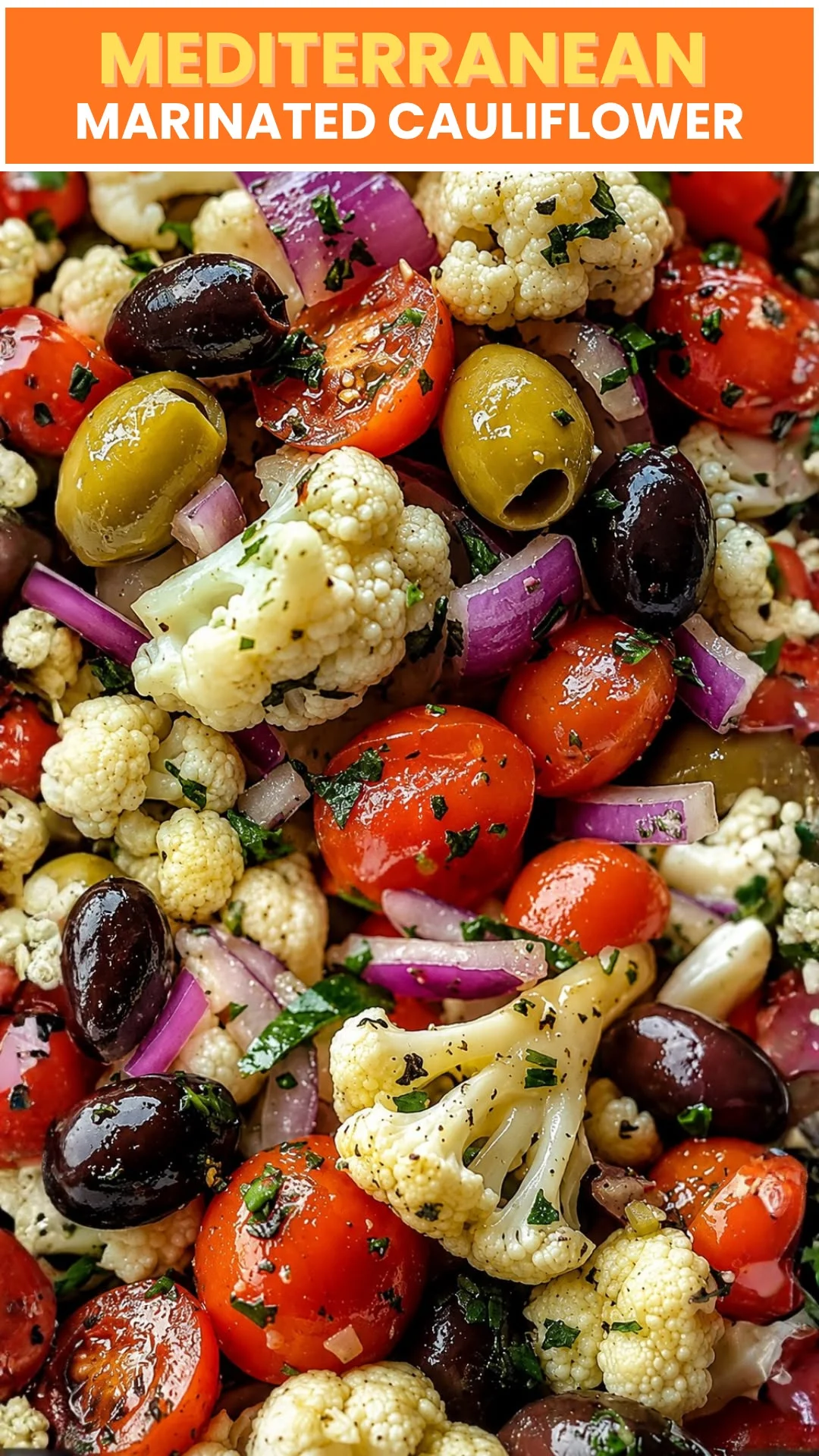
THE BEST N°1 Mediterranean Marinated Cauliflower Salad (Fresh, Healthy & Completely Addictive!)
If you have ever been looking for a salad that is bold, fresh, and practically impossible to stop eating, this Mediterranean marinated cauliflower salad is exactly what you need. It combines tender cauliflower florets with bright herbs, tangy lemon, briny olives, and a deeply flavored olive oil marinade that soaks into every bite. This is not a boring vegetable side dish – this is a showstopper.
In this post, you will learn how to make this salad from scratch, understand why each ingredient works so well together, and discover how to batch prep it for the entire week. Whether you are new to Mediterranean cooking or a seasoned meal prepper, this recipe will earn a permanent spot in your rotation.
We will cover everything from the history of marinated vegetables in Mediterranean cuisine, to storage tips, flavor variations, and a full nutrition breakdown. Get ready to fall in love with cauliflower all over again.
Table of Contents
Personal Note
The first time I made a marinated cauliflower salad, I was honestly skeptical. Cauliflower always seemed like the quiet, under-seasoned vegetable that needed to be hidden behind something more exciting. But then I let it sit overnight in a good olive oil and lemon marinade with fresh herbs, and everything changed.
Mediterranean cooking has a way of transforming humble, everyday vegetables into something extraordinary. That is the philosophy behind so much of what comes out of countries like Greece, Italy, Lebanon, and Morocco – simple ingredients, treated with patience and respect, become dishes that feel deeply satisfying and alive.
This salad has become one of my weekly meal prep staples. I make a big batch on Sunday and it gets better with every passing day in the fridge. It reminds me that healthy eating does not have to be plain – it just has to be done right.
Origins of the Dish
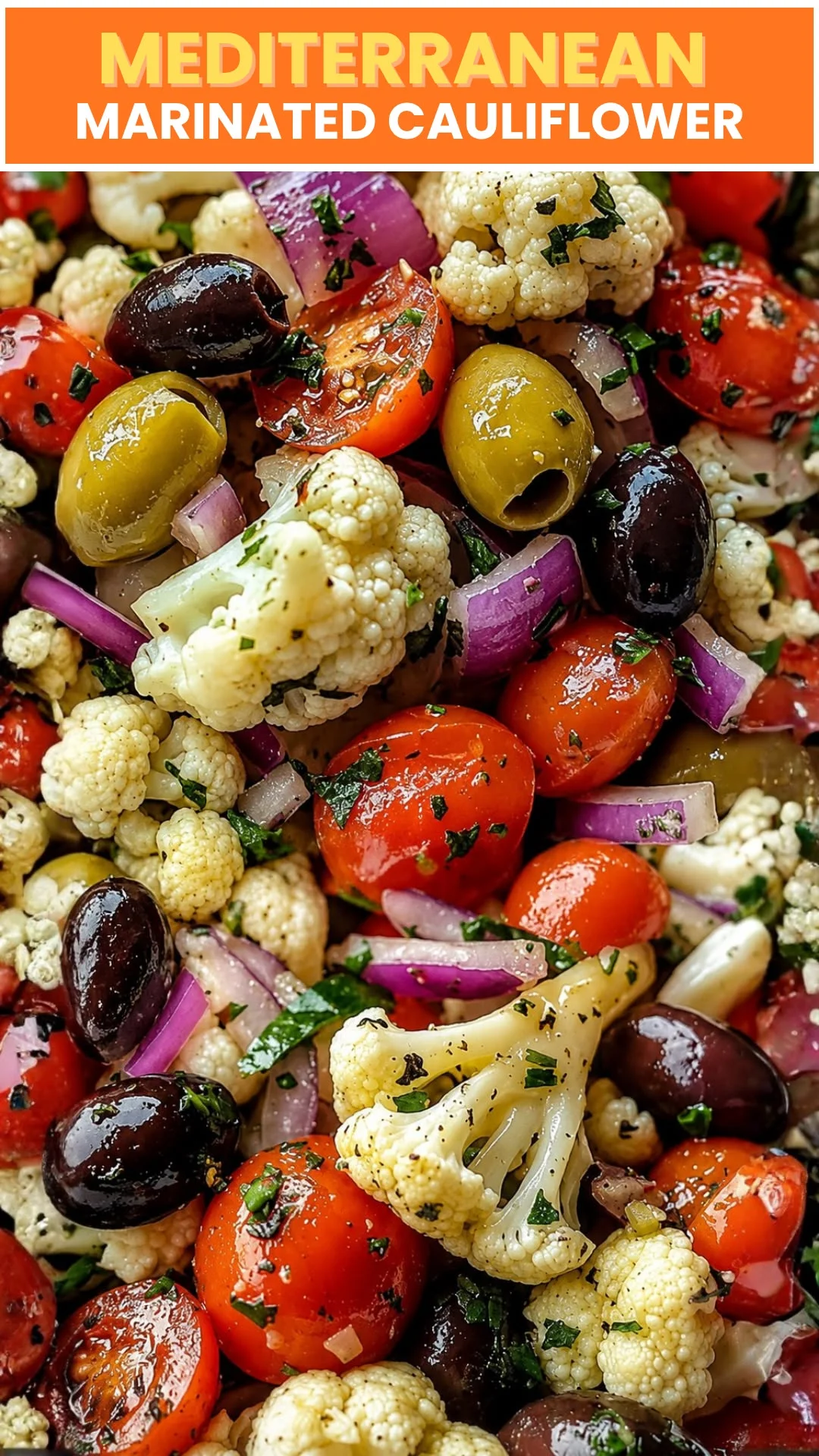
Marinating vegetables is one of the oldest and most central techniques in Mediterranean cooking. Long before refrigerators or modern preservation methods existed, cooks across the Mediterranean basin discovered that submerging vegetables in acidic mixtures of vinegar, lemon juice, and olive oil could both preserve them and dramatically improve their flavor. This technique is deeply woven into the culinary traditions of Greece, Lebanon, Italy, Tunisia, and beyond.
Cauliflower itself has a long history in Mediterranean agriculture. It is believed to have been cultivated in the Eastern Mediterranean, particularly in the region of present-day Turkey and the Levant, as far back as the 6th century BCE. By the time of the Roman Empire, cauliflower was a well-regarded vegetable used in everything from roasted preparations to brined salads. Arab traders helped spread cauliflower cultivation across North Africa and into southern Europe during the Middle Ages, cementing its role in Mediterranean diets for centuries.
The concept of a marinated vegetable salad – what Italians call “insalata marinata” and what appears across the Arab world as “salata mutabbal” or various regional equivalents – is built on a core Mediterranean idea: let the ingredients do the work. The marinade is not a shortcut. It is the entire point. Acid breaks down the cellular structure of the vegetable slightly, allowing olive oil, garlic, herbs, and spices to penetrate deeply and create a layered, complex flavor that no amount of quick-dressing can replicate.
In Greece, you will find versions of marinated cauliflower served as part of a mezze spread alongside hummus, olives, and pita bread. In Southern Italy, cauliflower salads dressed with capers, anchovies, and red wine vinegar have been staples of cucina povera – the humble, resourceful cooking of working-class communities – for generations. This Mediterranean marinated cauliflower salad draws from all of these traditions at once, honoring the history of a cooking philosophy built on simplicity, freshness, and time.
Why You’ll Love This Recipe
This is not just another vegetable salad. This Mediterranean marinated cauliflower salad hits every note you want – brightness, depth, texture, and freshness – all in one bowl. Here is exactly why it deserves a spot in your weekly meal prep lineup.
- It gets better with time. Unlike most salads that wilt after an hour, this one actually improves in the fridge after 24-48 hours as the marinade deepens in flavor.
- Completely plant-based. Every single ingredient is naturally vegan, making it a perfect dish for plant-forward Mediterranean eating without any modifications needed.
- Packed with nutrition. Cauliflower, olive oil, lemon, garlic, and fresh herbs deliver fiber, healthy fats, antioxidants, and vitamins in one dish.
- Ready in under 30 minutes. The prep is simple and fast. The marinade does all the heavy lifting while you go about your day.
- Incredibly versatile. Serve it as a side dish, stuff it into a pita wrap, pile it on top of grains, or use it as a mezze spread addition.
- No special equipment needed. Just a pot, a bowl, and a jar or whisk for the marinade. No fancy tools required.
- Naturally gluten-free and dairy-free. This recipe fits a wide variety of dietary needs without any swaps or substitutions.
- Budget-friendly. Cauliflower is affordable year-round, and the pantry staples in the marinade are already in most Mediterranean kitchens.
- Great for meal prep containers. This salad stores beautifully in mason jars or airtight containers, making it one of the most practical batch prep recipes you can make.
- Crowd-pleasing and shareable. Whether you are bringing it to a potluck, serving it at a dinner party, or prepping your weekly lunches, this salad impresses every single time.
Health Benefits and Ingredient Highlights
Mediterranean cooking is celebrated around the world not just for its flavor, but for its association with long life and vibrant health. Every ingredient in this salad plays a specific and meaningful role – both in flavor and in your body. Here is a closer look at what makes this dish a nutritional powerhouse.
Cauliflower
Cauliflower is one of the most nutrient-dense vegetables in the Mediterranean produce world. It is rich in vitamin C, vitamin K, folate, and a class of phytochemicals called glucosinolates, which have been studied extensively for their role in supporting cellular health and reducing oxidative stress in the body.
One cup of raw cauliflower contains just 25 calories but delivers nearly 80% of your daily recommended vitamin C. It is also a good source of dietary fiber, which supports healthy digestion and helps you feel full and satisfied for longer periods – something that makes this salad an excellent choice for weight-conscious Mediterranean eating.
Cauliflower also contains choline, a nutrient critical for brain health and liver function. It is one of those rare vegetables that manages to be simultaneously low in carbohydrates, high in fiber, and rich in micronutrients – a combination that makes it ideal for any health-focused meal prep plan.
Extra Virgin Olive Oil
Extra virgin olive oil (EVOO) is the cornerstone fat of the Mediterranean diet, and for good reason. It is loaded with monounsaturated fatty acids, particularly oleic acid, which research consistently links to reduced inflammation and improved cardiovascular health markers. The polyphenols in high-quality EVOO also act as powerful antioxidants.
In a marinated salad like this one, olive oil does double duty – it carries fat-soluble flavor compounds from garlic and herbs into the cauliflower, and it provides a rich, silky mouthfeel that ties the whole dish together. Do not substitute a lower-quality oil here. The flavor difference is significant, and so is the nutritional impact.
Olive oil also helps your body absorb fat-soluble vitamins like vitamins A, D, E, and K from the other vegetables and herbs in the dish. This is one reason why dressing salads with olive oil rather than low-fat alternatives is actually more nutritious, not less.
Lemon Juice
Fresh lemon juice is the acidic backbone of this marinade. Beyond its bright, clean flavor, lemon juice is rich in vitamin C and a range of flavonoids – plant compounds with antioxidant and anti-inflammatory properties. In Mediterranean cooking, lemon is used liberally as both a seasoning and a functional ingredient that brightens and balances every dish it touches.
The citric acid in lemon juice plays a key structural role in marinating. It begins to gently break down the outer cellular layer of the cauliflower, which allows the olive oil and herb flavors to penetrate more deeply over time. This is the science behind why marinated vegetables taste so much more complex and satisfying than freshly dressed ones.
Garlic
Garlic is arguably the most important aromatic in Mediterranean cooking, and it is used generously here. Raw garlic contains allicin, a sulfur compound that is activated when garlic is crushed or minced. Allicin has been shown in numerous studies to have antibacterial, antifungal, and anti-inflammatory properties.
In this marinated salad, raw garlic is the right choice rather than roasted or sauteed. The sharpness of raw garlic mellows beautifully as it marinates in the olive oil and lemon mixture, leaving a warm, pungent depth of flavor without being aggressively spicy. By the time you eat the salad the next day, the garlic will have transformed into something rich and almost sweet at the edges.
Fresh Herbs – Parsley and Mint
Fresh parsley is not just a garnish here – it is a central flavor player and a nutritional hero. Parsley is exceptionally high in vitamin K, which plays a critical role in bone health and blood clotting. It is also rich in vitamin A, vitamin C, and flavonoids like luteolin, which support immune function and reduce cellular inflammation.
Mint brings a cooling, aromatic dimension that is deeply characteristic of Levantine Mediterranean cooking. Used prominently in dishes like tabbouleh, fattoush, and countless yogurt sauces, mint adds a brightness that cuts through the richness of the olive oil and makes the salad feel incredibly fresh. Together, parsley and mint create an herbal complexity that elevates this dish far beyond a simple vegetable salad.
Kalamata Olives
Kalamata olives bring the briny, rich, deeply savory notes that are absolutely essential to the Mediterranean flavor profile. They are also a good source of heart-healthy monounsaturated fats, vitamin E, and iron. Their intense flavor means a small amount goes a long way in building the salad’s overall depth.
If you want to go deeper on olives and Mediterranean cooking, check out our post on Mediterranean Olive and Herb Grain Bowl for more ways to use this pantry staple throughout your meal prep week.
Capers
Capers are the tiny, brined flower buds of the Capparis spinosa plant, a shrub that grows wild across the Mediterranean basin. They deliver an intensely concentrated burst of salty, tangy, almost floral flavor that works beautifully alongside lemon and olives in this salad.
Nutritionally, capers are surprisingly impressive for their size. They are a good source of quercetin, a powerful antioxidant flavonoid, as well as rutin, a bioflavonoid that supports capillary health. Even a tablespoon adds meaningful plant compounds to your meal without adding significant calories.
Red Onion
Red onion adds a sharp, peppery bite and a satisfying crunch to this salad. It is also rich in quercetin and anthocyanins – the antioxidant pigments responsible for its deep purple color. These compounds are linked to reduced inflammation and improved heart health markers in multiple population studies.
Soaking red onion slices in cold water or lemon juice for 10 minutes before adding them to the salad removes some of the harsh raw bite while preserving the crunch and color. This is a small technique that makes a noticeable difference in the final dish.
Ingredients
This recipe makes 4-6 servings as a side dish, or 3-4 servings as a main meal prep component. All ingredients are easy to find at any grocery store.
- 1 large head of cauliflower, cut into small florets (about 6-7 cups – or use 2 bags of pre-cut florets)
- 1/3 cup extra virgin olive oil (use the best quality you have)
- 3 tablespoons fresh lemon juice (about 1.5 lemons – or substitute white wine vinegar)
- 1 tablespoon lemon zest (optional but highly recommended)
- 3 cloves garlic, finely minced (or 1/2 teaspoon garlic powder in a pinch)
- 1/2 red onion, very thinly sliced (or substitute 4 green onions, sliced)
- 1/2 cup Kalamata olives, pitted and halved (or substitute green olives)
- 2 tablespoons capers, drained and rinsed (optional but excellent)
- 1/2 cup cherry tomatoes, halved (or substitute 1 roasted red pepper, sliced)
- 1/2 cup fresh flat-leaf parsley, roughly chopped
- 2 tablespoons fresh mint, chopped (or substitute fresh basil)
- 1 teaspoon dried oregano (or use 1 tablespoon fresh oregano leaves)
- 1/2 teaspoon ground cumin (adds a warm, earthy depth)
- 1/4 teaspoon crushed red pepper flakes (adjust to your heat preference)
- Salt and black pepper to taste (start with 1/2 teaspoon kosher salt)
- Optional: 1/4 cup crumbled feta cheese for serving (omit for fully vegan version)
Step-by-Step Instructions
Follow these steps carefully and you will end up with a perfectly marinated Mediterranean cauliflower salad every single time. The key is not to rush the marinating time – patience is what makes this recipe exceptional.
- Prep the red onion first. Slice the red onion very thinly and place it in a small bowl. Cover with cold water and a squeeze of lemon juice and let it sit for at least 10 minutes. This removes the harsh raw bite and makes the onion much more pleasant in the final salad.
- Break down the cauliflower. Remove the outer leaves from the cauliflower head and cut it into small, bite-sized florets. Try to keep them roughly the same size so they blanch evenly. Rinse the florets well under cold water and pat them dry.
- Blanch the cauliflower. Bring a large pot of salted water to a boil. Add the cauliflower florets and cook for exactly 3-4 minutes – you want them tender-crisp, not soft. They should have a little bite left in the center when you taste one. Do not walk away; timing is critical here.
- Shock the cauliflower immediately. Drain the florets and immediately transfer them to a large bowl of ice water. Let them sit for 2-3 minutes until fully cooled. This stops the cooking process instantly and locks in their vibrant color and firm texture. Drain again thoroughly and pat dry with a clean kitchen towel.
- Make the marinade. In a small bowl or jar, whisk together the extra virgin olive oil, fresh lemon juice, lemon zest, minced garlic, dried oregano, ground cumin, crushed red pepper flakes, salt, and black pepper. Taste the marinade on a spoon and adjust seasoning – it should taste bold and bright, since it will be coating a lot of cauliflower.
- Combine everything in a large bowl. Add the dry cauliflower florets to a large mixing bowl. Drain the red onion from its soaking water and add it to the bowl along with the Kalamata olives, capers, cherry tomatoes, chopped parsley, and fresh mint.
- Pour the marinade over the salad. Pour all of the marinade over the cauliflower mixture and toss gently but thoroughly to coat everything well. Make sure every floret is touching the marinade. Use a large spoon or your clean hands to fold everything together.
- Let it marinate. Cover the bowl tightly with plastic wrap or a lid and refrigerate for at least 1 hour before serving. For the absolute best flavor, let it marinate overnight or for a full 24 hours. The longer it sits, the deeper and more complex the flavor becomes. This is the most important step – do not skip the resting time.
- Taste and adjust before serving. Before serving, give the salad a good toss and taste it again. The cauliflower will have absorbed a lot of the marinade, so you may want to add another squeeze of lemon juice or a small drizzle of fresh olive oil to refresh the flavors. Adjust salt and pepper as needed.
- Serve and finish. Transfer to a serving platter or individual bowls. If using feta cheese, crumble it over the top at this point. Finish with a final drizzle of olive oil and a sprinkle of fresh parsley. Serve at room temperature or cold directly from the fridge – both are delicious.
Make It Ahead and Batch Prep Guide
This Mediterranean marinated cauliflower salad was practically designed for batch cooking. Unlike green leaf salads that deteriorate within hours, this recipe holds up beautifully for 4-5 days in the fridge, which makes it one of the smartest things you can add to your Sunday meal prep routine.
To batch prep this salad for the week, double or triple the recipe using two large cauliflower heads. Keep everything stored together in one large airtight container or divide it between individual portion-sized jars or containers right away. If you know you want to serve some portions with feta, keep the feta on the side and add it fresh when you are ready to eat each serving. This prevents the cheese from getting too soft or salty over multiple days.
One smart batch prep trick is to add the fresh herbs – parsley and mint – in two stages. Toss half the herbs in with the marinade on day one so they fully infuse the salad. Then stir in the remaining fresh herbs right before serving throughout the week. This keeps the herbal brightness alive even on day four or five, when batch prepped salads can start to feel a little flat.
You can also use this salad as a base and build different meals around it throughout the week. On Monday, serve it as a side dish with grilled fish. On Wednesday, toss it with cooked farro or quinoa for a grain bowl. On Friday, stuff it into a whole wheat pita with hummus for a fast lunch. One batch, multiple meals – that is the Mediterranean meal prep mindset at its best. For more grain bowl ideas, check out our Mediterranean Grain Bowl with Roasted Vegetables for inspiration.
Common Mistakes to Avoid
Even a simple recipe like this one has a few pitfalls that can make a big difference in the final result. Avoid these common mistakes and your salad will come out perfectly every time.
- Overcooking the cauliflower. The most common mistake is cooking the cauliflower too long during blanching. Mushy cauliflower will completely fall apart when you toss it with the marinade, leaving you with a sad, soggy mess instead of a vibrant, textured salad. Three to four minutes in boiling water is the maximum – set a timer.
- Skipping the ice bath. If you skip the ice bath after blanching, your cauliflower will keep cooking from residual heat and turn soft before it even reaches your bowl. This step takes 2 minutes and makes all the difference in texture.
- Not drying the cauliflower before adding the marinade. Wet cauliflower will dilute your marinade with water, weakening the flavor and creating a watery, unappealing dressing. Always drain thoroughly and pat dry before adding to the mixing bowl.
- Using low-quality olive oil. This recipe is built around olive oil. If you use a bland, refined oil instead of a good extra virgin olive oil, the entire flavor foundation of the dish collapses. Spend a little more on a quality EVOO – it is worth every penny in a recipe like this.
- Not marinating long enough. Eating this salad the moment you make it means you are missing out on 70% of its potential flavor. The minimum is 1 hour, but overnight is truly ideal. Plan ahead and your patience will be rewarded.
- Adding feta into the batch too early. If you stir crumbled feta into the entire batch on day one, it will dissolve into the marinade over a few days, making the dressing cloudy and overly salty. Always add feta fresh to individual servings right before eating.
Notes, Tips and Variations
Substitutions
If you cannot find Kalamata olives, Castelvetrano or green Sicilian olives work beautifully and bring a slightly milder, buttery flavor to the salad. For the capers, pickled green peppercorns or finely chopped gherkins can stand in with a similar briny quality.
No fresh lemon? White wine vinegar works well as an acid substitute in the marinade, though fresh lemon juice and zest together give a brightness that is hard to fully replicate. Apple cider vinegar is a usable backup but adds a slightly sweeter, more fruity note that shifts the flavor profile toward something more tangy than Mediterranean.
If fresh parsley or mint are unavailable, fresh basil or fresh dill are excellent alternatives that still keep the dish feeling authentically Mediterranean. Dried herbs can be used in smaller quantities (about 1/3 of the fresh amount), though the brightness will be noticeably reduced.
Dietary Variations
This recipe is already 100% vegan and gluten-free as written. For a higher-protein version that works well as a complete meal, stir in one can of drained and rinsed chickpeas before marinating. The chickpeas will soak up the marinade beautifully and add about 7-8 grams of plant protein per serving.
For a more substantial grain-based meal, toss the marinated cauliflower with cooked farro, quinoa, or bulgur wheat in a ratio of roughly 50-50 by volume. This turns the salad into a hearty Mediterranean grain bowl that works well as a standalone meal prep lunch. For a low-carb version, keep the recipe exactly as written – cauliflower is already naturally very low in carbohydrates, and no adjustments are needed.
Cooking Tips
Cut your cauliflower florets small and uniform – roughly the size of a large grape. This ensures even blanching and means every bite of the salad has a good balance of cauliflower and marinade rather than large chunks that are hard to eat.
If you prefer a slightly more mellow garlic flavor, you can briefly microwave the minced garlic with the olive oil for 20-30 seconds before whisking in the lemon juice. This very lightly blooms the garlic in the oil without fully cooking it, softening the sharp edge while keeping its aromatic depth. It is a small technique with a noticeable result.
Taste your marinade before you pour it over the cauliflower. A marinade that tastes perfect on its own will taste slightly muted after it coats a large volume of vegetable. Season it to be just slightly bolder and saltier than you think you want – the balance will come right once it is all combined and marinated.
Topping Ideas and Flavor Boosters
This salad is wonderful on its own, but a few well-chosen additions can take it in exciting new directions depending on the meal or occasion. Here are some of the best options to try.
- Crumbled feta cheese – the classic Mediterranean finish that adds saltiness and creaminess in every bite.
- Toasted pine nuts – add a rich, buttery crunch and a depth of flavor that pairs beautifully with the lemon and olive oil marinade.
- Za’atar spice blend – sprinkle generously over the top for a deeply herbal, Levantine-inspired finish.
- Pomegranate seeds – jewel-like pops of sweet-tart juice that contrast brilliantly with the briny olives and capers.
- Sliced sun-dried tomatoes – intensely flavored and chewy, they add a concentrated umami richness to each bite.
- Roasted chickpeas – crispy and seasoned, they add protein and crunch that makes the salad much more filling as a main course.
- Preserved lemon rind, finely chopped – a North African-inspired addition that brings an intensely complex, floral citrus note you cannot get from fresh lemon alone.
- Tahini drizzle – whisk 1 tablespoon of tahini with lemon juice and water to make a quick sauce and drizzle it over the top for a creamy, sesame-rich finish.
- Sliced avocado – adds buttery richness and healthy fats. Add just before serving as avocado does not hold up well in long-marinating batches.
- Harissa paste – stir a teaspoon into the marinade for a smoky, North African heat that transforms the entire dish into something bolder and more complex.
- Sumac – a Middle Eastern spice with a tart, fruity flavor. Sprinkle over the top for a beautiful deep red color and an extra layer of citrusy acidity.
- Fresh arugula – toss a handful of peppery arugula into the salad right before serving to add a green, slightly bitter contrast that balances the richness of the olive oil.
Who This Recipe Is For
This Mediterranean marinated cauliflower salad was designed to work for a wide range of people. Whether you are cooking for yourself or a crowd, here is who will love this recipe most.
- Mediterranean diet followers who want a no-fuss, authentic recipe that checks every dietary box – olive oil, fresh vegetables, herbs, and minimal processing.
- Weekly meal preppers who need reliable, delicious dishes that stay good for 4-5 days in the fridge without losing flavor or texture.
- Plant-based and vegan eaters looking for bold, satisfying vegetable dishes that do not rely on meat or dairy for flavor depth.
- Gluten-free home cooks who need reliable, naturally gluten-free recipes that do not require specialty ingredients or substitutions.
- Busy parents and working professionals who want to cook once and eat well for several days without spending hours in the kitchen.
- Health-conscious eaters focused on anti-inflammatory whole foods who want something that tastes indulgent but is genuinely nutritious.
- Potluck and party hosts who need a dish that can be made entirely in advance, travels well, and impresses guests without any last-minute effort.
- Beginner home cooks who want to learn Mediterranean cooking techniques without tackling complicated recipes. This salad is genuinely approachable and forgiving.
- Cauliflower skeptics who have never found a way to enjoy this vegetable and need a recipe that finally makes cauliflower something to look forward to eating.
Storage and Meal Prep Tips
Refrigerator
Store the Mediterranean marinated cauliflower salad in an airtight container in the refrigerator for up to 5 days. The flavor genuinely improves during the first 24-48 hours as the marinade fully penetrates the cauliflower. Give the salad a good toss each time you serve it, since the dressing settles to the bottom of the container.
For best results, store in a glass container with a tight-fitting lid rather than plastic. Glass does not absorb odors, keeps the salad at a more stable temperature, and makes it easier to see exactly how much you have left. Mason jars in wide-mouth 32-ounce size are ideal for individual or double portions and make the salad visually appealing for grab-and-go lunches.
If you added cherry tomatoes to your batch, note that they will soften noticeably after day 3. If you prefer firm tomatoes throughout the week, store them separately and add them fresh to each serving. Everything else in the salad holds up excellently for the full 5 days.
Freezer
This salad is not suitable for freezing. The blanched cauliflower will become unpleasantly mushy when frozen and thawed, and the texture of the raw vegetables like red onion and cherry tomatoes will break down completely. The olive oil-based marinade will also separate in ways that are difficult to re-emulsify after thawing.
If you want to freeze something related to this recipe, you can freeze raw cauliflower florets after blanching and ice bath cooling – then make the salad fresh when you need it. This cuts your prep time significantly since the most time-consuming step is already done.
Reheating
This salad is best served cold or at room temperature – no reheating needed or recommended. If you are serving it straight from the refrigerator on a cold day and want to take the chill off, simply let it sit on the counter for 15-20 minutes before eating. Room temperature allows the olive oil to loosen slightly and the flavors to open up more fully.
If you have used a portion of this salad as a base for a warm grain bowl, you can gently warm the grain component separately and spoon the marinated cauliflower salad over the top cold. The contrast of warm grains and cool marinated vegetables is actually quite delicious and very much in the spirit of Mediterranean food served at different temperatures in a single meal.
Nutrition Facts
Nutrition estimates are based on one serving out of six, using the base recipe without optional feta cheese. Values will vary slightly based on specific brands and exact quantities used.
| Nutrient | Per Serving |
|---|---|
| Calories | 165 kcal |
| Protein | 3 g |
| Total Carbohydrates | 10 g |
| Dietary Fiber | 4 g |
| Total Fat | 13 g |
| Saturated Fat | 1.8 g |
| Monounsaturated Fat | 9 g |
| Sugar | 4 g |
| Sodium | 320 mg |
| Vitamin C | 72% Daily Value |
| Vitamin K | 85% Daily Value |
| Iron | 8% Daily Value |
Adding 1/4 cup of crumbled feta cheese to a serving will add approximately 90 calories, 5 g protein, 7 g fat, and 360 mg sodium. Adding chickpeas will add approximately 70 calories, 4 g protein, and 6 g additional fiber per 1/3 cup serving.
FAQs
Can I use raw cauliflower instead of blanching it?
Yes, you can use raw cauliflower if you prefer a crunchier texture and do not mind a slightly more assertive, raw cruciferous flavor. The marinade will still penetrate the florets, but the process takes longer – at least 12-24 hours for raw cauliflower to soften enough to feel pleasant to eat. Blanching for 3-4 minutes gives you the ideal balance of tender and firm texture in a much shorter overall marinating time, which is why it is the recommended method in this recipe.
Can I roast the cauliflower instead of blanching it?
Absolutely – roasted cauliflower creates a completely different but equally delicious version of this salad. Toss the florets with olive oil, salt, and pepper, then roast at 425°F (220°C) for 20-25 minutes until golden and caramelized at the edges. Let the roasted florets cool completely before adding the marinade and remaining ingredients. The roasted version has a deeper, nuttier flavor profile and slightly more concentrated sweetness. It is especially good with the tahini drizzle topping. Check out our Roasted Cauliflower with Lemon Tahini Sauce for a related preparation you will love.
How long does the salad last in the fridge?
The salad keeps very well for up to 5 days in the refrigerator when stored in an airtight container. Days 2 and 3 are arguably the best, when the marinade has fully infused the cauliflower and everything has melded together beautifully. After day 4, the fresh herbs will begin to soften and lose some of their bright color, though the flavor remains good. For the freshest-tasting results throughout the week, hold back some fresh parsley and mint to stir in just before each serving.
Is this recipe suitable for the Mediterranean diet?
This Mediterranean marinated cauliflower salad is one of the most naturally aligned recipes you can find with the Mediterranean diet eating pattern. It is built entirely on olive oil, fresh vegetables, herbs, and plant-based ingredients – the exact foundation of Mediterranean eating. It contains no refined sugars, no processed ingredients, and no artificial additives. The optional feta adds dairy in the traditional Greek style, which is fully consistent with Mediterranean diet principles. Whether you follow the Mediterranean diet for heart health, weight management, or general wellness, this recipe is a perfect fit.
Can I make this salad without olives if I do not like them?
Yes, you can absolutely leave the olives out and still have a wonderful salad. To compensate for the briny, savory depth that olives contribute, increase the capers slightly to 3 tablespoons, add a teaspoon of red wine vinegar to the marinade, and consider adding a few sun-dried tomatoes for that concentrated umami quality. Alternatively, a small handful of artichoke hearts packed in olive oil can fill a similar textural and flavor role in the salad if you enjoy them.
Conclusion
This Mediterranean marinated cauliflower salad is exactly the kind of recipe that changes how you think about vegetables. It is bold, layered, deeply satisfying, and gets better the longer it sits – which makes it one of the smartest things you can add to your weekly meal prep. One big batch on Sunday means you have a delicious, nutritious, completely versatile dish ready to eat for several days with barely any additional effort.
The beauty of Mediterranean cooking is that it never asks you to sacrifice flavor for health. Every ingredient in this salad – the olive oil, the lemon, the garlic, the herbs – is doing something meaningful for your body at the same time it is making your food taste extraordinary. That is the core philosophy behind the Mediterranean diet, and this salad embodies it completely.
Make this recipe once and you will understand why marinated vegetable salads have been at the heart of Mediterranean cooking for thousands of years. Taste it fresh, taste it the next day, and then decide which version you prefer. Either way, we think you are going to love every bite. Leave a comment below and let us know how yours turned out – we would love to hear how you made it your own.