THE BEST N°1 Tuscan Artichoke Tomato Salad | Fresh Mediterranean Salad Everyone Loves
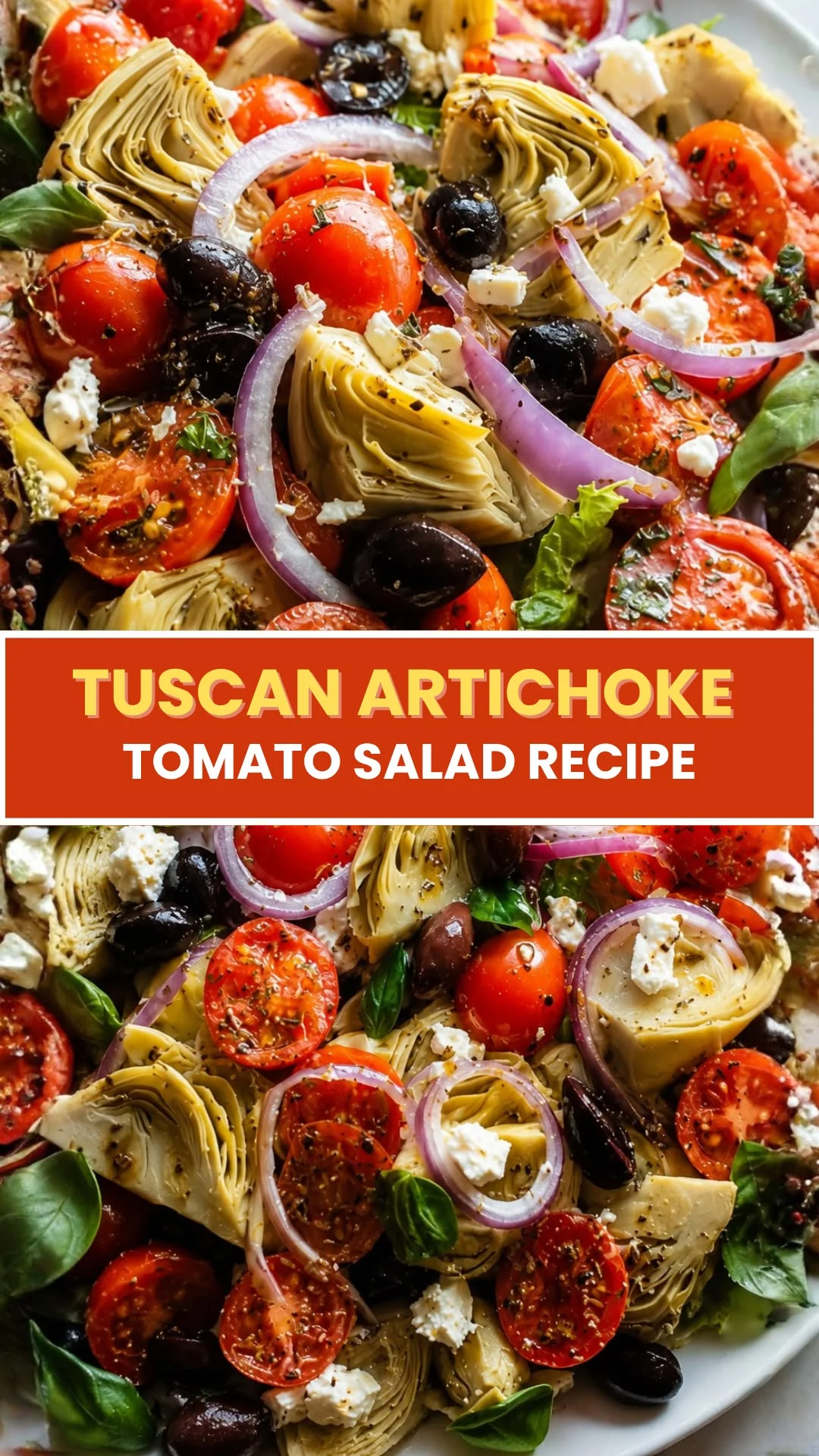
If you are looking for a salad that feels both effortless and impressive, this Tuscan artichoke tomato salad is exactly what your table needs. It combines the bold, sun-drenched flavors of Tuscany with the wholesome simplicity that makes Mediterranean cooking so beloved around the world.
In this post, you will get the full recipe, a deep dive into every ingredient, batch prep strategies, storage tips, and answers to the most common questions people ask. Whether you are meal prepping for the week or putting together a last-minute dinner spread, this salad has you covered.
You will also discover why marinated artichoke hearts and ripe tomatoes are such a powerful combination, how to customize the dish for different diets, and how to make it taste even better the next day. Let’s get into it.
Table of Contents
Personal Note
The first time I made this salad, I was trying to use up a jar of marinated artichoke hearts that had been sitting in my pantry for two weeks. I tossed them with some cherry tomatoes, a handful of fresh basil, and a generous pour of olive oil, and the result stopped me in my tracks.
That moment reminded me of why Mediterranean cooking is so special. It does not ask you to fuss or overthink. It asks you to use good ingredients and trust the process.
Since then, this Tuscan artichoke tomato salad has become one of my most-made recipes, especially during summer when tomatoes are at their peak. I bring it to potlucks, pack it for lunches, and serve it as a side dish at least once a week. It never gets old.
Origins of the Dish
Tuscany sits in central Italy and is widely recognized as one of the most influential food regions in the world. The Tuscan approach to cooking is rooted in the philosophy of “cucina povera,” which translates to “poor kitchen” or peasant cooking. This philosophy champions simplicity, seasonal produce, and zero waste, values that align perfectly with the broader Mediterranean diet.
Artichokes have been grown in the Mediterranean region for thousands of years. Ancient Egyptians, Greeks, and Romans all cultivated and ate them. In Tuscany, the artichoke is a celebrated vegetable, especially in regions like the Maremma and around the town of Pescia, where artichoke festivals have been held for generations. Tuscan cooks have long paired artichokes with olive oil, lemon, garlic, and fresh herbs to create dishes that are both rustic and deeply satisfying.
Tomatoes, while originally from the Americas, were adopted enthusiastically by Italian cooks from the 18th century onward. In Tuscany, the tomato quickly became a pantry essential. Heirloom varieties like the Costoluto Fiorentino, a ribbed, deeply flavored tomato native to the Florence region, became a hallmark of Tuscan summer cooking. Pairing tomatoes with artichokes is a natural extension of this tradition, creating a salad that celebrates the best of what the region’s landscape produces.
The combination of artichokes and tomatoes in a salad is not just about flavor, it is also a reflection of how Mediterranean cultures approach food as nourishment and pleasure in equal measure. This dish carries centuries of culinary wisdom in every bite, and that is part of what makes it so timeless. When you make this salad, you are participating in a living food tradition that stretches across continents and centuries.
Why You’ll Love This Recipe
This salad checks every box you could ask for in a Mediterranean recipe. It is quick, nutritious, versatile, and genuinely delicious. Here is a quick breakdown of why you are going to love it.
- Ready in under 15 minutes – No cooking required. Just chop, toss, and serve.
- Naturally gluten-free and vegan – No swaps needed. The base recipe works for almost every diet.
- Tastes even better the next day – The flavors deepen as the salad marinates, making it ideal for meal prep.
- Packed with Mediterranean superfoods – Artichokes, olive oil, tomatoes, and fresh herbs all deliver serious nutritional value.
- Highly customizable – You can add protein, swap herbs, or build it into a grain bowl with ease.
- Crowd-pleasing and potluck-ready – It travels well and appeals to a wide range of palates.
- Uses pantry and fresh ingredients – The artichoke hearts come from a jar, so you always have them on hand.
- Low in calories, high in fiber – It fills you up without weighing you down.
- Visually stunning – The colors of the tomatoes, artichokes, and fresh herbs make this salad look like it came from a Tuscan trattoria.
- Kid-friendly flavors – Mild, slightly tangy, and not overpowering for younger palates.
Health Benefits and Ingredient Highlights
One of the core principles of Mediterranean eating is that food should nourish you from the inside out. Every ingredient in this Tuscan artichoke tomato salad earns its place not just for flavor, but for the real health benefits it brings to your plate.
Artichoke Hearts
Artichokes are one of the most liver-supportive vegetables in the Mediterranean diet. They contain cynarin and silymarin, two compounds that support bile production and help the liver process fats and toxins more efficiently. Regular artichoke consumption has been linked to improved cholesterol levels and better digestive health.
They are also one of the highest-fiber vegetables you can eat, with a single medium artichoke delivering around 7 grams of fiber. That fiber feeds beneficial gut bacteria and keeps you feeling full for longer. For anyone focused on blood sugar stability, artichokes are a smart addition to any meal.
Artichokes are rich in folate, vitamin C, vitamin K, and magnesium. These nutrients support everything from bone density and immune function to cardiovascular health and energy production. In the context of Mediterranean eating, the artichoke is not just a vegetable, it is a functional food.
Tomatoes
Tomatoes are one of the most lycopene-dense foods on the planet. Lycopene is a powerful antioxidant that has been studied extensively for its role in reducing the risk of certain cancers, particularly prostate cancer, and for its ability to lower LDL cholesterol oxidation. The lycopene in tomatoes actually becomes more bioavailable when the tomatoes are exposed to a fat source, which is exactly what happens when you dress them with olive oil.
Tomatoes are also an excellent source of vitamin C, potassium, and vitamin K1. The potassium content supports healthy blood pressure, which is one of the reasons the Mediterranean diet is so consistently linked to better cardiovascular outcomes in long-term studies.
Using ripe, in-season tomatoes makes a significant difference in both flavor and nutrient density. Cherry tomatoes and heirloom varieties tend to have higher sugar content and antioxidant levels than out-of-season supermarket tomatoes, so choose accordingly.
Extra Virgin Olive Oil
Extra virgin olive oil is the cornerstone fat of the Mediterranean diet, and for very good reason. It is loaded with oleocanthal, a naturally occurring compound that acts as a natural anti-inflammatory in the body, mimicking the action of ibuprofen at the cellular level. Regular consumption is associated with reduced risk of heart disease, stroke, and cognitive decline.
The monounsaturated fat in olive oil helps the body absorb fat-soluble vitamins like vitamins A, D, E, and K. That means every drizzle of olive oil in this salad helps you get more nutritional value from the artichokes, tomatoes, and herbs around it. It is a synergistic relationship that is baked into the logic of Mediterranean cooking.
Always use a high-quality extra virgin olive oil with a low acidity and a fresh harvest date. The flavor difference between a cheap oil and a quality one is dramatic in a dish where olive oil is a primary ingredient rather than a cooking medium.
Fresh Basil
Fresh basil is more than just a garnish. It contains volatile oils like eugenol, linalool, and citronellol, which have documented anti-inflammatory and antibacterial properties. In Mediterranean cooking, fresh herbs are used liberally because they add flavor without adding calories or sodium.
Basil is also a source of vitamin K, which plays a critical role in blood clotting and bone health. Just a handful of fresh basil leaves provides a meaningful contribution to your daily vitamin K intake. It also contains small amounts of iron, calcium, and manganese.
Garlic
Garlic has been used medicinally in Mediterranean cultures for over 5,000 years, and modern science continues to validate that tradition. The compound allicin, released when garlic is crushed or chopped, has potent antimicrobial, antiviral, and anti-inflammatory effects. Regular garlic consumption is associated with lower blood pressure and improved immune function.
In this salad, garlic adds a sharp, savory depth that ties all the other flavors together. Using fresh garlic rather than garlic powder gives you the full benefit of allicin as well as a much more vibrant, authentic Mediterranean flavor profile.
Capers
Capers are the unsung heroes of Mediterranean cooking. These small, pickled flower buds are rich in quercetin, one of the most powerful flavonoids studied for its antioxidant and anti-inflammatory effects. Quercetin has been linked to reduced allergy symptoms, improved endothelial function, and lower markers of systemic inflammation.
Beyond their health profile, capers add a briny, salty pop that brings incredible complexity to the salad. They work as a natural seasoning, reducing the need for added salt while delivering a distinctly Mediterranean flavor note.
Red Onion
Red onion adds color, crunch, and a mild sharpness that keeps the salad from feeling one-dimensional. It is also a rich source of quercetin and anthocyanins, the same antioxidant pigments found in blueberries and red wine. These compounds are associated with reduced inflammation and improved cardiovascular health.
If raw red onion is too sharp for your preference, soaking the sliced onion in cold water for 10 to 15 minutes mellows the bite significantly while preserving the crunch and color. This is a technique used widely in Italian salad making.
Ingredients
This recipe serves 4 as a side dish or 2 as a main course. Everything is straightforward and most items are pantry staples if you cook Mediterranean food regularly.
- 2 cans (14 oz each) of marinated artichoke hearts, drained and roughly chopped (or 1 lb fresh artichoke hearts, steamed and cooled)
- 2 cups cherry tomatoes, halved (or 3 medium vine-ripened tomatoes, diced)
- 1/4 cup red onion, thinly sliced (substitute with shallots for a milder flavor)
- 2 tablespoons capers, drained (omit or substitute with sliced green olives if unavailable)
- 1/3 cup Kalamata olives, pitted and halved (substitute with Castelvetrano olives for a buttery flavor)
- 1/4 cup fresh basil leaves, torn (substitute with flat-leaf parsley or a mix of both)
- 2 cloves garlic, minced (substitute with 1/4 teaspoon garlic powder if preferred)
- 3 tablespoons extra virgin olive oil (use the best quality you have)
- 2 tablespoons fresh lemon juice (substitute with red wine vinegar for a more traditional Italian profile)
- 1 teaspoon dried oregano (substitute with fresh oregano, use 1 tablespoon)
- 1/2 teaspoon sea salt, or to taste
- 1/4 teaspoon freshly ground black pepper
- Optional: 1/4 cup shaved Parmesan or crumbled feta cheese
- Optional: 1/4 teaspoon red pepper flakes for heat
Step-by-Step Instructions
This recipe comes together quickly, but taking just a few extra minutes on each step makes a real difference in the final result. Follow these instructions and you will have a perfectly balanced Tuscan artichoke tomato salad every single time.
- Drain and prep the artichokes. Open the cans of marinated artichoke hearts and drain them thoroughly. Give them a gentle rinse if they are packed in a heavily seasoned brine that might overpower the dressing. Roughly chop them into bite-sized pieces and set aside.
- Prep the tomatoes. Halve the cherry tomatoes or dice the vine-ripened tomatoes into medium chunks. Place them in a large mixing bowl. Sprinkle lightly with a pinch of salt and let them sit for 5 minutes to draw out some of their natural juices, which will blend into the dressing.
- Slice the red onion and soak if needed. Thinly slice the red onion into half-moon shapes. If you prefer a milder onion flavor, place the slices in a small bowl of cold water and let them soak for 10 minutes, then drain and pat dry.
- Make the dressing. In a small bowl or jar, whisk together the extra virgin olive oil, fresh lemon juice, minced garlic, dried oregano, sea salt, and black pepper. Taste and adjust the seasoning as needed. The dressing should be bright, slightly tangy, and well-balanced.
- Combine the salad base. Add the chopped artichoke hearts, sliced red onion, Kalamata olives, and drained capers to the bowl with the tomatoes. Toss gently to combine everything evenly without crushing the tomatoes.
- Add the dressing. Pour the dressing over the salad and toss again until every ingredient is coated. Use a large spoon or clean hands to fold everything together gently. Make sure the garlic distributes evenly throughout the bowl.
- Add the fresh basil. Tear the basil leaves by hand rather than cutting them with a knife. This preserves their flavor oils and prevents browning. Fold them into the salad at the last moment before serving or storing.
- Let it rest before serving. For the best flavor, let the salad sit at room temperature for 10 to 15 minutes before serving. This allows the dressing to meld with the vegetables and the flavors to harmonize. If you are prepping ahead, cover and refrigerate instead.
- Finish and plate. Transfer to a serving bowl or platter. Top with shaved Parmesan or crumbled feta if using. Add a final drizzle of olive oil and a few extra basil leaves for presentation. Serve immediately or store as directed below.
Make It Ahead and Batch Prep Guide
This Tuscan artichoke tomato salad is genuinely one of the best recipes in the Mediterranean meal prep rotation because it gets better with time. Unlike leafy green salads that wilt within hours, this dish uses hearty ingredients that absorb the dressing and develop deeper flavor the longer they sit. Making it 12 to 24 hours ahead of time is actually recommended if you want the most vibrant result.
For batch prepping, double or triple the recipe and store it in airtight glass containers. Divide it into individual meal-sized portions for easy grab-and-go lunches throughout the week. Keep the fresh basil separate and add it just before eating so it stays green and fragrant rather than turning dark in the fridge.
The dressing can be made in a larger batch and stored separately in a sealed jar in the refrigerator for up to two weeks. Having it ready means you can quickly assemble fresh batches whenever you need them. You can also prep all the vegetables in advance, store them undressed, and dress them the night before serving for maximum freshness with all the convenience of a make-ahead dish.
If you are building a weekly Mediterranean meal prep plan, this salad pairs beautifully with grilled chicken thighs, baked falafel, or a scoop of herbed quinoa. Mediterranean Meal Prep Bowl Guide Adding a protein and a grain turns it from a side dish into a complete, balanced meal that covers all your macros without any extra effort.
Common Mistakes to Avoid
Even a simple salad has a few pitfalls. Here are the most common mistakes people make with this recipe and how to avoid them.
- Using low-quality olive oil – In a dish where olive oil is a key flavor component, a bland or rancid oil will ruin the entire salad. Always use a fresh, high-quality extra virgin olive oil with a peppery, grassy flavor.
- Not draining the artichokes properly – Excess brine from the jar will make the salad watery and overly salty. Drain the artichokes thoroughly and rinse if the marinade is very strong.
- Using out-of-season tomatoes – Pale, flavorless winter tomatoes will drag the entire salad down. If fresh tomatoes are out of season, use high-quality canned cherry tomatoes (drained well) or sun-dried tomatoes packed in oil.
- Cutting the basil with a knife – Metal reacts with basil and causes it to blacken rapidly. Always tear basil leaves by hand for better appearance and fresher flavor.
- Over-salting the dressing – The artichokes, olives, and capers all bring significant saltiness to this dish. Season the dressing lightly and taste the finished salad before adding any extra salt.
- Serving it too cold – Pulling the salad straight from the refrigerator and serving it immediately dulls the flavors. Let it sit at room temperature for 10 to 15 minutes before serving so the olive oil loosens and the flavors open up.
Notes, Tips and Variations
Substitutions
If you cannot find marinated artichoke hearts, plain canned artichoke hearts work well. Just add an extra tablespoon of olive oil and a splash of white wine vinegar to compensate for the lost marinade flavor. Fresh artichokes steamed and cooled are the most labor-intensive option but deliver the most vibrant, clean flavor.
Capers can be replaced with finely chopped green olives if you prefer, or simply omitted if you are not a fan. The salad is still excellent without them, though you lose some of that signature briny Mediterranean depth. Shallots can replace red onion for a softer, more delicate bite.
Dietary Variations
This salad is naturally vegan and gluten-free in its base form. To make it a high-protein main dish, add a can of rinsed and drained chickpeas, some sliced grilled chicken breast, or a handful of cooked lentils. Each of these additions keeps the Mediterranean spirit of the dish intact while boosting satiety significantly.
For a dairy-free version, simply skip the optional Parmesan or feta topping. The salad does not need cheese to be delicious. For a lower-sodium version, use low-sodium or rinsed capers, rinse the artichoke hearts, and skip the additional salt entirely.
Cooking Tips
Letting the salad marinate for at least 30 minutes in the refrigerator before serving makes a dramatic difference in how the flavors meld together. The tomatoes release their juices, the artichokes absorb the dressing, and the garlic becomes more mellow and integrated rather than sharp.
If you are serving this at a dinner party, plate it on a wide, shallow platter rather than a deep bowl. This spreads the colors out beautifully and makes the dish look far more abundant and inviting. A final drizzle of your best olive oil right before serving elevates the presentation instantly.
Topping Ideas and Flavor Boosters
Want to take your Tuscan artichoke tomato salad to the next level? These additions layer in extra flavor, texture, and nutrition without complicating the dish.
- Shaved Parmesan – Adds a salty, nutty richness that complements the tangy artichokes perfectly.
- Crumbled feta – Brings a creamy, briny element that amplifies the Mediterranean profile of the dish.
- Toasted pine nuts – Add a buttery crunch and a classic Tuscan flavor note that ties everything together.
- Sun-dried tomatoes – Intensify the tomato flavor and add a chewy texture contrast.
- Roasted red peppers – Bring sweetness and color while keeping the dish within the Mediterranean flavor family.
- Chickpeas – Add protein and fiber, turning the salad into a complete meal.
- Fresh mint – A small amount of fresh mint adds a surprising brightness that pairs wonderfully with the lemon dressing.
- Sliced cucumber – Adds crunch and a cooling element that balances the acidity of the tomatoes.
- Anchovy fillets – For non-vegetarians, a couple of finely chopped anchovies add incredible umami depth without making the salad taste fishy.
- Red pepper flakes – A pinch adds warmth and a subtle kick that elevates the entire flavor profile.
- A drizzle of balsamic glaze – Adds a sweet-tangy finish that creates a beautiful contrast with the savory ingredients.
- Torn crusty bread or croutons – Serve alongside or on top for a panzanella-inspired variation that soaks up all the incredible dressing.
Who This Recipe Is For
This salad fits into a wide range of lifestyles and cooking habits. Here is a look at who will benefit most from adding it to their regular rotation.
- Mediterranean diet followers – This recipe is a textbook example of Mediterranean eating: plant-forward, olive oil-based, and packed with antioxidant-rich vegetables.
- Busy weekday meal preppers – It comes together in under 15 minutes and stores beautifully for days, making it a reliable weekday staple.
- Vegetarians and vegans – The base recipe is fully plant-based and satisfying without any modifications.
- Health-conscious eaters – High fiber, antioxidant-dense, and built on healthy fats, this salad supports long-term wellness without feeling restrictive.
- People managing heart health or inflammation – The combination of olive oil, tomatoes, artichokes, and garlic is one of the most cardioprotective combinations in food science.
- Home entertainers – This salad is visually beautiful, easy to scale up, and requires zero day-of cooking, which makes it a stress-free crowd-pleaser.
- Beginner cooks – No cooking skills required. If you can chop a tomato and whisk a dressing, you can make this perfectly.
- Anyone avoiding gluten – The entire recipe is naturally gluten-free, no adaptation needed.
Storage and Meal Prep Tips
Refrigerator
Store the dressed salad in an airtight glass container in the refrigerator for up to 4 days. The flavors actually improve on day two as the artichokes and tomatoes continue to marinate in the dressing. Give it a gentle stir before serving and add fresh basil leaves if the original ones have darkened.
If you are prepping for the full week, store the vegetables and the dressing separately and combine them each morning. This keeps the tomatoes from becoming too soft and the basil from wilting. Dress portions individually so each serving is as fresh as possible.
Freezer
This salad is not suitable for freezing. The tomatoes and artichoke hearts will become mushy and waterlogged when frozen and thawed, completely losing their texture. The fresh herbs will also turn black and unpleasant. Stick to refrigerator storage only for this recipe.
If you want to freeze components for future use, you can freeze plain artichoke hearts separately in a single layer and then in a sealed bag. Defrost them and use them in the salad later, though the texture will be slightly softer than fresh or jarred.
Reheating
This salad is meant to be served at room temperature or cold. There is no reheating involved. If you have stored it in the fridge, pull it out 10 to 15 minutes before eating and let it come to room temperature so the olive oil loosens and the flavors brighten back up. Best Mediterranean Salad Dressing Recipes Adding a fresh squeeze of lemon juice before serving also helps to revive the flavors after a day or two in the fridge.
Nutrition Facts
The following values are estimated per serving, based on the recipe serving 4 people as a side dish. Values will vary depending on specific brands, artichoke marinade content, and any optional add-ons used.
| Nutrient | Per Serving |
|---|---|
| Calories | 185 kcal |
| Total Fat | 13g |
| Saturated Fat | 2g |
| Carbohydrates | 14g |
| Dietary Fiber | 6g |
| Total Sugar | 4g |
| Protein | 4g |
| Sodium | 520mg |
| Vitamin C | 28% DV |
| Vitamin K | 35% DV |
| Potassium | 15% DV |
| Folate | 18% DV |
Note: Sodium can be significantly reduced by rinsing the artichoke hearts and capers before use, and by using a reduced-sodium olive brine or fresh olives.
FAQs
Can I use fresh artichokes instead of canned or jarred?
Yes, absolutely. Fresh artichoke hearts deliver the most vibrant, clean flavor and a firmer texture than jarred varieties. The trade-off is the significant time and effort required to trim, clean, and cook fresh artichokes. If you go this route, steam or simmer the hearts until tender, let them cool completely, and then slice or quarter them before adding to the salad. The flavor payoff is excellent if you have the time.
How long does this salad keep in the refrigerator?
Stored in an airtight container, this Tuscan artichoke tomato salad keeps well for up to 4 days in the refrigerator. The flavor is actually at its best on day two, when the ingredients have had time to marinate together. After day four, the tomatoes begin to break down and the texture becomes less appealing, so try to finish it within that window.
Is this salad good for weight loss?
This salad is a great fit for anyone eating for weight management. It is relatively low in calories, high in fiber, and built on healthy fats that promote satiety. The artichokes and tomatoes fill you up without loading you down with excess calories or refined carbohydrates. It aligns closely with the eating patterns studied in Mediterranean diet research, which consistently shows strong associations with healthy body weight and reduced abdominal fat over time.
Can I add protein to make this a complete meal?
Yes, and it works beautifully with a wide range of proteins. Grilled chicken breast, canned tuna packed in olive oil, sliced hard-boiled eggs, chickpeas, or white beans all integrate naturally into the flavor profile without disrupting the Tuscan character of the dish. High-Protein Mediterranean Salad Ideas For a fully plant-based protein boost, a generous handful of lentils or edamame works extremely well.
What is the best type of tomato to use in this recipe?
Cherry tomatoes and heirloom varieties are the top choices for this salad because they tend to be sweeter, more flavorful, and have a thicker skin that holds up well when mixed with the dressing. Vine-ripened tomatoes are an excellent second option. Avoid Roma tomatoes for this particular dish since they can be drier and less juicy than you want in a marinated salad. In winter months, high-quality canned cherry tomatoes drained very well are a much better option than flavorless fresh tomatoes.
Conclusion
This Tuscan artichoke tomato salad is the kind of recipe that earns a permanent spot in your weekly cooking rhythm. It is fast, flexible, nutritious, and genuinely delicious, which is everything you want from a Mediterranean meal prep staple. Whether you serve it as a side dish at dinner, pack it for lunch, or build it into a larger grain bowl, it delivers every single time.
The beauty of this dish lies in its simplicity. A few high-quality ingredients, a good olive oil, and about 15 minutes are all you need to put something extraordinary on the table. That is the essence of Mediterranean cooking, and it is a philosophy that makes eating well genuinely enjoyable rather than a chore.
Give this recipe a try this week and see how quickly it becomes a household favorite. If you make it, leave a comment below and let me know how it turned out. I would love to hear what toppings you added or how you made it your own. Happy cooking!