THE BEST N°1 French Toast Muffins: Easy Baked Breakfast Treats for Anytime
If you have ever wanted all the warm, custardy flavor of classic French toast without standing over a hot skillet, these French toast muffins are about to change your morning routine. They bake up golden and tender, full of cinnamon-sugar sweetness, and they are ready in under 30 minutes.
This post covers everything you need to know, from the history of French toast to step-by-step instructions, batch prep tips, storage advice, and creative topping ideas. Whether you are making breakfast for a crowd or prepping ahead for the week, this recipe delivers every single time.
You will also find ingredient highlights, common mistakes to avoid, and plenty of ways to customize these muffins to match your taste. By the end, you will have a go-to baked breakfast treat you will want to make again and again.
Table of Contents
Personal Note
The first time I made French toast muffins, I honestly was not expecting much. I had leftover brioche sitting on the counter, a craving for something sweet and warm, and about 20 minutes to spare before a busy morning kicked off.
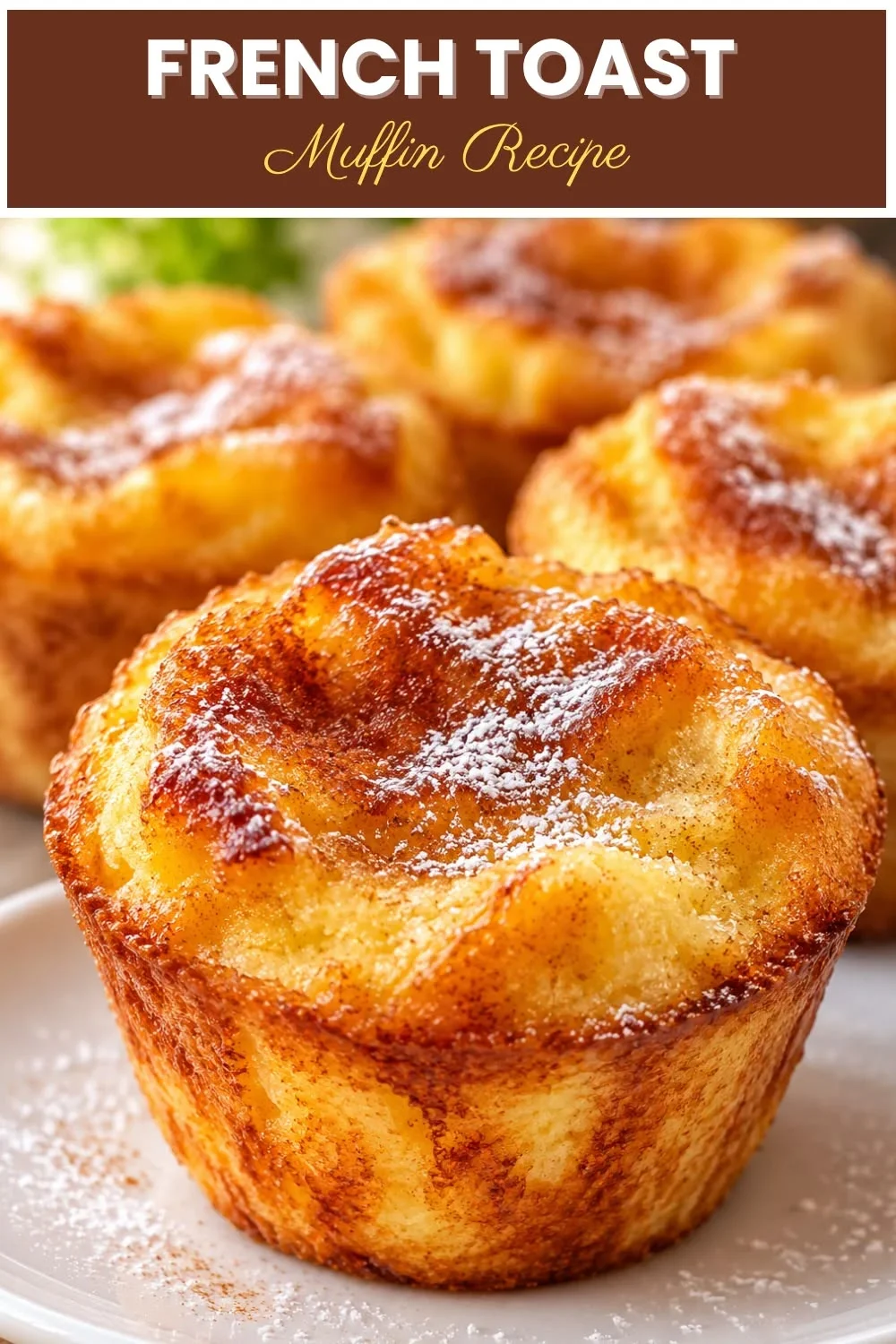
What came out of that oven completely surprised me. The muffins were soft in the center, lightly crispy on the edges, and dusted with cinnamon sugar in a way that made the whole kitchen smell like a bakery. I ended up making a second batch that same afternoon.
Now these are a weekly staple in my prep rotation. I love that they feel indulgent without requiring a ton of effort or fancy equipment. If you are someone who enjoys a dessert-style breakfast that doubles as a satisfying treat any time of day, this one is for you.
Origins of the Dish
French toast has a history that stretches back well over a thousand years, and its origins might surprise you. The earliest recorded recipe appears in a Roman cookbook called “Apicius,” dating back to the 4th or 5th century. The dish was described as slices of bread soaked in eggs and milk, then fried in oil or butter, a technique that has remained almost completely unchanged for centuries.
Despite the name, French toast did not actually originate in France. The name became popular in 18th-century America, likely named after a man called Joseph French who supposedly popularized the dish. In France, the equivalent dish is called “pain perdu,” which translates to “lost bread,” because it was traditionally made with stale or leftover bread that would otherwise go to waste. The idea of transforming something old into something delicious is at the heart of this recipe.
Across Europe, similar dishes existed under different names. In the United Kingdom, it was called “Poor Knights of Windsor.” In Spain, a version called “torrijas” is still made today, especially during Easter. Each culture added its own twist, using different breads, sweeteners, and spices. What all versions share is a love for that egg-soaked, golden-fried or baked result that feels both humble and luxurious at the same time.
The muffin format is a modern adaptation that fits beautifully into today’s baking culture. By pressing cubed bread into a muffin tin with a rich custard mixture, you get individual portions that bake evenly, hold their shape, and are easy to grab and go. For dessert-style baking, this format also allows you to pack in toppings, fillings, and glazes without the mess of a skillet. The French toast muffin is truly a classic dish evolved for the modern sweet-tooth baker.
Why You’ll Love This Recipe
These muffins are the kind of recipe that earns a permanent spot in your rotation from the very first bite. They are versatile, satisfying, and genuinely easy to make.
- No skillet needed: Everything bakes in the oven, so you are not standing over a hot pan flipping slices one at a time.
- Perfect individual portions: Each muffin is its own self-contained treat, which makes serving, storing, and grabbing on the go incredibly simple.
- Dessert-worthy flavor: The cinnamon-sugar custard soaks into every cube of bread, giving you a flavor that tastes more like a baked dessert than a basic breakfast.
- Great for batch baking: You can make 12 muffins in one go and have sweet treats ready for the entire week.
- Customizable to your taste: Swap the bread, change the spices, add fruit, drizzle with glaze, the options are nearly endless.
- Kid-friendly: Children absolutely love these, and they are a great way to sneak in real eggs and milk without protest.
- Works with stale bread: This recipe is actually better with day-old or slightly stale bread because it absorbs the custard more effectively.
- Ready in under 30 minutes: From mixing to baking, you are looking at a very quick turnaround for something that tastes this good.
- Freezer-friendly: These muffins freeze and reheat beautifully, making them one of the best baked prep options in your dessert arsenal.
- Impressive for guests: Serve these at a brunch and watch them disappear. They look and taste like you spent hours in the kitchen.
Health Benefits and Ingredient Highlights
Even in a dessert recipe, your ingredients matter. Each component in these French toast muffins brings something meaningful to the table, whether that is flavor, structure, or nutritional value.
Eggs
Eggs are the backbone of the custard base in this recipe. They provide protein, healthy fats, and a rich binding quality that holds the muffins together while keeping the interior soft and custardy.
Eggs are also a source of choline, a nutrient important for brain function and cell structure. When baked into a muffin, they create a steady, satisfying treat that keeps you fuller longer than a plain pastry would.
Whole Milk or Cream
Whole milk or heavy cream adds richness and helps create that classic French toast texture. The fat content in full-fat dairy is what gives the custard its silky, indulgent quality after baking.
Dairy also contributes calcium, vitamin D, and B vitamins. Using whole milk or cream instead of a low-fat alternative results in a noticeably more tender and flavorful muffin, so do not skimp here.
Cinnamon
Cinnamon is what gives these muffins their signature warm, spiced aroma. It is one of the most beloved baking spices for good reason, as it enhances sweetness without adding extra sugar.
Beyond flavor, cinnamon contains antioxidants and has been studied for its potential to help regulate blood sugar levels. Even in small amounts, it adds a depth of flavor that makes these muffins taste complex and bakery-worthy.
Vanilla Extract
Pure vanilla extract is a small addition that makes a massive difference. It rounds out the sweetness of the custard and adds a warm, floral note that elevates the entire muffin.
Real vanilla also contains tiny amounts of antioxidants and has long been used in aromatherapy for its calming properties. Always use pure extract over imitation for the best flavor result.
Brown Sugar
Brown sugar adds sweetness with a hint of molasses that gives the muffins a deeper, caramel-like flavor compared to plain white sugar. It is what helps form that lightly crispy, golden crust on the outside of each muffin.
The molasses in brown sugar also contains trace minerals like iron and potassium. While the quantities are small, every bit of flavor and nutrient depth counts in a well-crafted dessert recipe.
Brioche or Challah Bread
The choice of bread is one of the most important decisions in this recipe. Brioche and challah are the top picks because they are enriched with eggs and butter, which means they absorb the custard deeply and bake up with a pillowy, rich interior.
These breads also hold their shape well when cubed and pressed into a muffin tin, so you get structure without dryness. Using a sturdy, flavorful bread is what separates a good French toast muffin from a truly great one.
Butter
Butter is used to grease the muffin tin and can also be drizzled or mixed into the topping for extra richness. It adds flavor, helps with browning, and prevents sticking without the need for cooking spray.
Butter from grass-fed cows is particularly rich in fat-soluble vitamins and conjugated linoleic acid. In baking, real butter always outperforms substitutes in terms of both flavor and texture.
Ingredients
This recipe makes 12 standard French toast muffins. Use a standard 12-cup muffin tin for best results.
- 6 cups brioche bread, cut into 1-inch cubes (day-old is ideal; challah or Texas toast also work well)
- 4 large eggs
- 1 cup whole milk (substitute with heavy cream for richer results, or full-fat oat milk for dairy-free)
- 3 tablespoons brown sugar, packed (substitute with coconut sugar or maple sugar)
- 1 teaspoon pure vanilla extract
- 1 teaspoon ground cinnamon
- 1/4 teaspoon ground nutmeg (optional but highly recommended)
- 1/4 teaspoon fine sea salt
- 2 tablespoons unsalted butter, melted (for greasing and optional topping)
- Extra brown sugar and cinnamon for topping (about 2 tablespoons each, mixed together)
Optional add-ins include 1/2 cup fresh or frozen blueberries, 1/2 cup mini chocolate chips, or 1/4 cup raisins stirred into the bread mixture before baking.
Step-by-Step Instructions
Follow these steps carefully for perfect French toast muffins every single time. This recipe is beginner-friendly and forgiving, so do not stress about perfection.
- Preheat your oven to 350 degrees Fahrenheit (175 degrees Celsius). This temperature gives you a nicely set interior without over-browning the outside too quickly. While the oven heats, gather all your ingredients and tools.
- Grease a standard 12-cup muffin tin generously with melted butter. Use a pastry brush or a folded paper towel to coat the inside of each cup fully, including the edges. This prevents sticking and helps the outside of each muffin brown beautifully.
- Cut your brioche into 1-inch cubes. If you are using fresh bread, spread the cubes on a baking sheet and let them sit uncovered for 20 to 30 minutes to dry out slightly. Day-old bread can go straight into the bowl.
- In a large mixing bowl, whisk together the eggs, whole milk, brown sugar, vanilla extract, cinnamon, nutmeg, and salt. Whisk until the sugar is fully dissolved and the mixture is smooth and uniform. This is your custard base.
- Add the bread cubes to the custard mixture. Toss gently to coat all the bread pieces, then let them soak for 5 to 10 minutes. Press the bread down gently with the back of a spoon to help it absorb the custard fully.
- If you are using any optional add-ins like blueberries or chocolate chips, fold them in now. Stir gently so the add-ins are evenly distributed without breaking up the bread pieces too much.
- Spoon the soaked bread mixture into the prepared muffin cups. Fill each cup all the way to the top, packing the mixture in firmly so the muffins hold together after baking. Use your fingers or the back of a spoon to press everything down.
- Mix together 2 tablespoons of brown sugar and 1 teaspoon of cinnamon in a small bowl. Sprinkle this mixture evenly over the top of each filled muffin cup. This creates a sweet, slightly crunchy topping as the muffins bake.
- Bake for 20 to 25 minutes, until the tops are golden brown and the centers are set. You can test for doneness by pressing the center of a muffin gently, it should spring back and not feel wet or jiggly. The edges will pull away from the sides of the tin slightly when done.
- Remove the muffin tin from the oven and let the muffins cool in the pan for 5 minutes. Run a thin knife or offset spatula around the edges of each muffin cup before lifting them out. Serve warm with your favorite toppings.
Make It Ahead and Batch Prep Guide
One of the best things about French toast muffins is how well they fit into a batch baking routine. You can prep the custard and cube the bread the night before, store everything separately in the fridge, and simply combine and bake fresh in the morning. This saves you at least half the work on a busy day.
If you want to fully prepare them in advance, you can assemble the unbaked muffins in the tin, cover the whole tray tightly with plastic wrap, and refrigerate overnight. In the morning, pull the tray out while you preheat the oven and bake as directed. The overnight soak actually deepens the custard flavor and gives you an even more tender result.
For true batch prep, double or triple the recipe and bake multiple trays at once. Let the muffins cool completely, then divide them into individual portions or zip-lock bags for the week. Having a full batch ready in the fridge or freezer means you are always one reheat away from a satisfying treat. Cinnamon Roll Muffins Recipe
If you are prepping for a crowd, consider making a large baking dish version first to test the recipe, then scale up to muffin tins for portioned servings. The muffin format is ideal for sharing because there is no slicing involved and every piece is exactly the same size.
Common Mistakes to Avoid
- Using fresh bread without drying it: Fresh, soft bread absorbs too much liquid too quickly and can turn mushy. Let your bread sit out for at least 20 minutes or use day-old bread for the best texture.
- Not packing the muffin cups tightly enough: If you loosely fill the cups, the muffins will fall apart when you try to remove them. Press the bread mixture firmly into each cup so it holds together after baking.
- Skipping the soaking time: Rushing through the soak and baking immediately means the bread won’t absorb the custard evenly. Give the mixture at least 5 to 10 minutes to soak before filling the tin.
- Under-greasing the muffin tin: Even a non-stick pan needs generous buttering for this recipe because the custard can cause sticking. Take the extra minute to coat every inch of each cup properly.
- Opening the oven door too early: Opening the oven before the 20-minute mark lets heat escape and can cause the muffins to deflate or bake unevenly. Wait until at least 20 minutes have passed before checking.
- Using low-fat milk: Low-fat milk does not create the same rich, creamy custard that whole milk or heavy cream does. The fat is what makes the interior soft and indulgent, so stick with full-fat dairy for best results.
Notes, Tips and Variations
Substitutions
If you do not have brioche, challah is the next best option. Texas toast, sourdough, or even a sturdy white sandwich bread can work in a pinch, though the richness of the final muffin will be slightly less pronounced.
For a dairy-free version, full-fat oat milk or canned coconut milk are the best substitutes for whole milk. They provide enough fat content to mimic the texture of a classic custard without compromising too much on flavor.
Brown sugar can be swapped for maple sugar, coconut sugar, or even a drizzle of real maple syrup mixed into the custard. Each option brings a slightly different flavor profile that can make the muffins feel even more special.
Dietary Variations
To make these muffins dairy-free, use oat milk or coconut milk and replace the butter with a neutral-flavored coconut oil or vegan butter. The texture will be very close to the original, especially if you use a high-quality enriched bread.
For a gluten-free version, use a gluten-free brioche-style bread or a dense gluten-free white bread. The key is to find a bread that is thick and not too crumbly, so it holds up after soaking in the custard.
If you want to reduce the sugar, cut the brown sugar in the custard to 1 tablespoon and skip the cinnamon-sugar topping. The muffins will still be flavorful from the vanilla, cinnamon, and bread itself, just a bit more subtly sweet.
Cooking Tips
Use a cookie scoop or large spoon to portion the soaked bread mixture into the muffin cups for a cleaner, more consistent fill. This also helps ensure that every muffin gets an equal amount of custard.
If your oven runs hot, check the muffins at the 18-minute mark. The tops should be deep golden brown, not dark. If the tops are browning too fast, loosely tent the pan with foil for the remaining bake time.
Let the muffins rest in the pan for a full 5 minutes before removing. This resting time helps the custard firm up so the muffins hold their shape cleanly when you lift them out. Blueberry Custard Baked Oatmeal Cups
Topping Ideas and Flavor Boosters
The right topping can take these French toast muffins from great to absolutely irresistible. Here are some of the best options to try.
- Maple syrup drizzle: A generous pour of pure maple syrup is the most classic pairing and never disappoints.
- Powdered sugar dusting: A light snow of powdered sugar makes the muffins look bakery-beautiful and adds a delicate sweetness.
- Fresh berry compote: Warm macerated strawberries, blueberries, or raspberries add brightness and a fruity contrast to the rich custard.
- Cream cheese glaze: Mix softened cream cheese with powdered sugar and a splash of milk for a tangy, sweet drizzle that takes these muffins to dessert territory.
- Whipped cream: A dollop of freshly whipped cream on top transforms each muffin into a plated dessert moment.
- Nutella or chocolate hazelnut spread: Spread a small amount on top of a warm muffin and let it melt slightly for a decadent chocolate finish.
- Caramel sauce: Drizzle warm caramel sauce over the muffins just before serving for a rich, buttery depth of flavor.
- Toasted pecans or walnuts: Add a handful of chopped toasted nuts on top before baking for a crunchy, nutty contrast to the soft interior.
- Sliced bananas and honey: Lay thin banana slices on top of each muffin before baking and finish with a honey drizzle after they come out of the oven.
- Apple cinnamon topping: Saute diced apples with butter, cinnamon, and a touch of brown sugar and spoon the mixture over the warm muffins for a cozy fall-inspired treat.
- Lemon curd: A small spoonful of tangy lemon curd on top adds a bright, citrusy contrast that cuts through the richness of the custard perfectly.
Who This Recipe Is For
These French toast muffins were designed with a wide range of bakers and eaters in mind. Here is who will love them most.
- Home bakers who want a simple but impressive treat that looks like it came from a professional bakery without hours of effort.
- Busy parents who need a kid-approved breakfast or snack option that can be made ahead and reheated quickly on school mornings.
- Brunch hosts looking for something more interesting than standard toast or scrambled eggs to serve a crowd.
- Dessert lovers who want a sweet treat any time of day that feels indulgent without requiring a full dessert-making project.
- Meal preppers who want a batch-friendly baked good that stores well and reheats without losing quality.
- Beginner bakers who want a no-fail recipe that builds confidence and delivers delicious results every time.
- People with leftover bread who want to transform something that would otherwise go stale into something genuinely spectacular.
- Anyone who loves the flavor of French toast but wants the convenience of a portable, grab-and-go format instead of a plated breakfast.
Storage and Meal Prep Tips
Refrigerator
Once the muffins have cooled completely, transfer them to an airtight container and store them in the refrigerator for up to 4 days. Place a layer of parchment paper between muffins if you are stacking them to prevent sticking.
Do not cover warm muffins with a lid, as the trapped steam will make them soggy. Always let them reach room temperature before sealing the container for best results.
Freezer
These muffins freeze exceptionally well for up to 2 months. Let them cool completely, then wrap each muffin individually in plastic wrap before placing them in a zip-lock freezer bag. This prevents freezer burn and keeps each muffin tasting fresh.
Label your freezer bags with the date so you always know what was made first. When you are ready to enjoy them, there is no need to thaw overnight, they go straight from freezer to microwave with great results.
Reheating
To reheat from the refrigerator, microwave a muffin on high for 20 to 30 seconds. For a crispier top, pop it in the air fryer at 325 degrees Fahrenheit for 3 to 4 minutes instead.
From frozen, microwave for 60 to 90 seconds, checking halfway through. If the center is still cold, give it another 30 seconds. For the best texture, finish it in the oven or air fryer for a couple of minutes after microwaving to restore the lightly crispy top. Easy Baked Donut Holes
Nutrition Facts
The following nutrition information is based on one standard French toast muffin using brioche bread and whole milk. Values are estimates and may vary based on specific brands and ingredient choices.
| Nutrient | Per Serving (1 Muffin) |
|---|---|
| Calories | 185 kcal |
| Protein | 5 g |
| Total Carbohydrates | 24 g |
| Total Fat | 7 g |
| Saturated Fat | 3 g |
| Dietary Fiber | 1 g |
| Total Sugar | 9 g |
| Sodium | 190 mg |
These values can be adjusted based on your chosen bread, dairy, and sweetener. Using heavy cream will increase the fat and calorie count, while reducing the brown sugar will lower the sugar and calorie total.
FAQs
Can I make French toast muffins without brioche?
Yes, absolutely. While brioche gives the richest and most tender result, challah, Texas toast, or any thick-cut white bread will work well. The key is to use bread that is sturdy enough to hold up after soaking in the custard without turning into mush. Avoid thin sandwich bread as it tends to break down too much.
Can I prepare these muffins the night before?
Yes, and overnight prep actually improves the recipe. You can fully assemble the muffins in the tin, cover with plastic wrap, and refrigerate overnight. The extended soak time allows the bread to absorb more custard, resulting in a more deeply flavored and tender muffin. Simply remove the tray from the fridge while the oven preheats and bake as directed.
Why did my muffins fall apart when I took them out of the pan?
This is usually caused by one of two things, either the muffin cups were not greased thoroughly enough, or the muffins were not packed firmly into the cups before baking. Make sure to press the soaked bread mixture down firmly and grease every corner of each cup generously with butter. Also, let the muffins rest in the pan for at least 5 full minutes before attempting to remove them.
Can I add fillings to the inside of the muffins?
Yes, and this is one of the most fun ways to customize the recipe. You can add a small dollop of jam, Nutella, peanut butter, or cream cheese into the center of each cup halfway through filling it, then cover with more of the bread mixture on top. The filling gets warm and gooey inside the baked muffin, which is an absolutely delicious surprise.
How do I know when the muffins are fully baked?
The tops should be deep golden brown and the edges should start to pull away from the sides of the muffin tin. You can also press the center of a muffin gently with your fingertip, it should spring back and not feel wet or jiggly. If the top is golden but the center still seems wet, bake for an additional 3 to 5 minutes and check again.
Conclusion
These French toast muffins are proof that the best recipes are often the simplest ones. With a handful of pantry staples, one bowl, and a standard muffin tin, you can create something that tastes genuinely special, whether you are serving it at a weekend brunch, packing it into a lunch bag, or sneaking one as a late-night treat straight from the fridge.
The recipe is forgiving, flexible, and built for real life. You can customize the toppings, prep everything the night before, freeze a full batch for the month, or dress them up with glazes and compotes when you want to impress. Every version delivers that signature warm, custardy, cinnamon-kissed flavor that makes French toast such a timeless comfort food.
Now it is your turn to get baking. Pull out that brioche, whisk up the custard, and fill that muffin tin. Once you taste your first batch, you will understand exactly why this recipe has earned a permanent place in so many kitchens. Share them, save them, and most importantly, enjoy every single bite.