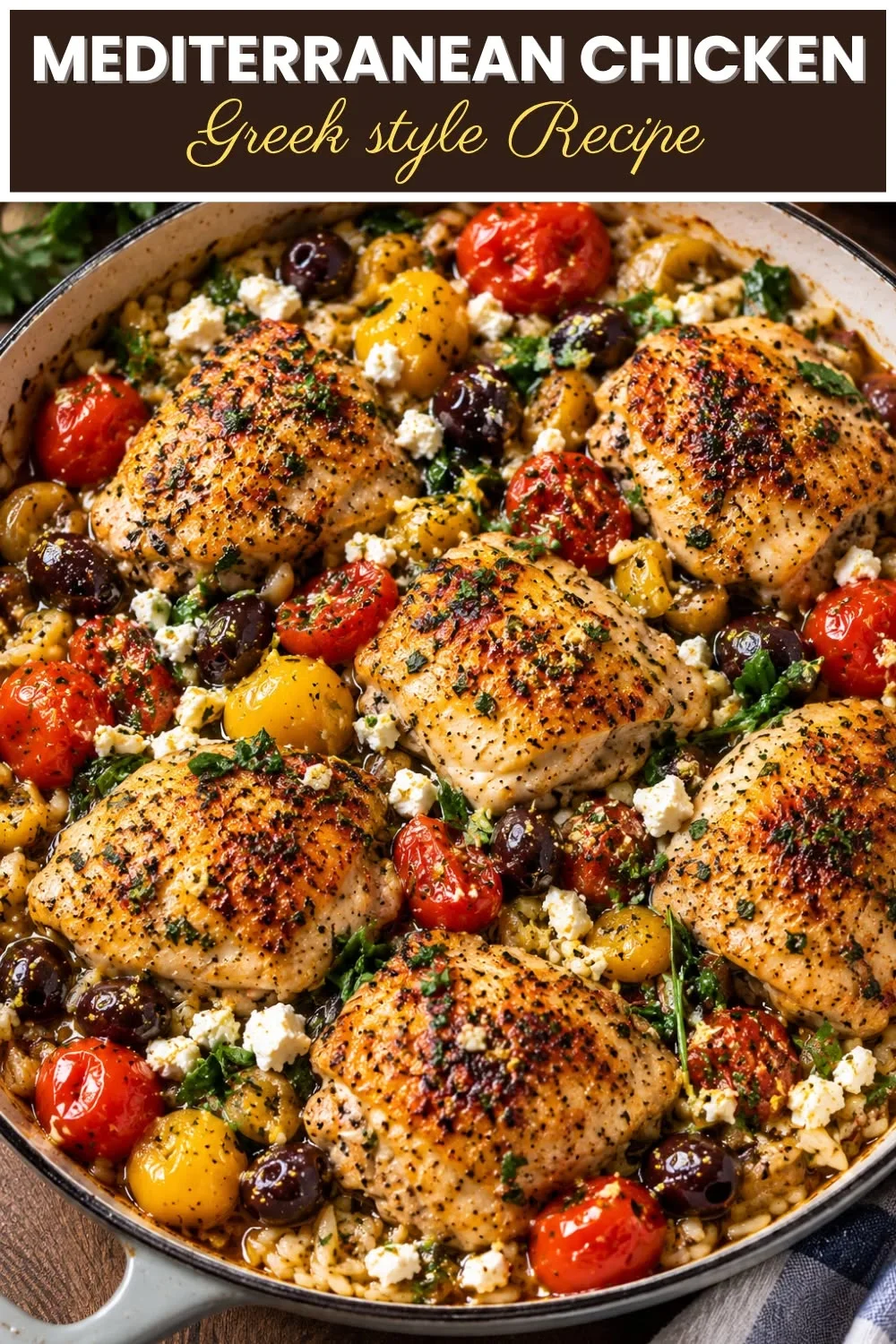
THE BEST N°1 Easy Greek Mediterranean Chicken Recipe | Juicy, Lemon & Garlic
If you have been searching for a dinner that is bold, bright, and completely satisfying, this easy Greek Mediterranean chicken recipe is exactly what you need. Packed with fresh lemon, garlic, and classic herbs, it delivers restaurant-quality flavor with minimal effort. Whether you are cooking for one or feeding a crowd, this dish checks every box.
In this post, you will find everything from the full history of the dish to a step-by-step cooking guide, batch prep tips, storage advice, and a complete nutrition breakdown. You will also get answers to the most common questions home cooks ask about making Greek chicken perfectly every time.
This recipe works beautifully as a weeknight dinner, a meal prep staple, or the centerpiece of a weekend spread. Keep reading and you will never look at chicken the same way again.
Table of Contents
Personal Note
The first time I made this dish, I was standing in a tiny kitchen with nothing but a lemon, some garlic, and a pack of chicken thighs in the fridge. I threw everything together on instinct and ended up with something so good I made it again the very next day. That experience completely changed how I think about simple cooking.
What I love most about Greek-inspired cooking is how honest it is. You are not hiding anything behind heavy sauces or complicated techniques. The ingredients speak for themselves, and the flavors are clean, vibrant, and deeply satisfying.
I have made this recipe dozens of times now, tweaking ratios and trying different cuts, and I am confident this version is the best it can be. I want you to have the same experience I had, that first bite that stops you mid-chew and makes you think, “I cannot believe I made this.”
Origins of the Dish
Greek cuisine has roots stretching back thousands of years, shaped by geography, trade routes, and a deep respect for seasonal, local ingredients. The ancient Greeks used olive oil, citrus, wild herbs, and lean proteins as the foundation of their daily diet. These same principles survive almost unchanged in modern Greek cooking, which is a remarkable testament to how timeless this food philosophy truly is.
Lemon and garlic chicken, in various forms, has been a staple across Greece for centuries. In rural households, whole chickens were traditionally marinated overnight in olive oil, lemon juice, garlic, and dried oregano before being roasted over an open fire or in a wood-burning oven. The result was always crispy on the outside, impossibly juicy on the inside, and fragrant enough to bring the entire neighborhood to your door.
The dish known as “Kotopoulo Lemonato” – which translates roughly to lemon chicken – is one of the most beloved Sunday meals in Greek homes. It is typically prepared with bone-in pieces and served alongside roasted potatoes that soak up all those incredible pan drippings. Regional variations exist across the mainland and the islands, but the core trio of lemon, garlic, and olive oil remains constant everywhere.
What makes this dish so fitting for a modern meal prep approach is its incredible versatility. Greek cooks have always made large batches to feed extended families and to carry flavor through the week in sandwiches, salads, and grain bowls. That tradition of cooking once and eating well for days is something we celebrate here at MedMealPrep, and this easy Greek Mediterranean chicken recipe is one of the finest examples of that approach in action.
Why You’ll Love This Recipe
This is not just another chicken recipe. It is the kind of dish that earns a permanent spot in your weekly rotation because it delivers on every level, flavor, ease, nutrition, and versatility.
- Ready in under 45 minutes – From marinade to table, the whole process is fast and stress-free, even on the busiest weeknights.
- Minimal ingredients – You likely have most of what you need already sitting in your pantry and fridge right now.
- Incredibly juicy every time – The lemon-based marinade tenderizes the chicken and locks in moisture so it never dries out during cooking.
- Works with multiple cooking methods – Grill it, bake it, or pan-sear it, the results are consistently outstanding across all three.
- Perfect for meal prep – It stores beautifully and tastes even better the next day once the flavors have had time to deepen.
- Naturally gluten-free – No flour, no breading, no thickeners, just pure clean flavor from real ingredients.
- Family-friendly – Even picky eaters tend to love the bright, familiar flavors of lemon, garlic, and herbs.
- Pairs with almost anything – Serve it with rice, roasted vegetables, flatbread, salad, or grain bowls without missing a beat.
- High in protein – Each serving delivers a solid protein hit that keeps you full and energized for hours.
- Scales up easily – Double or triple the batch with zero extra complexity, making it ideal for large families or weekly meal prep sessions.
Health Benefits and Ingredient Highlights
Every ingredient in this recipe was chosen with both flavor and function in mind. Here is a closer look at what makes each component so valuable.
Chicken Thighs or Breasts
Chicken is one of the most efficient sources of lean protein available. A single serving provides around 25-30 grams of protein, which supports muscle repair, satiety, and metabolic function. It is also rich in B vitamins, particularly niacin and B6, which help your body convert food into usable energy.
Thighs offer a slightly higher fat content than breasts, which makes them more forgiving to cook and richer in flavor. If you are watching your fat intake, boneless skinless breasts are an excellent swap without sacrificing too much on the juiciness front, especially with a good marinade holding moisture in.
Fresh Lemon Juice and Zest
Fresh lemon is not just a flavor booster – it is a functional ingredient. The citric acid in lemon juice acts as a natural tenderizer, breaking down the proteins in chicken slightly so the final texture is remarkably tender. It also brightens the entire dish and balances the richness of the olive oil perfectly.
Lemon zest contains concentrated essential oils that deliver a floral, intense citrus punch that juice alone cannot replicate. It is also a source of vitamin C and antioxidants, which support immune health. Using both the juice and the zest gives you maximum citrus impact in every bite.
Garlic
Garlic is one of the most studied functional foods in the world. It contains allicin, a compound with well-documented antimicrobial and anti-inflammatory properties. Regular consumption of garlic is associated with cardiovascular support, improved immune response, and reduced oxidative stress.
From a culinary standpoint, garlic adds an irreplaceable savory depth to the marinade. When it cooks, its sharp raw bite mellows into something sweet and nutty, which rounds out the bright acidity of the lemon beautifully. Use fresh cloves here rather than pre-minced jarred garlic for the best flavor result.
Extra Virgin Olive Oil
Extra virgin olive oil is the cornerstone of Greek cooking and one of the healthiest fats you can include in your diet. It is rich in oleocanthal, a natural compound that works similarly to ibuprofen in reducing inflammation in the body. It is also high in monounsaturated fatty acids, which are linked to heart health and healthy cholesterol levels.
In this recipe, olive oil serves as the base of the marinade, helping carry fat-soluble flavor compounds from the herbs and garlic deep into the chicken. It also promotes browning and crisping during cooking, giving you that golden color and slightly crispy exterior everyone loves.
Dried Oregano
Greek oregano is more intensely flavored than its Italian counterpart, and it is the defining herb of this dish. It contains carvacrol and thymol, two compounds with antioxidant and antimicrobial properties. Even in the small quantities used in cooking, oregano contributes meaningful nutritional value alongside its aromatic punch.
When combined with lemon and garlic, dried oregano creates the classic trifecta of Greek flavor that is instantly recognizable. Use good-quality Greek oregano if you can find it, as the difference in potency and fragrance compared to generic dried oregano is noticeable.
Fresh or Dried Thyme
Thyme adds a subtle earthiness that complements the brightness of lemon without competing with it. It is a source of vitamins C and A, and like oregano, it contains antimicrobial compounds that have been used in folk medicine for centuries. It rounds out the herb profile of the marinade with warmth and complexity.
Fresh thyme sprigs are beautiful if you have them, but dried thyme works just as well in a marinade. The drying process concentrates the essential oils, so you get strong flavor from just a small amount.
Sea Salt and Black Pepper
Sea salt is essential for drawing moisture to the surface of the chicken during marinating, then reabsorbing it back into the meat with all those flavors carried along. This process, known as dry brining when salt is used alone, dramatically improves both texture and taste. Using it in a wet marinade achieves a similar result.
Freshly cracked black pepper adds a subtle heat and contains piperine, a compound that enhances the bioavailability of other nutrients including those in turmeric if you choose to add it as a variation. Always use freshly cracked pepper over pre-ground for the best flavor impact.
Ingredients
This recipe serves 4 people. Scale up easily for meal prep by doubling or tripling quantities.
- 4 boneless, skinless chicken thighs (about 600g / 1.3 lbs) – (substitute with boneless chicken breasts if preferred)
- 3 tablespoons extra virgin olive oil – (substitute with avocado oil for a higher smoke point)
- 3 tablespoons fresh lemon juice – (from about 1.5 lemons; bottled lemon juice works in a pinch but fresh is strongly preferred)
- 1 teaspoon lemon zest – (from the same lemons you juice)
- 4 garlic cloves, minced – (substitute with 1 teaspoon garlic powder if fresh is unavailable)
- 1.5 teaspoons dried Greek oregano – (substitute with Italian oregano, using slightly more for comparable flavor)
- 1 teaspoon dried thyme – (or 1 tablespoon fresh thyme leaves)
- 1 teaspoon sea salt – (or kosher salt)
- 0.5 teaspoon freshly cracked black pepper
- 0.5 teaspoon smoked paprika – (adds color and mild smoky depth; optional but recommended)
- 0.25 teaspoon red pepper flakes – (optional, for a subtle kick of heat)
- Fresh parsley, roughly chopped, for garnish
- Lemon wedges, for serving
Step-by-Step Instructions
Follow these steps carefully and you will have a perfectly cooked, deeply flavorful easy Greek Mediterranean chicken recipe every single time.
- Make the marinade. In a large bowl or zip-lock bag, whisk together the olive oil, lemon juice, lemon zest, minced garlic, oregano, thyme, sea salt, black pepper, smoked paprika, and red pepper flakes. Stir until everything is fully combined and the mixture looks uniform and fragrant.
- Score the chicken. Using a sharp knife, make two or three shallow cuts across the thickest part of each chicken piece. This allows the marinade to penetrate deeper into the meat and ensures the chicken absorbs maximum flavor throughout.
- Marinate the chicken. Add the chicken pieces to the marinade and turn them several times to coat completely on all sides. Cover and refrigerate for a minimum of 30 minutes, though 2-4 hours is ideal. If you have more time, marinating overnight in the refrigerator will produce the most flavorful result.
- Bring to room temperature. About 15-20 minutes before you plan to cook, remove the chicken from the fridge and let it sit at room temperature. This helps the chicken cook more evenly and prevents the outside from overcooking before the inside is done.
- Preheat your cooking surface. If baking, preheat your oven to 200°C (400°F) and line a baking tray with parchment paper or lightly grease it. If pan-searing, heat a cast iron or heavy skillet over medium-high heat. If grilling, preheat your grill to medium-high and lightly oil the grates.
- Cook the chicken. For baking: place chicken on the prepared tray and bake for 22-28 minutes, flipping once halfway through. For pan-searing: cook 5-7 minutes per side until golden and cooked through. For grilling: grill 5-6 minutes per side, closing the lid between turns to maintain heat and get those beautiful grill marks.
- Check for doneness. The internal temperature of the chicken must reach 74°C (165°F) when measured at the thickest part with an instant-read thermometer. If you do not have a thermometer, cut into the thickest piece – the juices should run clear and the meat should not be pink at the center.
- Rest the chicken. Transfer the cooked chicken to a cutting board or plate and cover loosely with foil. Let it rest for 5 minutes before cutting into it. Resting allows the juices to redistribute throughout the meat so none of that moisture is lost when you slice it.
- Slice, garnish, and serve. Slice the chicken against the grain or leave pieces whole. Scatter fresh parsley over the top and serve with lemon wedges on the side. Pair with your favorite side dishes and enjoy immediately for the best texture and flavor.
Make It Ahead and Batch Prep Guide
This easy Greek Mediterranean chicken recipe was practically designed for batch cooking. The marinade takes five minutes to mix, and once it is made, it works equally well whether you are cooking two pieces or twenty. The smartest approach is to prep a large batch on Sunday evening so you have ready-to-eat protein available every day of the week without any extra effort.
To batch prep effectively, multiply the recipe by however many servings you need for the week. Divide the marinated raw chicken into separate zip-lock bags or airtight containers, with one bag per meal portion. You can keep one or two bags in the fridge to cook that day or the next, and freeze the remaining bags flat so they stack neatly and thaw quickly when needed. Label each bag with the date so you stay organized.
Once the chicken is cooked, let it cool completely before portioning it into meal prep containers. Combine it with your chosen sides – think roasted vegetables, cooked grains like bulgur or quinoa, or a simple Greek salad – and you have full balanced meals ready to go. These containers will keep in the fridge for up to four days and reheat beautifully in just a couple of minutes.
One powerful tip for batch prep is to intentionally undercook the chicken very slightly when you know it will be reheated later. Pulling it from the oven at 165°F rather than letting it go higher means that when you reheat it, it reaches perfect doneness without drying out. This small adjustment makes a noticeable difference in the final texture of your reheated meals. Greek Chicken Bowl Meal Prep Recipe
Common Mistakes to Avoid
Even a simple recipe like this one can go sideways if you skip a few key steps. Here are the most common mistakes and exactly how to avoid them.
- Not marinating long enough. A 10-minute marinade barely flavors the surface of the chicken. You need at least 30 minutes for the flavors to penetrate, and 2-4 hours gives you a noticeably richer result. Overnight is the gold standard whenever you have the time to plan ahead.
- Marinating too long in an acidic marinade. On the other side of the spectrum, leaving chicken in a heavily acidic lemon marinade for more than 24 hours can actually start to break down the protein fibers too aggressively, leaving you with a mealy, mushy texture. Stick to the 2-12 hour window for best results.
- Skipping the rest period after cooking. Cutting into chicken immediately after it comes off the heat causes all the internal juices to run out onto your cutting board rather than staying in the meat. A 5-minute rest is non-negotiable for juicy chicken, so do not rush this step.
- Using bottled lemon juice exclusively. Bottled lemon juice is processed and often contains additives that give it a slightly artificial or metallic edge when compared to fresh. The difference in flavor is real and noticeable, especially in a simple dish where lemon is a primary flavor component.
- Cooking straight from the fridge. Cold chicken placed directly onto a hot pan or into a hot oven cooks unevenly, resulting in a dry exterior before the center reaches safe temperature. Always allow 15-20 minutes of counter time before cooking to bring the temperature closer to room temperature.
- Overcrowding the pan or baking tray. When chicken pieces are crammed together, they steam rather than sear or roast. This prevents browning and results in a soggy, pale exterior instead of that golden caramelized crust. Leave at least an inch of space between each piece, and use two pans if necessary.
Notes, Tips and Variations
Substitutions
If chicken thighs are not available, boneless skinless chicken breasts work well but require slightly less cooking time since they are leaner and can dry out more quickly. Bone-in skin-on pieces are another excellent option and will produce even richer flavor and crispier skin, though cooking time will increase to 35-45 minutes in the oven.
Fresh herbs can replace dried at a 3-to-1 ratio – so use 1.5 tablespoons of fresh oregano in place of 1.5 teaspoons of dried. Avocado oil can replace olive oil if you are cooking at very high temperatures, as it has a higher smoke point. Lime juice works as a lemon substitute in a pinch, though the flavor profile will shift slightly toward a more tropical note.
Dietary Variations
This recipe is naturally gluten-free, dairy-free, and paleo-friendly without any modifications needed. If you are following a low-sodium diet, reduce the sea salt to 0.5 teaspoon and rely more heavily on the herbs, lemon, and garlic to carry the flavor. The dish still tastes vibrant and satisfying with the reduced salt.
For a Whole30-compliant version, simply confirm your olive oil and spices are free from additives. The core recipe as written is already compatible. Vegetarians can apply this same marinade to firm tofu, halloumi slices, or large portobello mushrooms for an equally delicious plant-based version.
Cooking Tips
A cast iron skillet is the best tool for pan-searing this chicken. It retains heat exceptionally well and creates the kind of deep, even golden crust that a thinner non-stick pan simply cannot match. If you are using a regular skillet, make sure the oil is shimmering hot before the chicken goes in to prevent sticking.
When baking, place the chicken on a wire rack set inside the baking tray rather than directly on the tray. This allows hot air to circulate underneath the chicken, promoting even browning on all sides without the bottom sitting in its own juices. It is a small change that makes a meaningful difference in texture. Baked Greek Chicken Thighs with Vegetables
Topping Ideas and Flavor Boosters
Once your easy Greek Mediterranean chicken recipe is plated, these additions can take it from great to absolutely unforgettable.
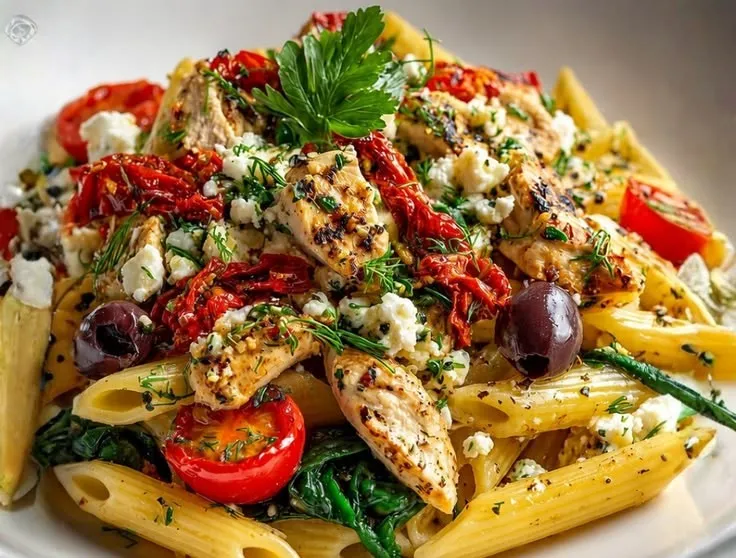
- Tzatziki sauce – A cool, garlicky cucumber yogurt sauce that is the classic accompaniment to Greek chicken and adds creaminess and freshness simultaneously.
- Crumbled feta cheese – Salty, tangy, and slightly creamy, feta scattered over sliced chicken elevates the whole dish in just seconds.
- Kalamata olives – Their briny, slightly bitter flavor contrasts beautifully with the bright citrus of the marinade.
- Sliced cucumber and tomato – A quick informal Greek salad served alongside or on top adds freshness and crunch.
- Roasted red peppers – Sweet, smoky, and soft, they complement the herby chicken without overwhelming it.
- Toasted pine nuts – Add a buttery, nutty crunch that provides textural contrast and a touch of richness.
- Fresh dill – Bright and slightly anise-like, fresh dill is a classic Greek herb that pairs brilliantly with lemon and chicken.
- Hummus drizzle – A spoonful of smooth hummus under the chicken works as a creamy, protein-rich base that makes the whole plate more substantial.
- Pomegranate seeds – Their jewel-like color and pop of sweet acidity make the dish stunning to look at and even better to eat.
- Harissa paste – If you want heat, a small swipe of harissa on the plate beneath the chicken adds North African-inspired spice and depth.
- Extra lemon wedges with flaky sea salt – Never underestimate the finishing power of a squeeze of fresh lemon and a pinch of flaky salt right at the table.
- Sumac – A tangy, lemony Middle Eastern spice that dusted lightly over the finished chicken adds another citrus dimension and gorgeous color.
Who This Recipe Is For
This dish genuinely works for a wide range of people, lifestyles, and goals. If any of the following describes you, this recipe belongs in your kitchen.
- Busy professionals who need fast, nutritious meals that do not feel like a compromise on flavor or quality.
- Meal prep beginners who want an approachable, forgiving recipe to build their weekly cooking routine around.
- Fitness enthusiasts who rely on high-protein meals to support their training and recovery goals.
- Parents and home cooks looking for a crowd-pleasing dinner that the whole family will eat without complaints.
- People eating gluten-free who want a naturally compliant protein option that does not feel restrictive or bland.
- Greek food lovers who want to recreate those vacation flavors at home without needing specialist ingredients.
- Budget-conscious cooks looking for a recipe that costs very little per serving while still tasting genuinely impressive.
- Anyone new to cooking who wants a recipe that practically teaches itself through simple, logical steps.
- Entertaining hosts who need a dish that scales up easily and can be prepped ahead without any last-minute stress.
Storage and Meal Prep Tips
Refrigerator
Once the chicken has cooled completely to room temperature, transfer it to airtight containers or zip-lock bags. Cooked chicken stored in the refrigerator will stay fresh and safe to eat for up to 4 days. Store the chicken with any pan juices you collected during cooking – these juices keep the meat moist during storage and add extra flavor when you reheat.
For best results, store the chicken and your side dishes in separate compartments rather than mixing everything together. This preserves the texture of each component and gives you more flexibility to mix and match meals throughout the week. Glass containers are preferable over plastic for storing acidic foods like lemon-marinated chicken, as they do not absorb odors or flavors.
Freezer
This chicken freezes exceptionally well, making it a great candidate for longer-term batch prep. Let it cool completely, then wrap individual pieces tightly in plastic wrap before placing them into a freezer-safe bag or container. This double-layer approach prevents freezer burn and extends quality. Frozen cooked chicken stays good for up to 3 months.
You can also freeze the raw marinated chicken before cooking. Place the chicken and marinade together in a freezer bag, press out as much air as possible, and freeze flat. It will marinate as it thaws in the fridge, so you get double benefit – the chicken is both preserved and flavored simultaneously. Thaw overnight in the refrigerator before cooking.
Reheating
The best way to reheat this chicken without drying it out is in a covered skillet with a splash of water or chicken broth over medium-low heat for 3-5 minutes. The steam created by the liquid keeps the meat moist while gently warming it through. This method preserves the juicy texture far better than a microwave on full power.
If using a microwave, place the chicken in a microwave-safe dish, add a small splash of water or broth, cover with a damp paper towel or microwave-safe lid, and reheat on 70% power in 90-second intervals until warmed through. Reheating at full power is the most common reason meal-prepped chicken ends up dry and rubbery, so the lower power setting makes a significant difference. How to Reheat Meal Prep Chicken Without Drying It Out
Nutrition Facts
The following values are approximate per serving based on a 4-serving yield using boneless skinless chicken thighs. Actual values may vary slightly depending on exact ingredients and cooking method used.
| Nutrient | Per Serving |
|---|---|
| Calories | 285 kcal |
| Protein | 28g |
| Total Carbohydrates | 3g |
| Total Fat | 18g |
| Saturated Fat | 3.5g |
| Dietary Fiber | 0.5g |
| Total Sugar | 0.5g |
| Sodium | 420mg |
| Vitamin C | 12% DV |
| Iron | 8% DV |
FAQs
Can I use chicken breasts instead of thighs for this recipe?
Absolutely. Boneless skinless chicken breasts work well in this recipe and will produce a leaner result. The main difference is that breasts are less forgiving of overcooking, so watch them closely and pull them off the heat as soon as they reach 165°F internally. The marinade’s moisture-locking properties help significantly, but you will get the juiciest results by not letting them go even slightly past done.
How long should I marinate the chicken?
A minimum of 30 minutes will give you decent flavor, but 2-4 hours is the sweet spot for this easy Greek Mediterranean chicken recipe. Overnight marinating delivers the deepest, most complex flavor and the most tender texture. Avoid going beyond 24 hours in a lemon-heavy marinade, as the acidity can begin to break down the protein fibers too much, resulting in a slightly mushy texture.
Can I cook this recipe in an air fryer?
Yes, the air fryer works wonderfully for this chicken. Preheat your air fryer to 190°C (375°F), place the marinated chicken in the basket in a single layer without overlapping, and cook for 15-18 minutes, flipping once at the halfway point. The result is beautifully golden on the outside with an incredibly juicy center. It is actually one of the fastest cooking methods available for this recipe.
What sides pair best with Greek lemon garlic chicken?
The options are nearly endless. Classic pairings include roasted potatoes with herbs, lemon rice, orzo pasta with olive oil and feta, a simple Greek salad of tomatoes, cucumber, olives, and feta, or steamed green beans with a drizzle of olive oil. For meal prep, cooked quinoa or bulgur wheat make excellent grain bases that absorb the chicken’s pan juices beautifully and keep well throughout the week.
Is this recipe suitable for freezing raw with the marinade?
Yes, and it is actually one of the best ways to get ahead with meal prep. Place the raw chicken and marinade together in a zip-lock freezer bag, press out all the air, seal it tightly, and freeze flat. The chicken will continue to absorb the marinade as it slowly thaws in the refrigerator overnight. The result is deeply flavored chicken that you can cook straight away after thawing with absolutely no additional prep required.
Conclusion
This easy Greek Mediterranean chicken recipe proves that incredible food does not have to be complicated. With a handful of pantry staples, a good marinade, and a little patience, you can produce something that tastes like it came from a restaurant kitchen rather than your weeknight routine. The lemon, garlic, and herb combination is timeless for a reason, and once you make this, you will understand exactly why it has been a cornerstone of Greek cooking for generations.
Whether you are using it as a quick dinner, a meal prep anchor for the week, or a dish to impress guests at a weekend gathering, this recipe will not let you down. The steps are simple, the results are consistent, and the flavor is genuinely outstanding every single time. That is the kind of recipe worth having in your rotation.
Now it is your turn. Grab those lemons, peel that garlic, and make it happen. Leave a comment below and let me know how yours turned out, what sides you paired it with, or any fun variations you tried. I would love to hear from you.