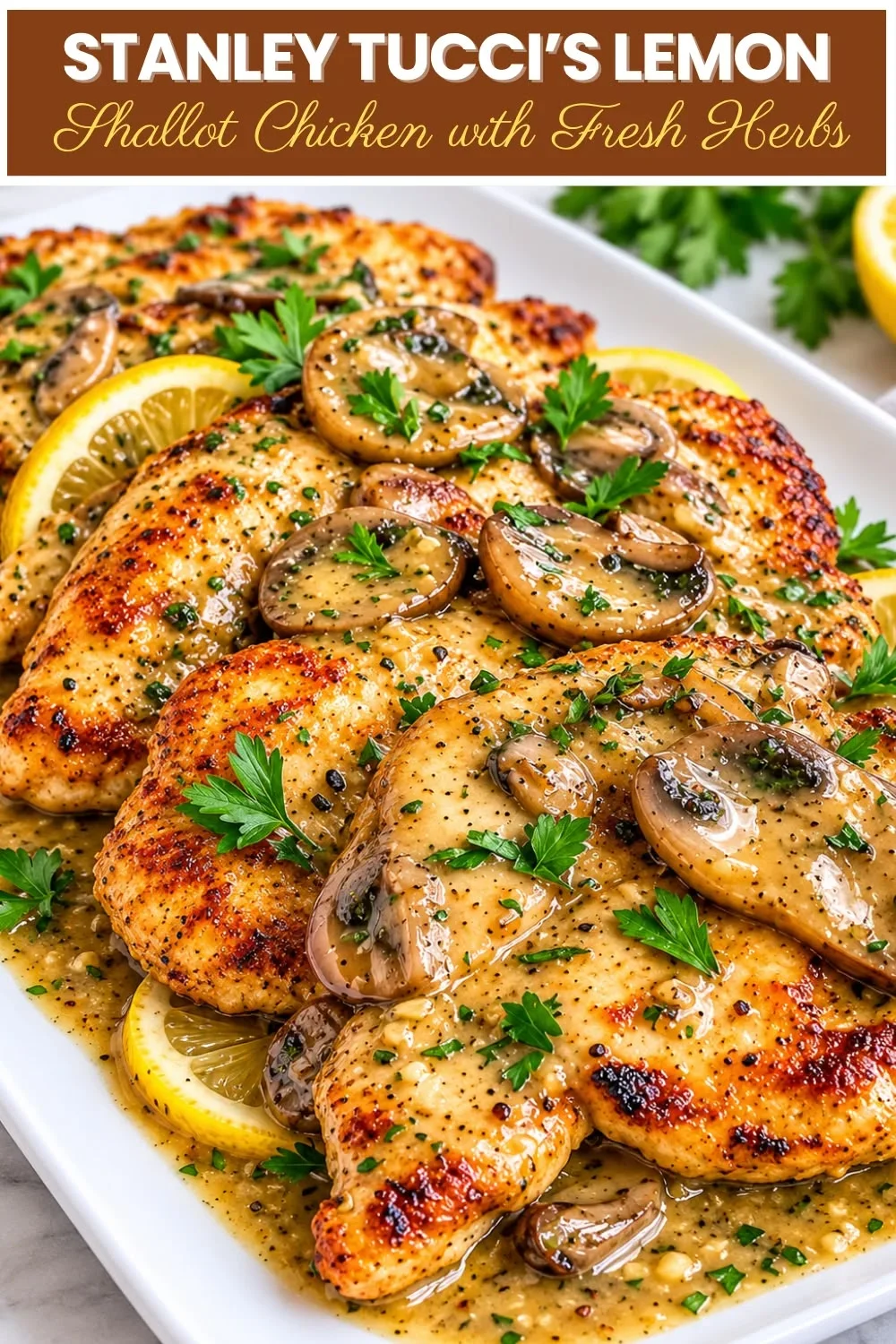
THE BEST N°1 Mediterranean Stanley Tucci Lemon Shallot Chicken with Fresh Herbs | High Protein Meal Prep
If you’ve ever watched Stanley Tucci explore the sun-drenched coastlines of Italy, you already know that Mediterranean food is more than just a diet – it’s a lifestyle rooted in bold flavors, simple ingredients, and deeply satisfying meals. This Mediterranean Stanley Tucci Lemon Shallot Chicken with Fresh Herbs brings that same energy straight to your meal prep routine, and it delivers serious protein in every single bite.
This recipe layers bright lemon zest, sweet caramelized shallots, and fragrant fresh herbs over juicy, tender chicken – creating a dish that feels indulgent but fuels your body like a champion. Whether you’re prepping Sunday meals for the week or cooking a fresh weeknight dinner, this one checks every box you care about.
In this post, you’ll find the full recipe with step-by-step instructions, a deep dive into the health benefits of every key ingredient, batch cooking strategies, storage tips, and answers to your most common questions. Let’s get into it.
Table of Contents
Personal Note
The first time I made a lemon-herb chicken dish inspired by Italian coastal cooking, I understood why Mediterranean food has stood the test of thousands of years. There’s something deeply grounding about cooking with olive oil, fresh citrus, and hand-picked herbs – it connects you to something much bigger than a macro count or a calorie target.
What drew me to this particular preparation – inspired by Stanley Tucci’s travels through Sicily and Tuscany – was how it respects the protein without hiding it. The chicken is the star, and every other ingredient is there to elevate it, not cover it up. That’s the soul of high-protein Mediterranean cooking.
I’ve made this recipe dozens of times now, tweaking the shallot ratio, adjusting the herb blend, and experimenting with different cooking methods. What you’re getting here is the most dialed-in, protein-rich, flavor-forward version I’ve ever put together. I genuinely think it’s going to become a weekly staple in your kitchen.
Origins of the Dish
Stanley Tucci’s exploration of Italian cuisine – documented across his beloved CNN series “Searching for Italy” – brought global attention to dishes that locals have cooked for generations without fanfare. One recurring theme throughout his journey was the Italian genius for cooking simple proteins with nothing more than acid, alliums, and fresh herbs. Lemon chicken preparations, in particular, appear across Sicilian, Roman, and Tuscan kitchens with surprising consistency.
The combination of lemon and shallots in chicken dishes has roots tracing back to ancient Mediterranean culinary traditions. Shallots were prized across the Eastern Mediterranean, particularly in Greece and the Levant, for their milder sweetness compared to onions. When Arab traders and later Norman conquerors introduced new citrus varieties to Sicily, local cooks began pairing sharp lemon juice with slow-cooked alliums to create a sauce that was simultaneously bright and mellow – a flavor profile that became a cornerstone of Southern Italian cooking.
Fresh herbs have always been the backbone of Mediterranean protein cooking. Unlike heavily spiced cuisines, the Mediterranean approach uses rosemary, thyme, oregano, and parsley not just as garnish, but as structural flavor elements. In many traditional Italian homes, herb bundles were kept hanging in the kitchen all year, and you simply grabbed what you needed based on what protein you were cooking. Chicken was almost always matched with rosemary and thyme, lemon providing the acid balance that made the dish feel complete.
What makes this dish perfectly aligned with the Mediterranean high-protein lifestyle is not just its cultural heritage – it’s the macronutrient profile that emerges naturally from cooking this way. Lean chicken breast or thigh, cooked in heart-healthy olive oil, paired with antioxidant-rich herbs and vitamin C-loaded lemon – this is the kind of meal that athletes, active professionals, and health-conscious eaters in coastal Mediterranean towns have relied on for centuries without ever calling it “meal prep.” For us, it’s the perfect bridge between ancestral food wisdom and modern nutritional science.
Why You’ll Love This Recipe
Beyond the flavor and the cultural story, this Mediterranean Stanley Tucci Lemon Shallot Chicken gives you a long list of practical reasons to add it to your regular rotation. Here’s what makes it stand out from the dozens of chicken recipes already in your life.
- High protein per serving – Each portion delivers 40+ grams of lean protein, making it ideal for muscle building, recovery, and satiety throughout the day.
- Authentically Mediterranean – Every ingredient aligns with the traditional Mediterranean diet framework, using whole foods, healthy fats, and anti-inflammatory herbs.
- Meal prep-friendly – This dish holds up beautifully in the fridge for up to five days and reheats without drying out when done correctly.
- Minimal ingredients, maximum flavor – You need fewer than 12 ingredients, most of which you likely already have in your pantry or herb garden.
- Flexible for any eating style – Works naturally with gluten-free, dairy-free, and paleo approaches with zero modifications needed.
- Beginner-friendly technique – The cooking method is straightforward – sear, build the sauce, finish in the oven. No advanced skills required.
- Scales easily for batch cooking – Double or triple the recipe with no change to flavor or technique, making large-batch prep completely stress-free.
- Pairs with everything – Serve it over grains, alongside roasted vegetables, with a simple salad, or tucked into a wrap. Endless versatility.
- Family and crowd approved – The flavor profile is bold enough to impress guests but familiar enough that picky eaters will come back for seconds.
- Quick enough for weeknights – From start to finish, you’re looking at under 45 minutes, including prep time and resting.
Health Benefits and Ingredient Highlights
Every ingredient in this recipe was chosen with intention. Here’s a detailed breakdown of what each one does for your body, your performance, and your long-term health when eaten as part of a high-protein Mediterranean lifestyle.
Chicken Breast and Thighs
Chicken is the cornerstone protein in Mediterranean high-protein meal prep for good reason. A single 6-ounce chicken breast contains roughly 40 to 45 grams of complete protein, providing all nine essential amino acids your body needs for muscle repair, immune function, and enzyme production.
Chicken thighs offer a slightly higher fat content – primarily from oleic acid, the same monounsaturated fat found in olive oil – which contributes to better fat-soluble vitamin absorption and richer flavor. For meal prep purposes, thighs are more forgiving during reheating because the additional fat prevents them from drying out the way breast meat sometimes can.
Both cuts are excellent sources of B vitamins, particularly niacin and B6, which are critical for energy metabolism and neurological function. If you’re active and training regularly, adequate B vitamin intake directly supports how efficiently your body converts food into usable energy.
Extra Virgin Olive Oil
Extra virgin olive oil is non-negotiable in authentic Mediterranean cooking, and the science continues to back up what coastal communities have known for millennia. It’s rich in oleocanthal, a natural compound with anti-inflammatory properties comparable to low-dose ibuprofen, making it especially valuable for active individuals managing workout-related inflammation.
The monounsaturated fats in EVOO have been shown in multiple large-scale studies, including the landmark PREDIMED trial, to significantly reduce cardiovascular risk markers. When you’re eating high amounts of protein, having a healthy fat source like olive oil helps balance your macronutrient profile and supports hormonal function.
For cooking purposes, a good quality EVOO with a smoke point around 375 to 405 degrees Fahrenheit is perfectly appropriate for the searing stage of this recipe. Use it generously – this is not the place to cut corners on quality or quantity.
Shallots
Shallots might look like a minor ingredient, but they bring serious nutritional weight to this dish. They’re loaded with quercetin, a powerful flavonoid antioxidant that has been studied for its ability to reduce oxidative stress and support cardiovascular health. Quercetin is also associated with improved exercise recovery, which makes it a natural fit for a high-protein athletic nutrition approach.
Shallots also contain allicin precursors similar to those found in garlic, giving them gentle antimicrobial and immune-supportive properties. Their natural sugars caramelize beautifully during cooking, creating a depth of flavor that sweetens and mellows the acidic lemon without requiring any added sugar.
Fresh Lemon – Juice and Zest
Lemon is one of the most powerful flavor tools in Mediterranean cooking, and its health credentials match its culinary value. The juice is rich in vitamin C, which plays a direct role in collagen synthesis – essential for joint health, skin integrity, and connective tissue repair. For anyone doing resistance training, adequate vitamin C intake supports faster recovery from intense workouts.
Lemon zest contains concentrated amounts of limonene, a bioactive compound found in citrus peel that has been associated with anti-inflammatory and potential anticancer properties in preliminary research. It also provides essential oils that give the dish its signature bright, aromatic quality – a quality that plain lemon juice alone cannot replicate.
From a culinary nutrition perspective, the acid in lemon juice also helps break down protein fibers slightly during marinating, resulting in more tender meat with better texture after cooking. It’s doing double duty every time you use it.
Fresh Rosemary and Thyme
These two herbs are the backbone of the flavor profile in this Mediterranean Stanley Tucci Lemon Shallot Chicken, and they’re doing far more than adding aroma. Rosemary contains rosmarinic acid and carnosol, two potent antioxidants that have been studied for their neuroprotective and anti-inflammatory effects. Regular consumption of rosemary, even in small culinary amounts, is associated with improved memory function and reduced brain inflammation markers.
Thyme is one of the highest antioxidant-density herbs available, with a remarkable ORAC (oxygen radical absorbance capacity) value. It also contains thymol, a natural antimicrobial compound that supports gut health and immune function. When you’re eating high-protein meals daily, supporting gut integrity is essential for ensuring proper amino acid absorption.
Fresh Parsley
Parsley is often treated as a garnish, but it deserves recognition as a genuine nutritional powerhouse. It’s one of the richest dietary sources of vitamin K, which is critical for bone metabolism and calcium regulation – important for anyone doing weight-bearing exercise. A generous handful of fresh parsley also contributes meaningful amounts of folate, iron, and vitamin A.
The volatile oils in fresh parsley, particularly myristicin and apiol, have demonstrated anti-tumor properties in early laboratory studies, and parsley consumption is consistently associated with reduced chronic disease risk in epidemiological research. Add it at the very end of cooking to preserve these fragile but powerful compounds.
Garlic
Garlic is essentially the secret weapon of Mediterranean cooking, and the science behind its health benefits is extensive and well-documented. Allicin, the sulfur compound released when garlic is crushed or minced, has been shown to lower LDL cholesterol, reduce blood pressure, and exert strong antimicrobial effects across multiple clinical studies.
From a performance nutrition standpoint, garlic has been shown to reduce exercise-induced fatigue and improve oxygen utilization during physical activity. Including it regularly in your high-protein meals adds a layer of functional nutrition that goes well beyond basic macro tracking.
Chicken or Vegetable Broth
A good quality broth forms the base of the pan sauce in this recipe and adds an extra layer of collagen-rich gelatin when made from bones. Even store-bought low-sodium broth contributes meaningful amounts of electrolytes and depth of flavor that water simply cannot replicate.
For high-protein meal preppers specifically, using bone broth in place of regular broth adds an additional 6 to 10 grams of collagen protein per cup, boosting the total protein content of the dish even further. This is an easy, often overlooked upgrade that makes a real difference in both flavor and nutrition.
Ingredients
This recipe serves 4 generously. Scale up freely for batch prep – the ratios hold perfectly at double or triple quantities.
- 4 large boneless, skinless chicken breasts – about 6 to 8 oz each (or substitute bone-in thighs for more flavor and moisture)
- 3 tablespoons extra virgin olive oil, divided (use a high-quality cold-pressed variety)
- 4 large shallots, thinly sliced (substitute with 1 medium red onion if shallots are unavailable)
- 5 cloves of garlic, minced (or 1 teaspoon garlic powder in a pinch, though fresh is strongly preferred)
- Zest of 2 large lemons (always zest before juicing)
- Juice of 2 large lemons – about 6 tablespoons (Meyer lemons work beautifully if in season)
- 1/2 cup low-sodium chicken broth (substitute vegetable broth to keep it lighter, or bone broth for extra protein)
- 2 tablespoons fresh rosemary leaves, finely chopped (or 2 teaspoons dried rosemary)
- 2 tablespoons fresh thyme leaves (or 1.5 teaspoons dried thyme)
- 1/4 cup fresh flat-leaf parsley, roughly chopped (curly parsley works but flat-leaf has more flavor)
- 1 teaspoon Dijon mustard (adds emulsification to the sauce and a subtle sharpness)
- 1 teaspoon sea salt (or kosher salt)
- 1/2 teaspoon freshly cracked black pepper
- 1/4 teaspoon red pepper flakes (optional, for a gentle Calabrian-style heat)
- 1 tablespoon capers, drained (optional but highly recommended – adds a briny, salty depth)
Step-by-Step Instructions
Follow these steps carefully for perfect results every single time. The technique matters as much as the ingredients, so don’t rush the sear or skip the resting period.
- Prep your chicken. Remove the chicken breasts from the refrigerator 20 minutes before cooking to bring them to room temperature. Pat them completely dry with paper towels – this is essential for a proper golden sear. Season generously on both sides with sea salt and black pepper.
- Make the lemon herb rub. In a small bowl, combine half the lemon zest, half the chopped rosemary, half the thyme, and 1 tablespoon of olive oil. Mix into a loose paste and rub it all over the chicken. Let it sit for 10 minutes while you prepare your pan.
- Preheat your oven. Set your oven to 400 degrees Fahrenheit (200 degrees Celsius). You’ll be starting the chicken on the stovetop and finishing it in the oven, which ensures a beautiful crust and an evenly cooked interior without drying out the meat.
- Sear the chicken. Heat 2 tablespoons of olive oil in a large oven-safe skillet – cast iron is ideal – over medium-high heat. When the oil shimmers and is just beginning to show wisps of smoke, place the chicken presentation-side down. Sear without moving for 4 to 5 minutes until a deep golden-brown crust has formed. Flip and sear the other side for 2 minutes.
- Remove chicken and build the base. Transfer the seared chicken to a plate. Reduce the heat to medium and add the sliced shallots to the same pan. Cook, stirring occasionally, for 5 to 6 minutes until the shallots have softened and become lightly golden. Use a wooden spoon to scrape up any browned bits from the bottom of the pan – that’s pure flavor.
- Add garlic and aromatics. Add the minced garlic, remaining rosemary, remaining thyme, and red pepper flakes (if using) to the pan. Stir constantly for 60 to 90 seconds until fragrant. Watch the garlic carefully here – it should turn golden and aromatic, not brown and bitter.
- Deglaze and build the sauce. Pour in the chicken broth and use your wooden spoon to deglaze the pan thoroughly, scraping up every bit of caramelized fond from the bottom. Add the lemon juice, remaining lemon zest, and Dijon mustard. Stir everything together and let it simmer for 2 minutes to combine and reduce slightly.
- Add capers if using. Stir in the drained capers at this point. They’ll bloom in the hot sauce, releasing their briny, pickled flavor throughout the dish and adding that classic Southern Italian accent.
- Return chicken to the pan. Nestle the seared chicken breasts back into the pan, pressing them down gently into the shallot sauce. Spoon some of the sauce over the top of each piece to begin basting. The pan should be nicely sizzling at this stage.
- Roast in the oven. Transfer the skillet to the preheated oven. Roast for 15 to 20 minutes, depending on the thickness of your chicken breasts, until the internal temperature reaches 165 degrees Fahrenheit (74 degrees Celsius) on an instant-read thermometer. For bone-in thighs, roast for 25 to 30 minutes.
- Rest the chicken. Remove the pan from the oven and let the chicken rest in the sauce for 5 full minutes before cutting. This resting period allows the juices to redistribute throughout the meat, keeping every slice incredibly moist and flavorful.
- Finish with fresh parsley. Just before serving, scatter the freshly chopped parsley generously over the chicken and sauce. The bright green color and fresh herbal flavor added at the very end make a noticeable difference in the final dish. Plate and serve immediately, or let cool for meal prep containers.
Make It Ahead and Batch Prep Guide
This Mediterranean Stanley Tucci Lemon Shallot Chicken was practically designed for batch cooking. The lemon-herb sauce actually intensifies in flavor overnight as the herbs, shallots, and acid continue to meld together. Making a large batch on Sunday means you’re pulling out deeply flavorful, protein-rich chicken all week long without any additional effort.
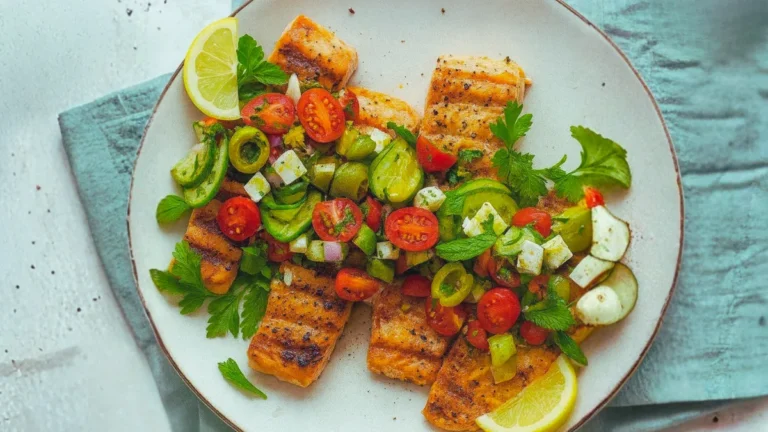
To batch prep efficiently, double or triple the full recipe and cook it in a large roasting pan or in two separate skillets simultaneously. Divide the cooked chicken into individual meal prep containers immediately after the resting period, spooning generous amounts of the shallot pan sauce over each portion before sealing. The sauce acts as a moisture barrier, keeping the chicken from drying out during refrigeration. Mediterranean Chicken Meal Prep Bowls
When building your weekly prep, pair one container of this chicken with a portion of whole grain such as farro, brown rice, or freekeh, plus a serving of roasted vegetables like zucchini, cherry tomatoes, or broccoli. This combination gives you a complete, macro-balanced Mediterranean meal that takes about two minutes to assemble per container. Prep five containers in a single Sunday session and your weekday nutrition is completely handled.
If you’re prepping for a household of multiple people with different preferences, consider slicing half the batch into strips before storing – sliced chicken integrates more easily into wraps, salads, and grain bowls compared to whole breasts. Leave the other half whole for those who prefer a more traditional plated presentation. This small extra step dramatically increases the versatility of your batch without any additional cooking time.
Common Mistakes to Avoid
Even a simple recipe like this one has a few critical pitfalls that can stand between you and a perfect result. Avoid these six mistakes and you’ll nail it every single time.
- Skipping the pat-dry step: Moisture on the surface of the chicken creates steam instead of a sear, giving you pale, rubbery skin rather than the deep golden crust this dish depends on. Always pat your chicken completely dry with paper towels before seasoning.
- Using bottled lemon juice instead of fresh: Bottled lemon juice is processed and contains preservatives that create a sharp, one-dimensional acidic flavor. Fresh lemon juice paired with fresh zest creates a layered, bright, complex citrus note that is fundamental to this recipe’s character.
- Burning the garlic: Garlic that’s been overcooked past golden turns bitter and can ruin an entire sauce. Keep the heat at medium when adding garlic and stir constantly during those 60 to 90 seconds. If it starts browning too fast, add your broth immediately to stop the cooking.
- Cutting into the chicken immediately after cooking: Skipping the 5-minute rest causes all the internal juices to run out the moment you slice, leaving you with dry, flavorless meat. This rest period is not optional – it’s what separates a great result from a mediocre one.
- Using dried parsley as a finishing herb: Dried parsley added at the end of cooking contributes almost no flavor and an unpleasant dusty texture. Reserve the parsley finish exclusively for fresh flat-leaf parsley. If you don’t have fresh parsley, use fresh basil or fresh mint as an alternative.
- Not using an oven-safe skillet: If you try to transfer the sauce and chicken to a baking dish instead of going directly from stovetop to oven in the same pan, you lose every bit of the caramelized fond and risk the sauce cooling and separating. Use a cast iron skillet or stainless steel oven-safe pan from the very beginning of the cooking process.
Notes, Tips and Variations
Substitutions
If chicken isn’t available or you want to vary your protein rotation, this recipe works extremely well with turkey breast cutlets, which cook faster and have a very similar flavor profile. You can also use skin-on bone-in chicken thighs for a richer, more unctuous result – just increase the oven time to 28 to 32 minutes and check for an internal temperature of 165 degrees Fahrenheit.
For those who prefer a plant-based protein, thick-cut extra-firm tofu or large portobello mushroom caps can replace the chicken entirely. Press the tofu well, sear it on each side for 3 to 4 minutes, then follow the same sauce-building and oven-finishing process. The lemon shallot herb sauce is so flavorful that it carries beautifully regardless of the protein base. Mediterranean High Protein Tofu Sheet Pan Dinner
Dietary Variations
This recipe is naturally gluten-free, dairy-free, and paleo-compliant with no modifications needed. For a Whole30 version, simply confirm that your Dijon mustard and broth are compliant – most are, but some brands add sugar or non-compliant thickeners.
If you’re following a higher-fat Mediterranean approach and want to increase the richness of the sauce, stir in one tablespoon of cold butter or a tablespoon of full-fat Greek yogurt right at the end after removing the pan from the oven. The yogurt version adds an extra 2 to 3 grams of protein per serving and creates a silkier, creamier sauce texture.
Cooking Tips
For extra-juicy chicken breasts during meal prep, consider brining them for 30 minutes before cooking in a simple solution of 1 tablespoon of salt per 2 cups of cold water. This quick wet brine increases the moisture content of the meat significantly and virtually eliminates the risk of dry chicken even after reheating from the refrigerator.
If you want a more intensely lemon-forward flavor, add an additional half teaspoon of lemon zest to the finished sauce just before plating. The raw zest at the end adds a fresh citrus burst on top of the cooked citrus flavor that developed during roasting – two distinct lemon dimensions in a single dish.
For even more Sicilian character, add two tablespoons of green Castelvetrano olives, halved and pitted, to the sauce when you return the chicken to the pan. They bring a buttery, mild brininess that complements the lemon and shallot beautifully and adds healthy monounsaturated fats to your macro profile. Sicilian Olive and Herb Mediterranean Chicken Bowl
Topping Ideas and Flavor Boosters
Once you’ve mastered the base recipe, these additions can completely transform the dish week after week, keeping your meal prep exciting and varied without requiring a new recipe each time.
- Crumbled feta cheese: A sprinkle of brined feta over the finished chicken adds creamy, salty tang and a small boost of calcium and protein. Use it sparingly – it’s potent.
- Toasted pine nuts: A tablespoon of lightly toasted pine nuts adds crunch, heart-healthy fats, and a classic Italian-Mediterranean texture contrast.
- Sun-dried tomatoes: Oil-packed sun-dried tomatoes stirred into the sauce during the last five minutes of cooking add concentrated umami, sweetness, and lycopene – a powerful antioxidant linked to reduced cancer and cardiovascular risk.
- Kalamata olives: Add halved Kalamata olives to the pan before roasting for a deeply savory, briny counterpoint to the bright lemon sauce.
- Artichoke hearts: Quartered canned artichoke hearts added to the sauce before roasting become incredibly tender and absorb the lemon-herb sauce beautifully.
- Lemon tahini drizzle: Mix two tablespoons of tahini with one tablespoon of lemon juice and a pinch of garlic powder for a creamy, protein-boosting drizzle that ties the whole dish together.
- Pomegranate seeds: A handful scattered just before serving adds jewel-like color, antioxidant power, and a pop of sweetness that cuts through the savory herbs brilliantly.
- Za’atar spice blend: A light dusting of za’atar on top of the finished chicken adds a Middle Eastern-Mediterranean herb complexity with notes of thyme, sumac, and sesame.
- Calabrian chili paste: A half teaspoon of Calabrian chili paste stirred into the sauce before roasting adds slow, deep heat that builds in a way that red pepper flakes simply can’t match.
- Microgreens or baby arugula: Piled on top of the plated chicken just before serving, peppery microgreens or arugula add freshness, visual appeal, and additional vitamins without any cooking time.
- Preserved lemon rind: A small amount of finely minced preserved lemon rind added to the sauce during cooking intensifies the citrus dimension significantly and adds a fermented, complex sourness that fresh lemon cannot replicate.
Who This Recipe Is For
This recipe has been designed to meet the needs of a wide range of people who all share a commitment to eating well, fueling their bodies, and saving time. Here’s exactly who will benefit most from adding Mediterranean Stanley Tucci Lemon Shallot Chicken to their regular rotation.
- Fitness enthusiasts and athletes who need 40+ grams of complete protein per meal to support muscle growth, repair, and recovery.
- Busy professionals who don’t have time to cook a fresh dinner every night but refuse to compromise on flavor or nutrition quality.
- Mediterranean diet followers who want a high-protein main dish that aligns with traditional ingredients and cooking philosophies.
- Meal preppers who do large batch cooking sessions on weekends and need recipes that hold up beautifully for 4 to 5 days in the refrigerator.
- Weight management seekers who rely on high-satiety, protein-dense meals to stay full between eating occasions and reduce overall caloric intake.
- Home cooks who love bold flavors and want to explore authentic Italian-Mediterranean cooking without complicated techniques or hard-to-find ingredients.
- Parents feeding families who need a universally appealing, nutrition-dense protein that children and adults will both enjoy without complaints.
- Gluten-free and dairy-free eaters who struggle to find naturally compliant recipes that don’t feel like compromises.
- Stanley Tucci fans who’ve been inspired by his Italian adventures and want to bring those same flavors into their own kitchen in a practical, health-conscious way.
Storage and Meal Prep Tips
Refrigerator
Store the cooked chicken and shallot sauce together in airtight meal prep containers. The sauce is key – always make sure each portion is well-coated in sauce before sealing the container, as it acts as a natural moisture barrier during refrigeration. Stored this way, the chicken stays tender and flavorful for up to 5 days.
Use glass containers with tight-fitting lids rather than plastic where possible. Glass retains temperature better, prevents odor absorption, and doesn’t leach any compounds into the food. Label each container with the date prepared so you always know exactly where you are in your prep cycle.
Freezer
This chicken freezes exceptionally well for up to 3 months. Allow it to cool completely to room temperature before transferring to freezer-safe containers or heavy-duty zip-lock bags. Remove as much air as possible to prevent freezer burn – a vacuum sealer is ideal if you do regular large-batch freezer prep.
Freeze in individual portion sizes rather than one large batch. This allows you to thaw exactly what you need without exposing the entire batch to temperature fluctuations. Thaw overnight in the refrigerator rather than using the microwave defrost function, which can begin partial cooking and affect texture negatively.
Reheating
The best way to reheat this chicken is in a small saucepan over medium-low heat with a tablespoon of added broth or water, covered with a lid, for 5 to 7 minutes. The added moisture and gentle, covered heat prevents the chicken from drying out and refreshes the sauce beautifully. Stir once halfway through.
If using a microwave, heat on 70 percent power in 90-second intervals, covering the container with a microwave-safe lid or damp paper towel. Avoid full power reheating, which can overheat the outer edges while leaving the center cold, and tends to toughen the protein texture significantly. Always add a splash of broth before microwaving to keep the sauce from thickening too much.
Nutrition Facts
The following nutritional information is based on one serving using boneless skinless chicken breasts at approximately 6 ounces per serving, cooked with the full recipe quantities divided by 4. Values may vary based on exact ingredient brands and portion sizes used.
| Nutrient | Per Serving |
|---|---|
| Calories | 385 kcal |
| Protein | 44 g |
| Total Carbohydrates | 9 g |
| Dietary Fiber | 1.5 g |
| Total Fat | 18 g |
| Saturated Fat | 3 g |
| Sugar | 3 g |
| Sodium | 480 mg |
| Vitamin C | 28 mg (31% DV) |
| Iron | 2.4 mg (13% DV) |
| Potassium | 620 mg (13% DV) |
Note: If you switch to bone-in chicken thighs, expect protein to remain similar at 38 to 42 grams per serving, with fat increasing to approximately 22 to 25 grams due to the higher fat content of thigh meat. This is still a highly favorable macronutrient profile for a Mediterranean high-protein approach.
FAQs
Can I make this recipe without an oven-safe skillet?
Yes, you can adapt this recipe if you don’t have an oven-safe pan. Sear the chicken in any heavy skillet, then transfer both the chicken and the sauce to a baking dish and roast in the oven as directed. You’ll lose a small amount of the caramelized fond from the skillet, so deglaze your original pan thoroughly with broth before pouring the sauce into the baking dish to capture every bit of flavor. The result will be almost identical, with only a minor difference in sauce intensity.
How do I know the chicken is fully cooked without a thermometer?
An instant-read thermometer is by far the most reliable method and I’d strongly encourage investing in one for meal prep purposes. However, if you don’t have one, you can check doneness by cutting into the thickest part of the chicken – the juices should run completely clear with no pink tinge, and the meat should be white all the way through with no translucency. For meal prep safety, always err on the side of a couple extra minutes in the oven rather than undercooking, as undercooked chicken poses serious food safety risks.
Can I use frozen chicken for this recipe?
You can, but always thaw the chicken completely in the refrigerator overnight before cooking – never cook chicken from frozen in this preparation, as the searing step will not work properly and the cooking time calculations will be inaccurate. Properly thawed chicken that has been patted completely dry will perform identically to fresh chicken in this recipe. For food safety, never thaw chicken at room temperature or in warm water.
Is this recipe inspired by an actual Stanley Tucci dish?
This recipe is inspired by the flavor profiles, cooking philosophy, and ingredient combinations that Stanley Tucci highlighted throughout his travels in Italy, particularly the Southern Italian and Sicilian traditions he documented in “Searching for Italy.” The specific technique of combining caramelized shallots, lemon, fresh herbs, and high-quality olive oil with simple proteins is a hallmark of authentic Italian cooking that Tucci brought to global attention. This is not a recreation of a specific dish from his show, but rather a high-protein Mediterranean interpretation of those culinary traditions.
What sides pair best with this chicken for a complete Mediterranean high-protein meal?
The ideal pairings for maximum Mediterranean high-protein nutritional alignment include: farro or freekeh (both are whole grains higher in protein than rice), roasted chickpeas (which add additional plant-based protein and fiber), a simple Greek salad with extra virgin olive oil and kalamata olives, roasted asparagus or broccolini with garlic and lemon, or a generous scoop of classic hummus on the side. For a lower-carbohydrate option, cauliflower rice sauteed in olive oil with garlic and herbs mirrors the flavor profile of the main dish while keeping carbohydrates minimal.
Conclusion
This Mediterranean Stanley Tucci Lemon Shallot Chicken with Fresh Herbs is exactly the kind of recipe that makes high-protein meal prep feel like something to look forward to rather than a chore. It honors centuries of Mediterranean culinary wisdom, delivers serious macronutrient power, and tastes like something you’d order at a coastal Italian trattoria – not something pulled from a Tuesday lunch prep container.
What makes this dish genuinely special is the intersection it represents between effortless flavor and functional nutrition. Every ingredient earns its place, every technique serves a purpose, and the end result is a protein-rich, anti-inflammatory, deeply satisfying meal that fits seamlessly into any Mediterranean high-protein lifestyle. Make a double batch this weekend and thank yourself every day this week when lunch takes thirty seconds to plate.
If you try this recipe, leave a comment below and let me know what variation you made. Tag us on Instagram with your meal prep containers – there’s nothing more satisfying than seeing this dish come to life in your kitchen. And if you’re looking for your next Mediterranean high-protein prep recipe, check out the similar recipes linked throughout this post. Your weekly meal prep just got a serious upgrade.