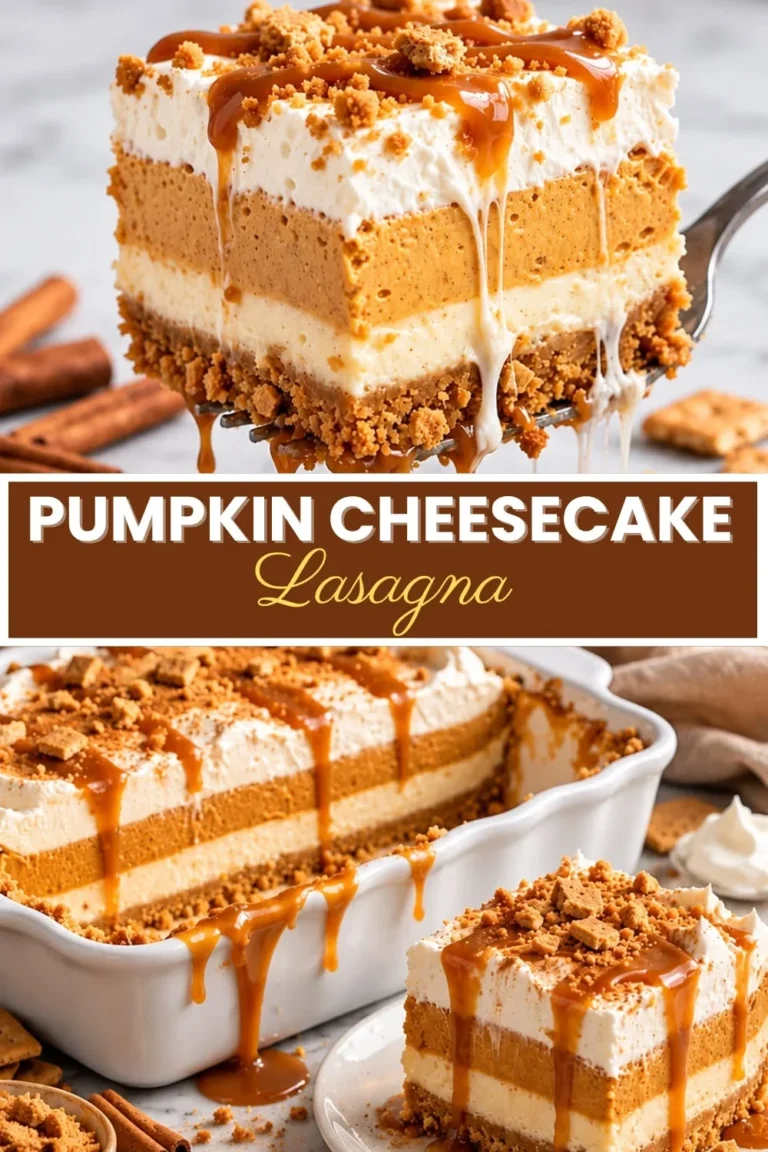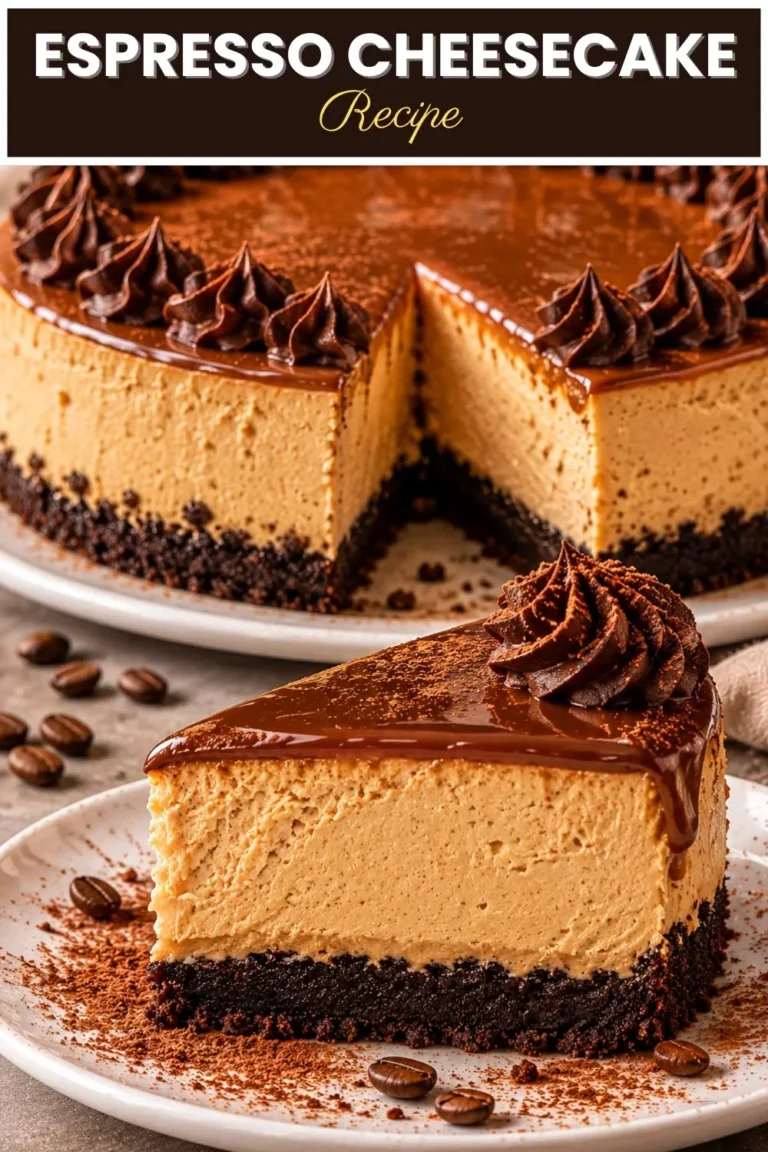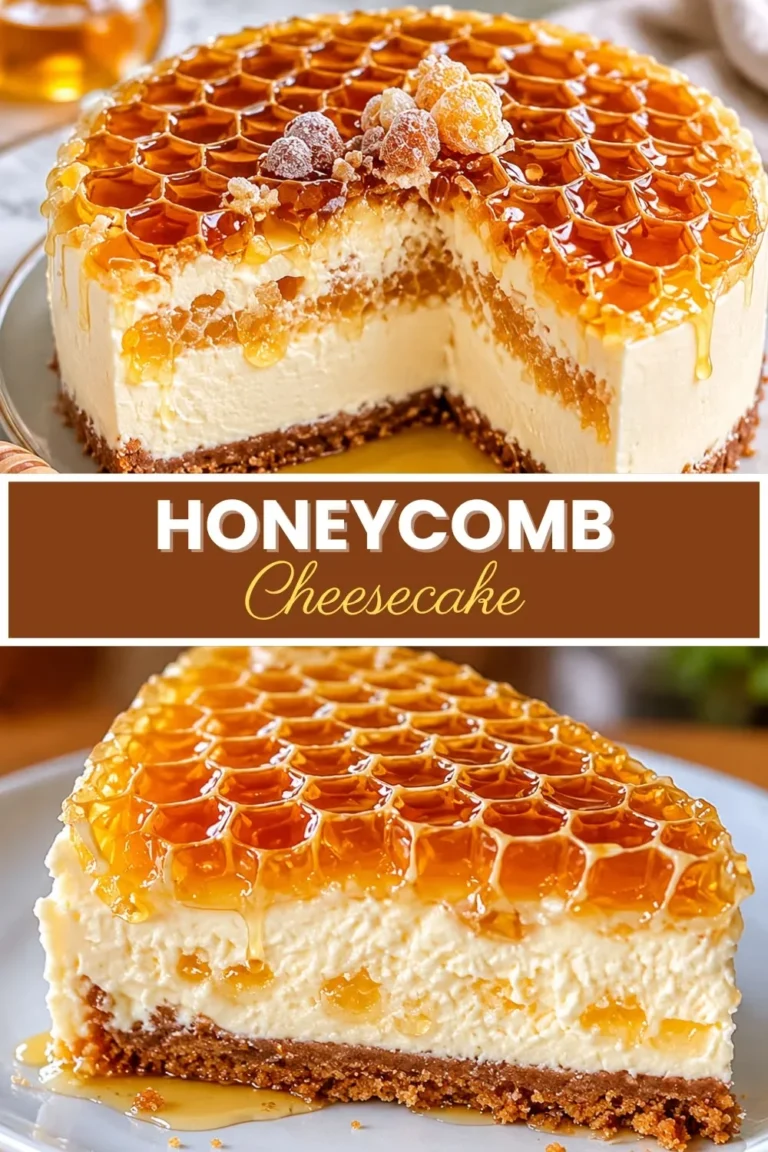
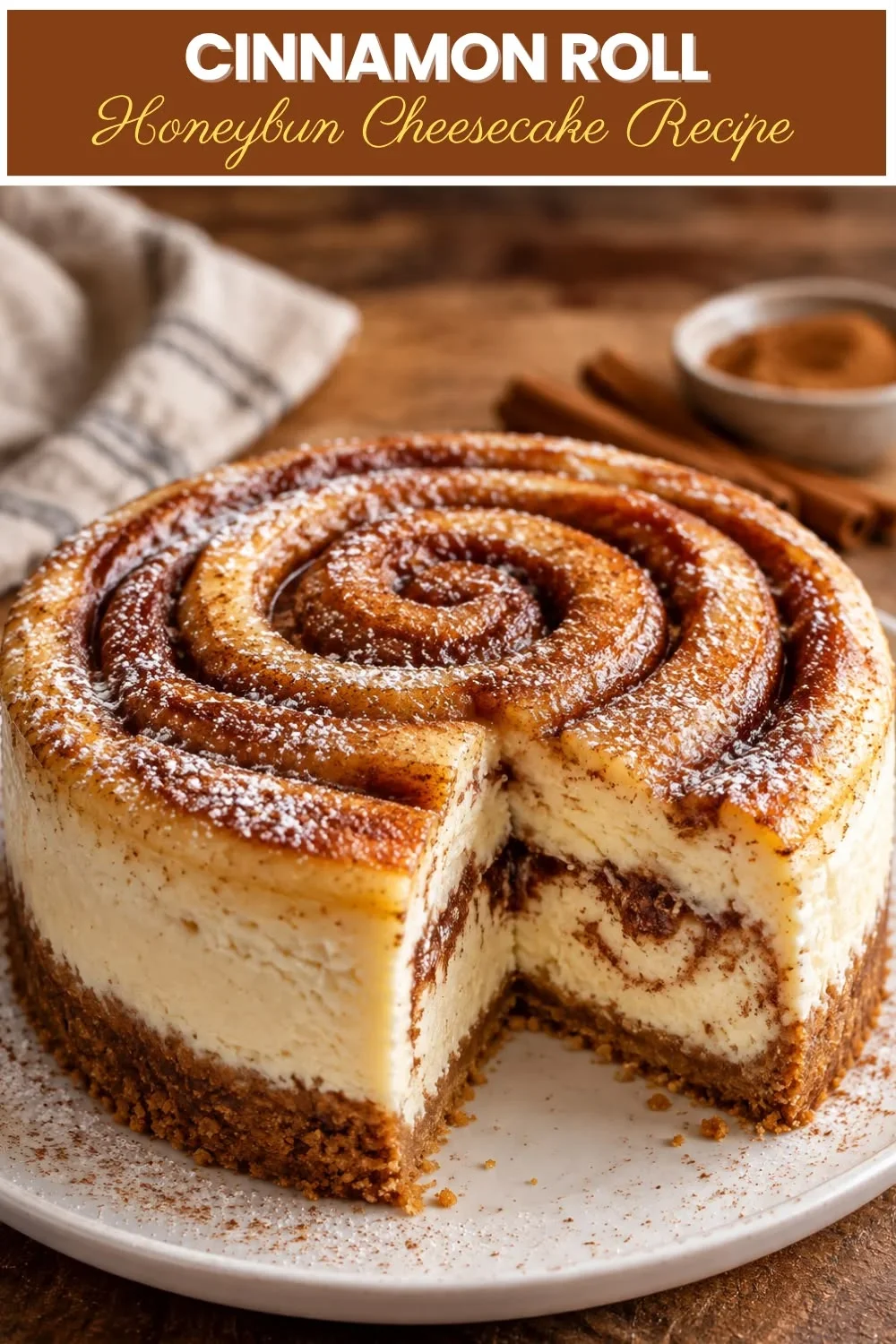
THE BEST N°1 Cinnamon Roll Honeybun Cheesecake: The Ultimate Dessert Recipe
If you have ever dreamed of combining two iconic comfort desserts into one jaw-dropping creation, this Cinnamon Roll Honeybun Cheesecake is exactly what you have been waiting for. Rich, creamy cheesecake meets the warm, gooey swirl of a classic cinnamon roll and the sticky sweetness of a honeybun in one unforgettable dessert that is guaranteed to steal the spotlight at any gathering.
This recipe walks you through every single step, from building your buttery cinnamon crust to swirling in that signature cinnamon sugar filling, to pouring over a dreamy cream cheese glaze on top. Whether you are a seasoned baker or just starting out, you will find everything you need right here to make this showstopper from scratch.
By the end of this post, you will know how to make this dessert ahead of time, what mistakes to avoid, how to store it for maximum freshness, and which fun variations you can try to make it your own. Let’s get into it.
Table of Contents
Personal Note
I made this recipe for the first time on a rainy Sunday afternoon, and I honestly was not prepared for how incredible my kitchen was going to smell. The combination of brown sugar, cinnamon, and vanilla baking together is something that hits differently when it is coming from a cheesecake you built yourself.
What inspired me to create this was a simple craving. I had leftover cream cheese, a can of cinnamon rolls sitting in the fridge, and a deep desire to make something that felt truly indulgent. The idea of merging a cheesecake with the flavors of a honeybun and a cinnamon roll just made perfect sense.
Now this dessert has become one of the most requested recipes in my household. It is the kind of thing people ask you to bring to every potluck, every holiday gathering, and every birthday dinner. I think once you make it, you will completely understand why.
Origins of the Dish
Cheesecake has an incredibly long and fascinating history that stretches back thousands of years. Ancient Greeks on the island of Delos were making a simple version of cheesecake as far back as 776 BC, using fresh cheese, wheat, and honey. The dessert was even reportedly served to athletes at the original Olympic Games as an energy-boosting treat, which tells you just how beloved it was from the very beginning.
When the Romans conquered Greece, they adapted the recipe and spread it throughout Europe. As the recipe evolved through different cultures, cream cheese, eggs, and sugar became standard ingredients. By the time New York-style cheesecake emerged in the late 1800s, it had become a dense, rich, ultra-creamy dessert that defined American comfort food for generations to come.
The cinnamon roll has its own remarkable origin story rooted in Scandinavia. Sweden in particular celebrates October 4th as “Cinnamon Roll Day,” a cultural holiday dedicated entirely to this pastry. The soft, doughy swirls filled with butter, cinnamon, and sugar became enormously popular in the United States through the mid-20th century, eventually spawning fast food chains and packaged versions sold in grocery stores worldwide.
The honeybun is closely related to the cinnamon roll, but with a softer, denser texture and a thicker glaze. It has deep roots in Southern American baking culture, where sweet, sticky baked goods were staples at breakfast tables and bakeries alike. When creative home bakers began layering the flavors of cinnamon rolls and honeybuns into the structure of a cheesecake, the result was a dessert that felt both nostalgic and completely inventive. This Cinnamon Roll Honeybun Cheesecake is a celebration of all three of those traditions in a single, glorious slice.
Why You’ll Love This Recipe
This recipe is not just delicious. It is the kind of dessert that makes people stop mid-conversation to ask what they are eating. Here is exactly why it is going to become a permanent part of your baking rotation.
- Three desserts in one: You get the creamy richness of cheesecake, the warm spice of a cinnamon roll, and the sticky sweetness of a honeybun all in every single bite.
- Crowd-pleaser every time: This dessert disappears fast at any gathering. Kids and adults alike go absolutely crazy for it.
- Make-ahead friendly: Cheesecake actually tastes better after chilling overnight, which makes this perfect for prepping in advance.
- Beginner-friendly steps: Even if you have never made a cheesecake before, the step-by-step instructions here will guide you through without stress.
- Incredible texture contrast: You get a crumbly cinnamon graham cracker crust, a silky smooth cheesecake filling, and a soft cinnamon swirl layer that adds dimension with every bite.
- Customizable: You can tweak the sweetness, adjust the cinnamon level, and add your own favorite toppings to make it completely yours.
- Freezer-friendly: Individual slices freeze beautifully, so you can have a piece of this gorgeous dessert ready whenever the craving hits.
- No fancy equipment needed: A springform pan, a mixer, and your oven are all you need to pull this off with stunning results.
- Visually stunning: The cinnamon swirl pattern on top is absolutely gorgeous and looks professionally decorated without requiring advanced decorating skills.
- Layered flavor complexity: Every component, from the crust to the filling to the glaze, adds a distinct layer of flavor that makes this dessert feel gourmet.
Health Benefits and Ingredient Highlights
While this is absolutely an indulgent dessert meant to be enjoyed and savored, several of its key ingredients bring real value to the table beyond just flavor. Here is a closer look at what makes each component special.
Cream Cheese
Cream cheese is the star of any cheesecake and brings a luxurious, tangy creaminess that cannot be replicated. It is a good source of fat-soluble vitamins, including vitamin A, which supports eye health and immune function. The fat content in cream cheese also helps your body absorb these nutrients more efficiently.
Full-fat cream cheese delivers the richest flavor and the creamiest texture in the finished cheesecake. It also contains small amounts of calcium and phosphorus, both of which are important for maintaining strong bones and teeth. When you use high-quality cream cheese at room temperature, your batter comes together smoothly and without lumps, giving you that perfect, velvety slice.
Cinnamon
Cinnamon is not just a flavor powerhouse. It is one of the most antioxidant-rich spices you can add to your baking. Studies have shown that cinnamon contains compounds like cinnamaldehyde, which has anti-inflammatory and antimicrobial properties. Even in the small amounts used in baking, it brings a meaningful nutritional contribution alongside its incredible aroma and taste.
Cinnamon has also been studied for its potential to help support healthy blood sugar levels by improving insulin sensitivity. While this cheesecake is certainly a treat, knowing that the cinnamon you are using comes with its own set of benefits makes it feel that much more satisfying. Use Ceylon cinnamon if you can find it, as it has a smoother, less pungent flavor and a slightly higher quality profile than standard Cassia cinnamon.
Eggs
Eggs are absolutely essential to the structure of a cheesecake. They provide the binding proteins that hold the filling together and create that signature dense, slightly firm yet creamy texture that cheesecake is known for. Each egg also adds a small but meaningful amount of high-quality complete protein, containing all nine essential amino acids.
Egg yolks contribute choline, a nutrient that plays a critical role in brain health and cellular function. They also add richness and a beautiful golden hue to the cheesecake filling. For best results, always bring your eggs to room temperature before mixing them into the batter, as cold eggs can cause the batter to seize up and create a lumpy texture.
Butter
Butter is what brings the crust together and helps create that rich, golden, slightly crunchy base that contrasts so beautifully with the creamy filling. It is a source of butyrate, a short-chain fatty acid that supports gut health and has been studied for its role in reducing inflammation. When used in baking, good quality unsalted butter gives you full control over the flavor and salt content of your dessert.
Butter also carries fat-soluble vitamins A, D, E, and K2, all of which are important for a range of bodily functions from immune support to cardiovascular health. Grass-fed butter specifically tends to have a higher concentration of these nutrients and a richer, more complex flavor that elevates everything it touches.
Honey
Honey is the ingredient that ties the honeybun element of this dessert together and adds a floral, golden sweetness that white sugar simply cannot replicate. Raw honey in particular contains trace amounts of vitamins, minerals, and enzymes that have made it a staple ingredient in both cooking and traditional wellness practices for centuries. It also has natural antibacterial properties, which is part of why it has such a long shelf life.
The unique flavor profile of honey, which varies depending on the flowers the bees visited, adds a nuanced depth to this dessert that makes it stand out from a standard cheesecake. Wildflower honey brings a bright, complex flavor, while clover honey is milder and sweeter. Either works beautifully in this recipe and you can experiment with different varieties to find your personal favorite.
Vanilla Extract
Pure vanilla extract is one of the most important flavor-building ingredients in any dessert, and this cheesecake is no exception. It rounds out the sweetness, enhances the cinnamon, and adds a warm, floral depth that makes the entire filling taste more complex and sophisticated. Always use pure vanilla extract rather than imitation vanilla for the best flavor results.
Vanilla also contains vanillin, an antioxidant compound that has been studied for its potential neuroprotective and anti-inflammatory effects. It is a small addition in terms of quantity, but its impact on the final flavor of this dessert is enormous. A generous pour of pure vanilla is one of those details that separates a great cheesecake from a truly unforgettable one.
Graham Crackers
Graham cracker crumbs form the foundation of the crust and bring a lightly sweet, slightly nutty flavor that pairs perfectly with cinnamon and butter. Graham crackers are made from whole wheat flour, which provides a small amount of dietary fiber compared to other cracker options. That fiber content adds a bit of substance to the crust and helps balance out the richness of the filling above it.
The texture of a well-made graham cracker crust is one of the most satisfying parts of eating cheesecake. When pressed firmly and baked briefly, it creates a solid, slightly crispy base that holds each slice together and gives every bite a beautiful textural contrast. Cinnamon graham crackers are an especially wonderful choice for this recipe and will intensify the spiced flavor profile throughout.
Ingredients
Here is everything you need to make this complete Cinnamon Roll Honeybun Cheesecake from scratch. All quantities are sized for a standard 9-inch springform pan, which yields approximately 12 slices.
For the Crust
- 2 cups graham cracker crumbs (about 16 full graham crackers, crushed – cinnamon graham crackers work great here)
- 1/4 cup granulated sugar (or brown sugar for a deeper flavor)
- 1 teaspoon ground cinnamon
- 1/2 cup unsalted butter, melted (salted butter works in a pinch, just skip any added salt)
For the Cheesecake Filling
- 32 oz full-fat cream cheese, softened to room temperature (4 standard 8 oz blocks)
- 1 cup granulated sugar
- 1/4 cup sour cream, room temperature (plain Greek yogurt can substitute)
- 1/4 cup heavy whipping cream
- 3 large eggs, room temperature
- 2 teaspoons pure vanilla extract
- 2 tablespoons honey (raw wildflower or clover honey recommended)
- 1 tablespoon all-purpose flour (cornstarch works as a gluten-free substitute)
For the Cinnamon Swirl
- 1/2 cup packed light brown sugar
- 2 tablespoons ground cinnamon
- 3 tablespoons unsalted butter, melted
- 1 tablespoon all-purpose flour
For the Honeybun Cream Cheese Glaze
- 4 oz cream cheese, softened
- 1 cup powdered sugar, sifted
- 3 tablespoons honey
- 2-3 tablespoons whole milk (or heavy cream for a richer glaze)
- 1/2 teaspoon pure vanilla extract
- 1/4 teaspoon ground cinnamon
Step-by-Step Instructions
Follow these steps carefully and you will produce a gorgeous, bakery-quality Cinnamon Roll Honeybun Cheesecake that looks as impressive as it tastes. Take your time with each step and do not rush the chilling process at the end.
- Preheat your oven to 325 degrees Fahrenheit (163 degrees Celsius). Grease the inside of a 9-inch springform pan with butter or non-stick spray, then line the bottom with a circle of parchment paper for easy release later. Place the pan on a large sheet of heavy-duty aluminum foil and wrap the outside tightly to prepare for the water bath.
- Make the crust. In a large mixing bowl, combine your graham cracker crumbs, sugar, cinnamon, and melted butter. Stir until every crumb is coated and the mixture looks like wet sand. Pour it into your prepared springform pan and press it firmly and evenly across the bottom and about one inch up the sides using the bottom of a measuring cup.
- Pre-bake the crust. Slide the pan into your preheated oven and bake for 10 minutes until the crust is lightly golden and smells fragrant. Remove it from the oven and set it aside to cool completely while you prepare the filling. Do not skip this step, as a pre-baked crust holds its structure much better under the weight of the filling.
- Prepare the cinnamon swirl mixture. In a small bowl, mix together the brown sugar, cinnamon, melted butter, and flour until a thick, paste-like mixture forms. Set it aside at room temperature. You will swirl this into the cheesecake filling once it is poured into the pan.
- Beat the cream cheese. In the bowl of a stand mixer fitted with the paddle attachment, or using a handheld electric mixer, beat the softened cream cheese on medium speed for 3 to 4 minutes until it is completely smooth and fluffy with no lumps at all. Scrape down the sides of the bowl frequently to ensure even mixing.
- Add sugar and mix. With the mixer running on low, gradually add the granulated sugar to the cream cheese and continue mixing for another 2 minutes until fully incorporated and the mixture looks silky. Add the tablespoon of flour and mix for 30 more seconds to incorporate.
- Mix in the wet ingredients. Add the sour cream, heavy cream, honey, and vanilla extract to the bowl. Mix on low speed until everything is just combined and smooth. Do not overmix at this stage, as incorporating too much air into the batter is one of the leading causes of cracks in cheesecake.
- Add the eggs. Add the eggs one at a time, mixing on low speed after each addition just until the yolk disappears into the batter. Again, mix only as much as needed. Overmixing after adding the eggs is the number one mistake home bakers make, and keeping things gentle here is key to a smooth, crack-free cheesecake.
- Pour and swirl. Pour about half of the cheesecake batter over the cooled crust and spread it into an even layer. Drop spoonfuls of about half the cinnamon swirl mixture over the batter, then use a toothpick or thin knife to swirl it gently in a figure-eight pattern. Pour the remaining batter on top, then repeat the swirling process with the remaining cinnamon mixture to create that beautiful marbled effect.
- Set up the water bath. Place the foil-wrapped springform pan inside a large roasting pan. Carefully pour boiling water into the roasting pan until it reaches about one inch up the sides of the springform pan. This water bath creates a humid oven environment that prevents cracking and ensures the cheesecake bakes gently and evenly.
- Bake the cheesecake. Carefully transfer the roasting pan to the oven and bake at 325 degrees Fahrenheit for 60 to 75 minutes. The cheesecake is done when the edges are set and slightly puffed but the center still has a gentle jiggle, similar to Jell-O, when you lightly shake the pan. It will continue to set as it cools, so do not overbake it waiting for the center to look firm.
- Cool gradually. Turn off the oven and prop the door open about an inch using a wooden spoon. Allow the cheesecake to sit inside the cooling oven for one full hour. This slow cooling process is what prevents the dramatic temperature change that causes the top to crack. After one hour, remove it from the water bath and let it cool completely at room temperature on a wire rack, which will take another 1 to 2 hours.
- Chill overnight. Once the cheesecake has reached room temperature, cover it loosely with plastic wrap or aluminum foil and transfer it to the refrigerator. Chill for a minimum of 6 hours, but overnight is strongly preferred. The texture and flavor improve dramatically with proper chilling time, so patience here will be richly rewarded.
- Make the honeybun glaze. When you are ready to serve, beat the softened cream cheese in a small bowl until fluffy. Add the sifted powdered sugar, honey, vanilla, and cinnamon and mix until smooth. Add the milk one tablespoon at a time until the glaze is pourable but still thick enough to drizzle in beautiful ribbons over the top.
- Glaze, slice, and serve. Remove the springform pan ring from around the chilled cheesecake. Drizzle the honeybun cream cheese glaze generously over the top, letting it run down the sides slightly for a gorgeous, rustic look. Slice with a sharp knife wiped clean between each cut, and serve each slice as it is or with any of the topping options listed below.
Make It Ahead and Batch Prep Guide
One of the best things about this Cinnamon Roll Honeybun Cheesecake is that it is practically designed to be made in advance. Cheesecake is one of the rare desserts that actually tastes better the next day, as the flavors meld together and the texture firms up beautifully during the overnight chill. Making it ahead removes all the stress of day-of baking and lets you focus on everything else when it is time to serve.
If you are prepping for a party or holiday gathering, you can bake the cheesecake up to three days before the event and store it covered in the refrigerator. Simply hold off on adding the glaze until about an hour before serving so it stays fresh and visually stunning. This makes your dessert table prep incredibly easy and stress-free.
For a true batch prep approach, consider making two cheesecakes at once. One goes straight to the refrigerator for the event and the other can be sliced into individual portions, wrapped tightly, and stored in the freezer for up to two months. That means every time a craving hits, you have a beautiful slice of cheesecake just minutes away from being ready to eat. No-Bake Cinnamon Cheesecake Cups
When baking in batches, make sure to mix each cheesecake batter separately rather than doubling the full batch in one bowl. Overfilling a mixer can lead to uneven blending, which affects the texture of the final product. Invest in two springform pans if you plan to make this regularly, as they are inexpensive and incredibly versatile for all kinds of cheesecake and tart recipes.
Common Mistakes to Avoid
Even experienced bakers can run into trouble with cheesecake if they miss a few critical details. Here are the most common mistakes and exactly how to avoid them.
- Using cold cream cheese: Cold cream cheese will not blend smoothly no matter how long you mix it. Always let your cream cheese sit at room temperature for at least 30 to 45 minutes before you start. Lumpy batter leads to an uneven, grainy texture in the finished cheesecake.
- Overmixing after adding eggs: This is the single most common cause of cracks. Overmixing incorporates excess air into the batter, which causes the cheesecake to puff up dramatically in the oven and then collapse and crack as it cools. Add eggs one at a time and mix only until just combined.
- Skipping the water bath: The water bath is not optional if you want a crack-free, perfectly textured cheesecake. The steam and gentle heat it provides are essential for even baking. If you skip it, you are much more likely to end up with dried-out edges and a cracked top.
- Overbaking the cheesecake: A perfectly baked cheesecake should have a wobbly center when you remove it from the oven. If it looks completely set all the way through, it is likely overcooked and will be dry and dense after chilling. Trust the jiggle and pull it out on time.
- Rushing the cooling process: Taking the cheesecake straight from the hot oven to the refrigerator is a recipe for cracks and condensation on the surface. Always cool it in the oven first, then at room temperature, then refrigerate. The gradual temperature reduction is what gives you that smooth, perfect top.
- Not pre-baking the crust: A crust that has not been pre-baked tends to become soggy under the weight and moisture of the filling. Ten minutes in the oven sets the crust and gives it the structural integrity to hold up beautifully through slicing and serving.
Notes, Tips and Variations
Substitutions
If you do not have sour cream on hand, plain full-fat Greek yogurt makes an excellent substitute in equal amounts. It provides the same slight tang and creamy texture that helps balance the sweetness of the filling. For a dairy-free version, use full-fat coconut cream in place of the heavy cream and a high-quality vegan cream cheese alternative for both the filling and the glaze.
If you want to skip the honey in the glaze but keep the honeybun flavor profile, maple syrup is a wonderful substitute that adds its own warm, caramel-like depth. For the crust, you can swap the graham crackers with crushed Biscoff cookies, vanilla wafers, or even crushed cinnamon sugar pretzels for a slightly salty-sweet twist.
Dietary Variations
To make this gluten-free, substitute the all-purpose flour in the filling and cinnamon swirl with an equal amount of cornstarch and use gluten-free graham crackers for the crust. The texture will be nearly identical and the flavor profile will not change at all. Always double-check that your cornstarch and other packaged ingredients are certified gluten-free if you are baking for someone with celiac disease.
For a lower sugar variation, you can reduce the granulated sugar in the filling by up to one-third without significantly affecting the texture. You can also use a powdered monk fruit sweetener in the glaze instead of powdered sugar for a reduced-sugar topping that is still silky and pourable. The natural sweetness of the honey will still come through beautifully.
Cooking Tips
When making the cinnamon swirl, make sure the mixture is thick enough to hold its shape when dropped by the spoonful onto the batter. If it looks too runny, add an extra half tablespoon of flour to tighten it up. A swirl that is too thin will dissolve into the batter rather than creating those beautiful, defined ribbons of cinnamon flavor.
Use a toothpick for the most precise swirling control. Insert it straight down into the cinnamon mixture and batter and pull it in long, sweeping figure-eight motions without over-working it. Five to eight passes is usually enough for a gorgeous marbled effect. Any more than that and the layers start to blend together and lose their visual impact.
For the cleanest slices, run your knife under hot water and wipe it dry between every single cut. A warm, clean knife glides through cold cheesecake without dragging the filling or disturbing the swirl pattern. This detail makes a big difference in how professional and beautiful your slices look when plated. Brown Sugar Cinnamon Cheesecake Bars
Topping Ideas and Flavor Boosters
This cheesecake is stunning on its own, but the right topping can take it to an entirely new level. Here are some of the best options you can try to personalize your slice.
- Caramel drizzle: A generous drizzle of salted caramel sauce over the top adds a buttery, almost toffee-like richness that pairs perfectly with the cinnamon.
- Toasted pecans: Roughly chopped toasted pecans scattered over the glaze add crunch, nuttiness, and a gorgeous visual contrast.
- Whipped cream rosettes: Pipe homemade sweetened whipped cream around the edge of the cheesecake for a classic, elegant presentation.
- Fresh berries: Sliced strawberries or a handful of fresh raspberries add a bright, tart contrast that cuts through the richness of the cheesecake beautifully.
- Cinnamon sugar sprinkle: A light dusting of cinnamon mixed with granulated sugar just before serving enhances the cinnamon roll aroma and flavor on each slice.
- Extra honey drizzle: A thin drizzle of raw honey directly over the top of each slice just before plating intensifies the honeybun flavor and adds gorgeous visual shine.
- Brown butter sauce: A drizzle of warm brown butter sauce adds an incredibly deep, nutty flavor that makes this dessert taste next-level gourmet.
- Cream cheese frosting piped border: Thin the classic cream cheese frosting slightly and pipe a decorative border around the perimeter for a true cinnamon roll aesthetic.
- Candied walnuts: Sweet, crunchy candied walnuts on top add a beautiful textural element and complement the warm spice notes in the cheesecake.
- Espresso powder dusting: A very light dusting of fine espresso powder brings a subtle coffee note that makes the cinnamon flavor pop even more dramatically.
- Vanilla bean ice cream on the side: Serving a small scoop of pure vanilla bean ice cream alongside a warm slice creates a hot-and-cold contrast that is absolutely irresistible.
Who This Recipe Is For
This recipe was built to be accessible and enjoyable for a wide range of bakers and dessert lovers. Here is a quick look at who will benefit most from making this cheesecake.
- Home bakers who want to impress: If you want a dessert that looks like it came from a high-end bakery but is totally achievable in a home kitchen, this is it.
- Holiday hosts and party planners: This cheesecake makes a stunning centerpiece for Thanksgiving, Christmas, Easter, or any celebration where you want to bring something truly memorable.
- Meal preppers who love dessert: Since this cheesecake stores perfectly in the fridge or freezer, it is ideal for anyone who likes to prep their sweet treats in advance.
- Cinnamon roll fans: If the smell of cinnamon rolls is your version of comfort, this cheesecake was absolutely made for you.
- Cheesecake enthusiasts: Anyone who already loves classic New York-style cheesecake will fall completely head over heels for this elevated, flavor-layered version.
- Beginner bakers looking for a challenge: This recipe is approachable with clear steps but also teaches foundational cheesecake techniques that will serve you in future baking projects.
- Gift bakers: A beautifully glazed cheesecake wrapped and delivered to a neighbor, coworker, or family member is one of the most thoughtful and impressive edible gifts you can give.
- Anyone who wants to try something new: If you are bored of the same dessert rotation and want something that feels fresh, creative, and deeply satisfying, this recipe will not disappoint.
Storage and Meal Prep Tips
Refrigerator
Store your fully baked and glazed cheesecake in the refrigerator covered loosely with plastic wrap or in an airtight cake container for up to 5 days. The cheesecake actually tastes best between days 2 and 4, as the flavors continue to deepen and the texture reaches its ideal consistency during that window.
If you have already sliced the cheesecake, press a piece of plastic wrap directly against the exposed cut surfaces of remaining slices to prevent them from drying out. Individual slices can also be stored in small airtight containers for easy grab-and-go access throughout the week. Add the glaze fresh to each slice just before serving rather than storing already-glazed pieces if you want the best presentation.
Freezer
This cheesecake freezes exceptionally well for up to 2 months. For whole cheesecake freezing, chill it completely in the refrigerator first, then wrap the entire cheesecake tightly in a double layer of plastic wrap followed by a layer of aluminum foil. Store it flat in the freezer and do not add the glaze until after it has been thawed.
For individual slice freezing, place the slices on a parchment-lined baking sheet and freeze them uncovered for about 1 to 2 hours until solid. Then transfer each slice to its own zip-top freezer bag or airtight container. This flash-freeze method prevents the slices from sticking together and allows you to thaw only what you need at any given time. Cheesecake Stuffed Cinnamon Roll Cups
Reheating
Cheesecake is traditionally served cold or at room temperature, so reheating in the conventional sense is not necessary or recommended. To thaw a frozen whole cheesecake, transfer it to the refrigerator the night before you plan to serve it and allow it to thaw slowly and gently over 8 to 12 hours.
For individual slices, you can thaw them in the refrigerator for 1 to 2 hours or at room temperature for about 30 to 45 minutes. If you prefer a slightly warm slice, you can microwave an individual portion for 10 to 15 seconds only. Any longer and the filling may become too soft and lose its structure. Add the glaze fresh after thawing for the best flavor and appearance.
Nutrition Facts
The following nutrition information is estimated per serving based on the full recipe yielding 12 slices. Exact values may vary depending on specific brands and ingredient substitutions used.
| Nutrient | Per Serving (1 slice) |
|---|---|
| Calories | 520 kcal |
| Total Fat | 34g |
| Saturated Fat | 19g |
| Carbohydrates | 47g |
| Sugar | 35g |
| Dietary Fiber | 1g |
| Protein | 8g |
| Sodium | 310mg |
| Cholesterol | 115mg |
This dessert is an indulgent treat meant to be savored in reasonable portions. Each slice delivers a generous amount of satisfying fat and sweetness that makes it feel truly special. If you want to reduce the calorie count, consider using reduced-fat cream cheese and cutting the sugar in the filling by 20 percent, though this will slightly affect the texture and flavor intensity.
FAQs
Can I make this cheesecake without a water bath?
You technically can skip the water bath, but you significantly increase the risk of cracking and uneven baking. If you do not want to use a water bath, place a separate pan of hot water on the lower rack of your oven while the cheesecake bakes on the middle rack. This creates some steam in the oven without requiring you to wrap the springform pan. The result will not be quite as perfect as using a true water bath, but it is a reasonable workaround.
Why did my cheesecake crack on top?
Cracking is almost always caused by one of three things: overmixing the batter after adding eggs, overbaking the cheesecake, or cooling it too quickly. Review the step-by-step instructions and make sure you are mixing gently, pulling the cheesecake out while the center still jiggles, and allowing it to cool slowly in the oven before bringing it to room temperature. Even if your cheesecake does crack, the honeybun glaze drizzled over the top will cover it completely and no one will ever know.
Can I use pre-made cinnamon roll dough instead of a crust?
Yes, and this is a very popular and delicious variation. Press the cinnamon roll dough from a standard tube into the bottom of your greased springform pan to create a soft, doughy base instead of the graham cracker crust. Pre-bake it for about 10 to 12 minutes at 325 degrees Fahrenheit before adding the cheesecake filling. This gives you an even more pronounced cinnamon roll flavor and a slightly different but incredibly tasty texture in the finished dessert.
How far in advance can I make this cheesecake?
You can make this cheesecake up to 3 days in advance and store it covered in the refrigerator. For even longer prep, bake and freeze it up to 2 months ahead and thaw it in the refrigerator overnight before serving. Always add the honeybun glaze on the day you plan to serve it so it looks fresh and beautiful. This flexibility makes the recipe ideal for anyone who likes to plan their desserts well ahead of time.
Can I use low-fat cream cheese to make this healthier?
You can use reduced-fat cream cheese, but be aware that it will affect both the texture and flavor of the finished cheesecake. Full-fat cream cheese produces a denser, creamier, and more stable filling that slices cleanly and holds its shape beautifully. Low-fat cream cheese has a higher moisture content, which can result in a softer, slightly less stable filling. If you do use reduced-fat cream cheese, add an extra tablespoon of flour or cornstarch to the batter to help compensate for the additional moisture.
Conclusion
This Cinnamon Roll Honeybun Cheesecake is everything a great dessert should be. It is rich, creamy, warmly spiced, beautifully layered, and guaranteed to leave everyone at your table completely satisfied. From the crunchy cinnamon graham cracker crust to the silky filling with its gorgeous swirl to the sticky, honey-kissed cream cheese glaze on top, every single element of this dessert is designed to deliver maximum flavor and visual impact.
Whether you are making it for a special occasion, a holiday gathering, or just because you deserve something extraordinary on a regular Tuesday, this recipe will deliver every single time. It stores beautifully, preps ahead without any fuss, and customizes easily to match whatever toppings and flavor combinations you love most.
Now it is your turn. Gather your ingredients, clear off some counter space, and get ready to make the most impressive dessert you have ever pulled out of your oven. If you try this recipe, leave a comment below and let me know how it turned out. And if you loved this, be sure to check out more indulgent dessert recipes right here on MedMealPrep.com.