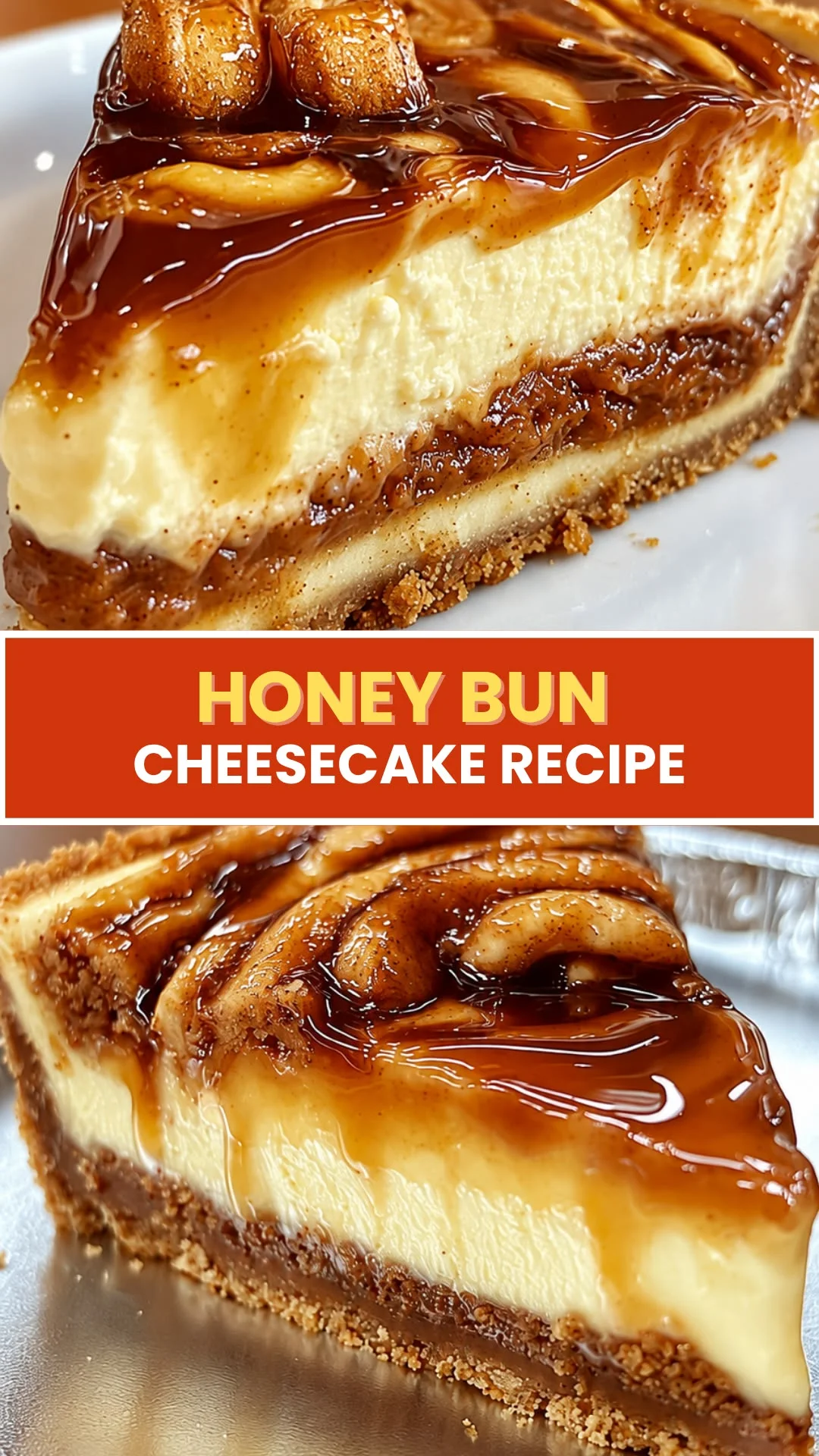
THE BEST N°1 Honey Bun Cheesecake Recipe: Creamy, Gooey & Better Than Bakery Style
If you have ever taken a bite of a warm, gooey honey bun and thought, “this needs to be a cheesecake,” you are not alone. This honey bun cheesecake recipe brings together the soft, cinnamon-swirled sweetness of a classic honey bun with the rich, velvety creaminess of a fully loaded cheesecake. The result is something so indulgent, so over-the-top delicious, that your family will be asking for it on repeat.
This post covers everything you need to know, from the ingredient list to step-by-step instructions, batch prep strategies, storage tips, and even a complete FAQ section. Whether you are a beginner baker or a seasoned dessert lover, you will find this recipe approachable, reliable, and absolutely worth making.
Get ready to level up your dessert game. This is the kind of cheesecake that gets people talking at potlucks, family dinners, and holiday tables. Let’s dive in.
Table of Contents
Personal Note
I still remember the first time I combined two of my greatest dessert loves into one pan. It was a lazy Sunday afternoon, I had a pack of honey buns in the pantry and a block of cream cheese in the fridge, and something just clicked. That first experimental honey bun cheesecake came out of the oven looking almost too pretty to cut into.
What surprised me most was how the cinnamon sugar layers from the honey bun base melted into the cheesecake filling, creating these beautiful golden swirls of flavor. It was not just a cheesecake, it was an experience. Every single person who tried it asked for the recipe before they even finished their slice.
Since then, I have made this dessert dozens of times, tweaking the ratios, testing different glazes, and experimenting with toppings. What you are getting here is the perfected version, the one that delivers every single time without fail.
Origins of the Dish
The honey bun is a deeply American pastry with roots in Southern comfort food culture. Originally inspired by European sweet rolls and glazed yeast pastries, the honey bun as we know it today was popularized in the mid-20th century by commercial bakeries. It became a staple in gas stations, school cafeterias, and corner stores across the United States, particularly in the South.
What made the honey bun iconic was its simplicity. Soft, slightly sweet dough rolled with cinnamon sugar, fried or baked, and then drizzled with a sticky honey glaze. It was affordable, portable, and utterly satisfying. For many people, honey buns carry a deep nostalgia, the kind that takes you right back to childhood lunches and road trips.
Cheesecake, on the other hand, has a much longer and more storied history. Ancient Greeks served a rudimentary form of cheesecake at the first Olympic games around 776 BC. The modern cream cheese-based cheesecake became popularized in New York during the late 1800s, eventually evolving into the thick, dense, silky dessert we know and love today.
The fusion of honey bun and cheesecake is a product of modern American dessert creativity. Home bakers and food bloggers in the 2010s and early 2020s began experimenting with mashup desserts, combining beloved comfort foods with classic baked goods. The honey bun cheesecake recipe emerged from this movement as one of the most celebrated combinations, capturing the best of both worlds in a single showstopping dessert.
Why You’ll Love This Recipe
This dessert is not just delicious, it is genuinely one of the most satisfying cheesecakes you will ever make. Here is exactly why this recipe earns a permanent spot in your dessert rotation.
- Incredible flavor combination: The warm cinnamon spice of a honey bun perfectly complements the cool, tangy richness of cheesecake filling.
- No water bath needed: This recipe is designed to be beginner-friendly and skips the complicated water bath step without sacrificing texture.
- Crowd-pleaser every time: Whether you serve this at a birthday party, holiday gathering, or weekend dinner, it disappears fast.
- Gooey honey glaze finish: That signature drizzle on top takes this cheesecake from great to absolutely unforgettable.
- Make-ahead friendly: This cheesecake actually tastes better the next day, making it perfect for prepping in advance.
- Easy to customize: Swap toppings, adjust sweetness levels, or add mix-ins to make it uniquely yours.
- Better than store-bought: Once you make this from scratch, packaged honey buns will never compare again.
- Freezer-friendly: Bake a full batch, slice it up, and freeze individual portions for whenever a craving hits.
- Uses simple pantry staples: No fancy equipment or hard-to-find ingredients required, just real food you likely already have.
- Visually stunning: The cinnamon swirls and golden glaze make this cheesecake as beautiful to look at as it is to eat.
Health Benefits and Ingredient Highlights
While this is absolutely a treat-yourself dessert, many of the core ingredients bring genuine nutritional value to the table. Here is a closer look at what makes each key ingredient worth celebrating.
Raw Honey
Raw honey is more than just a sweetener. It contains trace amounts of vitamins, minerals, and antioxidants that refined sugar simply cannot offer. Studies have shown that raw honey has antimicrobial properties and can support digestive health when consumed in moderate amounts.
In this recipe, honey serves as both a flavor ingredient and a natural glaze. Its floral, slightly complex sweetness gives the cheesecake a depth that plain sugar cannot replicate. Using real honey instead of corn syrup-based products makes a noticeable difference in both flavor and quality.
Cream Cheese
Cream cheese is the backbone of any great cheesecake, and it brings more than just richness. It is a source of calcium and fat-soluble vitamins, and its high fat content contributes to the dense, satisfying texture that makes cheesecake so indulgent.
Full-fat cream cheese also keeps you feeling fuller longer compared to low-fat alternatives, which can help with portion control. When it comes to baking, full-fat cream cheese produces a smoother, creamier result that holds its shape beautifully after chilling.
Eggs
Eggs are the structural powerhouse in this cheesecake. They bind the filling together, create a smooth and cohesive texture, and provide a gentle lift during baking. Eggs are also rich in complete protein, vitamin D, and choline, a nutrient important for brain health.
Room temperature eggs are critical here. Cold eggs can cause the cheesecake batter to curdle or bake unevenly. Pull them out of the fridge at least 30 minutes before you start mixing.
Cinnamon
Cinnamon is one of the most studied spices in nutrition science. It contains powerful antioxidants, including polyphenols, and has been linked to improved blood sugar regulation, reduced inflammation, and better heart health in numerous studies.
Beyond its health profile, cinnamon is what gives this cheesecake its signature honey bun character. That warm, spicy-sweet aroma that hits you the moment this comes out of the oven is entirely thanks to a generous hand with ground cinnamon.
Sour Cream
Sour cream is a secret weapon in cheesecake baking. It adds a subtle tang that balances the sweetness of the filling and creates an extra-smooth, silky texture. It also helps prevent cracking on the surface of your cheesecake as it bakes.
From a nutritional standpoint, sour cream provides probiotics in its live culture form, though baking reduces that benefit. It still contributes calcium, phosphorus, and healthy fats to the overall recipe.
Graham Crackers
Graham cracker crust is a classic cheesecake base for good reason. It provides a lightly sweet, slightly nutty crunch that contrasts beautifully with the soft filling above. Graham crackers also contain a small amount of dietary fiber and whole grain, depending on the brand you choose.
For this recipe, the crust pulls double duty, acting as both a structural base and a flavor complement to the cinnamon and honey elements throughout the dessert.
Brown Sugar
Brown sugar contains molasses, which gives it a deeper, more caramel-like flavor compared to white sugar. That molasses component also provides small amounts of calcium, potassium, and iron, making it a marginally richer choice for sweetening baked goods.
In the cinnamon swirl layer of this cheesecake, brown sugar is non-negotiable. It melts into the filling during baking, creating those gorgeous gooey pockets of sweetness that define the honey bun experience.
Ingredients
Here is everything you need to make this honey bun cheesecake recipe from scratch. All measurements are for a standard 9-inch springform pan.
For the Graham Cracker Crust:
- 2 cups graham cracker crumbs (about 16 full sheets, crushed fine – substitute with digestive biscuits or vanilla wafers)
- 1/3 cup granulated sugar
- 1/2 cup unsalted butter, melted (substitute with coconut oil for a dairy-free crust)
- 1 teaspoon ground cinnamon
For the Cheesecake Filling:
- 32 oz (4 blocks) full-fat cream cheese, softened to room temperature (do not substitute with low-fat)
- 1 cup granulated sugar
- 1/2 cup sour cream, room temperature (substitute with plain full-fat Greek yogurt)
- 1/4 cup heavy whipping cream
- 3 large eggs, room temperature
- 2 teaspoons pure vanilla extract
- 1 tablespoon all-purpose flour (helps prevent cracking – substitute with cornstarch)
For the Cinnamon Swirl Layer:
- 1/2 cup packed light brown sugar
- 2 teaspoons ground cinnamon
- 2 tablespoons unsalted butter, melted
For the Honey Glaze:
- 1/2 cup raw honey (substitute with maple syrup for a different flavor profile)
- 2 tablespoons unsalted butter
- 1/4 teaspoon vanilla extract
- Pinch of sea salt
Optional Topping:
- 1 cup powdered sugar, sifted
- 2-3 tablespoons whole milk or heavy cream (for the drizzle icing)
- 1/2 teaspoon vanilla extract
Step-by-Step Instructions
Follow these detailed steps carefully and you will end up with a flawless honey bun cheesecake every single time.
- Preheat your oven to 325°F (163°C). Position your oven rack in the center of the oven. Grease a 9-inch springform pan with butter or non-stick spray, then line the bottom with a circle of parchment paper.
- Make the cinnamon graham cracker crust. In a medium bowl, combine the graham cracker crumbs, granulated sugar, melted butter, and cinnamon. Stir until the mixture resembles wet sand and holds its shape when pressed together.
- Press the crust into the pan. Pour the crust mixture into your prepared springform pan. Use the bottom of a measuring cup to firmly press it into an even layer across the bottom and slightly up the sides. Bake for 10 minutes, then remove and let cool while you prepare the filling.
- Make the cinnamon swirl mixture. In a small bowl, combine the brown sugar, cinnamon, and melted butter. Stir until it forms a thick, spreadable paste. Set aside at room temperature.
- Beat the cream cheese until smooth. In a large mixing bowl using a hand mixer or stand mixer fitted with the paddle attachment, beat the softened cream cheese on medium speed for about 2-3 minutes until completely smooth and lump-free. Scrape down the sides of the bowl frequently.
- Add the sugar and flour. Add the granulated sugar and flour to the cream cheese. Mix on medium speed for another 2 minutes until fully incorporated and creamy. The mixture should be thick and glossy.
- Mix in the sour cream and heavy cream. Add the sour cream and heavy whipping cream to the bowl. Mix on low speed until just combined. Overmixing at this stage can introduce too much air, which leads to cracking.
- Add eggs one at a time. Add the eggs individually, mixing on low speed after each addition until just incorporated. Add the vanilla extract with the last egg. Do not overmix once the eggs go in.
- Layer the filling and cinnamon swirl. Pour half of the cheesecake filling over the cooled crust. Drop small spoonfuls of the cinnamon swirl mixture across the surface. Use a toothpick or skewer to gently swirl the cinnamon mixture into the filling in a figure-eight pattern. Pour the remaining filling on top and repeat the swirling process with any leftover cinnamon mixture.
- Bake the cheesecake. Place the springform pan on a baking sheet (to catch any drips) and bake at 325°F for 55 to 65 minutes. The edges should look set and slightly puffed, but the center should still have a gentle jiggle when you shake the pan – similar to Jell-O.
- Cool gradually in the oven. Turn off the oven and crack the door open about 1 inch. Let the cheesecake cool inside the oven for 1 full hour. This gradual cooling step dramatically reduces the risk of cracking and helps the cheesecake set properly.
- Cool to room temperature. Remove the cheesecake from the oven and let it sit on the counter until it reaches room temperature, about 1 additional hour. Do not rush this step by placing it in the refrigerator while it is still warm.
- Refrigerate overnight. Cover the cheesecake loosely with plastic wrap and refrigerate for a minimum of 6 hours, but overnight is strongly recommended. The texture and flavor improve significantly after a full chill.
- Make the honey glaze. When you are ready to serve, combine the honey, butter, vanilla, and sea salt in a small saucepan over low heat. Stir gently until the butter is melted and the mixture is smooth and glossy. Remove from heat and let cool for 5 minutes before drizzling over the chilled cheesecake.
- Add the optional icing drizzle. In a small bowl, whisk together the sifted powdered sugar, milk or cream, and vanilla extract until smooth. It should be thick but pourable. Drizzle it over the honey glaze in a zigzag pattern for that signature honey bun look.
- Slice and serve. Use a sharp knife dipped in hot water and wiped dry between each cut for perfectly clean slices. Serve immediately and enjoy every gooey, creamy, cinnamon-spiced bite.
Make It Ahead and Batch Prep Guide
This honey bun cheesecake recipe is practically made for advance preparation. The cheesecake must chill for at least 6 hours before serving anyway, which means you are always going to be making it ahead. If you are prepping for a gathering or want to stock your freezer, here is exactly how to do it efficiently.
To make two cheesecakes at once, simply double all of the ingredients and use two separate 9-inch springform pans. Bake them on separate racks, rotating halfway through the bake time to ensure even heat distribution. If your oven runs hot, add 5 minutes of oven resting time after you turn off the heat.
You can also prep the crust and the cinnamon swirl mixture up to 3 days in advance. Press the crust into the pan, bake it, let it cool, and store it tightly covered in the refrigerator. Make the swirl paste and store it in a small airtight container at room temperature for up to 2 days. This breaks the recipe into manageable chunks without any compromise in quality.
For events and gatherings, bake the full cheesecake 1-2 days in advance and hold off on adding the honey glaze and icing drizzle until just before serving. The glaze is best applied fresh for maximum visual impact and that glossy, gooey finish. This way you get all the prep done early but the presentation stays stunning at serving time.
Common Mistakes to Avoid
Even experienced bakers make these errors. Avoid these common pitfalls and your cheesecake will turn out perfect every time.
- Using cold cream cheese: Cold cream cheese will not mix smoothly and will leave lumps throughout your filling. Always let it sit at room temperature for at least 1 hour before mixing, or set it out 45 minutes ahead if your kitchen is warm.
- Overmixing after adding eggs: Overmixing once eggs are in the batter incorporates too much air, which causes the cheesecake to puff up during baking and then collapse or crack as it cools. Mix on low speed and stop as soon as each egg is incorporated.
- Opening the oven door during baking: Temperature fluctuations from opening the oven mid-bake cause cheesecakes to crack. Resist the urge to check on it until you are at least 50 minutes into the bake time.
- Skipping the gradual cooling step: Moving a hot cheesecake directly from oven to refrigerator is one of the biggest causes of cracking. The sudden temperature change shocks the structure of the cheesecake. Always cool in the oven first, then at room temperature, then in the fridge.
- Under-baking or over-baking: An under-baked cheesecake will be too soft and runny in the center. An over-baked one will be dry and eggy. Look for that slight jiggle in the center – about a 2-inch wobble – as your sign that it is perfectly done.
- Not greasing the pan properly: Forgetting to grease the springform pan can cause the cheesecake to stick to the sides as it contracts during cooling, pulling the filling apart and creating cracks. Be thorough with the butter or spray, and always use that parchment circle on the bottom.
Notes, Tips and Variations
Substitutions
For a gluten-free crust, swap the graham crackers for certified gluten-free graham crackers or use almond flour mixed with melted butter and a touch of sugar. The texture will be slightly more crumbly but equally delicious. Gluten-free flour or cornstarch can replace the all-purpose flour in the filling with no noticeable difference in taste.
If you cannot find sour cream, full-fat plain Greek yogurt is the best substitute. It brings the same tangy richness and moisture to the filling. Avoid fat-free yogurt, as it will affect the final texture and density of the cheesecake.
Dietary Variations
For a lighter version, you can reduce the sugar in the filling by up to 25% without dramatically altering the flavor. You could also swap half the cream cheese for a light version, though the texture will be slightly less dense. The honey glaze can be made with a sugar-free honey alternative if you are reducing your overall sugar intake.
To make this dairy-free, use dairy-free cream cheese, coconut cream in place of heavy cream, and a dairy-free butter substitute throughout. The texture will be slightly softer but still rich and flavorful. This variation pairs especially well with a coconut oil-based crust for a cohesive flavor profile.
Cooking Tips
Always use a springform pan for cheesecake. The removable sides make it possible to unmold cleanly without cracking or crumbling the dessert. A 9-inch pan is the standard size for this recipe, but you can use a 10-inch pan with the same quantities for a slightly thinner cheesecake that bakes about 10 minutes faster.
If you notice your cheesecake browning too quickly on top before the center is set, loosely tent a piece of aluminum foil over the pan for the last 15-20 minutes of baking. This shields the surface from direct heat while the interior continues to cook through. no-bake cinnamon roll cheesecake recipe
Topping Ideas and Flavor Boosters
Once your cheesecake is fully chilled and you have added the honey glaze, there are endless ways to dress it up further. Here are more than ten ideas to inspire your next batch.
- Classic white icing drizzle: A simple powdered sugar glaze zigzagged over the top is the most authentic honey bun finish you can get.
- Candied pecans: Roughly chopped candied pecans add crunch, caramel flavor, and a beautiful rustic look to the top of the cheesecake.
- Caramel sauce drizzle: Warm salted caramel sauce drizzled over the honey glaze takes the indulgence level to an entirely new height.
- Whipped cream rosettes: Pipe fresh whipped cream around the edge of the cheesecake for an elegant, bakery-style presentation.
- Cinnamon sugar dusting: A light sprinkle of cinnamon sugar over the top right before serving enhances the honey bun aroma beautifully.
- Fresh sliced strawberries: The bright acidity of fresh strawberries cuts through the richness of the cheesecake and adds a pop of color.
- Toasted coconut flakes: Lightly toasted shredded coconut adds a chewy texture and a subtle tropical sweetness that pairs surprisingly well with honey.
- Warm apple compote: Spiced cooked apples spooned over a slice create a mini apple pie-meets-cheesecake experience.
- Crushed honeycomb candy: Pieces of honeycomb candy on top reinforce the honey flavor while adding a dramatic crunchy texture contrast.
- Brown butter crumble: A simple mixture of flour, brown sugar, butter, and cinnamon baked until crumbly and sprinkled on top adds a streusel-like finish.
- Cream cheese frosting swirl: A few dollops of lightly sweetened cream cheese frosting swirled on top reinforces the richness and creates a gorgeous marbled effect.
- Dark chocolate shavings: A handful of dark chocolate curls adds a slightly bitter contrast that balances the intense sweetness of the honey glaze beautifully.
Who This Recipe Is For
This recipe was designed with a wide range of dessert lovers in mind. Here is exactly who will get the most out of this honey bun cheesecake recipe.
- Home bakers looking to impress: If you want a showstopper dessert that looks professional but does not require pastry school skills, this is it.
- Nostalgic food lovers: Anyone who grew up eating honey buns and has a soft spot for that warm cinnamon-glaze flavor will feel instantly at home with this cheesecake.
- Meal preppers who love dessert: Since this cheesecake is made ahead and keeps beautifully in the fridge or freezer, it fits perfectly into a weekly dessert prep routine.
- Holiday and celebration bakers: This cheesecake is absolutely stunning on a holiday dessert table and scales up easily for larger gatherings.
- Cheesecake first-timers: The step-by-step instructions and no-water-bath method make this a fantastic first cheesecake project for beginner bakers.
- Potluck and party hosts: This dessert travels well, serves 10-12 slices, and creates genuine conversation every single time you bring it out.
- Dessert blog readers looking for something new: If your usual cheesecake recipe is starting to feel boring, this fusion dessert is the exciting twist you have been searching for.
Storage and Meal Prep Tips
Refrigerator
Store leftover cheesecake in the refrigerator, covered tightly with plastic wrap or in an airtight container, for up to 5 days. The flavor actually deepens and improves on days two and three as the cinnamon and honey notes meld together more fully. Always store with the honey glaze already applied, as it acts as a protective seal over the filling.
If you are storing the whole cheesecake uncut, keep it on the springform pan base and wrap the entire thing tightly. For already-sliced pieces, stack them in a single layer in an airtight container with parchment paper between slices to prevent sticking. honey cinnamon cream cheese bars recipe
Freezer
This cheesecake freezes exceptionally well, making it one of the best desserts for batch baking and long-term storage. To freeze the whole cheesecake, let it chill completely in the refrigerator first, then remove the springform ring. Place the cheesecake on a cardboard cake round, wrap it tightly in two layers of plastic wrap, and then a layer of aluminum foil. Freeze for up to 2 months.
For individual slices, cut the fully chilled cheesecake into portions, place them on a parchment-lined baking sheet, and freeze uncovered for 1-2 hours until solid. Then transfer the frozen slices into zip-top freezer bags or airtight containers with parchment between layers. This flash-freeze method prevents slices from sticking together so you can pull out just one or two at a time.
Reheating
Cheesecake is best served cold or at room temperature, not reheated in the traditional sense. To thaw a frozen whole cheesecake, transfer it from the freezer to the refrigerator the night before and let it thaw slowly overnight. For individual slices, thaw in the refrigerator for 4-6 hours or on the countertop for about 30-45 minutes.
If you prefer a slightly warm slice, microwave an individual portion for 15-20 seconds only. The honey glaze will become extra fluid and the cinnamon swirl will soften beautifully, giving you a warm-from-the-oven experience even days after baking. Add a fresh drizzle of the icing or honey glaze after warming for the best presentation.
Nutrition Facts
The following nutrition information is estimated per serving, based on 12 equal slices cut from one full 9-inch cheesecake. Values include the crust, filling, cinnamon swirl, and honey glaze but not the optional icing drizzle.
| Nutrient | Per Serving (1 slice) |
|---|---|
| Calories | 520 kcal |
| Total Fat | 34g |
| Saturated Fat | 20g |
| Carbohydrates | 48g |
| Dietary Fiber | 1g |
| Total Sugar | 38g |
| Protein | 8g |
| Sodium | 310mg |
| Cholesterol | 130mg |
| Calcium | 110mg |
Note: Nutrition values are estimates calculated using standard ingredient databases. Actual values may vary depending on specific brands used and portion sizes.
FAQs
Can I use store-bought honey buns in this recipe instead of making the cinnamon swirl from scratch?
Yes, you can crumble 2-3 packaged honey buns and press them into the base of the pan in place of the graham cracker crust. The texture will be softer and more bread-like, but the honey bun flavor will be even more pronounced. Some bakers also crumble honey buns into the filling itself for added texture. That said, the from-scratch cinnamon swirl and graham cracker crust deliver a more refined and balanced result overall.
Why did my cheesecake crack on top?
Cracking is almost always caused by one of three things: overmixing the batter (especially after adding eggs), baking at too high a temperature, or cooling too quickly. The good news is that a cracked cheesecake still tastes completely delicious and can be easily disguised with the honey glaze and icing drizzle. For future batches, make sure to cool the cheesecake slowly inside the oven with the door cracked, and always mix on low speed once the eggs go in.
How do I know when the cheesecake is done baking?
The edges of the cheesecake should look set and slightly puffed, while the center 2-3 inches should still have a gentle, wobbly jiggle when you nudge the pan. It should not look liquid or sloshy, just softly set like a soft-set custard. The cheesecake will continue to firm up significantly as it cools, so do not be tempted to bake it until the center looks completely solid, as that will lead to an over-baked, dry texture.
Can I make this honey bun cheesecake recipe without a springform pan?
You can use a regular 9-inch deep-dish pie pan as a substitute. Line it thoroughly with plastic wrap before adding the crust and filling, leaving enough overhang to lift the cheesecake out after chilling. The presentation will not be quite as clean as with a springform pan, but it will still work. Another option is to make cheesecake bars in a 9×13 inch baking pan lined with parchment paper, which also makes serving and portioning much easier.
How far in advance can I make this for a party or event?
You can bake the cheesecake up to 3 days in advance and keep it refrigerated without the glaze. Add the honey glaze and icing drizzle within a few hours of serving for the freshest look and most vibrant flavor. If you need to go further ahead, bake and freeze the plain cheesecake up to 2 months in advance, then thaw it in the refrigerator overnight before your event and glaze just before serving. make-ahead dessert prep guide
Conclusion
This honey bun cheesecake recipe is everything a great dessert should be: rich, creamy, gooey, deeply flavored, and absolutely impossible to forget. From the cinnamon-spiced graham cracker crust to the silky cheesecake filling swirled with brown sugar cinnamon, all the way to that glossy honey glaze and white icing drizzle on top, every single layer has been crafted to deliver maximum flavor and satisfaction. This is not just a dessert, it is a full experience.
Whether you are making this for a celebration, prepping a batch for the week, or simply treating yourself to something extraordinary on a regular Tuesday night, this cheesecake will never let you down. The steps are clear, the tips are thorough, and the result is consistently bakery-quality without the bakery price tag or the line out the door.
Go ahead and preheat that oven. Your most delicious cheesecake experience is about a day away, and trust me, every minute of that chill time is absolutely worth the wait. If you make this recipe, share your results in the comments below. I would love to hear how yours turned out and which toppings you chose.