THE BEST N°1 Turkish Sutlac Rose Baked Rice Pudding – Easy Mediterranean Dessert Recipe
If you have ever wanted a dessert that feels luxurious but comes together with simple pantry staples, Turkish Sutlac rose baked rice pudding is exactly what you need to try. This iconic Ottoman-era dessert is creamy, fragrant, and finished with a beautifully caramelized top that makes every spoonful feel like a special occasion. It is one of those recipes that looks impressive on the table but requires very little effort in the kitchen.
In this post, you will learn everything about making an authentic Turkish Sutlac rose baked rice pudding from scratch, including the history behind the dish, key ingredient benefits, step-by-step instructions, and smart batch prep strategies. Whether you are new to Mediterranean desserts or a seasoned home cook, this guide has you covered.
You will also find helpful tips for avoiding common mistakes, creative topping ideas, storage guidance, and a full nutrition breakdown. By the end of this post, you will be fully equipped to make this stunning dessert with confidence and share it with people you love.
Table of Contents
Personal Note
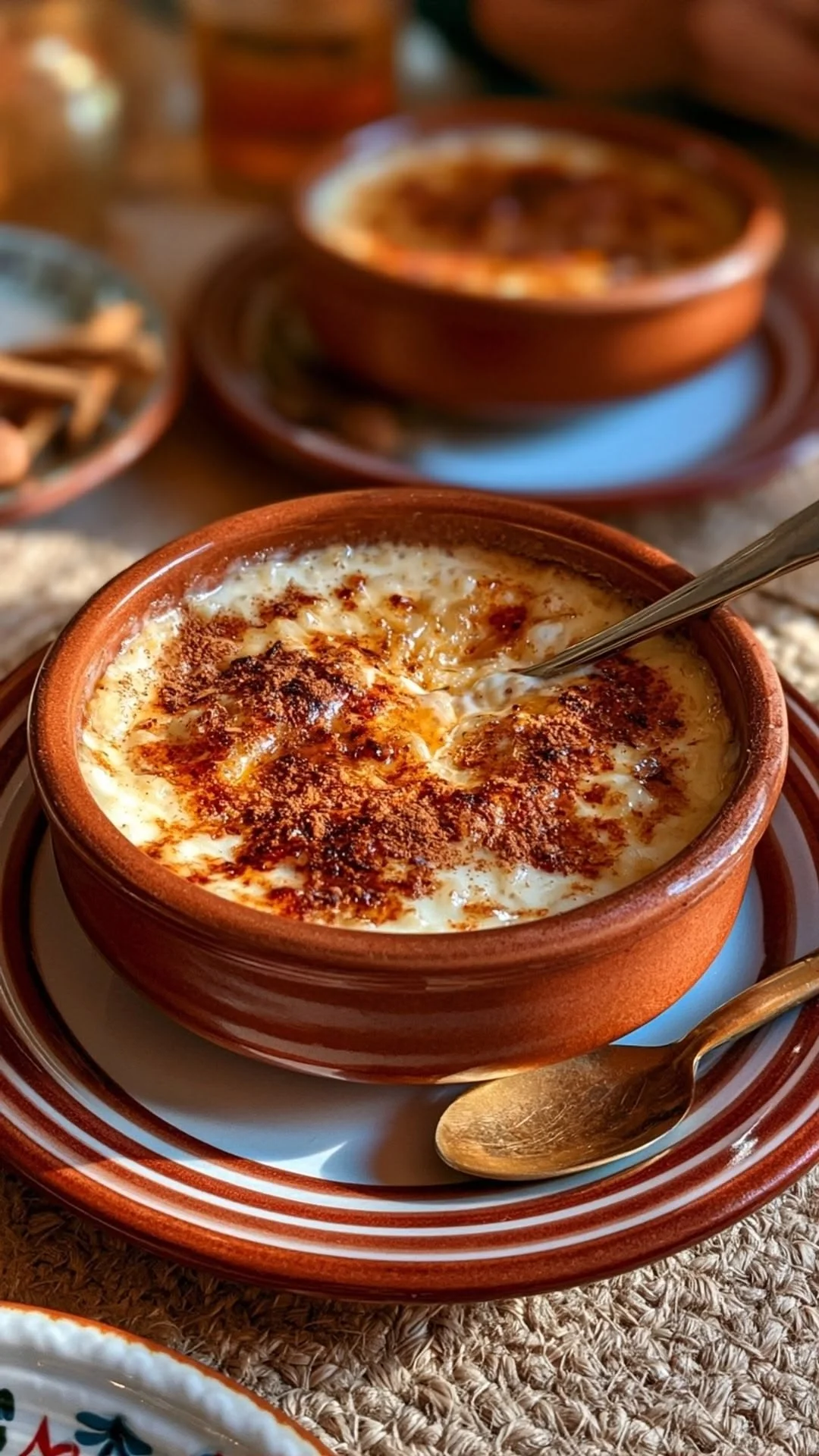
The first time I tasted sutlac was at a small family-run restaurant tucked into a side street in Istanbul, and I remember thinking it was the most comforting thing I had ever eaten. It arrived in a little clay dish, lightly charred on top, smelling faintly of rose water, and I scraped every last bit from the edges. That single dessert changed the way I thought about rice pudding entirely.
I spent months testing this recipe at home to capture that same depth of flavor and silky texture. The rose water addition was the final piece of the puzzle, adding a floral note that lifts the whole dish and makes it feel distinctly Mediterranean. Once I nailed the stovetop-to-oven technique, I knew this was a recipe worth sharing in full detail.
This Turkish Sutlac rose baked rice pudding has since become a staple in my dessert rotation. I make a big batch at the start of the week and keep individual portions in the fridge for easy grab-and-enjoy moments. It feels indulgent every single time, even though the ingredient list is short and the process is straightforward.
Origins of the Dish
Sutlac – pronounced “suut-lahch” – is one of Turkey’s most beloved and enduring desserts, with roots that stretch back several centuries into Ottoman palace cuisine. The word itself comes from the Turkish word “sut,” meaning milk, which gives you a clear picture of what the dessert is built around. Rice pudding in various forms existed across many ancient civilizations, but the Ottomans refined it into the elegant, baked version we know today.
The royal kitchens of Topkapi Palace in Istanbul, known as the “matbah-i amire,” were famous for their elaborate sweet dishes, and sutlac was among the most frequently prepared. Palace cooks would have access to the finest ingredients – including aromatic rose water distilled from fresh petals, high-quality short-grain rice, and rich whole milk from nearby farms. The dish became a symbol of refined Ottoman hospitality and was served to guests as a mark of respect and warmth.
Over time, sutlac traveled beyond the palace walls and became a fixture in Turkish homes, bakeries, and restaurants across the entire region. The classic version is known as “firin sutlac,” meaning oven-baked rice pudding, and what distinguishes it from plain stovetop versions is that final blast of heat in the oven or under the broiler. This creates the signature burnished, caramelized top layer that gives the dessert its visual identity and adds a slightly bitter contrast to the sweet, creamy base beneath.
The addition of rose water is a touch that connects sutlac to a broader tradition of floral flavoring used throughout the Middle East and Mediterranean world. Rose water has been used in cooking and baking for thousands of years, prized for its perfumed aroma and its ability to add complexity to sweet dishes without overpowering them. In Turkish Sutlac rose baked rice pudding, it plays a gentle but essential role that sets this dessert apart from any ordinary rice pudding you might have tried before.
Why You’ll Love This Recipe
This recipe earns a permanent spot in any dessert lover’s repertoire for so many good reasons. Here is a quick look at everything that makes it worth making again and again.
- Minimal ingredients: You only need a handful of pantry staples to make this stunning dessert, with no specialty equipment required.
- Elegant presentation: The caramelized top makes individual portions look bakery-level beautiful with almost no extra effort.
- Deeply comforting flavor: The combination of creamy rice, warm vanilla, and floral rose water creates a flavor profile that feels both nostalgic and refined.
- Meal prep friendly: This dessert stores beautifully in the fridge for several days, making it perfect for preparing in advance.
- Customizable: You can easily adjust the sweetness, swap in plant-based milk, or experiment with different toppings to make it your own.
- Great for entertaining: Serving sutlac in individual oven-safe dishes is a showstopper for dinner parties and holiday gatherings.
- Naturally gluten-free: The recipe is completely free of gluten, making it suitable for a wider range of guests and dietary needs.
- Kid-friendly: The mild sweetness and creamy texture make this an instant hit with children and picky eaters alike.
- Versatile serving temperature: Sutlac is equally delicious served warm from the oven or chilled from the fridge, giving you flexibility depending on the occasion.
- Authentic cultural experience: Making this recipe brings a piece of Ottoman culinary heritage into your own kitchen, connecting you to a centuries-old tradition.
Health Benefits and Ingredient Highlights
While sutlac is a dessert first and foremost, it is made from real, whole ingredients that each bring something meaningful to the table. Here is a closer look at what makes each component worthwhile.
Short-Grain White Rice
Short-grain rice is the backbone of this recipe, and it is specifically chosen for its high starch content. As it cooks slowly in milk, it releases starch that naturally thickens the pudding into a silky, cohesive texture without the need for additional thickeners like cornstarch or flour.
Rice is a good source of quick-release carbohydrates, making sutlac a genuinely energizing dessert option. It is also easy to digest and gentle on the stomach, which is part of why rice-based desserts have long been used as comfort food during recovery or for those with sensitive digestion.
Whole Milk
Whole milk gives this pudding its characteristic richness and creamy body. It is an excellent source of calcium, which supports bone density, and provides a good amount of protein and healthy fats that help make the dessert satisfying and filling.
Using whole milk rather than a reduced-fat alternative makes a significant difference in texture. The fat content creates that luscious, velvety mouthfeel that is the hallmark of a well-made sutlac. If you use low-fat milk, the pudding will be noticeably thinner and less indulgent in texture.
Rose Water
Rose water is one of the oldest culinary flavorings in the world, used in Mediterranean, Middle Eastern, and South Asian cooking for thousands of years. It is made by steeping or distilling fresh rose petals in water, resulting in a fragrant liquid that carries genuine aromatic compounds from the flower.
Beyond its wonderful flavor, rose water has been associated with calming properties and is traditionally used in herbal preparations to support mood and relaxation. In this Turkish Sutlac rose baked rice pudding, it provides that unmistakable floral lift that makes the dessert feel like something truly special rather than an ordinary pudding.
Sugar
The recipe uses plain white granulated sugar to sweeten the pudding to a level that complements without overwhelming the other flavors. The amount used is moderate, keeping the dessert pleasantly sweet rather than cloyingly so.
Sugar also plays a functional role in the caramelization process that happens on the surface during baking. As the pudding browns under the broiler or in a hot oven, the natural sugars in the milk and the added sugar combine to create that deeply golden, slightly caramelized crust that is one of the most distinctive qualities of authentic firin sutlac.
Vanilla
Vanilla is a flavor enhancer that rounds out the sweetness and adds warm, aromatic depth to the pudding. Whether you use a vanilla bean, pure vanilla extract, or vanilla sugar, it plays an important supporting role in balancing the floral notes from the rose water.
Vanilla also contains small amounts of antioxidants, including vanillin, which has been studied for its potential anti-inflammatory properties. While you are not consuming it in large enough quantities to claim a health benefit, it is a reminder that even dessert ingredients can have more to offer than just flavor.
Eggs or Egg Yolks (Optional Enrichment)
Some traditional versions of sutlac include egg yolks mixed into the pudding before baking, which adds extra richness and helps the surface caramelize more evenly and beautifully. Egg yolks are a natural source of fat-soluble vitamins including vitamin A, D, E, and K, along with choline, which supports brain health.
If you choose to include egg yolks in your version, you are adding nutritional density alongside improved texture and color. This is entirely optional, and the recipe works beautifully without them, but the yolk version does produce a slightly richer and more golden finished product.
Ingredients
This recipe makes approximately 6 individual servings in small oven-safe ramekins or clay dishes. Here is everything you need.
- 1/2 cup (100g) short-grain white rice – such as baldo, arborio, or sushi rice (do not use long-grain rice)
- 1 cup (240ml) water – for pre-cooking the rice
- 4 cups (960ml) whole milk – use full-fat for best results (substitute oat milk or coconut milk for dairy-free)
- 1/2 cup (100g) granulated white sugar – adjust to taste (substitute coconut sugar for a less refined option)
- 2 tablespoons cornstarch – dissolved in 3 tablespoons cold milk before adding (helps thicken the pudding)
- 1 teaspoon pure vanilla extract – or 1 vanilla bean, split and scraped (substitute vanilla sugar)
- 1 to 2 tablespoons rose water – start with 1 tablespoon and taste before adding more (use food-grade rose water only)
- 2 egg yolks – optional but recommended for a richer color and texture
- Pinch of salt – enhances overall flavor and balances sweetness
- Ground cinnamon or dried rose petals – for garnish (optional)
Step-by-Step Instructions
Follow these steps carefully for a perfectly creamy, beautifully caramelized Turkish Sutlac rose baked rice pudding every time. Read all the way through before you start so there are no surprises.
- Rinse the rice: Place the short-grain rice in a fine mesh sieve and rinse it under cold water until the water runs mostly clear. This removes excess surface starch that could make the pudding gluey rather than silky.
- Pre-cook the rice in water: Combine the rinsed rice and 1 cup of water in a medium saucepan over medium heat. Bring to a gentle simmer, then cook uncovered for about 8 to 10 minutes, stirring occasionally, until the water is mostly absorbed. The rice will still be undercooked at this stage, and that is exactly what you want.
- Add the milk: Pour 3.5 cups of the whole milk into the saucepan with the partially cooked rice. Set the heat to medium-low and stir well to combine. Reserve the remaining half cup of milk for the cornstarch mixture.
- Simmer low and slow: Cook the rice and milk mixture over medium-low heat for 20 to 25 minutes, stirring frequently to prevent the bottom from scorching. The mixture will gradually thicken and the rice grains will become fully tender. Do not rush this step by turning up the heat, as slow cooking is what creates the creamy texture.
- Make the cornstarch slurry: While the rice is simmering, whisk the 2 tablespoons of cornstarch into the remaining cold milk until completely smooth with no lumps. Set this aside until you are ready to add it.
- Add sugar and salt: Once the mixture has thickened noticeably, stir in the sugar and a pinch of salt. Continue stirring over medium-low heat for another 3 to 4 minutes until the sugar is fully dissolved and incorporated.
- Stir in the cornstarch slurry: Pour the cornstarch and milk mixture into the pot while stirring constantly. Keep stirring for 3 to 5 minutes as the pudding thickens further to a consistency that coats the back of a spoon. You want it to be pourable but clearly thickened.
- Add egg yolks if using: Remove the pot from the heat. If you are using egg yolks, whisk them in a small bowl and then slowly add a few spoons of the hot pudding into the yolks to temper them. Then pour the tempered yolk mixture back into the pot and stir well to fully combine.
- Flavor with vanilla and rose water: Stir in the vanilla extract and rose water. Start with 1 tablespoon of rose water, taste the mixture, and add a second tablespoon if you want a more pronounced floral note. The aroma will be strong at this point but mellows as it bakes.
- Preheat the broiler: Set your oven broiler to high, or preheat the oven to 475°F (245°C) if you do not have a broiler setting. Position the rack in the upper third of the oven.
- Fill the ramekins: Ladle the warm pudding evenly into 6 small oven-safe ramekins or clay dishes, filling each about three-quarters full. Place them on a baking tray for easy handling.
- Bake until caramelized: Slide the tray into the oven and broil for 5 to 10 minutes, watching closely the entire time. The surface should turn a deep golden to amber brown in patches. The timing will vary depending on your broiler, so check every 2 minutes after the first 5 minutes to avoid burning.
- Cool and chill: Remove the ramekins from the oven and allow them to cool at room temperature for at least 20 minutes. Then transfer them to the refrigerator and chill for a minimum of 2 hours before serving. This chilling step allows the pudding to set fully and the flavors to meld and deepen.
- Garnish and serve: Just before serving, sprinkle with a pinch of ground cinnamon, a few dried rose petals, or any topping of your choice. Serve the sutlac cold directly from the ramekins for the most authentic experience.
Make It Ahead and Batch Prep Guide
Turkish Sutlac rose baked rice pudding is one of the most naturally meal-prep-friendly desserts you can add to your rotation. The entire recipe from start to finish takes about 45 minutes of active time, but once it is made, you have ready-to-eat individual portions waiting in your fridge for up to 4 days. That kind of dessert convenience is hard to beat.
To batch prep efficiently, simply double or triple the recipe and divide the pudding into as many ramekins as you have. A standard recipe fills 6 small ramekins, so a double batch gives you 12 portions. You can bake them all at once on multiple trays, working in batches if your oven is limited in size. This makes the process extremely time-efficient for the amount of dessert you end up with.
Once baked and chilled, cover each ramekin tightly with plastic wrap or a snug-fitting lid if you have them. Label them with the date so you always know how fresh they are. When you want to enjoy one, simply pull it from the fridge, remove the wrap, add your toppings, and it is ready to eat in seconds. No reheating required unless you prefer it warm.
If you are prepping for a dinner party or event, sutlac is an ideal make-ahead dessert because it actually improves after chilling overnight. The flavors of the rose water and vanilla develop and deepen as the pudding rests, and the texture becomes even more set and elegant. Prepare it the night before and refrigerate, then bring it to the table with a simple garnish for maximum impact with minimal day-of effort. make-ahead Mediterranean dessert recipes
Common Mistakes to Avoid
Even a simple recipe like this one has a few pitfalls that can affect the final result. Here are the most common mistakes and how to steer clear of them.
- Using long-grain rice: Long-grain varieties like basmati do not release enough starch to create the thick, creamy consistency that sutlac requires. Always use short-grain rice such as baldo, arborio, or sushi rice for the correct texture.
- Cooking the milk on high heat: High heat causes the milk to scorch on the bottom of the pan and can cause it to boil over quickly. Always keep the heat at medium-low and stir frequently to prevent sticking and burning.
- Adding too much rose water: Rose water is powerful and a little goes a long way. Adding too much will make the pudding taste soapy and overwhelming. Start with 1 tablespoon, taste, and only add more if the flavor is too subtle for your preference.
- Skipping the tempering step for egg yolks: If you add cold or warm egg yolks directly into the hot pudding without tempering, they will scramble and create lumps. Always whisk a few spoons of hot pudding into the yolks first before adding them back to the pot.
- Not watching the broiler closely: The surface of the pudding can go from perfectly caramelized to burnt in under a minute under a hot broiler. Stand at the oven and check every minute or two during the final baking step to catch it at the ideal color.
- Serving before it has set: Sutlac needs at least 2 hours of chilling to set properly. Serving it straight from the oven will result in a loose, soup-like consistency rather than the firm, sliceable pudding it becomes after refrigeration. Be patient and let the cold do its work.
Notes, Tips and Variations
Substitutions
You can easily make this recipe dairy-free by swapping whole milk for full-fat oat milk or canned coconut milk. Coconut milk will add a subtle tropical sweetness that pairs surprisingly well with the rose water, while oat milk gives a more neutral creaminess. Avoid thin plant-based milks like rice milk or almond milk, as they will not provide enough fat for the pudding to set properly.
If you cannot find food-grade rose water, orange blossom water is a lovely alternative with a similar floral and slightly citrusy character. You can also substitute a small amount of rose extract, but use it sparingly as it is much more concentrated than rose water. A few drops will be sufficient.
Dietary Variations
To make this recipe vegan, omit the egg yolks and use a plant-based milk. The pudding will still set beautifully with the help of the cornstarch, and the flavor will remain delicious. You may want to add a touch more vanilla to compensate for the richness that the yolks would have contributed.
For a lower-sugar version, reduce the sugar to 1/3 cup and consider adding a small amount of pure maple syrup or honey to make up some of the sweetness in a more complex way. You can also use a natural sugar substitute like erythritol, though the caramelization on top may be less pronounced since artificial sweeteners do not brown the same way.
Cooking Tips
A wide, heavy-bottomed saucepan is your best friend for this recipe. The wide surface area encourages even evaporation and makes stirring easier, while the heavy bottom prevents the milk from scorching. Avoid thin pots or small saucepans that create hot spots on the bottom.
If you do not have oven-safe ramekins, you can use a single large baking dish and broil the entire batch at once, then portion it out after chilling. Small clay pots are the most traditional and also the most beautiful presentation option if you can find them at a Turkish or Mediterranean grocery store. Mediterranean dessert ingredient shopping guide
Topping Ideas and Flavor Boosters
One of the best things about Turkish Sutlac rose baked rice pudding is how well it pairs with a variety of garnishes and flavor additions. Here are some of the most delicious ways to finish your pudding.
- Dried rose petals: The most classic and visually stunning garnish, adding a floral note that echoes the rose water in the pudding itself.
- Ground cinnamon: A light dusting of cinnamon adds warm spice that complements the creamy milk and vanilla base beautifully.
- Crushed pistachios: Finely chopped green pistachios add color contrast, crunch, and a rich, buttery flavor that is a classic Turkish pairing.
- Ground cardamom: A tiny pinch of cardamom adds exotic, citrusy spice that elevates the floral notes already present in the dessert.
- Fresh raspberries or pomegranate seeds: The bright tartness of fresh fruit cuts through the richness of the pudding and adds a beautiful pop of color.
- Drizzle of honey: A thin drizzle of good quality honey adds glossy sweetness and pairs especially well with the rose water flavor.
- Candied rose petals: For an extra-special occasion, crystallized or candied rose petals add both visual drama and a concentrated floral sweetness.
- Toasted shredded coconut: Adds tropical texture and mild sweetness that works especially well if you have used coconut milk in the recipe.
- Saffron-infused cream: A small dollop of cream steeped with a few saffron threads creates a luxurious golden topping with an earthy, slightly floral flavor.
- Orange zest: A fine grating of fresh orange zest brightens the entire flavor profile and adds a lovely citrus contrast to the floral and creamy base.
- Crushed digestive biscuits or shortbread: Crumbled biscuits add an unexpected but delightful crunch that transforms the texture of each spoonful.
Who This Recipe Is For
This Turkish Sutlac rose baked rice pudding recipe is designed for a wide range of home cooks and dessert lovers. Here is a quick look at who will benefit most from making it.
- Beginner home cooks who want to impress with minimal technique and a short ingredient list.
- Meal prep enthusiasts who want a dessert they can make in bulk and enjoy throughout the week.
- Mediterranean cuisine fans who want to explore authentic Turkish desserts beyond the well-known baklava.
- Gluten-free eaters looking for a dessert that naturally fits their dietary requirements without modifications.
- Dairy-free cooks who can easily adapt this recipe using plant-based milk alternatives.
- Entertaining hosts who need an elegant, make-ahead dessert that can be prepared the night before a dinner party.
- Parents and families looking for a wholesome, creamy dessert that kids will genuinely enjoy eating.
- Food culture explorers who love learning the history and cultural context behind the dishes they cook.
Storage and Meal Prep Tips
Refrigerator
Store baked and chilled sutlac in individual ramekins covered tightly with plastic wrap or a silicone cover in the refrigerator for up to 4 days. The pudding actually improves in flavor after the first day as the rose water and vanilla integrate more deeply into the creamy base.
Do not add toppings like crushed nuts or rose petals until just before serving. Toppings added too early will become soggy or lose their texture contrast, which is a big part of what makes each bite interesting. Keep the toppings in a small separate container and add them fresh when you are ready to eat.
Freezer
Sutlac can be frozen, though the texture does change somewhat upon thawing. The rice grains can become slightly more firm and the pudding base may separate a little. If you do freeze it, store portions in airtight freezer-safe containers for up to 1 month.
To thaw, transfer the container from the freezer to the refrigerator and allow it to defrost overnight. Give it a good stir after thawing to help restore some of the creaminess. The broiled top will not maintain its caramelized appearance after freezing, so keep that in mind if presentation is important to you.
Reheating
If you prefer your sutlac warm rather than chilled, you can gently reheat individual portions in the microwave. Start with 30 seconds on medium power, stir gently, and heat for another 20 to 30 seconds if needed. Be careful not to overheat, as the pudding can become too thick and the milk proteins can separate.
Alternatively, place the ramekin in a small pot of simmering water for a gentle bain-marie style reheat, which is the least likely method to alter the texture. You can also enjoy sutlac completely cold straight from the fridge, which is honestly how most people prefer it and how it is traditionally served in Turkish restaurants. Turkish-inspired dessert meal prep ideas
Nutrition Facts
The following nutrition information is an estimate per serving based on 1 ramekin portion (approximately 150g). Values will vary depending on specific ingredients used and portion size.
| Nutrient | Per Serving |
|---|---|
| Calories | 210 kcal |
| Protein | 6g |
| Total Carbohydrates | 34g |
| Total Fat | 6g |
| Saturated Fat | 3.5g |
| Dietary Fiber | 0.3g |
| Total Sugar | 18g |
| Sodium | 65mg |
| Calcium | 180mg |
FAQs
Can I make Turkish Sutlac rose baked rice pudding without rose water?
Yes, you can absolutely make this pudding without rose water and it will still be delicious. Simply omit the rose water and increase the vanilla to 1.5 teaspoons for a more classically vanilla-forward pudding. Orange blossom water is the closest substitute if you want to maintain a floral element without using rose water specifically.
Why does my sutlac look watery and not set properly?
This usually happens for one of two reasons. Either the pudding was not cooked long enough on the stovetop to thicken properly, or it was not given enough time to chill and set in the refrigerator. Make sure the pudding coats the back of a spoon clearly before you ladle it into ramekins, and always chill for a minimum of 2 hours before serving, though overnight is even better.
What type of rice works best for this recipe?
Short-grain rice varieties are essential for authentic sutlac. In Turkey, a local variety called baldo rice is traditionally used, but arborio rice (the same rice used for risotto) works beautifully and is widely available. Sushi rice is another excellent option. Avoid long-grain varieties like basmati or jasmine, as they do not release enough starch to create the creamy, cohesive texture that defines this dessert.
Can I bake the sutlac in a single large dish instead of individual ramekins?
Yes, you can pour the entire batch of pudding into a large oven-safe baking dish and broil it the same way. The baking time may be slightly longer since the pudding layer will be deeper. The visual presentation will be different – more like a family-style dessert – but the flavor will be identical. Scoop individual portions out after chilling for serving.
Is this recipe safe to eat while pregnant?
This recipe contains egg yolks that are mixed into hot pudding, which helps cook them partially. However, if you are pregnant and concerned about partially cooked eggs, simply omit the egg yolks entirely. The recipe still produces a delicious, creamy pudding without them, and you will eliminate any food safety concerns. Always consult your healthcare provider for personalized dietary guidance during pregnancy.
Conclusion
Turkish Sutlac rose baked rice pudding is proof that the most memorable desserts do not require complicated techniques or a long list of obscure ingredients. With just a handful of simple, wholesome components and a little patience at the stove, you can recreate an Ottoman classic that has been delighting people for centuries. The floral rose water, the caramelized top, and the silky milk-soaked rice come together into something that is genuinely greater than the sum of its parts.
Whether you are making this for a quiet weeknight treat, a special dinner party finish, or a week’s worth of meal-prepped dessert portions, this recipe delivers every single time. The flexibility to customize toppings, adjust sweetness, and adapt for dairy-free diets makes it one of the most accessible and versatile recipes in the Mediterranean dessert tradition.
Give this recipe a try, and do not be surprised if it becomes one of those dishes you come back to again and again. Once you have tasted that first cold, creamy, rose-scented spoonful straight from the fridge, you will completely understand why sutlac has stood the test of time. Leave a comment below to share how yours turned out, and tag your photos so we can celebrate this beautiful dessert together.