THE BEST N°1 Easy Caramel Drizzle Cheesecake Recipe | Rich, Creamy & Perfect for Dessert Baking Lovers
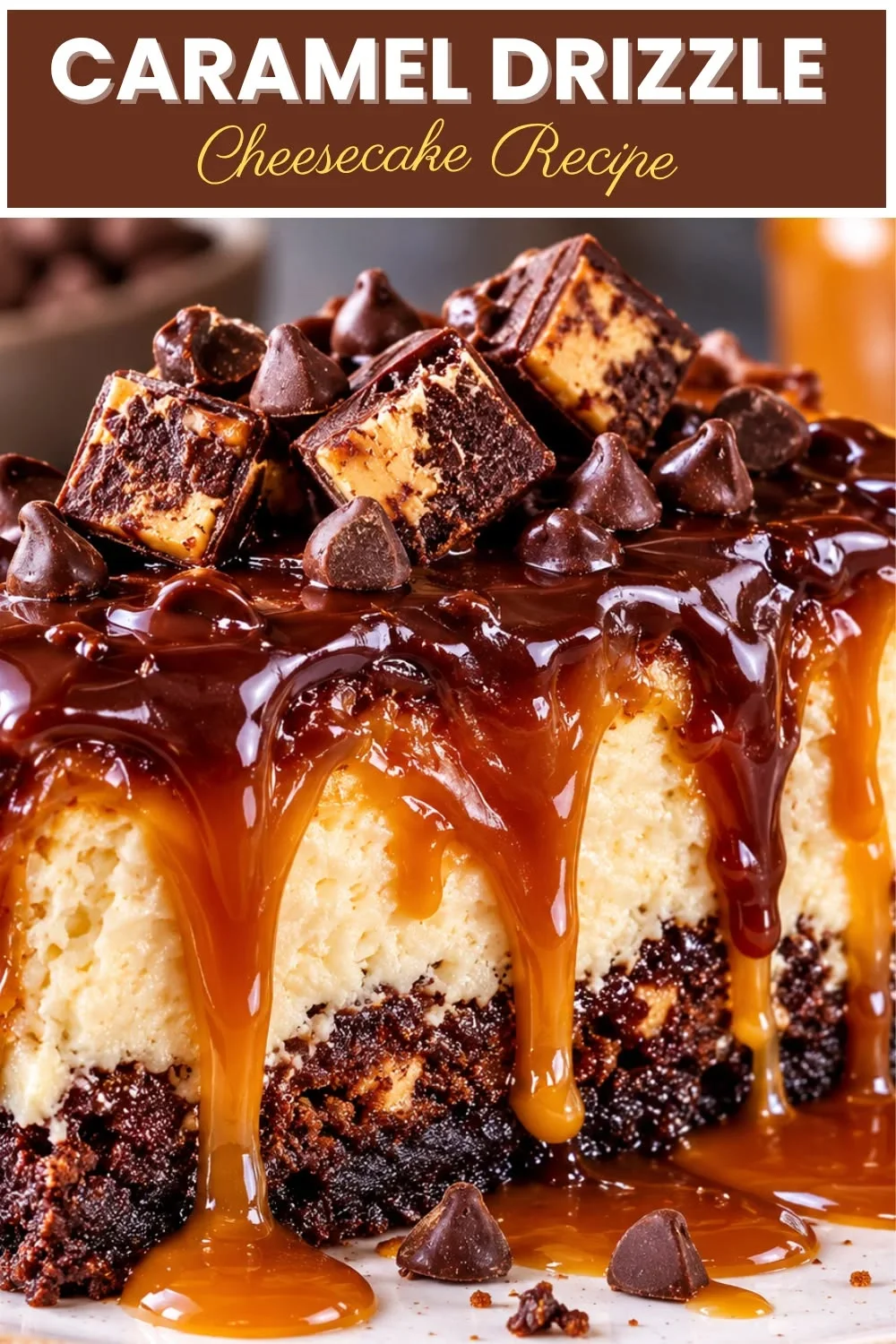
If you have ever dreamed of a dessert that stops people mid-conversation the moment it hits the table, this easy caramel drizzle cheesecake recipe is exactly what you need. It is rich, silky, and layered with golden caramel that cascades over a perfectly set cream cheese filling – all sitting on a buttery graham cracker crust.
This post walks you through everything from the history of cheesecake to foolproof baking tips, storage hacks, and creative topping ideas. Whether you are baking for a dinner party, a holiday table, or just because you deserve something extraordinary this week, you are in the right place.
By the end of this guide, you will have the confidence to bake a stunning cheesecake from scratch, avoid the most common mistakes, and even prep it ahead so dessert is ready when you need it most.
Table of Contents
Personal Note
The first time I made a cheesecake from scratch, I was terrified. I had heard too many horror stories about cracked tops, sunken centers, and rubbery textures. But the moment I pulled that golden, jiggly beauty out of the oven and watched it chill into a perfect, creamy slice, I was completely hooked.
Adding a caramel drizzle was my way of turning an already incredible dessert into something truly show-stopping. That warm, buttery, slightly salty caramel pooling over the top makes every single bite feel indulgent and special – without requiring any professional pastry skills.
I have made this recipe for birthdays, holiday gatherings, potlucks, and Tuesday nights when I just needed something to look forward to. Every single time, it disappears within minutes. I want that same win for you in your kitchen.
Origins of the Dish
Cheesecake has a history that stretches back further than most people realize. Ancient Greeks on the island of Samos were making a simple cake from fresh cheese, wheat, and honey as far back as 776 BC. This early version was actually served to athletes competing in the first Olympic Games – a high-energy treat meant to fuel performance and celebration alike.
When the Romans conquered Greece, they adopted the recipe and spread it across Europe. Each country began adapting the concept to their local ingredients and tastes. Germans favored cottage cheese, the British developed their own curd-based versions, and Italians incorporated ricotta. By the time European immigrants arrived in America, cheesecake had already evolved into dozens of delicious regional variations.
The modern American-style cheesecake we know and love today was born in New York City in the late 1800s. A dairyman named William Lawrence accidentally created cream cheese while trying to replicate a French soft cheese called Neufchâtel. That rich, dense cream cheese became the foundation for the smooth, tall, iconic New York cheesecake – a dessert that would go on to define bakery windows and restaurant menus across the country.
Caramel as a dessert element has its own fascinating journey. Sugar caramelization was documented in Arabian cuisine as early as the 9th century, and French confectioners later refined the process into the glossy sauces and hard candies we recognize today. Pairing caramel with cheesecake became a popular trend in American dessert culture throughout the 1990s and early 2000s, as home bakers and restaurant chefs alike discovered that the deep, buttery richness of caramel was a perfect complement to the tangy cream cheese base. Today, the caramel drizzle cheesecake is a beloved classic found everywhere from coffee shops to five-star restaurant menus.
Why You’ll Love This Recipe
This is not just another cheesecake recipe you will forget about after one try. It is the kind of dessert that earns you compliments every single time, and here is exactly why you will keep coming back to it.
- Incredibly creamy texture – The combination of full-fat cream cheese, sour cream, and eggs creates a filling that is smooth, dense, and absolutely melt-in-your-mouth.
- Buttery graham cracker crust – The base is easy to press together in minutes and bakes up into a crisp, golden foundation that holds every slice together perfectly.
- Homemade caramel drizzle – You are making real caramel from scratch, and it is easier than you think. The result is infinitely better than anything from a jar.
- Make-ahead friendly – Cheesecake actually improves overnight in the refrigerator, which makes it one of the best desserts you can prep in advance.
- Crowd-pleasing every time – This recipe consistently earns raves from kids, adults, and even picky eaters who claim they do not like cheesecake.
- Customizable to your taste – Add nuts, chocolate, fruit, or flavored extracts to make it your own signature version.
- No water bath required – This recipe uses a technique that gives you a beautiful, crack-free top without the fuss of a traditional water bath.
- Freezer-friendly – Bake one now, freeze slices for later, and have a stunning dessert ready on demand whenever you need it.
- Beginner-approved – The steps are detailed, the tips are specific, and the process is designed so that even first-time cheesecake bakers get a gorgeous result.
- Visually stunning presentation – That golden caramel drizzle makes every slice look like it came straight out of a professional pastry kitchen.
Health Benefits and Ingredient Highlights
While this caramel drizzle cheesecake is undeniably an indulgent treat, several of its core ingredients bring real nutritional value to the table. Understanding what each component contributes helps you enjoy every bite with full appreciation for what you are eating.
Cream Cheese
Cream cheese is the star of this recipe and it is more than just delicious. It is a good source of fat-soluble vitamins, particularly Vitamin A, which supports eye health, skin integrity, and immune function. Full-fat cream cheese also provides a satisfying richness that helps make each serving feel genuinely filling and indulgent.
The fat content in cream cheese also contains conjugated linoleic acid (CLA), a naturally occurring fatty acid that some research links to improved body composition and metabolic health. When you are enjoying a dessert, choosing full-fat dairy means you are getting more flavor and more nutritional density per bite.
Eggs
Eggs are the structural backbone of your cheesecake filling. They provide protein that sets the custard-like texture as the cheesecake bakes, giving you that firm-yet-creamy consistency that makes every slice hold together cleanly. Each egg also delivers choline, a nutrient critical for brain function and cell membrane health.
Eggs also contain lutein and zeaxanthin, two powerful antioxidants associated with eye health. The yolks specifically contribute to the golden richness of the filling and add a depth of flavor that cannot be replicated by egg substitutes in a traditional cheesecake.
Sour Cream
Sour cream plays a quieter but equally important role in this recipe. It lightens the texture of the filling slightly, preventing it from becoming too dense or brick-like. It also introduces a subtle tang that balances the sweetness of the filling and the caramel, making the overall flavor profile more complex and interesting.
From a nutritional standpoint, sour cream is a source of probiotics – beneficial bacteria that support gut health and digestion. Using full-fat sour cream also ensures a smooth, stable texture that holds up beautifully when sliced and served.
Butter
Butter appears in both the crust and the caramel sauce, and in both cases it delivers irreplaceable flavor and texture. The fat in butter coats the graham cracker crumbs to create a cohesive, press-able crust that bakes up golden and slightly crisp. In the caramel, butter adds the characteristic richness and smooth mouthfeel that separates homemade caramel from the store-bought kind.
Butter from grass-fed cows is particularly worth seeking out if you can find it. It contains higher levels of Vitamin K2, butyrate, and omega-3 fatty acids compared to conventional butter – all nutrients that support heart health, inflammation reduction, and gut function.
Graham Crackers
Graham crackers form the crust that ties everything together. They bring a mild sweetness and a toasty, slightly honeyed flavor that complements the tangy filling without overpowering it. When combined with butter, they create a texture that is both firm enough to slice cleanly and tender enough to eat without feeling like you are chewing through cardboard.
Graham crackers also provide a small amount of whole grain fiber depending on the brand you choose. Looking for options made with real honey and minimal additives can add a touch more nutritional value to your crust while keeping that classic flavor intact.
Vanilla Extract
Pure vanilla extract is not just a flavoring agent – it is an aromatic compound that elevates every other ingredient it touches. Vanilla contains vanillin, a naturally occurring antioxidant compound that has been studied for its anti-inflammatory properties. It also adds a warm, floral depth to the filling that makes the cheesecake taste more complex without requiring any additional ingredients.
Always use pure vanilla extract rather than imitation vanilla in a recipe like this. The difference in flavor is significant, especially in a dessert where vanilla is one of the primary flavor notes carrying the entire filling.
Heavy Cream
Heavy cream is used in the homemade caramel sauce and it is non-negotiable for getting that glossy, pourable consistency. It tempers the heat of the caramelized sugar and prevents the sauce from seizing up into a hard candy mess. The fat content in heavy cream creates an emulsified sauce that stays smooth and spreadable even after it cools.
Heavy cream also delivers a dose of fat-soluble vitamins and contributes to the overall satiety of the dessert. A small amount of cream goes a long way in terms of flavor impact, which is why the caramel sauce in this recipe uses a modest quantity while still producing a beautifully rich result.
Ingredients
These are the exact quantities you need to make one 9-inch caramel drizzle cheesecake that serves approximately 12 slices. All ingredients should be at room temperature unless otherwise noted.
For the Graham Cracker Crust:
- 2 cups graham cracker crumbs (about 15 full crackers, or substitute digestive biscuits for a slightly less sweet crust)
- 1/4 cup granulated sugar
- 1/2 cup unsalted butter, melted (substitute salted butter and reduce added salt elsewhere, or use coconut oil for a dairy-free crust)
- 1/4 teaspoon salt
For the Cheesecake Filling:
- 32 oz (4 blocks) full-fat cream cheese, completely softened to room temperature (do not substitute low-fat – it will affect texture significantly)
- 1 cup granulated sugar
- 1 cup full-fat sour cream, room temperature (substitute full-fat Greek yogurt for a slightly tangier filling)
- 3 large eggs plus 1 egg yolk, room temperature
- 2 teaspoons pure vanilla extract
- 2 tablespoons all-purpose flour (substitute cornstarch for a gluten-free version)
- 1/4 teaspoon salt
For the Homemade Caramel Drizzle:
- 1 cup granulated sugar
- 6 tablespoons unsalted butter, cut into cubes (must be room temperature to prevent splattering)
- 1/2 cup heavy whipping cream, room temperature
- 1 teaspoon flaky sea salt (optional but highly recommended for a salted caramel version)
- 1 teaspoon pure vanilla extract
Step-by-Step Instructions
Follow these steps carefully and you will have a flawless caramel drizzle cheesecake every time. Read through the entire recipe before you begin so nothing catches you by surprise.
- Preheat your oven to 325°F (163°C). Position your oven rack in the center of the oven. Lightly grease the sides of a 9-inch springform pan with butter or non-stick spray, and line the bottom with a round of parchment paper for easy removal.
- Make the crust. Combine the graham cracker crumbs, granulated sugar, melted butter, and salt in a medium bowl and stir until the mixture looks like wet sand and clumps together when pressed. Every crumb should be coated in butter for a crust that holds together cleanly.
- Press and pre-bake the crust. Pour the crumb mixture into your prepared pan and use the flat bottom of a measuring cup to press it firmly and evenly across the bottom and about 1 inch up the sides. Bake the crust alone for 10 minutes, then remove it and let it cool slightly while you prepare the filling.
- Beat the cream cheese. Using a stand mixer or hand mixer fitted with the paddle attachment, beat the softened cream cheese on medium speed for 3 to 4 minutes until it is completely smooth, fluffy, and free of any lumps. Scrape down the sides and bottom of the bowl at least twice during this process.
- Add sugar and flour. With the mixer on low speed, add the granulated sugar, flour, and salt to the cream cheese. Mix until just combined, about 1 minute. Do not overmix at this stage – you are aiming for incorporation, not aeration.
- Add the sour cream and vanilla. Pour in the sour cream and vanilla extract and mix on low speed until smooth and combined. Scrape the bowl again to make sure no cream cheese is hiding at the bottom unmixed.
- Add the eggs one at a time. Add the eggs and extra yolk one at a time, mixing on low speed after each addition just until the yellow disappears into the batter. Overmixing eggs is one of the main causes of cracks and a rubbery texture, so be disciplined here.
- Pour the filling into the crust. Pour the cream cheese filling over the pre-baked crust and use a rubber spatula or offset spatula to spread it into an even layer. Gently tap the pan on the counter a few times to release any large air bubbles trapped in the batter.
- Bake at 325°F for 55 to 65 minutes. The cheesecake is done when the edges are set and slightly puffed and the center still has a gentle wobble – like a just-set gelatin when you nudge the pan. It should not look liquid, but it should not look completely firm either.
- Cool gradually in the oven. Turn the oven off but leave the cheesecake inside with the door cracked open about 1 inch for 1 hour. This gradual cooling prevents the dramatic temperature drop that causes cracks. Use a wooden spoon to prop the oven door open if needed.
- Cool completely at room temperature. After the oven rest, transfer the cheesecake to a wire rack and cool at room temperature for at least another hour. The center should feel set but still slightly soft to a gentle touch before refrigerating.
- Refrigerate for a minimum of 6 hours. Cover the top loosely with plastic wrap (avoid pressing it directly onto the surface) and refrigerate for at least 6 hours – overnight is ideal. This chilling step is not optional; it is what transforms the texture from warm-and-soft to perfectly dense and sliceable.
- Make the caramel sauce. When you are ready to serve, make the caramel by pouring the sugar into a medium heavy-bottomed saucepan over medium heat. Stir constantly with a wooden spoon or heatproof spatula until the sugar melts completely and turns a deep amber color – this takes about 8 to 10 minutes.
- Add the butter carefully. Remove the pan from the heat briefly and add the cubed room-temperature butter. The mixture will bubble aggressively – this is completely normal. Stir vigorously until the butter is fully incorporated and the bubbling settles down.
- Stream in the heavy cream. Slowly pour the room-temperature heavy cream into the caramel while stirring constantly. Return the pan to medium-low heat and stir for another 1 to 2 minutes until the sauce is smooth, glossy, and slightly thickened. Stir in the vanilla extract and flaky salt if using.
- Cool the caramel slightly, then drizzle. Let the caramel cool for 10 to 15 minutes until it thickens to a pourable but not runny consistency. Remove the springform ring from the cheesecake, transfer it to a serving platter, and drizzle the caramel generously over the top – letting it cascade slightly over the edges for a dramatic, beautiful presentation.
- Slice and serve. Use a sharp knife dipped in hot water and wiped clean between each cut for perfectly clean slices. Serve immediately after adding the caramel, or return the cheesecake to the refrigerator and add the caramel just before serving.
Make It Ahead and Batch Prep Guide
One of the greatest things about this caramel drizzle cheesecake is that it is genuinely one of the best desserts you can make in advance. Unlike cakes or pastries that go stale within a day or two, cheesecake actually improves with time in the refrigerator as the flavors meld and the texture firms up into something even more luxurious.
You can bake the cheesecake up to three days before you plan to serve it. Store it covered in the refrigerator without the caramel – add the drizzle fresh on the day of serving for the best visual impact and texture. This makes it a perfect dessert to have ready for dinner parties, holiday meals, or any occasion where you want to minimize day-of kitchen stress.
If you want to do a true batch prep session, consider baking two cheesecakes at the same time. The oven is already on, the cream cheese is already softened, and the extra hands-on effort is minimal. Slice the second cheesecake into individual portions before freezing so you can pull out exactly as many servings as you need without thawing the whole cake. Easy No-Bake Strawberry Cheesecake Cups Recipe
The caramel sauce can also be made ahead and stored separately. It keeps beautifully in a sealed jar in the refrigerator for up to two weeks. When you are ready to use it, simply warm it gently in the microwave in 15-second intervals, stirring between each, until it reaches your desired drizzling consistency. This prep strategy means you can have both components ready to assemble in under five minutes on serving day.
Common Mistakes to Avoid
Even experienced bakers make these errors with cheesecake. Knowing what to watch out for before you start is the difference between a flawless result and a frustrating one.
- Using cold cream cheese: Cold cream cheese will never mix into a truly smooth filling. You will end up with lumps that do not bake out, creating an uneven texture throughout the cheesecake. Always soften your cream cheese for at least 1 to 2 hours at room temperature before mixing.
- Overmixing after adding the eggs: Beating too much air into the batter after the eggs are added causes the cheesecake to puff dramatically in the oven and then collapse and crack as it cools. Mix eggs on low speed and only until each one is just incorporated.
- Pulling it out too soon: An underbaked cheesecake will never set properly, even after hours in the refrigerator. Wait for that signature gentle wobble in the center and trust the process – the residual heat will continue to cook it as it cools.
- Skipping the gradual cool: Moving a hot cheesecake directly from the oven to a cold counter creates a thermal shock that almost always results in cracking. The slow oven cool-down is a simple but essential step that protects the top of your cheesecake.
- Burning the caramel sugar: Caramel goes from perfect to bitter in seconds once the sugar is fully liquid. Keep the heat at medium, stay at the stove the entire time, and pull the pan from the heat the moment it reaches that deep amber color. If it smells slightly bitter, it has gone too far.
- Adding cold cream or butter to the caramel: Pouring cold dairy into hot caramelized sugar causes violent spattering and can even cause the sugar to seize into hard chunks. Always have your butter and cream at room temperature before you begin the caramel-making process.
Notes, Tips and Variations
Substitutions
If you need a gluten-free version of this recipe, swap the graham crackers for gluten-free cookies or gluten-free graham-style crackers, and replace the all-purpose flour in the filling with an equal amount of cornstarch. The texture and flavor remain nearly identical, and no one at your table will notice the difference.
For the caramel sauce, you can substitute brown sugar for granulated sugar if you want a deeper, more molasses-forward flavor. Brown sugar caramel has a slightly softer set and a richer taste that pairs beautifully with the tangy cream cheese filling. Just keep the ratios the same and watch it slightly more carefully as it melts, since brown sugar can burn faster than white.
Dietary Variations
To make a dairy-free cheesecake, use full-fat dairy-free cream cheese (the Violife or Kite Hill brands both work well), coconut cream in place of sour cream, and vegan butter throughout. The texture will be slightly softer and less dense, but the flavor is still rich and delicious – especially with a generous caramel drizzle on top.
For a reduced-sugar version, you can cut the sugar in the filling down to 3/4 cup and use a monk fruit sweetener or erythritol blend in a 1:1 ratio. Keep in mind that the caramel sauce requires real sugar to caramelize properly – sugar alcohols do not behave the same way under heat. If you need a low-sugar caramel, look for pre-made sugar-free caramel sauces as a convenient topping alternative. Brown Butter Salted Caramel Cookie Bars Recipe
Cooking Tips
Use a 9-inch springform pan with walls that are at least 2.75 inches high. A pan with walls that are too short will not contain the full volume of filling, and you will end up with overflow in the oven. Always check your pan dimensions before you begin.
If your cheesecake does crack despite your best efforts, do not panic. A generous layer of caramel drizzle covers cracks beautifully, and no one will ever know. You can also smooth over small cracks with a thin layer of sour cream before the caramel goes on – it blends right in and fills gaps seamlessly.
For the cleanest slices, run your knife under very hot water, dry it quickly with a clean towel, and make your cut. Repeat the hot-water-and-dry process between every single slice. This prevents the filling from dragging and tearing, and gives you those picture-perfect, bakery-style slices that photograph beautifully.
Topping Ideas and Flavor Boosters
The caramel drizzle is the star, but there are so many ways to take this cheesecake even further. Here are over ten ideas to customize your presentation and flavor profile.
- Flaky sea salt – Sprinkle Maldon or fleur de sel over the caramel immediately after drizzling for a salted caramel upgrade that is absolutely addictive.
- Toasted pecans – Roughly chopped and scattered over the caramel, they add crunch, nuttiness, and a beautiful visual texture.
- Dark chocolate shavings – Use a vegetable peeler to shave curls of high-quality dark chocolate directly onto the finished cheesecake for a mocha-caramel effect.
- Fresh whipped cream – Pipe rosettes around the edge for a classic, elegant presentation that also adds a light, airy contrast to the dense filling.
- Sliced bananas – Fan thin slices of banana around the outer edge just before serving for a bananas Foster-inspired combination.
- Crushed toffee or Heath bar pieces – Sprinkle over the top for extra crunch and a butterscotch undertone that plays beautifully with the caramel.
- Caramelized apple slices – Sauté thin apple slices in butter, brown sugar, and cinnamon and arrange them on top for a fall harvest version.
- Espresso powder – A light dusting of fine espresso powder over the caramel deepens the flavor dramatically and creates a beautiful visual contrast.
- Fresh berries – Strawberries, raspberries, or blueberries add brightness, color, and a tart counterpoint to the sweet caramel and rich filling.
- Chocolate caramel drizzle combination – Drizzle both a classic caramel and a dark chocolate ganache side by side for a stunning two-sauce presentation.
- Candied walnuts – Toss walnuts in sugar and a touch of butter in a hot pan until caramelized, then cool and crumble over the finished cheesecake for a sophisticated topping.
- Cinnamon sugar – A light dusting of cinnamon sugar just before serving adds warmth and spice that transforms the flavor profile toward a churro-inspired cheesecake.
Who This Recipe Is For
This caramel drizzle cheesecake was designed with a wide range of bakers and dessert lovers in mind. Here is exactly who will get the most out of this recipe.
- First-time cheesecake bakers who want detailed, step-by-step guidance that removes all the guesswork and anxiety from the process.
- Home bakers who love impressive results without spending an entire day in the kitchen or using professional equipment.
- Dessert meal preppers who want to bake ahead, freeze portions, and always have a stunning dessert ready on demand.
- Holiday and party hosts who need a crowd-pleasing centerpiece dessert that can be made days in advance and transported easily.
- Cheesecake enthusiasts who have made the classic version before and are ready to elevate it with a homemade caramel sauce.
- Gift bakers and food gifters who want to bring something genuinely impressive and homemade to a birthday, housewarming, or dinner party.
- Parents and family bakers who want a dessert that appeals to every age group at the table – from young children who love caramel to adults who appreciate a well-crafted cheesecake.
- Baking enthusiasts who love learning and want to understand not just what to do, but why each step matters for the final result.
Storage and Meal Prep Tips
Refrigerator
Store your finished cheesecake in the refrigerator covered loosely with plastic wrap or in an airtight container. It will keep at peak quality for up to 5 days. After that, the crust may begin to soften and the filling can absorb fridge odors, so aim to consume it within that window.
If you have already added the caramel drizzle, store it uncovered in the refrigerator for the first few hours until the caramel sets, then cover it lightly. The caramel will firm up in the cold but will soften again at room temperature or when you serve individual slices. Store the extra caramel sauce separately in a small sealed jar for adding to future slices.
Freezer
Cheesecake freezes exceptionally well – it is one of the most freezer-friendly desserts you can make. To freeze the whole cheesecake, wrap it tightly in plastic wrap first, then in a layer of aluminum foil to prevent freezer burn. It will keep in the freezer for up to 2 months without any noticeable quality loss.
For individual slice storage, place each slice on a small piece of parchment paper, freeze them uncovered on a baking sheet for about an hour until solid, then transfer them to a zip-top freezer bag. This method prevents the slices from sticking together and allows you to thaw exactly as many as you need at a time. Do not freeze the cheesecake with the caramel drizzle already applied – the caramel texture changes after freezing and thawing.
Reheating
Cheesecake is best served chilled rather than warmed, but if you have frozen portions you want to thaw, transfer them from the freezer to the refrigerator the night before you plan to serve them. This slow thaw in the refrigerator preserves the creamy texture far better than a quick room-temperature or microwave thaw.
If you prefer a slightly warmed slice – some people love the softened, almost mousse-like texture of a gently warmed cheesecake – microwave an individual slice for just 15 to 20 seconds. Any longer and the filling can become too soft and lose its structure. Warm the caramel separately and pour it fresh over each slice just before serving for the best experience. Classic New York Style Cheesecake with Berry Topping
Nutrition Facts
The following nutrition estimates are based on one serving – approximately 1/12th of the full cheesecake including crust and caramel drizzle. Values may vary slightly based on specific brands and exact portion sizes.
| Nutrient | Per Serving (1 slice) |
|---|---|
| Calories | 480 kcal |
| Total Fat | 32g |
| Saturated Fat | 18g |
| Total Carbohydrates | 44g |
| Dietary Fiber | 0.5g |
| Total Sugar | 35g |
| Protein | 7g |
| Sodium | 310mg |
| Cholesterol | 120mg |
| Vitamin A | 18% DV |
This cheesecake is an indulgent dessert, and the calorie and fat content reflect that. Enjoying it as an occasional treat as part of a balanced diet is the ideal approach. The protein from cream cheese and eggs makes it more satisfying than many other dessert options at a similar calorie level.
FAQs
Why did my cheesecake crack on top?
Cracking is almost always caused by one of three things: overmixing the batter after adding eggs, baking at too high a temperature, or cooling the cheesecake too quickly. The most common culprit is skipping the gradual oven cool-down step. Always turn the oven off and leave the door cracked for a full hour before moving the cheesecake. And remember, even a cracked cheesecake is completely delicious – the caramel drizzle covers everything beautifully.
Can I make this caramel drizzle cheesecake without a springform pan?
A springform pan is strongly recommended because it allows you to remove the outer ring cleanly without disturbing the crust or filling. If you absolutely do not have one, you can use a deep 9-inch cake pan lined generously with plastic wrap, with enough overhang to lift the entire cheesecake out after it has fully chilled. It will not look as polished, but it will still taste incredible. Avoid ceramic pie dishes – they do not provide enough depth for a full cheesecake recipe.
How do I know when the cheesecake is done baking?
The cheesecake is done when the edges are set, slightly puffed, and no longer shiny, while the center – about a 2 to 3 inch circle – still has a gentle, uniform jiggle when you nudge the pan. It should wobble like a soft gelatin, not slosh like liquid. If the entire surface wobbles, give it another 5 to 8 minutes and check again. An instant-read thermometer inserted into the center should read between 150°F and 155°F (65°C to 68°C) for a perfectly cooked cheesecake.
Can I use store-bought caramel sauce instead of making it from scratch?
Yes, absolutely. A good quality store-bought caramel sauce works perfectly well if you are short on time or simply prefer the convenience. Look for caramel sauces made with real butter and cream rather than corn syrup-heavy versions, as the flavor will be noticeably richer and more authentic. Warm it gently before drizzling so it pours smoothly and cascades over the edges the way you want it to. That said, once you try homemade caramel even once, it is hard to go back.
How far in advance can I make this cheesecake for a party?
You can bake and refrigerate the cheesecake up to three days in advance of serving, making it one of the most party-friendly desserts in your repertoire. Keep it covered in the refrigerator without the caramel drizzle until you are ready to serve. Make the caramel sauce up to two weeks in advance and store it separately. On the day of your event, all you need to do is warm the caramel, drizzle it over the cheesecake, add any desired toppings, and present it. This approach actually produces a better-tasting cheesecake than one made the same day, since the extra resting time allows the flavors to fully develop.
Conclusion
This easy caramel drizzle cheesecake is exactly the kind of recipe that belongs in your permanent dessert rotation. It is rich, creamy, and deeply satisfying – the kind of dessert that makes people close their eyes after the first bite and reach for a second slice before they have finished the first. And now you have everything you need to bake it with confidence, from the science of the filling to the art of the perfect caramel drizzle.
Whether you are making it for a celebration, a holiday table, a casual weekend treat, or a batch-prep session that fills your freezer with ready-to-go slices, this recipe delivers every single time. The techniques you have learned here – softening your cream cheese, adding eggs on low speed, cooling gradually, making a proper caramel – will improve every other dessert you bake too.
Now go preheat that oven. Your best cheesecake yet is waiting to happen, and that golden caramel drizzle is going to make it completely unforgettable. When you make it, share it with the people you love most – because great desserts were meant to be shared.