THE BEST N°1 Turkish Cucumber Tomato Fattoush Salad | Quick Summer Recipe
If you are looking for a fresh, vibrant salad that comes together in under 15 minutes, this Turkish Cucumber Tomato Fattoush Salad is exactly what your summer table needs. Packed with crisp vegetables, golden toasted pita chips, and a bright lemony dressing, it hits every note you want from a warm-weather meal.
This post walks you through everything – the origins of fattoush in Mediterranean cooking, the health benefits of each ingredient, step-by-step instructions, and smart meal prep tips. Whether you are feeding a crowd or prepping lunches for the week, this recipe has you covered.
You will also find make-ahead strategies, common mistakes to avoid, flavor variations, and a full nutrition breakdown. By the end, you will have all the tools to make this salad your go-to summer staple.
Table of Contents
Personal Note
The first time I made a version of this salad, it was a sweltering July afternoon with nothing but a half-eaten bag of pita bread, a handful of tomatoes, and a cucumber sitting on my counter. I tossed everything together with olive oil and lemon juice, and what landed in my bowl tasted like pure sunshine.
That moment sparked a deep love for Levantine and Turkish-inspired salads – the kind that use humble, affordable ingredients to create something deeply satisfying. The Mediterranean approach to food has always resonated with me because it treats vegetables as the star, not an afterthought.
This Turkish Cucumber Tomato Fattoush Salad has become a weekly staple in my kitchen from May through September. I hope it becomes one in yours, too.
Origins of the Dish
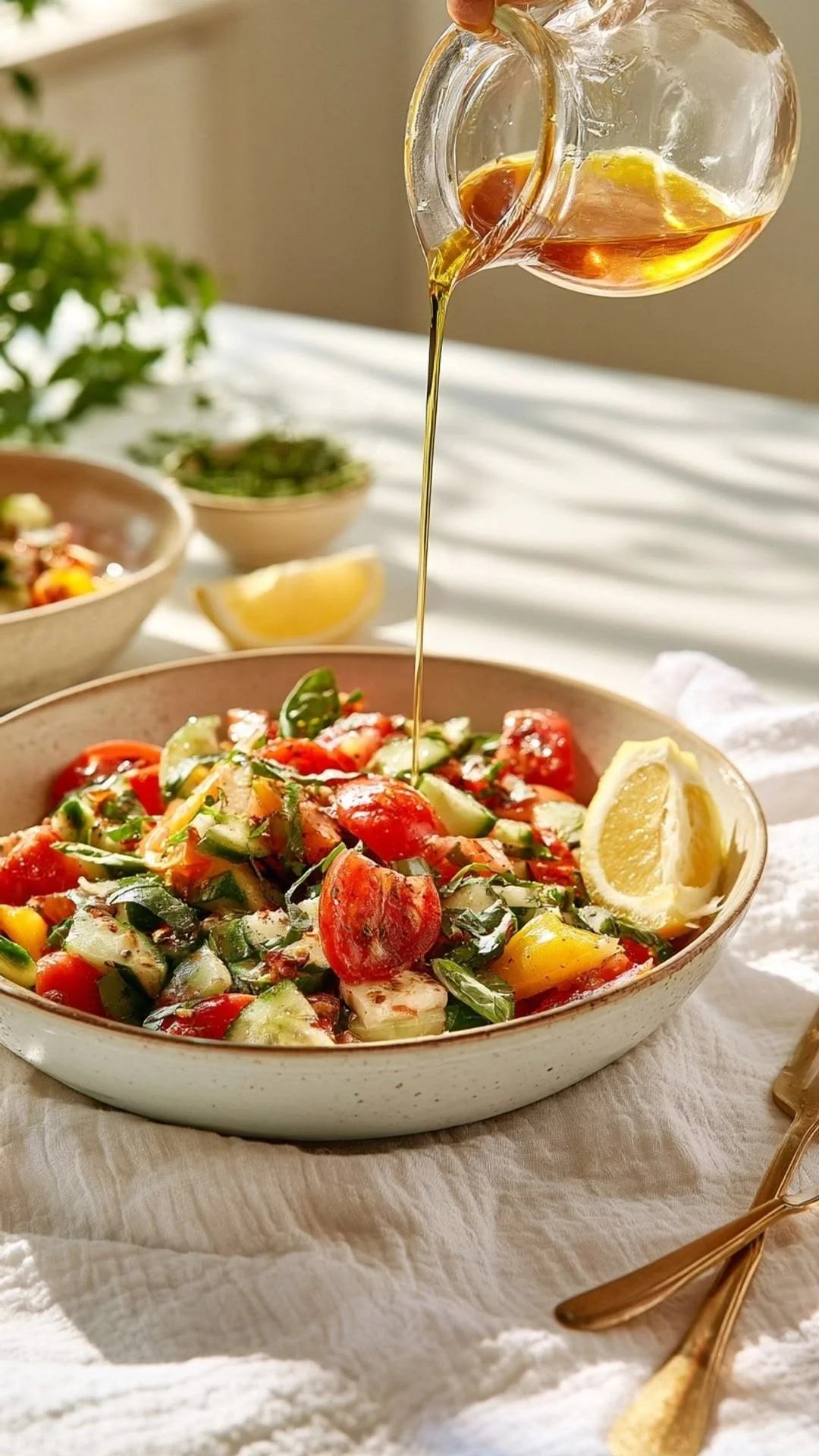
Fattoush is a bread salad with deep roots in the Levantine region of the Eastern Mediterranean, spanning Lebanon, Syria, Jordan, and parts of Turkey. The word “fattoush” is believed to derive from the Arabic word “fatt,” meaning to crumble or crush – a direct reference to the broken pieces of toasted or fried pita bread that define the dish.
Historically, fattoush was born out of a zero-waste kitchen philosophy. Home cooks across the Eastern Mediterranean would repurpose stale flatbread by toasting or frying it and tossing it with whatever fresh vegetables were on hand. This practical ingenuity is one of the defining characteristics of Mediterranean cooking – nothing goes to waste, and simple ingredients are elevated through fresh herbs, acid, and good olive oil.
The Turkish influence on fattoush brings a few distinct twists. Turkish cuisine tends to use more cucumber-forward compositions, sumac as a bright souring agent, and occasionally pomegranate molasses in the dressing. The addition of fresh mint and parsley alongside tomatoes and cucumber creates a flavor profile that feels simultaneously refreshing and deeply satisfying. This Turkish-style variation also leans on regional herbs like dill, which you will often find in Turkish mezze spreads.
Over centuries, fattoush has evolved from a peasant dish into one of the most beloved salads across the entire Mediterranean basin. Today, you will find versions of it at high-end restaurants in Istanbul, roadside stands in Beirut, and family tables from Athens to Cairo. Its enduring appeal comes from its adaptability – the base is always cucumber, tomato, and toasted bread, but the seasonings and proportions shift beautifully from region to region. This recipe honors both the Turkish roots and the broader Mediterranean tradition that makes this salad so timeless.
Why You’ll Love This Recipe
This Turkish Cucumber Tomato Fattoush Salad is one of those recipes that earns a permanent spot in your rotation fast. Here is why it works so well for anyone following a Mediterranean lifestyle.
- Ready in 15 minutes or less – no cooking required beyond toasting pita, making it ideal for busy weeknights or hot summer days when you do not want to turn on the stove.
- Packed with whole, nutrient-dense ingredients – every component, from cucumbers to tomatoes to olive oil, aligns perfectly with Mediterranean diet principles.
- Incredibly versatile – serve it as a light main, a side dish, or a base for grilled proteins like chicken, shrimp, or halloumi.
- Budget-friendly – all the core ingredients are affordable and widely available year-round, with peak freshness in summer.
- Meal prep approved – you can prep all the vegetables and dressing ahead of time, then add the pita just before serving to maintain crunch.
- Naturally vegan and dairy-free – the base recipe requires no animal products, making it suitable for a wide range of dietary needs.
- Loaded with fresh herbs – mint and parsley provide a herbal brightness that transforms a simple vegetable salad into something truly special.
- Customizable heat level – add a pinch of Aleppo pepper or chili flakes if you enjoy a little warmth, or keep it mild for picky eaters.
- Crowd-pleasing and shareable – this salad scales easily for gatherings, potlucks, or family dinners without extra effort.
- Deeply satisfying texture – the contrast between crunchy pita chips, juicy tomatoes, and crisp cucumber makes every bite interesting from start to finish.
Health Benefits and Ingredient Highlights
Every ingredient in this Turkish Cucumber Tomato Fattoush Salad pulls its weight nutritionally. The Mediterranean diet is consistently ranked among the healthiest eating patterns in the world, and this salad is a perfect example of why – it delivers fiber, antioxidants, healthy fats, and hydration all in one bowl.
Cucumber
Cucumbers are approximately 96% water, making them one of the most hydrating foods you can eat, especially during summer months. They are low in calories and provide small amounts of vitamin K, potassium, and magnesium, which support bone health and electrolyte balance.
The skin of the cucumber contains silica, a compound that supports skin elasticity and connective tissue health. For best results and maximum nutrition, choose unwaxed cucumbers and leave the skin on when possible.
In Turkish cuisine, cucumbers are prized for their cooling effect in both cooking and traditional herbal medicine. Pairing them with lemon juice and mint in this salad amplifies that refreshing, cooling quality.
Tomatoes
Tomatoes are one of the richest dietary sources of lycopene, a powerful antioxidant linked to reduced risk of heart disease and certain cancers. The Mediterranean diet has long celebrated the tomato as a cornerstone ingredient, and science increasingly backs up why.
Ripe summer tomatoes also deliver vitamin C, vitamin A, potassium, and folate. These nutrients work together to support immune function, skin health, and cardiovascular health – all priorities of the Mediterranean lifestyle.
When making fattoush, opt for the ripest tomatoes you can find. Heirloom, vine-ripened, or cherry tomatoes are ideal because they deliver the most natural sweetness and juice, which becomes part of the dressing as the salad sits.
Extra Virgin Olive Oil
Extra virgin olive oil is the cornerstone fat of the Mediterranean diet and for excellent reason. It is rich in oleocanthal, a natural anti-inflammatory compound, and oleic acid, a monounsaturated fat that supports heart health and reduces LDL cholesterol levels.
Research published in journals like the New England Journal of Medicine has linked regular olive oil consumption to lower rates of cardiovascular disease, improved brain function, and better blood sugar regulation. Using a high-quality extra virgin olive oil in your dressing is one of the simplest upgrades you can make to any Mediterranean meal.
For this fattoush, use a fruity, robust extra virgin olive oil as the base of the dressing. It carries the lemon, sumac, and herbs beautifully without overpowering them.
Sumac
Sumac is a deep ruby-red spice ground from the dried berries of the Rhus coriaria shrub, widely used across Turkish, Lebanese, and broader Mediterranean cooking. It has a tangy, slightly fruity sourness that works as a natural flavor brightener without adding acidity from vinegar or citrus alone.
From a health standpoint, sumac is rich in polyphenols and antioxidants, particularly gallic acid and quercetin. Studies have shown that sumac may help regulate blood sugar, reduce inflammation, and support heart health, making it a genuinely functional spice rather than just a flavoring agent.
If you have never cooked with sumac before, this fattoush is the perfect introduction. It is the spice that gives this salad its unmistakably Mediterranean character, and you will find yourself reaching for it in countless other dishes once you discover it.
Fresh Herbs – Mint and Parsley
Fresh mint brings a cooling, aromatic brightness to this salad that no dried herb can replicate. Beyond flavor, mint contains rosmarinic acid, an antioxidant with anti-inflammatory properties, and has been used in traditional Mediterranean herbal medicine to support digestion.
Flat-leaf parsley is a nutritional powerhouse hiding in plain sight. It is an exceptional source of vitamin K, which is essential for bone health and blood clotting, and also provides vitamin C and folate. Using both herbs together is a classic Levantine and Turkish approach that creates a layered herbal complexity you will not get from either alone.
Pita Bread
Toasted whole wheat pita adds a satisfying crunch and a source of complex carbohydrates that makes this salad more filling and meal-worthy. Whole grain pita in particular provides fiber, B vitamins, and minerals like iron and magnesium.
The key with pita in fattoush is timing. When toasted golden and added just before serving, it delivers a crispy, almost crouton-like texture that contrasts beautifully with the juicy vegetables. When left too long, it absorbs the dressing and becomes soft, which some people love and others do not.
Lemon Juice
Freshly squeezed lemon juice is non-negotiable in an authentic Turkish fattoush. It provides a sharp, clean acidity that balances the richness of the olive oil and lifts the entire flavor profile of the salad.
Lemon juice is also rich in vitamin C and citric acid, both of which support immune health and help the body absorb plant-based iron from the parsley more efficiently. That is a real nutritional synergy working in your favor with every bite.
Ingredients
These quantities serve 4 as a side dish or 2 as a generous main. Scale up easily for batch prep or entertaining.
- 2 medium cucumbers, diced into half-inch pieces (Persian or English cucumbers work best; substitute regular garden cucumbers with seeds scooped out)
- 3 medium ripe tomatoes, diced (or 2 cups cherry tomatoes, halved; heirloom varieties add extra sweetness)
- 1 small red onion, thinly sliced (substitute shallots for a milder flavor)
- 1 cup fresh flat-leaf parsley, roughly chopped (do not substitute dried)
- 1/2 cup fresh mint leaves, torn (spearmint preferred; substitute with fresh basil if unavailable)
- 1 green bell pepper, diced (optional but traditional in Turkish versions; substitute with roasted red pepper for deeper flavor)
- 4 radishes, thinly sliced (optional; adds peppery crunch and color)
- 2 whole wheat pita breads, torn or cut into bite-sized pieces (substitute gluten-free pita or lavash if needed)
- 3 tablespoons extra virgin olive oil, divided (use 2 tablespoons for the dressing, 1 tablespoon for toasting pita)
- 3 tablespoons freshly squeezed lemon juice (about 1.5 lemons; substitute with 2 tablespoons lemon juice plus 1 tablespoon white wine vinegar for extra tang)
- 1.5 teaspoons ground sumac (a non-negotiable flavor element; find it at Middle Eastern grocery stores or online)
- 1 small garlic clove, finely minced or grated (substitute 1/4 teaspoon garlic powder)
- 1/2 teaspoon dried oregano (optional but adds Mediterranean depth)
- Salt and freshly ground black pepper to taste
- Pinch of Aleppo pepper or chili flakes (optional, for gentle heat)
Step-by-Step Instructions
Follow these steps for the best version of this Turkish Cucumber Tomato Fattoush Salad every single time. The process is simple, but attention to a few key details makes a big difference in the final result.
- Toast the pita bread. Preheat your oven to 375°F (190°C) or heat a large dry skillet over medium heat. Tear or cut the pita into rough bite-sized pieces, about 1 to 2 inches each. Toss the pieces with 1 tablespoon of olive oil and a pinch of salt, then spread them on a baking sheet and bake for 8 to 10 minutes, flipping once halfway through, until golden and crisp. If using a skillet, toast in batches for 2 to 3 minutes per side. Set aside to cool completely before adding to the salad.
- Prep the vegetables. Dice the cucumbers and tomatoes into roughly equal half-inch pieces so each bite is balanced. If your tomatoes are very juicy, place them in a colander with a pinch of salt for 5 minutes to drain excess liquid, which prevents the salad from becoming watery.
- Slice the red onion and soak if needed. Thinly slice the red onion into half-moon shapes. If you find raw onion too sharp, place the slices in a small bowl of cold water with a splash of lemon juice for 10 minutes, then drain and pat dry. This step tames the bite while keeping the flavor.
- Prep the herbs and remaining vegetables. Roughly chop the parsley, tear the mint leaves by hand (tearing rather than chopping preserves the aromatic oils), dice the green bell pepper, and thinly slice the radishes. Place everything in a large mixing bowl.
- Make the dressing. In a small bowl or jar, whisk together 2 tablespoons extra virgin olive oil, 3 tablespoons fresh lemon juice, minced garlic, ground sumac, dried oregano if using, Aleppo pepper if using, salt, and black pepper. Taste and adjust – you want it pleasantly tangy with a good balance of acid and oil. Add a touch more lemon juice or sumac if it needs brightness.
- Combine the salad. Add the diced cucumbers, tomatoes, and red onion to the large bowl with the herbs and peppers. Pour the dressing over the vegetables and toss gently to coat everything evenly. Taste once more and adjust salt and lemon as needed.
- Add the toasted pita. Just before serving, fold in the toasted pita pieces. This is the most important timing tip in the recipe – adding pita too early turns it soggy. If you are meal prepping, store the pita separately and add right before eating.
- Serve immediately. Transfer the salad to a serving bowl or platter. Sprinkle an extra pinch of sumac on top for color and flavor, and drizzle with a little more olive oil if desired. Serve at room temperature or slightly chilled for the best flavor.
Make It Ahead and Batch Prep Guide
This Turkish Cucumber Tomato Fattoush Salad is an ideal candidate for Mediterranean meal prep because most of the components can be prepared 2 to 3 days in advance with just a little strategic thinking. The key is keeping the components separate until you are ready to eat.
Start by prepping your vegetables on Sunday for a week of easy lunches. Dice the cucumbers and tomatoes and store them together in an airtight container in the refrigerator. Slice the red onion separately to prevent its flavor from overpowering the other vegetables. Wash and dry your parsley and mint, then wrap them loosely in a paper towel and store in a zip-lock bag or herb keeper. This setup takes about 20 minutes and gives you 3 to 4 days of salad ingredients on demand.
The dressing can be made in a jar and refrigerated for up to 5 days. Give it a good shake or stir before using since the olive oil and lemon juice will separate. Making a double batch of the dressing is a smart move – it doubles beautifully as a marinade for chicken or fish, a drizzle for roasted vegetables, or a dip for fresh bread. Mediterranean Lemon Herb Chicken Thighs
Toast a larger batch of pita chips than the recipe calls for and store them in an airtight container at room temperature for up to 4 days. They stay crispy and work as a snack on their own or scattered over soups and dips. When you are ready to assemble a serving, combine your pre-prepped vegetables, toss with dressing, and top with pita chips. A full, fresh-tasting lunch ready in under 2 minutes – that is the real power of Mediterranean meal prep.
Common Mistakes to Avoid
Even the simplest recipes have pitfalls. Here are the most common mistakes people make with fattoush and how to avoid every one of them.
- Adding the pita chips too early. This is the number one fattoush mistake. Once the toasted pita absorbs the dressing, it turns soggy within minutes. Always add it right before serving or keep it on the side so guests can add their own.
- Using bottled lemon juice instead of fresh. Bottled lemon juice has a flat, slightly metallic quality that completely dulls the dressing. Fresh lemon juice takes 30 seconds to squeeze and makes an enormous difference in flavor. It is worth every bit of that effort.
- Skipping the sumac. Sumac is not optional in a fattoush – it is the defining spice of the dish. Substituting it with extra lemon juice changes the flavor profile significantly. If you cannot find sumac at your local store, order it online or visit a Middle Eastern grocery store.
- Using watery tomatoes without draining. Overripe or very juicy tomatoes release excess liquid that dilutes your dressing and makes the salad watery. Salting your tomatoes lightly and letting them drain in a colander for 5 minutes before adding them solves this problem completely.
- Chopping the mint instead of tearing it. Chopping mint with a knife bruises the leaves and causes them to turn dark and bitter quickly. Tearing the leaves by hand is gentler, releases the essential oils more gradually, and keeps the mint looking fresh and vibrant throughout the salad.
- Overdressing the salad. More dressing is not always better. Fattoush vegetables are juicy on their own and release liquid as they sit. Start with the amount in the recipe, toss, and taste before adding more. You can always add extra dressing at the table.
Notes, Tips and Variations
Substitutions
If you cannot find sumac, the closest substitute is a combination of lemon zest and a small amount of tamarind paste, though the flavor will not be identical. Lemon zest alone adds some tartness but misses the fruity depth of sumac.
Whole wheat pita can be replaced with gluten-free pita, lavash, or even thick-cut corn tortillas toasted until crisp. For a grain-free version, roasted chickpeas make an excellent crunchy topping that also adds protein.
You can swap red onion for spring onions or shallots if you prefer a more delicate allium flavor. White onion works in a pinch but tends to be sharper and can overpower the other ingredients if used in excess.
Dietary Variations
To make this fattoush a more substantial main meal, add a generous handful of cooked chickpeas, white beans, or lentils directly to the salad. These additions align perfectly with Mediterranean diet principles and significantly increase protein and fiber without changing the character of the dish.
For a heartier protein boost, top the finished salad with sliced grilled chicken, pan-seared salmon, or crumbled feta cheese. Feta is especially complementary to the Turkish flavor profile and adds a creamy, salty contrast to the crunchy vegetables. Turkish-Style Grilled Chicken Kebabs
If you are following a low-carb Mediterranean approach, simply omit the pita or replace it with toasted walnuts or pine nuts for crunch. The salad is fully satisfying without the bread, particularly when topped with a good protein source.
Cooking Tips
Use the largest, widest bowl you have for tossing fattoush. A wide bowl gives you room to fold everything together gently without crushing the tomatoes or breaking the pita chips into tiny fragments.
Let the dressed vegetables sit for 5 to 10 minutes before serving (but after adding the pita). This short marinating window allows the dressing to penetrate the vegetables and the tomato juices to mingle with the lemon and olive oil, creating a dressing that tastes even better than when freshly made.
Always season in layers. Season the vegetables lightly before adding the dressing, then taste and adjust again after dressing. This approach builds better flavor than dumping all the salt in at the end.
Topping Ideas and Flavor Boosters
Customize your Turkish Cucumber Tomato Fattoush Salad with these additions to suit your taste, the season, or what you have on hand.
- Crumbled feta cheese – adds creamy, salty depth that complements the tangy dressing perfectly.
- Pomegranate seeds – jewel-like bursts of sweet-tart juice that elevate the visual appeal and flavor dramatically.
- Pomegranate molasses drizzle – a small drizzle over the finished salad adds complexity and a subtle sweetness that ties all the flavors together.
- Kalamata olives – salty, briny, and deeply Mediterranean, they add richness and pair beautifully with the cucumber and tomato base.
- Roasted chickpeas – crunchy, high-protein, and filling, they serve as both a topping and a pita substitute for a gluten-free option.
- Za’atar seasoning – a pinch of this Middle Eastern spice blend adds a thyme-forward earthiness that pairs naturally with the sumac in the dressing.
- Sliced avocado – a modern twist that adds healthy fats and creaminess, working particularly well in a main-dish version of this salad.
- Thinly sliced fennel – adds anise-like freshness and a slightly sweet crunch that complements the mint and parsley beautifully.
- Toasted pine nuts or walnuts – add richness, healthy fats, and a satisfying crunch that makes the salad feel more substantial.
- Grilled halloumi slices – warm, slightly squeaky halloumi placed on top of the cool salad creates one of the most satisfying textural contrasts in Mediterranean cooking.
- Extra sumac sprinkle – an additional pinch of sumac over the finished salad just before serving intensifies the color and brightens the overall flavor.
- Fresh dill – a small handful of fresh dill leaves folded in at the end adds a distinctly Turkish aromatic note that sets this version apart from other regional fattoush styles.
Who This Recipe Is For
This Turkish Cucumber Tomato Fattoush Salad was designed with flexibility in mind. Here are the people who will get the most out of this recipe.
- Mediterranean diet followers – this salad is a textbook example of how to eat well the Mediterranean way, using olive oil, fresh vegetables, herbs, and whole grains together.
- Busy professionals – prep the components on Sunday and you have fast, satisfying lunches ready all week without any cooking during the work week.
- Home cooks new to Levantine cuisine – this recipe is an accessible entry point into Turkish and broader Eastern Mediterranean cooking without requiring specialty equipment or hard-to-find ingredients.
- Vegans and plant-based eaters – the base recipe is 100% plant-based and genuinely filling when paired with legumes or served alongside a mezze spread.
- Families with picky eaters – the mild, fresh flavors of cucumber and tomato are approachable for kids, and you can serve the pita chips and toppings on the side for customization.
- Summer entertainers – this salad travels well to potlucks and picnics (just pack the dressing and pita separately), looks beautiful on a spread, and scales easily for large groups.
- Weight management supporters – low in calories, high in water content and fiber, and built around whole ingredients, this salad supports satiety without excess calories.
- Meal preppers and batch cookers – with a smart prep strategy, this recipe supports multiple days of lunches or sides from a single prep session, making it perfect for the Mediterranean meal prep lifestyle. Mediterranean Meal Prep Sunday Guide
Storage and Meal Prep Tips
Refrigerator
Store the dressed vegetable mixture (without pita) in an airtight container in the refrigerator for up to 3 days. The vegetables will soften slightly as they sit in the dressing, but the flavor actually deepens and improves after the first day.
Keep the toasted pita chips in a separate airtight container at room temperature for up to 4 days. Store the dressing in a small jar in the refrigerator for up to 5 days, shaking well before each use.
If you have already combined the salad with pita and have leftovers, you can still refrigerate them. The pita will be soft by the next day, which some people enjoy as a marinated bread-salad texture – similar to a traditional Lebanese day-old fattoush.
Freezer
Freezing is not recommended for this salad. Cucumbers and tomatoes have extremely high water content, and freezing causes their cell walls to rupture, resulting in a mushy, waterlogged texture upon thawing. The fresh quality that makes this salad special is completely lost through freezing.
The one exception is the dressing – it can be frozen in ice cube trays and thawed as needed, though the olive oil may need a good whisking after thawing to re-emulsify. This is a handy trick for batch-making dressings during peak lemon season.
Reheating
This salad is not intended to be reheated – it is best enjoyed cold or at room temperature. If you are serving leftovers that have been refrigerated, simply remove the container from the fridge 10 to 15 minutes before eating to take the chill off.
If the pita has softened overnight and you want to restore some crunch, spread the pieces on a baking sheet and toast at 350°F for 4 to 5 minutes. They will crisp up again nicely and can be re-added to the salad for a refreshed texture.
Nutrition Facts
The following nutrition estimates are based on one serving of four total servings, using the base recipe without optional add-ons. Values are approximate and will vary based on specific ingredients used.
| Nutrient | Per Serving |
|---|---|
| Calories | 220 kcal |
| Total Fat | 11g |
| Saturated Fat | 1.5g |
| Carbohydrates | 27g |
| Dietary Fiber | 4g |
| Total Sugar | 5g |
| Protein | 5g |
| Sodium | 280mg |
| Vitamin C | 35% DV |
| Vitamin K | 80% DV |
| Potassium | 480mg |
Adding crumbled feta will increase sodium and fat slightly. Adding chickpeas will add approximately 7g of protein and 6g of additional fiber per half-cup serving. These are both excellent nutritional upgrades for a main-dish version of this fattoush.
FAQs
What is the difference between fattoush and tabbouleh?
Tabbouleh is a parsley-based salad with bulgur wheat, tomatoes, and lemon dressing, where the herb is the main ingredient. Fattoush is a vegetable salad built primarily on cucumber and tomato with toasted pita as the textural star. Both are essential Levantine dishes and both appear across Turkish and broader Eastern Mediterranean menus, but they have very different textures and flavor profiles. If you enjoy one, you will almost certainly love the other.
Can I make this Turkish Cucumber Tomato Fattoush Salad without pita bread?
Absolutely. The salad is delicious without pita and naturally gluten-free when you leave it out. For a crunchy element that replaces the pita texture, try roasted chickpeas, toasted walnuts, pumpkin seeds, or gluten-free crackers. Some Turkish home cooks also use toasted corn flatbread as a regional variation that works beautifully and keeps the dish gluten-free.
Where can I buy sumac?
Sumac is becoming more widely available every year. You can find it at Middle Eastern grocery stores, well-stocked international food markets, specialty spice shops, and online retailers like Amazon, Penzeys, and Kalustyan’s. Some larger supermarkets now carry it in the international foods aisle or the spice section. It is very affordable, keeps for up to a year in a sealed container, and once you have it in your pantry you will use it constantly across Mediterranean cooking.
How long does fattoush last in the refrigerator?
The dressed vegetable mixture without pita keeps well for 2 to 3 days in the refrigerator. The vegetables will soften and release more liquid over time, but the flavor remains good and many people enjoy the more marinated quality of day-two fattoush. Keep the pita chips stored separately at room temperature and add them fresh each time you serve. Discard if the salad develops any off smells or the vegetables look overly mushy.
Is fattoush healthy?
Yes – fattoush is an excellent example of Mediterranean diet eating at its best. It is built on hydrating, antioxidant-rich vegetables, dressed with heart-healthy extra virgin olive oil, brightened with fresh lemon juice, and flavored with sumac and herbs that have genuine anti-inflammatory properties. At roughly 220 calories per serving, it is also relatively low in calories while being satisfying enough to serve as a light main dish when paired with protein. The Mediterranean diet research consistently shows that eating meals structured like this one supports long-term cardiovascular health, healthy weight maintenance, and reduced inflammation.
Conclusion
This Turkish Cucumber Tomato Fattoush Salad proves that eating well on the Mediterranean diet does not have to be complicated, expensive, or time-consuming. With a handful of fresh vegetables, a bag of pita, a bottle of good olive oil, and a jar of sumac, you can put together one of the most flavorful, nourishing salads in the entire Mediterranean repertoire in under 15 minutes flat.
Whether you are making it for a quick weeknight dinner, packing it for lunches all week, or bringing it to a summer gathering, this salad is reliable, crowd-pleasing, and deeply satisfying every single time. The key is using the freshest vegetables you can find, squeezing your lemon juice fresh, and always – always – adding the pita right before serving.
Now it is your turn. Grab those cucumbers and tomatoes, track down some sumac, and make this recipe your own. When you do, come back and leave a comment below – I would love to hear which toppings you tried and how it turned out in your kitchen. Happy cooking, and happy eating the Mediterranean way.