
THE BEST N°1 The Best Homemade Chow Mein Recipe, Better Than Takeout in 20 Minutes! 🍜🥢
If you have ever stared at a takeout menu wishing you could recreate that glossy, savory, perfectly sauced noodle dish at home, this homemade chow mein recipe is exactly what you need. It comes together in just 20 minutes, uses simple pantry ingredients, and delivers bold restaurant-quality flavor without the extra cost or mystery ingredients.
This post covers everything you need to know, from the history of chow mein to step-by-step cooking instructions, ingredient benefits, meal prep strategies, storage tips, and even a full FAQ section. Whether you are cooking for one or feeding a hungry family, this recipe has you covered.
By the end of this guide, you will have a go-to weeknight dinner that beats takeout every single time. Let’s get into it.
Table of Contents
Personal Note
I still remember the first time I made chow mein at home on a Tuesday night when I was too tired to drive anywhere but too hungry to settle for a sad bowl of cereal. I threw together whatever I had in my fridge, followed a rough idea of what I thought the sauce should taste like, and ended up with something so good my partner asked me to make it again the very next day.
That was the moment I realized homemade noodle dishes do not have to be complicated or time-consuming. The right technique and a solid sauce can carry the whole meal. Since then, this has become my most-requested weeknight dinner in our house.
I want that same confidence for you. Whether you have never cooked noodles from scratch or you just want to level up your weeknight dinner game, this recipe is a reliable, delicious, and deeply satisfying place to start.
Origins of the Dish
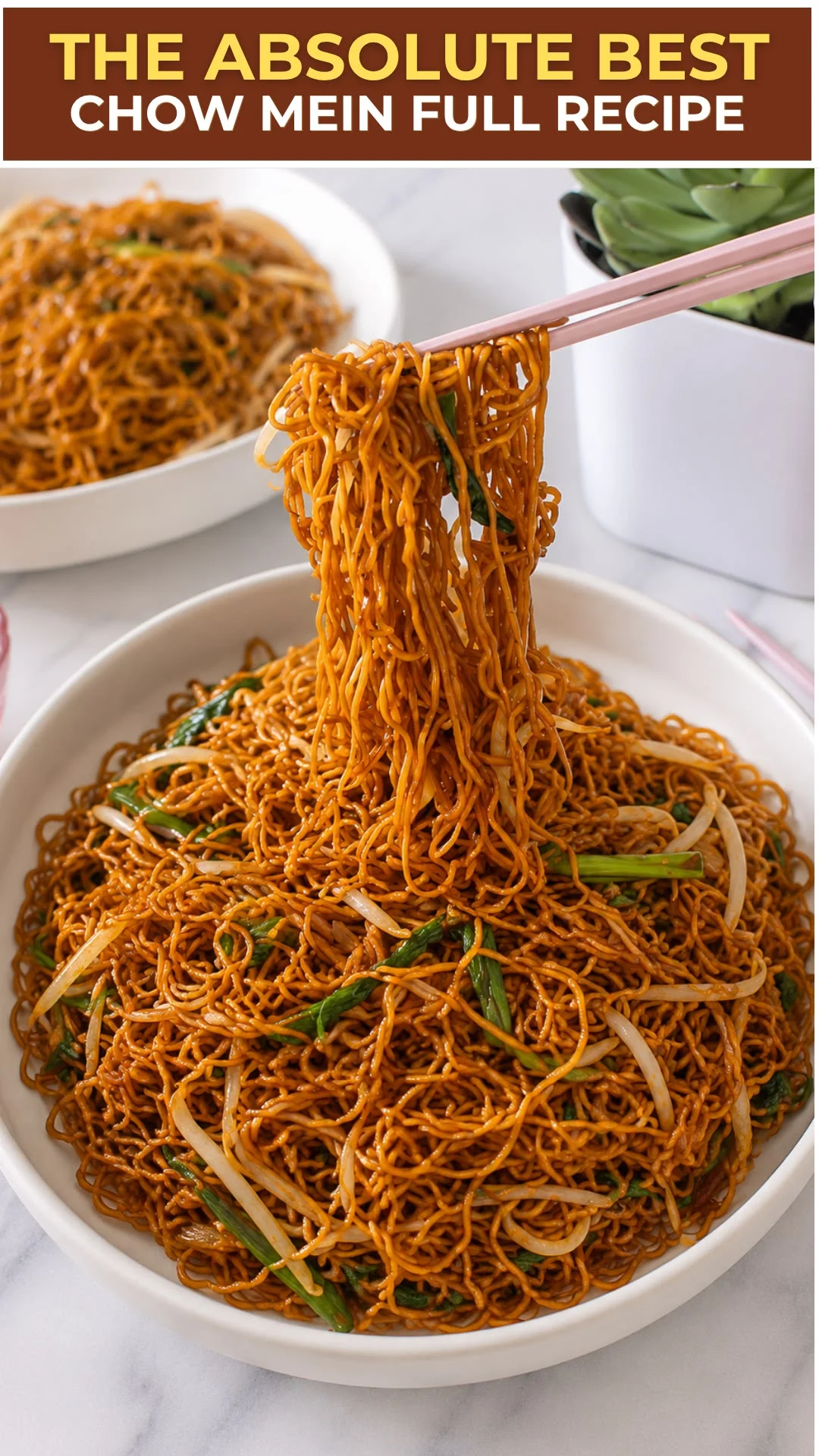
Chow mein, which translates from Cantonese as “stir-fried noodles,” has roots that stretch back centuries in Chinese culinary tradition. The dish originated in China, particularly in regions like Guangdong, where noodles were a daily staple and stir-frying over high heat was the preferred cooking method. Early versions were made with simple wheat noodles tossed in hot oil with vegetables and whatever protein was on hand.
When Chinese immigrants began arriving in the United States during the mid-1800s, particularly during the Gold Rush era and the construction of the Transcontinental Railroad, they brought their culinary traditions with them. Chow mein quickly adapted to American tastes, becoming one of the first Chinese-American dishes to gain widespread popularity. It appeared on menus in Chinese restaurants across the country and became a comfort food for many Americans long before Asian cuisine was mainstream.
Over time, two distinct styles emerged. The first is the soft noodle version, where the noodles are cooked until tender and tossed in a saucy stir-fry. The second is the crispy version, where the noodles are pan-fried until golden and crunchy before the toppings are added. The recipe you are about to make leans into the soft, saucy style that most people know and love from their favorite takeout spot.
Today, chow mein is enjoyed around the world in dozens of regional variations. In India, it became a staple in Kolkata’s Chinese food scene, known as Hakka chow mein. In the Caribbean, it shows up with local spices and proteins. No matter where you find it, the soul of the dish remains the same: noodles, high heat, big flavor. Making it at home for dinner brings you closer to that original street-food energy, and once you try it, you will never go back to the takeout box.
Why You’ll Love This Recipe
This homemade chow mein recipe is not just fast, it is genuinely better than most versions you will order from a restaurant. Here is exactly why it deserves a permanent spot in your weeknight dinner rotation.
- Ready in 20 minutes flat – From chopping to plating, this dish comes together faster than delivery ever could.
- One pan, less cleanup – Everything cooks in a single wok or large skillet, which means fewer dishes at the end of the night.
- Completely customizable – Swap the protein, change the vegetables, or adjust the spice level to fit your family’s preferences.
- Budget-friendly – A full batch feeds four people for a fraction of what takeout would cost.
- Meal prep approved – This dish stores and reheats beautifully, making it perfect for batch cooking on Sundays.
- No mystery ingredients – You control every component, so you know exactly what is going into your dinner.
- Kid-friendly and crowd-pleasing – The savory noodles and familiar sauce make this a hit with every age group.
- Easily made vegetarian or vegan – Skip the meat, use soy sauce instead of oyster sauce, and you have a fully plant-based dinner in minutes.
- High in satisfying carbohydrates and protein – This is a complete dinner that keeps you full and energized without needing a side dish.
- Packed with vegetables – You sneak in a solid serving of fiber-rich veggies without anyone complaining.
Health Benefits and Ingredient Highlights
Every ingredient in this homemade chow mein recipe earns its place not just for flavor but also for what it brings to your overall dinner nutrition. Here is a closer look at the key players.
Chow Mein Noodles
Chow mein noodles are made from wheat flour and eggs, giving them a slightly chewy texture that holds up well to high-heat stir-frying. They are a solid source of complex carbohydrates, which your body uses as its primary fuel source for energy throughout the evening and into the night.
The egg content in fresh chow mein noodles also adds a small boost of protein and B vitamins. If you opt for whole wheat chow mein noodles, you will get additional fiber, which supports digestion and helps you feel full longer after dinner.
Cabbage
Cabbage is one of the most underrated vegetables in a stir-fry. It is incredibly low in calories but high in vitamin C, vitamin K, and folate. When cooked briefly over high heat, it retains a satisfying crunch while absorbing the savory sauce beautifully.
Cabbage also contains glucosinolates, plant compounds linked to reduced inflammation. For a weeknight dinner, it is one of the easiest ways to add bulk, nutrition, and texture without adding significant calories to your plate.
Carrots
Carrots bring natural sweetness, vibrant color, and a satisfying crunch to this dish. They are rich in beta-carotene, which your body converts to vitamin A, an essential nutrient for eye health and immune function. Even a small amount of carrot adds meaningful nutrition to your dinner.
Carrots are also high in soluble fiber, which supports healthy cholesterol levels and steady blood sugar after meals. Slicing them thin ensures they cook quickly and evenly in the stir-fry without slowing down the whole dish.
Garlic
Garlic is the aromatic backbone of any great chow mein sauce. Beyond its bold flavor, garlic contains allicin, a compound with well-documented antimicrobial and anti-inflammatory properties. Using fresh garlic rather than powder gives you significantly more of these active compounds.
Garlic also supports cardiovascular health and has been studied for its role in supporting a healthy immune response. Adding it to your weeknight dinner is one of the simplest ways to bring both flavor and function to the table.
Soy Sauce
Soy sauce is the primary seasoning in this recipe and the foundation of the umami flavor that makes chow mein so satisfying. It is rich in glutamates, the naturally occurring compounds responsible for that deep, savory taste your palate craves. Low-sodium soy sauce is a great option if you are watching your salt intake.
Fermented soy sauce also contains small amounts of antioxidants and amino acids. While it is not a superfood in large quantities, it adds serious flavor for a minimal caloric cost, which makes it an excellent seasoning choice for a balanced dinner.
Sesame Oil
A small drizzle of sesame oil at the end of cooking transforms this dish from good to exceptional. Sesame oil contains sesamol and sesamin, two antioxidants linked to reduced oxidative stress in the body. It also adds a toasted, nutty depth of flavor that no other oil can replicate.
Because sesame oil has a relatively low smoke point, it is best added after the heat is off or at the very end of cooking. This preserves its flavor compounds and ensures you get the full nutritional benefit from every drop.
Oyster Sauce
Oyster sauce adds a rich, slightly sweet, deeply savory layer to the chow mein sauce that sets it apart from a simple soy sauce noodle dish. It is made from oyster extracts, sugar, and salt, and provides a glossy coating on the noodles that makes the dish look and taste restaurant-quality.
It also contains trace minerals from the oyster base, including zinc and iron. Use it sparingly since it is naturally high in sodium, but even a small amount makes a noticeable difference in the final flavor of your dinner.
Bean Sprouts
Bean sprouts add a refreshing crunch and a subtle, clean flavor that balances the rich sauce. They are incredibly low in calories but surprisingly high in folate, vitamin C, and vitamin K. Adding them right at the end of cooking preserves their texture and nutrient content.
Bean sprouts also contain a small amount of plant-based protein and are a good source of dietary fiber. They are one of those vegetables that contribute a lot of volume and nutrition to your dinner without weighing down the dish.
Ingredients
These quantities serve 4 people as a main dinner dish. All substitutions are noted in parentheses so you can adapt based on what you have available.
- 12 oz fresh chow mein noodles (substitute: lo mein noodles, spaghetti, or rice noodles for gluten-free)
- 2 tablespoons vegetable oil, divided (substitute: avocado oil or canola oil)
- 1 lb boneless chicken breast or thighs, thinly sliced (substitute: shrimp, beef strips, tofu, or skip for vegetarian)
- 3 cloves garlic, minced
- 1 teaspoon fresh ginger, grated (substitute: 1/4 teaspoon ground ginger)
- 2 cups green cabbage, thinly shredded
- 1 large carrot, julienned or grated
- 1 cup bean sprouts
- 3 green onions, sliced (white and green parts separated)
- 3 tablespoons soy sauce (substitute: tamari for gluten-free, coconut aminos for lower sodium)
- 2 tablespoons oyster sauce (substitute: hoisin sauce for vegetarian, or vegan oyster sauce)
- 1 tablespoon dark soy sauce (optional, for deeper color and richer flavor)
- 1 teaspoon sesame oil
- 1 teaspoon sugar (substitute: honey or maple syrup)
- 1/2 teaspoon white pepper (substitute: black pepper)
- 1/4 cup chicken broth or water (to deglaze if needed)
Step-by-Step Instructions
Follow these steps in order and you will have a perfect plate of homemade chow mein on the table in 20 minutes. Read through once before you start so nothing catches you off guard.
- Cook the noodles. Bring a large pot of water to a boil and cook the chow mein noodles according to package directions, usually 2 to 3 minutes for fresh noodles. Drain immediately, rinse with cold water to stop cooking, and toss with a small drizzle of oil to prevent sticking.
- Mix the sauce. In a small bowl, whisk together the soy sauce, oyster sauce, dark soy sauce (if using), sesame oil, sugar, and white pepper. Set this aside so it is ready to pour in one quick step when the time comes.
- Heat the wok or skillet. Place a large wok or heavy-bottomed skillet over high heat and add 1 tablespoon of vegetable oil. Let it heat until shimmering and almost smoking before adding anything, as high heat is essential for authentic stir-fry flavor.
- Cook the protein. Add your sliced chicken (or chosen protein) in a single layer and let it sear undisturbed for 1 to 2 minutes. Flip and cook until just cooked through, about 2 more minutes, then transfer to a plate and set aside.
- Sauté the aromatics. Add the remaining tablespoon of oil to the wok. Add the minced garlic, grated ginger, and the white parts of the green onions. Stir constantly for 30 seconds until fragrant, being careful not to let the garlic burn.
- Stir-fry the vegetables. Add the shredded cabbage and julienned carrots to the wok. Toss and cook over high heat for 2 minutes until they just begin to soften but still retain some crunch. You want them cooked but not mushy.
- Add the noodles. Add the cooked and drained noodles directly into the wok with the vegetables. Use tongs or chopsticks to toss everything together so the noodles mix evenly with the cabbage and carrots.
- Pour in the sauce. Give your premixed sauce a quick stir and pour it over the noodles. Toss everything vigorously for 1 to 2 minutes over high heat until the sauce coats every strand of noodle. If the pan looks dry, add a splash of chicken broth or water.
- Return the protein and add the sprouts. Add the cooked chicken back to the wok along with the bean sprouts. Toss everything together for another 30 to 60 seconds just until the sprouts are slightly warmed through but still crisp.
- Finish and serve. Remove the wok from the heat and scatter the green parts of the green onions over the top. Taste for seasoning and adjust with a bit more soy sauce if needed. Serve immediately for the best texture and flavor.
Make It Ahead and Batch Prep Guide
This homemade chow mein recipe is a dream for batch cooking. If you are meal prepping for the week, you can prepare most components in advance and have dinner on the table in under 10 minutes on busy nights. The key is to store components separately until you are ready to reheat and serve.
Cook a double or triple batch of noodles on Sunday and toss them with a tiny amount of sesame oil before storing in an airtight container in the fridge. They will keep for up to 5 days without clumping. Prep your vegetables by shredding the cabbage, julienning the carrots, and slicing the green onions ahead of time. Store them in separate containers or one large container layered with paper towels to absorb moisture.
The sauce can be mixed in a small jar and stored in the refrigerator for up to 2 weeks. Having a premade jar of chow mein sauce on hand means you are only ever a few minutes away from a complete dinner. You can also cook your protein in bulk, slice it thin, and refrigerate it for up to 4 days or freeze it for up to 3 months.
When you are ready to eat, simply heat the wok over high heat, toss in your prepped vegetables, add the noodles and sauce, and dinner is done in under 10 minutes. This kind of strategic batch prep is what makes it possible to eat a fresh, satisfying, home-cooked dinner every single night of the week without spending hours in the kitchen. weekly dinner meal prep guide
Common Mistakes to Avoid
Even a simple dish like chow mein has a few pitfalls that can ruin the final result. Avoid these common mistakes and your noodles will come out perfectly every time.
- Using low heat instead of high heat – Stir-frying requires high heat to create the characteristic smoky, slightly charred flavor known as “wok hei.” Low heat makes the vegetables steam instead of sear, leaving you with a soggy, watery dish.
- Overcooking the noodles – Fresh chow mein noodles cook in just 2 to 3 minutes. If you overcook them, they become mushy and fall apart when tossed in the wok. Always slightly undercook them since they will finish cooking in the stir-fry.
- Not rinsing the noodles after boiling – Skipping the cold water rinse leaves excess starch on the noodles, causing them to clump together into an unworkable mass. Always rinse and toss with a bit of oil immediately after draining.
- Overcrowding the wok – If you are doubling the recipe, cook it in two batches. Overcrowding drops the temperature and causes the food to steam rather than stir-fry, ruining the texture of both the vegetables and the noodles.
- Adding the sauce too early – Pouring the sauce in before the noodles are properly mixed into the vegetables causes uneven coating. Always toss the noodles into the wok first, then add the sauce so it distributes evenly.
- Not prepping everything before you start cooking – Stir-frying moves fast. If you stop mid-cook to slice the garlic or measure the sauce, you will burn something. Have every ingredient chopped, measured, and ready to go before you turn on the heat.
Notes, Tips and Variations
Substitutions
If you cannot find fresh chow mein noodles at your grocery store, dried lo mein noodles work very well and are available in most Asian grocery stores and many mainstream supermarkets. In a pinch, regular spaghetti is a surprisingly good substitute since it has a similar thickness and texture after cooking.
For the protein, chicken is the most popular choice, but shrimp cooks even faster at just 2 minutes per side. Beef, sliced thin against the grain, adds a richer flavor. For a fully plant-based version, firm tofu pressed and cubed works beautifully, or you can simply skip the protein and double the vegetables for a satisfying vegetarian dinner.
Dietary Variations
To make this gluten-free, use rice noodles or certified gluten-free spaghetti and replace the soy sauce with tamari or coconut aminos. Swap the oyster sauce for a certified gluten-free hoisin sauce or vegan oyster sauce made from mushrooms. The flavor will be slightly different but still deeply satisfying.
For a lower-sodium version, use low-sodium soy sauce, reduce the oyster sauce by half, and skip the dark soy sauce. You can also increase the garlic and ginger to compensate for the reduced saltiness and still end up with a dish that is packed with flavor.
Cooking Tips
The single most important tip for making great chow mein is to get your wok or skillet screaming hot before adding anything. This is what creates the slightly charred, smoky flavor that makes the dish taste like it came from a restaurant. If your pan is not hot enough, everything will steam and go soggy.
Use tongs instead of a spatula for tossing the noodles. Tongs give you better control over the strands and help distribute the sauce more evenly than a flat spatula. If you do not have a wok, a cast iron skillet is the next best option because it retains and distributes heat extremely well over high temperatures.
Topping Ideas and Flavor Boosters
Once your homemade chow mein is plated, these toppings and add-ons can take it from great to absolutely outstanding. Use one or combine several based on your mood and what you have on hand.
- Sesame seeds (toasted) – Adds a nutty crunch and visual appeal to every bowl.
- Chili oil or chili crisp – A spoonful on top brings heat and deep savory flavor for spice lovers.
- Sriracha – Classic heat that pairs perfectly with the soy-based sauce.
- Extra sesame oil drizzle – Just a few drops right before serving intensifies that toasted nutty aroma.
- Fried egg on top – A jammy or crispy fried egg makes this dish even more filling and adds richness.
- Sliced scallions – Fresh, bright, and always a welcome finishing touch.
- Chopped peanuts or cashews – Adds texture, protein, and a satisfying crunch.
- Fresh lime wedge – A squeeze of citrus lifts the richness of the sauce and brightens the whole dish.
- Hoisin sauce drizzle – Adds a sweeter, more complex layer of flavor over the finished noodles.
- Pickled vegetables – Quick-pickled cucumbers or daikon add an acidic contrast that cuts through the savory sauce beautifully.
- Extra crispy shallots – Store-bought or homemade, these add an irresistible crunch on top of every bowl.
Who This Recipe Is For
This homemade chow mein recipe is incredibly versatile. Here is a quick look at who will love it most.
- Busy parents who need a fast, filling dinner that everyone at the table will actually eat.
- Meal preppers who want to cook once and eat well for several days without boredom.
- College students and young adults learning to cook real meals on a tight budget.
- Takeout lovers who want all the flavor without the cost, the wait, or the extra sodium.
- Vegetarians and vegans who can easily adapt this dish with plant-based proteins and vegan sauces.
- Fitness enthusiasts who want a high-protein, balanced dinner that supports their training goals.
- Home cooks of all skill levels who want a reliable, repeatable recipe that always comes out right.
- Anyone who loves Asian-inspired flavors and wants to explore them from their own kitchen. easy Asian-inspired dinner recipes
Storage and Meal Prep Tips
Refrigerator
Store leftover chow mein in an airtight container in the refrigerator for up to 4 days. The noodles will absorb some of the sauce as they sit, which actually intensifies the flavor. When storing, let the dish cool to room temperature first before sealing the container to prevent condensation from making it watery.
If you are prepping individual dinner portions for the week, divide the chow mein into single-serving containers right after cooking. This makes grabbing a quick dinner as easy as popping a container in the microwave, and you will have one less decision to make on a hectic weeknight.
Freezer
Chow mein can be frozen, though the texture of the noodles and vegetables will soften slightly after thawing. To freeze, portion the cooled chow mein into freezer-safe containers or zip-lock bags and store for up to 2 months. Leave a little space at the top of the container since the contents will expand slightly when frozen.
For the best results when freezing, slightly undercook the vegetables before freezing so they do not turn to mush after reheating. Thaw overnight in the refrigerator before reheating rather than going straight from freezer to microwave, which helps preserve the texture better.
Reheating
The best way to reheat chow mein is in a hot skillet or wok. Add a tiny splash of water or broth to the pan, then toss the noodles over medium-high heat for 2 to 3 minutes until heated through and slightly crisped on the edges. This method brings the dish back to life far better than any microwave can.
If you are using a microwave, place the chow mein in a microwave-safe bowl, add a tablespoon of water, and cover loosely with a damp paper towel. Microwave in 60-second intervals, stirring between each, until hot all the way through. The damp towel creates steam that keeps the noodles from drying out during reheating.
Nutrition Facts
The following nutrition information is estimated per serving based on 4 servings per batch, made with chicken breast and standard ingredients. Values will vary based on specific brands and substitutions used.
| Nutrient | Per Serving |
|---|---|
| Calories | 480 kcal |
| Protein | 32g |
| Carbohydrates | 58g |
| Total Fat | 12g |
| Saturated Fat | 2g |
| Fiber | 4g |
| Sugar | 6g |
| Sodium | 890mg |
To reduce sodium, use low-sodium soy sauce and reduce the oyster sauce by half. To increase protein, add an extra 4 oz of chicken or toss in a soft-boiled egg on top. This dish provides a solid, balanced macronutrient profile that makes it a genuinely complete dinner on its own.
FAQs
What is the difference between chow mein and lo mein?
The main difference is in how the noodles are prepared. Chow mein noodles are stir-fried in the wok, often until some of the edges get slightly crispy, while lo mein noodles are boiled and then tossed in sauce without much time in a hot pan. The result is that chow mein tends to have more texture and a drier, slightly charred quality, while lo mein is softer and saucier. Both are delicious, and the technique in this recipe leans closer to the traditional chow mein style. lo mein vs chow mein comparison
Can I use dried noodles instead of fresh?
Absolutely. Dried chow mein or lo mein noodles work great and are more widely available in regular grocery stores. Just follow the package directions for cooking time, which is usually around 5 to 7 minutes for dried noodles. Drain them, rinse with cold water, and toss with a bit of oil before adding to the wok, exactly as you would with fresh noodles.
How do I make this dish vegetarian or vegan?
Skip the chicken and replace the oyster sauce with hoisin sauce or a mushroom-based vegan oyster sauce, which is widely available online and in Asian grocery stores. Add extra vegetables like bell peppers, mushrooms, snap peas, or broccoli to make the dish more filling. Pressed tofu cut into cubes and pan-fried separately is also a fantastic protein addition that holds up well in the stir-fry.
Why are my noodles clumping together?
Noodle clumping usually happens when you skip the cold water rinse after boiling or when you do not toss them with oil immediately after draining. The cold water rinse stops the cooking process and washes away excess surface starch that causes sticking. Tossing with a small drizzle of sesame or vegetable oil right away keeps each strand separate and ready for the wok.
Can I make this recipe without a wok?
Yes, and many home cooks do it successfully every day. A large cast iron skillet or the biggest, heaviest stainless steel pan you own will work well. The key is preheating the pan over high heat until it is very hot before adding any oil or ingredients. A wok distributes heat differently due to its shape, but a hot heavy-bottomed pan will give you very similar results for a home kitchen dinner.
Conclusion
This homemade chow mein recipe proves that great dinner food does not require hours of effort, expensive ingredients, or a takeout order. With just a handful of pantry staples, 20 minutes of active cooking time, and the right technique, you can put a dish on the table that is better than anything that arrives in a paper bag. The flavors are bold, the textures are satisfying, and the whole thing comes together so fast you will wonder why you ever picked up the phone to order delivery in the first place.
Whether you are cooking this for a quick solo dinner, feeding a hungry family on a school night, or batch prepping a week’s worth of meals on a Sunday afternoon, this recipe delivers every single time. Customize the protein, mix up the vegetables, and dial the sauce to exactly the flavor profile your household loves. Once you have made it once, it will become second nature.
Now go heat up that wok, grab your noodles, and make yourself a dinner that you will be proud of. If you try this recipe, leave a comment below and let me know how it turned out. Your feedback helps this community grow, and I read every single one.