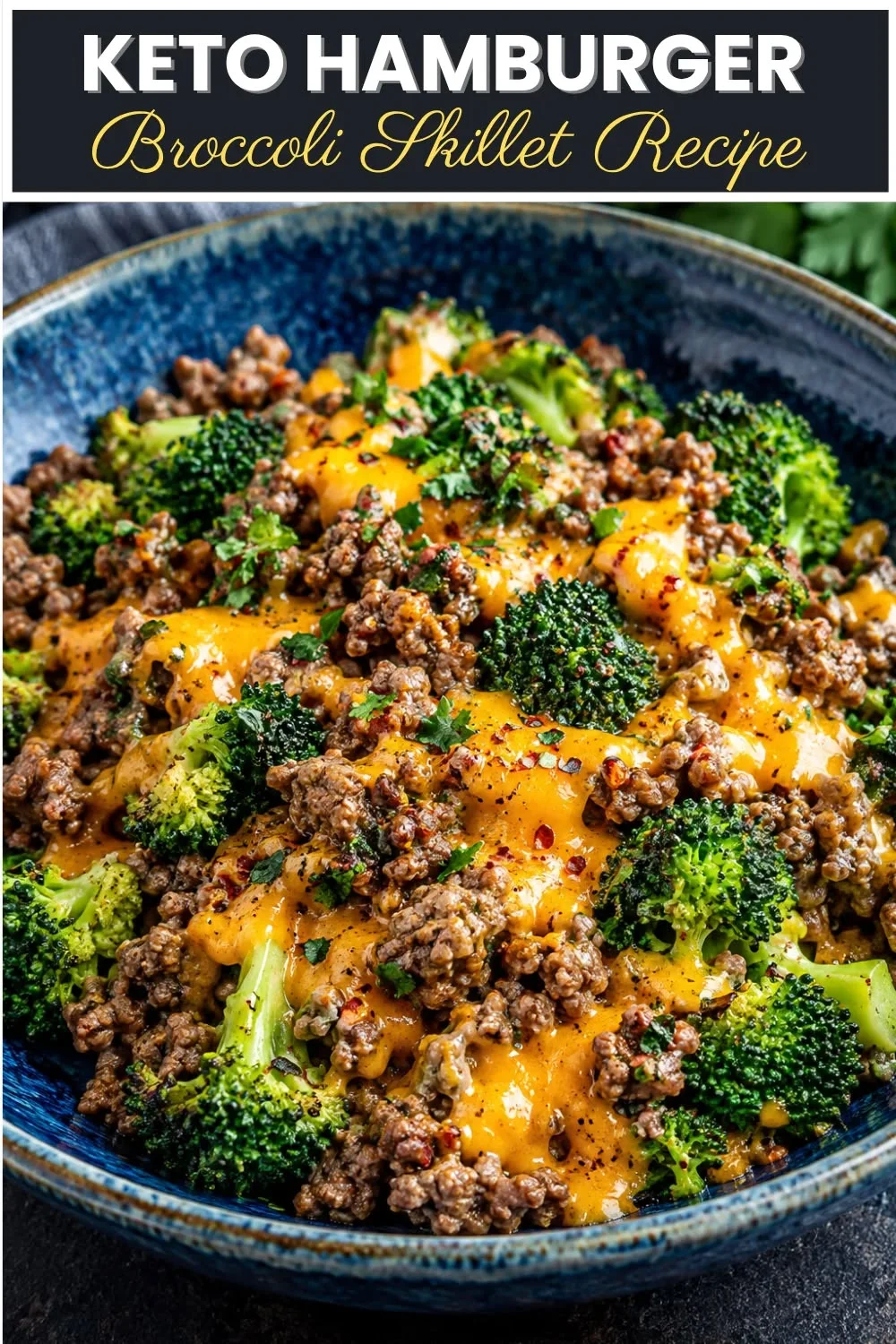
THE BEST N°1 Keto Hamburger Broccoli Skillet: Easy Low Carb One-Pan Dinner
If you are looking for a weeknight dinner that is fast, filling, and genuinely good for you, this keto hamburger broccoli skillet is about to become your new favorite go-to meal. It comes together in one pan, takes under 30 minutes, and delivers bold, satisfying flavor without a single refined carb in sight.
This post covers everything you need to make this dish perfectly, from the ingredients and step-by-step instructions to batch prep strategies and storage tips. You will also find health benefit breakdowns, common mistakes to avoid, and smart topping ideas to keep things interesting all week long.
Whether you are new to low-carb cooking or a seasoned meal prepper, this recipe fits right into a wholesome, Mediterranean-inspired way of eating that prioritizes real ingredients and simple techniques.
Table of Contents
Personal Note
I grew up watching my grandmother pull together dinner from whatever was left in the kitchen, usually some ground meat, fresh vegetables, and a generous pour of olive oil. She never called it a skillet meal, but that is exactly what it was, and it was always incredible.
When I started focusing more intentionally on Mediterranean-style eating, I realized those simple one-pan dinners she made were already aligned with the principles I was learning, whole ingredients, healthy fats, lean protein, and lots of vegetables cooked just right.
This keto hamburger broccoli skillet is my modern take on that tradition. It is built on the same no-fuss philosophy but dialed in for a low-carb lifestyle that still honors the flavor and nourishment at the heart of Mediterranean cooking.
Origins of the Dish
The one-pan skillet dinner is not a new concept. Across the Mediterranean region, home cooks have long combined ground meat with seasonal vegetables in a single vessel, relying on olive oil, garlic, and aromatic spices to do the heavy lifting on flavor. These dishes were practical, economical, and deeply nourishing, designed to feed families without complicated technique or expensive ingredients.
In Greek cuisine, you find dishes like spetsofai, a skillet of ground or sliced sausage cooked with peppers, tomatoes, and herbs. In Turkish cooking, ground beef sauteed with vegetables and spices is a pantry staple found in everyday home kitchens. Across North Africa and the Levant, similar preparations using lamb or beef alongside hearty greens appear in countless regional recipes passed down through generations.
Broccoli itself, while more associated with Italian and Western European cooking, has been cultivated in the Mediterranean for over 2,000 years. The Romans grew and ate it extensively, and it spread throughout the region long before it became a staple in American supermarkets. Combining it with ground beef in a skillet format feels like a natural evolution of this ancient culinary tradition.
The modern keto hamburger broccoli skillet draws from all of these roots. It is a low-carb adaptation that keeps the spirit of Mediterranean one-pan cooking alive, using quality protein, fresh or frozen vegetables, olive oil, and bold seasoning to create something genuinely satisfying. It is proof that eating well does not require a complicated recipe or hours in the kitchen.
Why You’ll Love This Recipe
This dish checks every box for a smart, satisfying meal. Here is exactly why it deserves a permanent spot in your weekly rotation.
- One pan, minimal cleanup – Everything cooks in a single skillet, which means fewer dishes and less time spent cleaning after dinner.
- Ready in under 30 minutes – From prepping your ingredients to plating, this meal is weeknight-fast without sacrificing quality.
- Low carb and keto-friendly – With only a handful of net carbs per serving, this fits comfortably within ketogenic and low-carb eating plans.
- Mediterranean-aligned ingredients – Olive oil, garlic, fresh herbs, and quality beef connect this dish to the whole-food principles of Mediterranean eating.
- High in protein and fiber – Ground beef provides a solid protein hit, and broccoli adds fiber to keep you full and support digestion.
- Naturally gluten-free – There is no flour, pasta, or grain in sight, making this a safe choice for anyone avoiding gluten.
- Incredibly easy to customize – Swap the protein, add more vegetables, change up the spices, and you have a brand new meal every time.
- Budget-friendly – Ground beef and broccoli are two of the most affordable ingredients at any grocery store, making this a wallet-smart choice.
- Meal prep powerhouse – This recipe doubles easily and stores well in the fridge or freezer for effortless lunches and dinners throughout the week.
- Family-approved flavor – Even picky eaters tend to love the savory, hearty taste of this skillet, making it a crowd-pleaser for the whole household.
Health Benefits and Ingredient Highlights
Every ingredient in this keto hamburger broccoli skillet was chosen for a reason. Here is a closer look at what each one brings to the table, beyond just flavor.
Ground Beef
Ground beef is one of the most nutrient-dense proteins you can eat. It is rich in complete protein, iron, zinc, and B vitamins, particularly B12, which supports energy metabolism and nervous system health.
Choosing grass-fed ground beef when possible aligns with Mediterranean nutritional values, as it provides a better ratio of omega-3 to omega-6 fatty acids compared to conventionally raised beef. The fat content in a well-chosen ground beef also supports satiety on a low-carb eating plan, keeping you fuller for longer without snacking in between meals.
An 80/20 blend offers the best balance of flavor and fat for this skillet, though leaner blends work well if you prefer a lighter version. Either way, you are getting a protein-rich foundation that powers this dish from first bite to last.
Broccoli
Broccoli is one of the most nutritionally powerful vegetables you can include in a low-carb meal. It is packed with vitamin C, vitamin K, folate, and potassium, all within a very modest carbohydrate footprint.
It is also a rich source of sulforaphane, a naturally occurring compound that research has linked to anti-inflammatory effects and cellular protection. In a Mediterranean eating context, this kind of vegetable-forward thinking is central to the diet’s well-documented health benefits.
The fiber in broccoli supports gut health and helps regulate blood sugar, which is especially valuable on a low-carb plan where digestive health can sometimes take a back seat. Cooking broccoli in a hot skillet with olive oil maximizes both flavor and nutrient absorption.
Olive Oil
Extra virgin olive oil is the cornerstone fat of Mediterranean cooking and for very good reason. It is rich in monounsaturated fatty acids, particularly oleic acid, which supports heart health and helps reduce inflammation throughout the body.
It also contains powerful antioxidants including oleocanthal, which has been studied for its anti-inflammatory properties comparable to low-dose ibuprofen. Using olive oil as your cooking fat in this skillet is not just a nod to tradition, it is a genuinely smart nutritional choice.
When sauteing ground beef and broccoli together in olive oil, you create a natural sauce that ties all the flavors together. The oil picks up the seasoning, coats the broccoli, and helps create a slightly caramelized texture on the beef that is hard to replicate with other fats.
Garlic
Garlic is used generously in Mediterranean cooking and brings far more than just flavor to this dish. It contains allicin, a sulfur compound with well-documented antimicrobial, anti-inflammatory, and immune-supporting properties.
Regular consumption of garlic has been associated with improved cardiovascular health, including reduced blood pressure and improved cholesterol levels. These are exactly the kinds of benefits that make Mediterranean eating one of the most studied and praised dietary patterns in the world.
Fresh garlic cloves give the best flavor in this skillet, though jarred minced garlic works in a pinch. Either way, do not skip it. It is one of the most impactful flavoring ingredients in this entire recipe.
Onion
Onions are a foundational aromatic in Mediterranean cuisine and they bring both flavor and functional nutrition to this skillet. They contain quercetin, a flavonoid antioxidant that supports immune health and reduces oxidative stress.
Onions are also a good source of prebiotic fiber, which feeds the beneficial bacteria in your gut microbiome. This supports digestion, immunity, and even mood regulation, making them more than just a flavor base.
Yellow onions caramelize beautifully in a hot skillet, adding a subtle sweetness that balances the savory ground beef. They are low in carbs and high in value, so do not hold back on them in this recipe.
Crushed Red Pepper and Mediterranean Spices
The spice blend used in this recipe draws directly from Mediterranean pantry staples. Smoked paprika, cumin, oregano, and crushed red pepper flakes give the skillet a warm, layered depth of flavor that feels both familiar and interesting.
Many of these spices carry their own health benefits. Cumin supports digestion, oregano is rich in antioxidants, and capsaicin from red pepper flakes has been associated with a temporary boost in metabolism. These are small but meaningful additions that add up over a week of consistent healthy eating.
Using bold spice combinations is one of the most effective ways to make low-carb cooking exciting and sustainable long-term. When your food tastes genuinely good, sticking to a healthy eating plan becomes much easier.
Ingredients
This recipe serves 4 people. All ingredients are easy to find at any grocery store, and several have flexible substitutions depending on what you have on hand.
- 1.5 lbs ground beef, 80/20 blend (substitute ground turkey, ground chicken, or ground lamb for a variation)
- 4 cups broccoli florets, fresh or frozen (about 1 medium head of broccoli)
- 1 medium yellow onion, diced (substitute shallots or red onion)
- 4 cloves garlic, minced (substitute 1 teaspoon garlic powder if needed)
- 2 tablespoons extra virgin olive oil
- 1 teaspoon smoked paprika
- 1 teaspoon ground cumin
- 1 teaspoon dried oregano
- 1/2 teaspoon crushed red pepper flakes (reduce or omit for less heat)
- 1/2 teaspoon onion powder
- Salt and black pepper to taste
- 2 tablespoons low-sodium soy sauce or coconut aminos (for a salty, umami depth)
- 1/4 cup beef broth or water (to deglaze and steam the broccoli)
- Optional: 1/2 cup cherry tomatoes, halved (adds brightness and Mediterranean flavor)
- Optional: 2 tablespoons fresh parsley or basil, chopped (for garnish)
- Optional: 1/4 cup crumbled feta cheese (adds a classic Mediterranean finish)
Step-by-Step Instructions
These instructions are written for cooks at all skill levels. Follow each step carefully and you will end up with a perfectly cooked, restaurant-quality skillet meal every single time.
- Prep all your ingredients before you start cooking. Dice the onion, mince the garlic, cut the broccoli into small to medium florets, and measure out all your spices. Having everything ready before you turn on the heat makes the cooking process smooth and stress-free.
- Heat a large skillet over medium-high heat. Add the 2 tablespoons of extra virgin olive oil and let it warm for about 30 to 60 seconds. You want the oil to shimmer before you add anything to the pan.
- Add the diced onion and cook for 3 to 4 minutes. Stir occasionally, allowing the onion to soften and begin to turn translucent. This builds the flavor base for your entire skillet.
- Add the minced garlic and cook for 1 minute more. Stir constantly here because garlic burns quickly and bitter garlic will ruin the flavor of the dish. You want it golden and fragrant, not brown.
- Add the ground beef directly to the skillet. Break it up with a wooden spoon or spatula and cook over medium-high heat for 6 to 8 minutes, until fully browned with no pink remaining. Drain any excess fat if needed, though a reasonable amount of fat adds flavor.
- Season the beef with smoked paprika, cumin, oregano, crushed red pepper, onion powder, salt, and black pepper. Stir everything together so the spices coat the meat evenly. Cook for another 1 to 2 minutes to allow the spices to bloom in the residual heat.
- Add the soy sauce or coconut aminos and stir to combine. This adds an umami richness that deepens the savory flavor of the beef. Scrape up any browned bits stuck to the bottom of the pan because that is pure flavor.
- Add the broccoli florets to the skillet and toss to combine with the meat mixture. Pour in the beef broth or water and immediately cover the skillet with a lid. Let the broccoli steam for 4 to 5 minutes, until it is bright green and just tender but still has a slight bite.
- Remove the lid and toss everything together one final time. If you are using cherry tomatoes, add them now and cook for 1 to 2 more minutes just until they begin to soften slightly. Taste and adjust your seasoning with extra salt, pepper, or red pepper flakes as needed.
- Remove from heat and garnish before serving. Top with fresh parsley or basil and crumbled feta if using. Serve directly from the skillet for the most satisfying, rustic presentation possible.
Make It Ahead and Batch Prep Guide
This keto hamburger broccoli skillet is one of the best recipes you can make for batch cooking. It doubles or even triples easily, holds up beautifully in storage, and reheats without losing its texture or flavor. If you are serious about meal prepping your week, this recipe deserves a permanent spot in your rotation.
To batch cook efficiently, start by prepping all your vegetables at once. Dice multiple onions, mince a full head of garlic, and cut two to three heads of broccoli into florets. Store each component in separate containers in the fridge for up to three days before you plan to cook. Having everything pre-cut means your skillet can go from cold pan to ready meal in under 20 minutes flat.
When making a large batch of the cooked skillet, consider slightly undercooking the broccoli by one to two minutes. This prevents it from becoming mushy when you reheat your portions later in the week. The broccoli will finish cooking fully during the reheating process, maintaining a pleasant texture in every serving.
Divide your finished skillet into individual meal prep containers as soon as it has cooled slightly. Aim for portioning the same day you cook to maintain food safety and freshness. This recipe makes four generous servings but you can easily scale it up to eight or twelve servings for a full week of lunches and dinners with minimal additional effort. Mediterranean meal prep containers guide
Common Mistakes to Avoid
Even a simple skillet recipe has a few pitfalls worth knowing about in advance. Avoid these common mistakes and your dish will turn out perfectly every single time.
- Overcrowding the pan: If your skillet is too small or too full, the ingredients will steam instead of brown. Use a large skillet, at least 12 inches wide, and cook in batches if necessary to get proper browning on the beef.
- Not draining excess fat: While some fat is essential for flavor, too much pooling liquid will prevent the beef from developing a good sear and can make the finished dish greasy. Tilt the pan and spoon out excess fat after browning if your ground beef is very fatty.
- Burning the garlic: Garlic goes from golden to burned in a matter of seconds. Keep the heat at medium when you add it, stir constantly, and never walk away from the pan during this step.
- Overcooking the broccoli: Mushy broccoli is the number one texture complaint in skillet meals. Steam it just until it turns bright green and fork-tender. If anything, slightly undercook it so it holds up well through any reheating.
- Skipping the seasoning bloom: Adding spices to the beef and letting them cook for a minute or two before adding liquid makes a huge difference. This step intensifies the flavor of every spice and creates a richer, more complex taste throughout the finished dish.
- Not tasting before serving: Always taste your food and adjust salt, pepper, and acid before plating. A small squeeze of fresh lemon juice at the end, for example, can completely transform the flavor balance of this skillet in the best possible way.
Notes, Tips and Variations
Substitutions
Ground beef is the classic choice here but this recipe works beautifully with ground lamb, which carries a distinctly Mediterranean flavor profile. Ground turkey or chicken are leaner alternatives that still produce a satisfying, protein-rich skillet.
If you do not have soy sauce or coconut aminos, you can substitute a splash of Worcestershire sauce or simply increase the amount of beef broth for extra moisture and depth. Coconut aminos is the preferred choice here as it is lower in sodium and slightly sweeter than soy sauce, which complements the spice blend nicely.
Frozen broccoli works just as well as fresh in this recipe. No need to thaw it first. Add it directly to the skillet from frozen and increase the steaming time by one to two minutes to ensure it cooks through evenly.
Dietary Variations
To make this recipe dairy-free, simply skip the feta cheese topping or replace it with a few tablespoons of nutritional yeast for a cheesy, umami flavor without any dairy. The core recipe is already naturally dairy-free.
For a Whole30-compatible version, replace the soy sauce or coconut aminos with a splash of coconut aminos only, as soy sauce contains non-compliant ingredients. Also skip the optional feta and double down on the fresh herb garnish for brightness.
If you are following a strict ketogenic diet and tracking macros carefully, opt for 80/20 ground beef to keep fat content higher. Skip the cherry tomatoes if you are keeping carbs very low, and use full-fat beef broth for the deglazing liquid. Keto Mediterranean meal plan guide
Cooking Tips
Use a cast iron skillet if you have one. It retains heat exceptionally well, creates a better sear on the ground beef, and adds a subtle depth to the overall flavor. It is also one of the most versatile pieces of cookware you can own for Mediterranean-style cooking.
For extra richness, finish the skillet with a small drizzle of cold extra virgin olive oil right before serving. This technique, used widely in Mediterranean kitchens, adds a fresh, grassy note that elevates the entire dish and rounds out the warm spices beautifully.
If you like a bit of char on your broccoli, skip the lid and let the florets cook uncovered over high heat for the last two minutes. They will pick up some beautiful caramelized edges and a slightly smoky flavor that pairs wonderfully with the spiced ground beef.
Topping Ideas and Flavor Boosters
Once your keto hamburger broccoli skillet is on the plate, the right toppings can take it from great to extraordinary. Here are some of the best options to try.
- Crumbled feta cheese – Salty, creamy, and classically Mediterranean. It melts slightly into the hot skillet and adds a tangy contrast to the savory beef.
- Fresh lemon juice – A squeeze right before serving brightens every flavor and cuts through the richness of the beef. Do not skip this one.
- Chopped fresh parsley – Adds color, freshness, and a mild herbal note that complements the warm spices perfectly.
- Kalamata olives, halved – Briny, rich, and deeply Mediterranean. They add an irresistible depth and pair beautifully with the smoked paprika.
- Sliced avocado – Creamy fat that complements the low-carb profile of the dish while adding a satisfying richness.
- A dollop of full-fat Greek yogurt – Adds a cool, tangy creaminess that works like a sauce when stirred into the skillet.
- Toasted pine nuts – Add crunch and a subtle buttery flavor that elevates the dish with minimal effort.
- Sun-dried tomatoes, chopped – Intensely flavored and slightly chewy, they add a bold umami punch and Mediterranean character to every bite.
- Harissa paste – A drizzle of this North African chili paste adds serious heat and complexity. Start small because it is quite potent.
- Fresh basil leaves – Torn and scattered over the top right before serving, basil adds an aromatic freshness that works particularly well with the cherry tomatoes.
- A drizzle of tahini – Thin it slightly with lemon juice and water, then drizzle over the skillet for a nutty, sesame-rich sauce that ties the whole dish together beautifully.
Who This Recipe Is For
This keto hamburger broccoli skillet was designed with flexibility in mind. It works for a wide range of people and eating styles.
- Busy weeknight cooks who need a hot, satisfying dinner on the table in 30 minutes or less without sacrificing nutrition.
- Keto and low-carb eaters looking for hearty, flavorful recipes that fit their macros without feeling like diet food.
- Mediterranean diet followers who want to incorporate ground beef into their eating plan using traditional spices, olive oil, and fresh vegetables.
- Meal preppers who want a batch-friendly recipe that holds up in the fridge or freezer and tastes just as good reheated.
- Gluten-free eaters who are tired of checking every label and want a naturally grain-free, wheat-free dinner option they can trust.
- Budget-conscious shoppers who want to make the most of affordable, nutrient-dense ingredients without compromising on flavor or quality.
- Fitness-focused individuals who need high-protein, low-carb meals to support their training, recovery, and body composition goals.
- Parents feeding picky eaters who want a simple, familiar-tasting dish that the whole family will actually enjoy without complaints.
Storage and Meal Prep Tips
Refrigerator
Allow the skillet to cool completely before transferring it to airtight storage containers. Storing food while it is still hot creates condensation inside the container, which makes the broccoli soggy and can compromise food safety.
Stored properly in the refrigerator, this keto hamburger broccoli skillet will keep for up to 4 days. Glass containers with airtight lids are ideal because they do not absorb odors or stains from the paprika and spices in the recipe.
Freezer
This recipe freezes well, though the texture of the broccoli will soften slightly after thawing. To minimize this, slightly undercook the broccoli before freezing so that it finishes cooking properly when you reheat from frozen.
Portion the cooled skillet into freezer-safe containers or zip-lock bags. Lay the bags flat to freeze so they stack efficiently in your freezer and thaw evenly. The frozen skillet will stay good for up to 3 months. Label each container with the date and contents so nothing gets lost in the back of the freezer.
Reheating
The best way to reheat this skillet is in a pan on the stovetop over medium heat. Add a small splash of water or beef broth to prevent sticking and to help steam the broccoli back to life. Stir frequently and heat for 4 to 5 minutes until everything is hot all the way through.
Microwave reheating works in a pinch. Place your portion in a microwave-safe dish, cover loosely with a damp paper towel to trap steam, and heat on high for 2 to 3 minutes, stirring halfway through. This method is faster but the stovetop version gives a noticeably better texture and flavor result overall.
Nutrition Facts
The following nutritional values are estimated per serving based on a recipe that makes 4 servings. Actual values will vary depending on the specific brands and ingredient variations you use.
| Nutrient | Per Serving |
|---|---|
| Calories | 420 kcal |
| Protein | 35g |
| Total Carbohydrates | 10g |
| Net Carbohydrates | 7g |
| Dietary Fiber | 3g |
| Total Fat | 26g |
| Saturated Fat | 9g |
| Sugar | 3g |
| Sodium | 480mg |
This skillet is high in protein, moderate in healthy fat, and very low in net carbohydrates, making it an excellent fit for ketogenic, low-carb, and Mediterranean-style eating plans. The fiber content from the broccoli and onion also supports healthy digestion with every serving.
FAQs
Can I use frozen broccoli instead of fresh?
Yes, absolutely. Frozen broccoli works very well in this recipe and is just as nutritious as fresh. Add it directly to the skillet from frozen without thawing, and increase the covered steaming time by about 2 minutes to ensure it heats through completely. Just be aware that frozen broccoli tends to release a bit more water, so your skillet may need an extra minute of uncovered cooking at the end to reduce any excess liquid.
Is this recipe truly keto-friendly?
Yes. With approximately 7 grams of net carbohydrates per serving, this keto hamburger broccoli skillet fits comfortably within the daily carbohydrate limits of a standard ketogenic diet, which typically allows between 20 and 50 grams of net carbs per day. The high protein and fat content also makes it very effective at keeping you satiated and in ketosis.
What can I serve this with to keep it low-carb?
This skillet is satisfying enough to eat on its own, but if you want to add a side dish, cauliflower rice is a natural low-carb choice that pairs beautifully with the spiced beef. A simple side salad dressed with olive oil and lemon juice, a few slices of avocado, or a small serving of olives and cucumber all complement this dish perfectly without adding meaningful carbohydrates to your meal.
Can I make this recipe without soy sauce?
Definitely. If you prefer to avoid soy, coconut aminos is the best direct substitute and is actually the preferred option for anyone following a stricter low-carb or Whole30 plan. You can also simply omit it altogether and add a small extra pinch of salt and a splash of additional beef broth to maintain the moisture level and savory depth of the finished dish.
How do I know when the broccoli is cooked perfectly?
Perfectly cooked broccoli in this recipe should be bright green, fork-tender with a slight bite, and not at all mushy. If you can pierce a floret easily with a fork but it still holds its shape, you are right on target. The moment it starts to look olive-colored or begins falling apart, it has gone too far. Err slightly on the side of undercooking, especially if you are meal prepping, since the broccoli will continue to soften during reheating.
Conclusion
This keto hamburger broccoli skillet is exactly the kind of meal that proves healthy eating does not have to be complicated, expensive, or boring. With one pan, a handful of wholesome ingredients, and less than 30 minutes of your time, you can put a genuinely nourishing, deeply flavorful dinner on the table any night of the week.
It honors the Mediterranean tradition of building meals around real food, good olive oil, fresh vegetables, quality protein, and bold seasoning, while fitting seamlessly into a low-carb lifestyle. Whether you are cooking for one, feeding a family, or prepping five days of lunches in one go, this recipe delivers every single time. Mediterranean low-carb weekly meal prep plan
Give it a try this week, make it your own with the topping ideas and variations above, and do not be surprised when it becomes the recipe your family asks for again and again. Simple, satisfying, and built to last in your recipe collection.