THE BEST N°1 Apple Cider Cheesecake Cookies | Easy Fall Recipe You’ll Make Every Year
If you’ve been searching for the perfect fall dessert, these Apple Cider Cheesecake Cookies are exactly what your autumn baking lineup needs. Soft, tangy, spiced, and loaded with that cozy apple cider flavor, these cookies are the kind of treat that disappears from the plate before they even cool down.
This post walks you through everything, from the origins of the flavor combination to step-by-step instructions, storage tips, and ingredient swaps. Whether you’re baking for a holiday gathering or just want something warm and special on a weeknight, you’re in the right place.
You’ll also find batch prep tips, nutrition info, and answers to the most common questions people have when making these cookies for the first time. Let’s get into it.
Table of Contents
Personal Note
The first time I made Apple Cider Cheesecake Cookies, it was a chilly Saturday in October and I had a half-gallon of fresh apple cider sitting on my counter with no real plan for it. I didn’t want another mug of warm cider, so I started experimenting with reducing it down and folding it into a cheesecake-stuffed cookie dough.
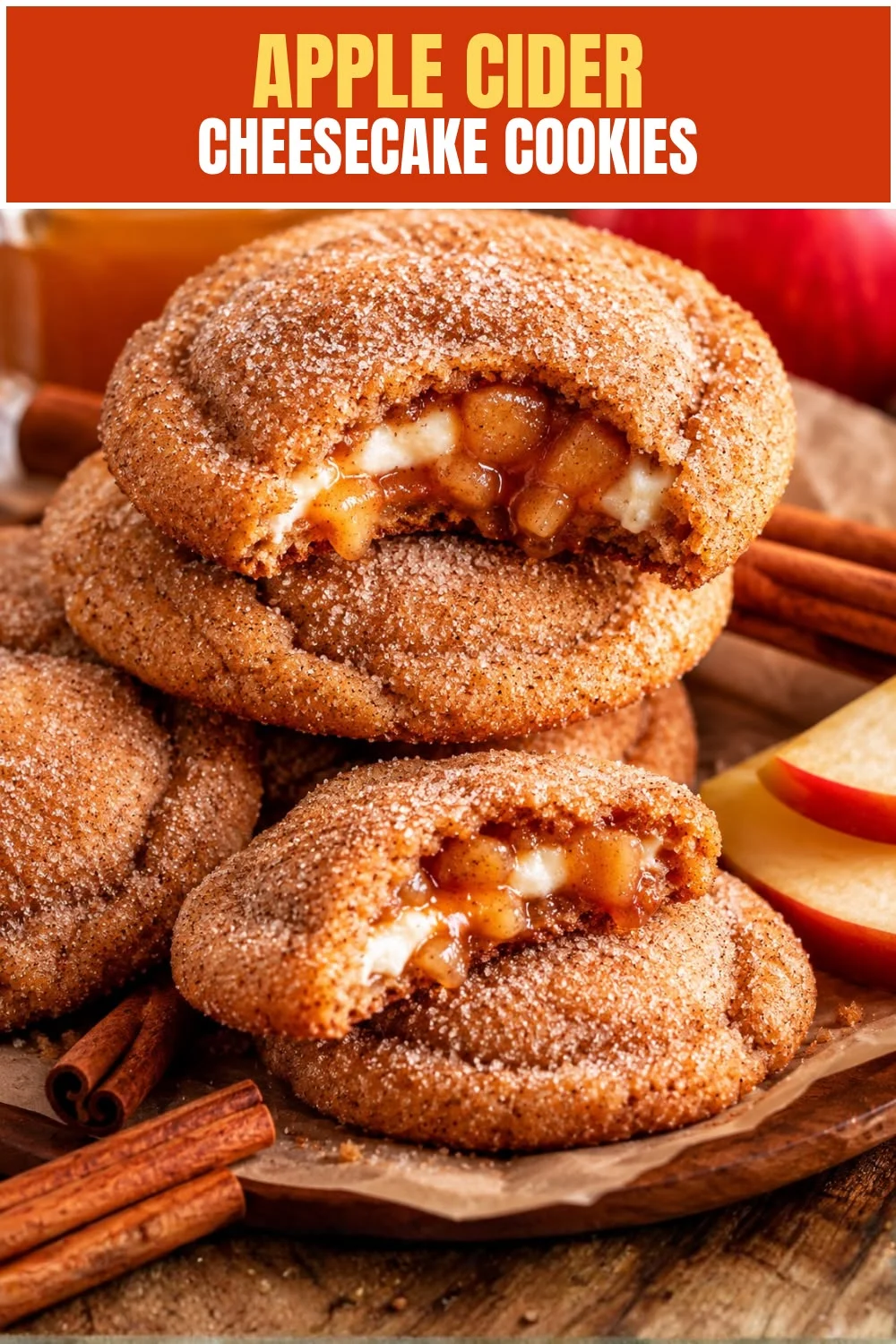
What came out of the oven that day completely stopped me in my tracks. The cookies were pillowy soft, the cream cheese center was cool and tangy, and the apple cider glaze on top made the whole thing smell like a fall festival in cookie form.
I’ve made this recipe dozens of times since then, tweaking the spice levels and testing different frostings. The version you’re about to read is the one I keep coming back to every single year, and I genuinely think you’ll feel the same way.
Origins of the Dish
Apple cider has been a cornerstone of American fall culture for centuries. Early American colonists brought apple orchards with them from Europe, and pressing apples into cider became one of the most practical and beloved seasonal traditions. Fresh-pressed apple cider was safer to drink than water in many communities, and it quickly became a symbol of harvest season.
Cheesecake, on the other hand, has roots that go back to ancient Greece. Historians believe that a simple version of cheesecake was served to athletes during the first Olympic Games. It traveled through Rome and eventually into Europe, where cream cheese was developed and became the base for the New York-style cheesecake we know today. By the late 1800s, cream cheese had become a household ingredient in America.
The fusion of cheesecake flavor into cookie form is a more modern idea, gaining major popularity in the early 2000s as home bakers started experimenting with stuffed cookies. The concept of a cheesecake cookie, with a creamy filling inside a soft spiced dough, tapped into the demand for desserts that felt indulgent but were still hand-held and shareable.
Combining apple cider with the cream cheese cookie concept was a natural extension of fall baking traditions. The tartness of reduced apple cider cuts through the richness of cream cheese beautifully, and warm spices like cinnamon and cardamom tie both flavors together in a way that feels nostalgic and completely of-the-season. Today, Apple Cider Cheesecake Cookies are a beloved seasonal staple in home kitchens across North America.
Why You’ll Love This Recipe
These cookies check so many boxes that it’s hard to pick just one reason to make them. Here’s a quick rundown of everything that makes this recipe worth bookmarking right now.
- Big fall flavor: Reduced apple cider concentrates the apple taste so every bite is packed with real, bold flavor, not just a hint of it.
- Cream cheese center: The tangy cheesecake filling inside each cookie is a total surprise and an absolute delight with every bite.
- Soft and pillowy texture: These cookies stay tender for days when stored properly, making them perfect for gifting or meal prepping.
- Simple ingredients: Everything you need is available at any regular grocery store, no specialty items required.
- Beginner-friendly: Even if you’ve never stuffed a cookie before, the step-by-step process here makes it totally manageable.
- Great for gatherings: These cookies are impressive enough for a holiday dessert table but easy enough to make any weekend.
- Batch prep friendly: You can freeze the dough balls or baked cookies ahead of time and pull them out whenever you need them.
- Customizable spice level: Dial up the cinnamon and cardamom for a spicier cookie or keep it mild depending on your preference.
- Apple cider glaze option: A drizzle of cider glaze on top takes these cookies from great to absolutely stunning.
- Kid and adult approved: The sweet, creamy, lightly spiced flavor profile hits just right for every age group at the table.
Health Benefits and Ingredient Highlights
While these are absolutely a dessert treat, several of the key ingredients bring real nutritional value to the table. Here’s a closer look at what’s inside and why each ingredient matters.
Apple Cider
Fresh, unfiltered apple cider is rich in polyphenols, which are plant compounds with antioxidant properties. These antioxidants help combat oxidative stress in the body, and research suggests they may support heart health over time.
Apple cider also contains a small amount of vitamin C and naturally occurring sugars from the fruit. When you reduce it into a concentrate for this recipe, you’re intensifying both the flavor and the beneficial compounds without adding anything artificial.
Using real apple cider instead of artificial apple flavoring means you get a cleaner, more nuanced taste profile. Your cookies will actually taste like apples, not like apple candy.
Cream Cheese
Cream cheese is a good source of fat-soluble vitamins, including vitamin A, which supports vision and immune function. It also contains a small but meaningful amount of calcium, which is important for bone health.
The fat content in cream cheese is what gives these cookies their signature richness and creamy texture. Fat also plays an important role in slowing sugar absorption, which means you won’t experience as sharp of a blood sugar spike from a treat like this compared to a purely sugar-based dessert.
Full-fat cream cheese is recommended for this recipe because it provides the best texture and flavor. Lower-fat versions can make the filling runnier and harder to work with during the stuffing process.
Cinnamon
Cinnamon is one of the most well-studied spices in the world, and for good reason. It contains cinnamaldehyde, the compound responsible for both its flavor and its impressive anti-inflammatory properties.
Studies have shown that cinnamon may help improve insulin sensitivity, which is particularly relevant when you’re enjoying a sweet dessert. It essentially helps your body process sugar more efficiently.
Beyond the health angle, cinnamon is the spice that makes these cookies smell like a warm autumn afternoon. It’s the soul of the recipe, so don’t skip it or reduce the amount.
Eggs
Eggs provide structure, richness, and moisture to cookie dough. The proteins in eggs coagulate during baking, helping hold the cookie together while still allowing it to stay soft inside.
Eggs are also a complete protein source, containing all nine essential amino acids. They provide a small but useful nutrient boost to an otherwise indulgent recipe.
Butter
Butter contributes to the tenderness, flavor, and spread of your cookies. It contains fat-soluble vitamins like A, D, E, and K2, along with conjugated linoleic acid, which some research connects to metabolic benefits.
Using real butter rather than margarine or shortening makes a noticeable difference in the final texture and taste. The flavor of good quality butter is irreplaceable in a cookie recipe like this one.
All-Purpose Flour
Flour provides the structural backbone of any cookie. It contains gluten-forming proteins that, when properly mixed, give your cookie enough body to hold its shape while still staying soft and chewy in the center.
You can swap in a 1:1 gluten-free flour blend if needed, and I’ll cover that in the variations section. The key is not overmixing once the flour goes in, to prevent tough, dense cookies.
Ingredients
Here’s everything you need to make a full batch of approximately 24 Apple Cider Cheesecake Cookies. Substitution notes are included in parentheses where relevant.
For the Apple Cider Reduction:
- 2 cups fresh apple cider (not apple juice – use fresh-pressed for best flavor)
For the Cheesecake Filling:
- 8 oz full-fat cream cheese, softened (do not use whipped or low-fat)
- 3 tablespoons granulated sugar
- 1 teaspoon pure vanilla extract
For the Cookie Dough:
- 2 and 3/4 cups all-purpose flour (substitute with 1:1 gluten-free flour blend if needed)
- 1 teaspoon baking soda
- 1/2 teaspoon baking powder
- 1 teaspoon ground cinnamon
- 1/2 teaspoon ground cardamom (substitute with extra cinnamon if you don’t have it)
- 1/4 teaspoon ground nutmeg
- 1/4 teaspoon ground ginger
- 1/2 teaspoon fine sea salt
- 1 cup (2 sticks) unsalted butter, softened to room temperature (do not substitute margarine)
- 1 cup packed light brown sugar
- 1/4 cup granulated white sugar
- 2 large eggs, room temperature
- 1 teaspoon pure vanilla extract
- 3 tablespoons of the prepared apple cider reduction (from above)
For the Apple Cider Glaze (optional but highly recommended):
- 1 cup powdered sugar, sifted
- 2 tablespoons of the apple cider reduction
- 1 tablespoon milk or heavy cream (adjust for desired consistency)
For Rolling the Cookies:
- 1/4 cup granulated sugar
- 1 teaspoon ground cinnamon
Step-by-Step Instructions
Follow these steps carefully for cookies that turn out perfectly every single time. Take your time with the cider reduction, it’s the most important step for maximum flavor.
- Make the apple cider reduction. Pour 2 cups of apple cider into a small saucepan over medium heat. Bring it to a gentle boil, then reduce the heat to medium-low and simmer uncovered for about 20-25 minutes, stirring occasionally. You want to end up with about 1/4 cup of thick, syrupy liquid. Set it aside and let it cool completely before using.
- Prepare the cheesecake filling. In a medium bowl, beat the softened cream cheese with a hand mixer until smooth and fluffy, about 1 minute. Add the sugar and vanilla extract and mix until fully combined. Scoop the filling into about 24 small mounds (roughly 1 teaspoon each) onto a parchment-lined baking sheet and freeze for at least 30 minutes until firm.
- Mix the dry ingredients. In a medium bowl, whisk together the flour, baking soda, baking powder, cinnamon, cardamom, nutmeg, ginger, and salt. Set the bowl aside while you prepare the wet ingredients.
- Cream the butter and sugars. In a large bowl, beat the softened butter, brown sugar, and granulated sugar together with a hand or stand mixer on medium-high speed for about 3 minutes, until the mixture is light and fluffy. Scrape down the sides of the bowl as needed to make sure everything is evenly incorporated.
- Add the eggs, vanilla, and cider reduction. Beat in the eggs one at a time, mixing well after each addition. Add the vanilla extract and 3 tablespoons of the cooled apple cider reduction, then mix until fully combined. The dough will look slightly sticky at this point, and that’s completely fine.
- Add the dry ingredients. With the mixer on low, gradually add the flour mixture to the wet ingredients. Mix just until no dry streaks remain, then stop. Overmixing at this stage will make your cookies tough, so be gentle and patient.
- Chill the dough. Cover the bowl with plastic wrap and refrigerate the dough for at least 1 hour, or up to 24 hours. Chilling the dough prevents the cookies from spreading too thin during baking and allows the flavors to deepen.
- Preheat and prep. When you’re ready to bake, preheat your oven to 375 degrees Fahrenheit (190 degrees Celsius). Line two large baking sheets with parchment paper. Mix the cinnamon and sugar together in a small bowl for rolling.
- Stuff the cookies. Scoop about 1.5 tablespoons of chilled cookie dough and flatten it in the palm of your hand. Place one frozen cream cheese mound in the center, then carefully wrap the dough around it, pinching the edges tightly to seal. Roll the dough ball between your palms until smooth and sealed.
- Roll in cinnamon sugar. Roll each filled dough ball in the cinnamon sugar mixture until evenly coated. Place them on the prepared baking sheets, spacing them about 2 inches apart to allow for spreading.
- Bake. Bake for 11-13 minutes, or until the edges are set and the tops look just barely underdone. The cookies will continue to cook on the hot pan after you take them out of the oven, so pulling them slightly early is key to a soft and gooey center.
- Cool on the pan. Allow the cookies to cool on the baking sheet for 10 minutes before transferring them to a wire rack. This resting time is important for the cheesecake filling to set up properly inside.
- Make the glaze (optional). Whisk together the sifted powdered sugar, 2 tablespoons of apple cider reduction, and milk or cream until smooth and pourable. Adjust the consistency with more liquid or more powdered sugar as needed. Drizzle it over the cooled cookies using a spoon or a piping bag.
- Let the glaze set. Allow the glazed cookies to sit for about 15 minutes at room temperature until the glaze firms up slightly. Then serve and enjoy your incredible batch of Apple Cider Cheesecake Cookies.
Make It Ahead and Batch Prep Guide
These cookies are a dream for batch baking, and with a little planning, you can have them ready to pull out on any evening without starting from scratch. The most efficient strategy is to prepare the apple cider reduction and the cheesecake filling filling on one day, then assemble and freeze the unbaked stuffed dough balls the next.
To freeze unbaked cookies, simply follow the stuffing and rolling steps, then place the dough balls on a parchment-lined tray in the freezer for 1-2 hours until firm. Once solid, transfer them to a zip-top freezer bag labeled with the date and baking instructions. They’ll keep in the freezer for up to 2 months. When you’re ready to bake, go straight from frozen to oven, adding 2-3 extra minutes to the baking time.
You can also batch the cider reduction in larger quantities. Make it in big batches when fresh apple cider is in season, pour it into ice cube trays to freeze in tablespoon-sized portions, and then store the cubes in a freezer bag. This way you’ll have fall-ready apple cider concentrate all winter long, perfect for cookies, frostings, glazes, and even oatmeal.
If you’re prepping for a holiday dessert table or a cookie exchange, this recipe scales up beautifully. Doubling the batch is completely manageable, just make sure you have enough freezer space for the cream cheese filling mounds and allow enough refrigerator chilling time for the dough. Fall Dessert Prep Guide has even more ideas for batching fall baked goods efficiently.
Common Mistakes to Avoid
Even experienced bakers run into issues with stuffed cookies. Here are the most common pitfalls and exactly how to avoid them.
- Not freezing the cream cheese filling first: If you skip this step, the warm oven will cause the filling to melt and leak out of the cookie before it sets. The frozen filling holds its shape and stays inside where it belongs.
- Skipping the dough chill: Room-temperature dough spreads too quickly in the oven and results in flat cookies with a blown-out filling. Chilling is non-negotiable for this recipe.
- Not reducing the cider enough: Thin apple cider won’t give you strong enough flavor. Make sure you reduce it to a thick, syrupy consistency so the apple flavor really comes through in the dough and the glaze.
- Overmixing the dough after adding flour: This develops too much gluten, resulting in tough, dense cookies instead of the soft, pillowy texture you’re going for. Mix just until the flour disappears.
- Overbaking the cookies: These cookies should look underdone when you pull them from the oven. If they look fully set on top, they’ll be overbaked and dry once cooled. Trust the process and pull them early.
- Using cold butter: Cold butter won’t cream properly with the sugar, which affects the texture of the entire cookie. Make sure your butter is genuinely at room temperature, meaning it leaves a slight indent when pressed but isn’t greasy or melted.
Notes, Tips and Variations
Substitutions
If you don’t have fresh apple cider, look for unfiltered apple cider at a farmers market or natural grocery store. Pasteurized apple cider from the grocery store also works well. Avoid using regular clear apple juice, as it lacks the depth of flavor you’re after.
Cardamom can be replaced with an equal amount of ground cinnamon if you don’t have it on hand. It will slightly change the flavor profile but still produce a delicious cookie. You can also use a pre-made apple pie spice blend in place of the individual spices, using about 2 teaspoons total.
For dairy-free baking, use vegan butter in the dough and a dairy-free cream cheese alternative like Violife or Kite Hill. The texture may be slightly different but the flavor will still be wonderful.
Dietary Variations
To make these cookies gluten-free, substitute the all-purpose flour with a quality 1:1 gluten-free flour blend. King Arthur and Bob’s Red Mill both have excellent options that work well in cookie recipes without changing the texture dramatically.
For a lower-sugar version, reduce the brown sugar to 3/4 cup and use a powdered erythritol or monk fruit blend for the glaze. Keep in mind that reducing sugar can affect the texture slightly, making the cookies a bit less chewy.
You can make these egg-free by using a flax egg (1 tablespoon ground flaxseed mixed with 3 tablespoons water, rested for 5 minutes) in place of each large egg. The cookies will be slightly denser but still very tasty.
Cooking Tips
Use a cookie scoop for consistent sizing so all your cookies bake evenly. An uneven batch will result in some cookies overbaking while others are still raw in the center.
Rotate your baking sheets halfway through the bake time if your oven has hot spots. This simple step ensures even browning and consistent texture across the entire batch.
Let your cider reduction cool fully before adding it to the dough or glaze. Hot cider reduction can partially cook the eggs in the dough and affect the texture of the glaze negatively.
Topping Ideas and Flavor Boosters
The base recipe is spectacular on its own, but here are some fun ways to elevate your Apple Cider Cheesecake Cookies even further.
- Apple cider caramel drizzle: Stir your cider reduction into a simple caramel sauce for a two-layer flavor bomb on top.
- Flaky sea salt: A pinch of flaky salt on top of the glaze contrasts beautifully with the sweetness and adds a gourmet touch.
- Chopped candied pecans: Press a few into the top of each cookie before baking for crunch, nuttiness, and visual appeal.
- Cinnamon cream cheese frosting: Pipe a small swirl of cinnamon-spiked cream cheese frosting on top of each cooled cookie instead of the glaze.
- Dried apple chips crumble: Crush dried apple chips and sprinkle them over the glazed cookies for extra apple texture and flavor.
- White chocolate drizzle: Melt white chocolate and drizzle it alongside the cider glaze for a creamy, sweet contrast.
- Chai spice dust: Mix powdered sugar with chai spice blend and dust lightly over the finished cookies for a warming spiced finish.
- Maple glaze variation: Replace the milk in the glaze with pure maple syrup for a deeper, more caramel-forward sweetness that pairs beautifully with the apple cider base.
- Brown butter addition: Brown 2 tablespoons of your butter before adding it back to the measured amount for a nutty, deep flavor note in the dough.
- Mini toffee bits: Fold a small handful into the dough before chilling for pockets of buttery toffee flavor inside the cookie.
- Espresso powder: Add 1/2 teaspoon to the dough to deepen the overall flavor profile without making the cookies taste like coffee.
Who This Recipe Is For
This recipe was built for a wide range of home bakers and dessert lovers. Here’s a quick look at who will get the most out of this recipe.
- Fall baking enthusiasts who love seasonal flavors and want a unique spin on the classic autumn dessert spread.
- Holiday cookie exchangers who want a show-stopping cookie that stands out from the usual sugar cookie or gingerbread options.
- Meal preppers and batch bakers who love making desserts ahead of time and storing them for easy weeknight treats.
- Beginner bakers who want a recipe that’s clearly written, approachable, and forgiving when small mistakes happen.
- Parents and family cooks who want a dessert the whole table will love, from kids to grandparents.
- Dessert gifters who need beautiful, packable cookies that hold up well and look impressive in a treat box or bag.
- Apple lovers who want to celebrate the season’s best fruit in a creative and delicious new format.
- Cheesecake fans who want all the creamy, tangy flavor of cheesecake without the fuss of a full cake bake.
Storage and Meal Prep Tips
Refrigerator
Because these cookies contain a cream cheese filling, they should be stored in the refrigerator after the first day. Place them in an airtight container, with parchment paper between layers to prevent sticking. They’ll keep fresh in the fridge for up to 5 days.
Let the cookies come to room temperature for about 15-20 minutes before serving from the fridge. This softens the texture and brings back the pillowy feel you got fresh from the oven.
Freezer
Baked cookies freeze beautifully for up to 2 months. Allow them to cool completely and then freeze them on a parchment-lined sheet until solid, about 1-2 hours. Transfer to a labeled freezer bag or airtight freezer container.
Frozen baked cookies should be thawed overnight in the refrigerator or at room temperature for about 1 hour. If you plan to add the glaze, do so after thawing for the cleanest look and best texture. Freezer Dessert Prep Tips covers more strategies for freezing baked goods without losing quality.
Reheating
If you want to enjoy these warm from the oven again, pop a refrigerated or thawed cookie in the microwave for 10-15 seconds. This softens the dough and slightly warms the cream cheese center for that fresh-baked experience.
You can also reheat them in the oven at 300 degrees Fahrenheit for about 5 minutes. This method helps maintain the outer texture better than the microwave, especially for cookies that still have glaze on them.
Nutrition Facts
The following nutrition information is an estimate based on one cookie from a batch of 24, including the cream cheese filling and the optional apple cider glaze. Values will vary depending on exact ingredient brands and portion sizes.
| Nutrient | Per Cookie (with glaze) |
|---|---|
| Calories | 215 kcal |
| Total Fat | 11g |
| Saturated Fat | 6.5g |
| Carbohydrates | 27g |
| Sugar | 16g |
| Fiber | 0.5g |
| Protein | 3g |
| Sodium | 130mg |
These cookies are an indulgent seasonal treat. Enjoy them as part of a balanced dessert routine and feel great about every bite because they’re made with real, wholesome ingredients from start to finish.
FAQs
Can I use apple juice instead of apple cider?
Technically yes, but the result won’t be the same. Apple juice is filtered and much lighter in flavor than fresh apple cider. If cider isn’t available, look for unfiltered apple juice at a natural grocery store as a middle-ground option. The reduction will still work, but the flavor will be milder and less complex.
Why are my cookies spreading too thin?
The most likely cause is that your dough wasn’t chilled long enough or your butter was too warm when you creamed it. Make sure the dough rests in the refrigerator for at least 1 full hour before baking. Also double-check that you measured your flour correctly, scooping directly from the bag can pack in too much or too little flour depending on the method.
How do I know when the cookies are done baking?
The edges should be set and slightly golden, while the tops still look soft and slightly underdone. This is exactly what you want. Pull them at this point and let them rest on the pan for 10 minutes, where they’ll finish cooking from residual heat. If they look fully set on top when you pull them, they’ll be overbaked once cooled.
Can I make the dough the night before?
Absolutely, and in fact, overnight chilling produces even better flavor. The dough can be refrigerated for up to 48 hours before baking. Just make sure it’s wrapped tightly in plastic wrap or stored in an airtight container so it doesn’t dry out or absorb any refrigerator odors. The cream cheese filling mounds can also be made and frozen a day or two ahead.
Are these cookies safe to leave out at room temperature?
Because of the cream cheese filling, these cookies should not be left at room temperature for more than 2 hours. For a party or gathering, set them out just before serving and refrigerate any leftovers promptly. This is standard food safety practice for any dessert that contains dairy filling. Food-Safe Dessert Storage Guide covers temperature guidelines for cream-based treats in more detail.
Conclusion
Apple Cider Cheesecake Cookies are one of those recipes that genuinely earns a permanent spot in your fall baking rotation. Between the concentrated apple cider flavor, the tangy cream cheese center, the warm spices, and that gorgeous glaze on top, every single element works together to create something truly special. This is not just another fall cookie, it’s the one people will be asking you to make every October.
Don’t let the stuffing step intimidate you. Once you do it a couple of times, it becomes quick and intuitive. And with all the batch prep and storage strategies covered above, you can have a stash of these ready to pull out whenever the craving hits or company shows up unexpectedly.
Go make a batch this weekend. Your kitchen is about to smell absolutely incredible, and you deserve every single delicious bite.