THE BEST N°1 Loukoumades Recipe – Easy Greek Honey Balls (Crispy & Golden)
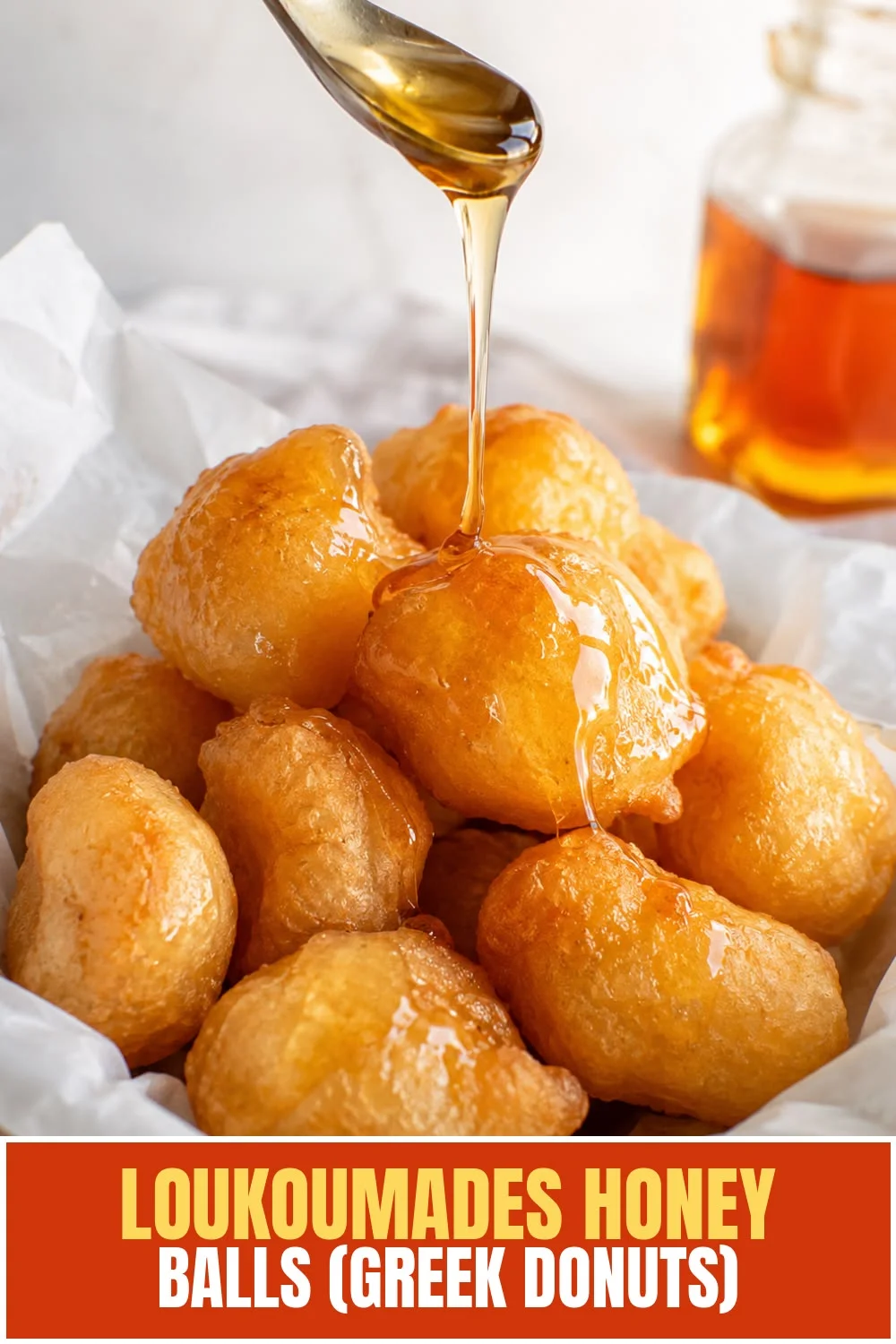
If you have never bitten into a warm, golden Loukoumades drizzled with fragrant honey, you are truly missing one of the greatest joys in Greek dessert culture. These little fried dough balls are crispy on the outside, pillowy soft on the inside, and soaked in a glossy honey syrup that makes every single bite absolutely irresistible. This easy Greek donut recipe has been delighting sweet lovers for thousands of years, and once you make them at home, you will completely understand why.
In this post, you will learn everything you need to know about making perfect Loukoumades from scratch. From the rich history behind these beloved honey balls to step-by-step instructions, batch prep tips, storage guides, and creative topping ideas, this is your complete guide to mastering this classic Greek dessert.
Whether you are a beginner baker or a seasoned home cook, this recipe is approachable, rewarding, and guaranteed to impress. Let’s dive in and make some magic happen in your kitchen.
Table of Contents
Personal Note
The first time I made Loukoumades at home, it was a cold Sunday afternoon and I had been craving something warm, sweet, and a little indulgent. I had eaten them at a Greek festival years ago and never forgot that combination of crispy golden dough and warm honey cascading over the top. I finally decided to stop dreaming about them and start frying them myself.
What surprised me most was how simple the process actually is. The dough comes together quickly, the frying is fast, and the results are absolutely spectacular. My kitchen smelled incredible, and within 30 minutes I had a giant plate of honey balls ready to devour.
Since then, Loukoumades have become one of my go-to desserts whenever I want to bring a little Greek magic to the table. They are crowd-pleasers, conversation starters, and honestly one of the most joyful things you can make in a home kitchen. I hope this recipe brings the same happiness to your table that it brings to mine.
Origins of the Dish
Loukoumades are considered one of the oldest desserts in the world, with roots stretching back to ancient Greece. Historical records suggest that a version of these fried honey balls was served to winners at the ancient Olympic Games as a form of edible celebration and reward. They were called “enkrides” by the ancient Greeks and were made simply from fried dough soaked in honey and sesame seeds.
The name “Loukoumades” is believed to derive from the Arabic word “luqma,” meaning morsel or bite. This linguistic connection reflects the incredible cultural exchange that took place throughout the ancient Mediterranean and Middle Eastern world. As trade routes expanded and cultures intermingled, fried dough sweets traveled and evolved across regions, each culture adding its own unique twist.
During the Byzantine era, Loukoumades became a staple at religious celebrations and feast days. Monasteries in Greece were known for preparing large batches of these honey-drenched sweets to mark special occasions on the Christian calendar. The tradition of making Loukoumades for celebrations, religious events, and festivals has persisted for centuries and remains deeply embedded in Greek culture today.
Today, you will find Loukoumades sold by street vendors at festivals across Greece, Cyprus, and the broader Greek diaspora worldwide. Modern versions have evolved to include toppings like chocolate sauce, crushed nuts, cinnamon, and even ice cream. Yet despite these creative innovations, the classic version, warm fried dough with golden honey and a sprinkle of cinnamon, remains the most beloved expression of this timeless Greek dessert.
Why You’ll Love This Recipe
This Loukoumades recipe is everything a great dessert should be – satisfying, simple, and absolutely delicious. Here is exactly why you are going to fall in love with it:
- Ready in under 45 minutes – From mixing the dough to plating your honey balls, the entire process is fast and efficient.
- Made with pantry staples – You likely already have most of the ingredients at home right now.
- Beginner-friendly – No special equipment or advanced skills required. If you can stir a bowl, you can make Loukoumades.
- Crowd-pleasing dessert – These honey balls are universally loved by kids and adults alike, making them perfect for parties and gatherings.
- Endlessly customizable – Top them with honey, chocolate, nuts, or fruit to suit any preference or occasion.
- Authentic Greek flavor – This recipe stays true to the traditional method, giving you the genuine taste of Greek street food at home.
- Deeply satisfying texture – The contrast between the crispy exterior and airy, soft interior is genuinely addictive.
- Great for batch making – The dough can be prepped ahead of time and the fried balls can be stored for later enjoyment.
- Budget-friendly – A generous serving of these honey balls costs a fraction of what you would pay at a restaurant or festival.
- A guaranteed conversation starter – Serving Loukoumades at your next dinner party will have everyone asking for the recipe.
Health Benefits and Ingredient Highlights
While Loukoumades are certainly a treat, the key ingredients used in this classic recipe each bring something meaningful to the table. Here is a closer look at what makes each component special.
Raw Honey
Raw honey is the star of this dessert and one of nature’s most complex natural sweeteners. It contains antioxidants, trace minerals, and natural enzymes that are absent in refined sugar. Greek thyme honey in particular is highly prized for its rich, floral flavor and potent antioxidant properties.
Beyond its sweetness, honey has been used in traditional food and folk medicine for thousands of years. It offers natural antimicrobial properties and can soothe inflammation in the digestive tract. Using high-quality raw honey to drizzle over your Loukoumades elevates both the flavor and the nutritional quality of this dessert.
When you choose raw, unprocessed honey over commercial processed varieties, you preserve more of its beneficial compounds. Look for local or Greek-origin honey whenever possible to get the most complex and authentic flavor profile.
All-Purpose Flour
All-purpose flour provides the structure and body of the Loukoumades dough. It creates a light, airy texture when combined with yeast and allows the dough balls to puff up beautifully in the hot oil. The gluten network formed during mixing gives these honey balls their characteristic chewiness inside.
Flour is also an important energy source, supplying carbohydrates that fuel your body. For a dessert context, it is worth remembering that the pleasure and satisfaction of enjoying a beautifully made sweet treat has its own place in a balanced lifestyle. Desserts made from scratch with whole ingredients are always a better choice than heavily processed alternatives.
Active Dry Yeast
Yeast is what transforms a simple batter into light, airy, golden puffs of dough. As the yeast ferments and produces carbon dioxide, it creates tiny air pockets throughout the batter. This is what gives Loukoumades their signature hollow, fluffy interior once fried.
The fermentation process also adds a subtle depth of flavor to the dough that you simply cannot replicate with baking powder alone. A well-proofed yeast dough produces a more complex, slightly tangy flavor that perfectly complements the sweetness of the honey drizzle.
Cinnamon
Cinnamon is the classic finishing spice for Loukoumades and one of the most powerful spices in the dessert world. It brings warmth, depth, and a gentle aromatic quality that balances the sweetness of the honey beautifully. In Greek dessert tradition, cinnamon is a beloved and essential finishing touch.
From a nutritional standpoint, cinnamon is rich in antioxidants and has been shown in research to support healthy blood sugar balance when consumed regularly. Ceylon cinnamon, often called “true cinnamon,” is the variety most commonly used in Greek and Mediterranean dessert recipes and has a sweeter, more delicate flavor than the more common Cassia variety.
Olive Oil (for frying)
Traditionally, Loukoumades were fried in olive oil, and this practice remains common in Greece and Cyprus to this day. Olive oil adds a subtle, savory undertone that beautifully counterbalances the sweetness of the honey and creates an incredibly rich and satisfying flavor. It is one of the small details that makes a truly authentic batch of Greek honey balls stand apart from others.
Extra virgin olive oil is rich in monounsaturated fats and polyphenol antioxidants. Even when used for frying at moderate temperatures, it maintains many of its beneficial properties. If you prefer a more neutral flavor, a light olive oil or a mild vegetable oil is a perfectly acceptable alternative.
Ingredients
This recipe makes approximately 30 to 35 Loukoumades, enough to serve 6 to 8 people generously. Here is everything you will need:
- 2 1/4 teaspoons (7g) active dry yeast (or 1 packet instant yeast)
- 1 teaspoon granulated sugar – to activate the yeast
- 1 cup (240ml) warm water – around 110°F / 43°C, not boiling
- 2 cups (240g) all-purpose flour (substitute: bread flour for a chewier texture)
- 1/2 teaspoon fine sea salt
- 1 tablespoon olive oil – added to the batter (use light olive oil for a milder taste)
- Oil for frying – about 3 to 4 cups, use olive oil for authenticity or sunflower oil for a lighter flavor
- 1/2 cup (170g) raw honey – Greek thyme honey is highly recommended (substitute: maple syrup for a vegan version)
- 1 teaspoon ground cinnamon – for finishing
- 2 tablespoons crushed walnuts or sesame seeds – optional but traditional (substitute: any nut of your choice)
Step-by-Step Instructions
Follow these steps carefully and you will have a perfect batch of Loukoumades every single time. Read through all steps before you begin to make sure you are fully prepared.
- Activate the yeast. In a large mixing bowl, combine the warm water, sugar, and active dry yeast. Stir gently and let the mixture sit for 5 to 10 minutes until it becomes foamy and fragrant. If it does not foam, your yeast may be old or the water was too hot – start again with fresh yeast.
- Make the batter. Add the all-purpose flour, sea salt, and olive oil to the yeast mixture. Stir everything together using a wooden spoon or rubber spatula until a smooth, thick batter forms. The consistency should be similar to a thick pancake batter – it should drop slowly from a spoon but not pour freely.
- Let the batter rest and rise. Cover the bowl tightly with plastic wrap or a clean kitchen towel. Set it in a warm, draft-free spot in your kitchen and allow the batter to rise for 45 to 60 minutes. You will notice it nearly doubling in size and developing a slightly bubbly surface – this is exactly what you want.
- Heat the oil. Pour your frying oil into a medium to large saucepan or deep skillet to a depth of at least 2 to 3 inches. Heat the oil over medium heat until it reaches 350°F to 375°F (175°C to 190°C). Use a kitchen thermometer for accuracy – maintaining the right temperature is critical for perfectly cooked Loukoumades.
- Scoop and shape the dough balls. Using two wet spoons or a small ice cream scoop, drop rounded tablespoons of batter carefully into the hot oil. The batter will stick to a dry spoon, so keeping your tools wet makes this much easier. Work in small batches to avoid overcrowding the pan and dropping the oil temperature.
- Fry until golden. Fry the dough balls for about 2 to 3 minutes, turning them occasionally with a slotted spoon to ensure even browning on all sides. They should turn a deep golden brown color and expand slightly as they cook. You will notice them naturally rotating in the oil as the underside cooks – this is a sign of good technique.
- Drain the Loukoumades. Use a slotted spoon to remove the fried honey balls from the oil and transfer them to a plate lined with paper towels. Allow them to drain for about 30 seconds to a minute. Repeat the frying process in batches until all the batter has been used.
- Warm your honey. While the last batch is frying, gently warm your raw honey in a small saucepan over low heat or in the microwave for 20 to 30 seconds. Warm honey pours much more easily and penetrates the fried dough more thoroughly, giving you that classic glossy coating.
- Assemble and serve. Transfer the drained Loukoumades to a serving plate or bowl. Drizzle generously with warm honey, then sprinkle ground cinnamon over the top. Add crushed walnuts or sesame seeds if desired. Serve immediately while they are still warm for the best possible experience.
- Enjoy right away. Loukoumades are at their absolute best when eaten fresh and warm. The crispy exterior softens quickly after the honey is added, so serve them as soon as they are assembled and let your guests enjoy the full sensory experience of this classic Greek dessert.
Make It Ahead and Batch Prep Guide
Loukoumades are best eaten fresh, but that does not mean you cannot plan ahead and make the process more efficient. The batter is actually quite forgiving and can be prepared in advance, making this recipe even more practical for entertaining or meal prep purposes.
You can make the yeast batter up to 24 hours in advance. After mixing, cover the bowl tightly with plastic wrap and place it in the refrigerator instead of letting it rise at room temperature. The cold temperature slows the yeast activity significantly, allowing a slow, long fermentation that actually deepens the flavor of the dough. When you are ready to fry, simply remove the batter from the fridge 30 minutes before cooking to let it come back to room temperature.
If you are making a very large batch for a party or event, you can fry all the Loukoumades in advance and store them unfrosted at room temperature for up to 2 hours. When you are ready to serve, reheat them briefly in an air fryer or oven at 350°F for 3 to 5 minutes to restore crispiness, then add the honey and toppings just before serving. This method works surprisingly well and allows you to focus on your guests rather than the stove. Greek Desserts Meal Prep Guide
For a larger batch prep, consider doubling or tripling the recipe. The batter scales very well, and the frying process moves quickly once you get into a rhythm. Having a second person help with scooping and draining makes large-batch frying significantly more manageable and keeps the workflow steady. With proper prep, you can serve fresh, hot Loukoumades to a crowd of 20 or more without breaking a sweat.
Common Mistakes to Avoid
Even simple recipes have pitfalls. Here are the most common mistakes people make when making Loukoumades, and exactly how to avoid them:
- Using water that is too hot for the yeast. Water above 120°F will kill your yeast before it has a chance to activate. Always use water that feels comfortably warm on your wrist, around 110°F, and check with a thermometer if you are unsure.
- Not allowing the batter to rise properly. Skipping or rushing the resting period results in dense, heavy dough balls instead of light and airy ones. Give the batter the full 45 to 60 minutes it needs to develop properly.
- Frying at the wrong temperature. Oil that is too cool results in oily, soggy Loukoumades that absorb too much fat. Oil that is too hot burns the outside before the inside is cooked through. Keep your oil between 350°F and 375°F throughout the frying process.
- Overcrowding the pan. Adding too many dough balls at once drops the oil temperature rapidly, leading to uneven cooking and greasy results. Fry in small batches of 5 to 8 at a time depending on your pan size.
- Using cold honey directly from the jar. Cold honey is thick and does not coat the Loukoumades evenly. Always warm your honey slightly before drizzling to get that beautiful, glossy finish that you see in authentic Greek versions.
- Adding toppings too far in advance. If you drizzle the honey long before serving, the exterior of the dough balls softens and loses its appealing crispiness. Always add toppings right before eating for the best texture and presentation.
Notes, Tips and Variations
Substitutions
If you do not have active dry yeast, you can use instant yeast in the same quantity. Instant yeast does not need to be proofed separately, so you can mix it directly into the flour before adding the warm water. Your batter may rise slightly faster with instant yeast, so keep an eye on it during the resting period.
For the honey, Greek thyme honey is the gold standard and gives Loukoumades their most authentic flavor. However, any high-quality raw honey works beautifully. If you prefer a vegan option, pure maple syrup is an excellent substitute that still delivers wonderful sweetness and a gorgeous drizzle effect.
Dietary Variations
To make a vegan version of Loukoumades, simply swap the honey for maple syrup or agave nectar and use a neutral vegetable oil for frying. The batter itself is already egg-free and dairy-free, which makes this recipe naturally suitable for a vegan lifestyle with just that one simple swap.
For a gluten-free option, you can experiment with a 1:1 gluten-free flour blend. The texture will be slightly different since gluten is what creates the airy chewiness inside, but many gluten-free bakers have had good results with this substitution. Adding a teaspoon of xanthan gum to the batter can help improve the structure of the dough balls.
Cooking Tips
Wet spoons are your best friend when scooping Loukoumades batter. Keep a small bowl of water nearby and dip your spoon before each scoop to prevent the sticky batter from clinging. A small cookie scoop also works perfectly and gives you consistently sized dough balls that cook evenly.
For extra flavor in the dough itself, you can add a teaspoon of vanilla extract or a pinch of nutmeg to the batter before rising. Some Greek recipes also include a tablespoon of ouzo or brandy in the batter for an authentic adult version that adds a subtle anise aroma to the finished honey balls. Greek Walnut Cake – Karydopita Recipe
Topping Ideas and Flavor Boosters
One of the best things about Loukoumades is how endlessly versatile they are when it comes to toppings. Here are some of the most delicious options to try:
- Classic Greek honey and cinnamon – The traditional and most beloved version, simple and perfect.
- Dark chocolate sauce – Drizzle warm melted dark chocolate over the balls for a rich, modern twist.
- Crushed walnuts – Adds a satisfying crunch and a slightly bitter contrast to the sweet honey.
- Toasted sesame seeds – A traditional topping in many parts of Greece, adding nuttiness and texture.
- Powdered sugar – A classic dusting that adds extra sweetness and a beautiful snowy appearance.
- Tahini drizzle – A Middle Eastern-inspired option that pairs incredibly well with honey for a nutty, earthy finish.
- Fresh berries – Scatter raspberries, strawberries, or blueberries around the plate for a fresh, fruity contrast.
- Pistachio crumble – Finely chopped pistachios add gorgeous color, crunch, and a mild savory note.
- Vanilla ice cream – Serve warm Loukoumades alongside a scoop of vanilla ice cream for an incredible hot-and-cold dessert experience.
- Rose water syrup – A light drizzle of rose water mixed with honey creates a floral, perfumed topping that is absolutely stunning.
- Caramel sauce – Rich, buttery caramel takes these honey balls in a truly indulgent direction.
- Orange zest – A fine grating of fresh orange zest over the top adds a bright citrus aroma that cuts through the richness beautifully.
Who This Recipe Is For
This Loukoumades recipe is designed for a wide range of home cooks and dessert lovers. Here is exactly who will get the most out of this guide:
- Greek food enthusiasts who want to recreate authentic flavors at home without traveling to a restaurant or festival.
- Beginner home bakers who are looking for a rewarding, approachable dessert that does not require advanced technique.
- Parents and families looking for a fun, interactive dessert activity that kids can help with and everyone will love eating.
- Dinner party hosts who want to serve a unique, impressive dessert that sparks conversation and delights guests.
- Dessert meal preppers who want to plan ahead and have a delicious treat ready for the week or for a special occasion.
- Mediterranean food lovers who appreciate the rich culinary heritage and simple, high-quality ingredients of Greek dessert tradition.
- Food bloggers and content creators who need a visually stunning, highly shareable dessert recipe for their audience.
- Anyone craving something sweet and indulgent that is made from scratch with real, wholesome ingredients.
Storage and Meal Prep Tips
Refrigerator
Leftover Loukoumades can be stored in an airtight container in the refrigerator for up to 2 days. Store them without the honey topping if possible, as the honey causes the exterior to soften significantly over time. Adding fresh honey just before eating restores much of the original appeal.
If you have already topped them with honey, they will still be enjoyable from the fridge, but expect a softer, more cake-like texture rather than crispy. They are still delicious – just a slightly different eating experience than when freshly made.
Freezer
Fried Loukoumades freeze surprisingly well. Allow the fried dough balls to cool completely to room temperature, then arrange them in a single layer on a baking sheet and freeze for 1 to 2 hours until solid. Once individually frozen, transfer them to a zip-lock freezer bag and store for up to 2 months.
Do not freeze them with honey already on top. Add all toppings fresh after reheating for the best results. Frozen Loukoumades make an excellent make-ahead dessert option for busy households.
Reheating
The best way to reheat Loukoumades is in an air fryer at 350°F for 3 to 4 minutes, or in a conventional oven at the same temperature for 5 to 7 minutes. Both methods restore a satisfying crispiness to the exterior that the microwave simply cannot achieve. The microwave makes them soft and slightly rubbery, so avoid it if you care about texture.
If reheating from frozen, add about 2 extra minutes to the air fryer or oven time to ensure the centers are warmed through completely. Once reheated, drizzle with fresh warm honey and your chosen toppings and serve immediately for the full experience. Easy Greek Baklava Recipe – Homemade and Simple
Nutrition Facts
The following nutritional information is based on a serving size of approximately 4 to 5 Loukoumades with a standard honey drizzle and cinnamon. Values are estimates and will vary based on exact ingredients and portion sizes used.
| Nutrient | Per Serving (4-5 pieces) |
|---|---|
| Calories | 280 kcal |
| Total Fat | 12g |
| Saturated Fat | 1.5g |
| Carbohydrates | 38g |
| Dietary Fiber | 1g |
| Total Sugar | 14g |
| Protein | 4g |
| Sodium | 120mg |
FAQs
Can I make Loukoumades without yeast?
Yes, you can make a yeast-free version using baking powder as a leavening agent. The result will be slightly denser and less airy than the traditional yeast version, but they will still be delicious. Use 2 teaspoons of baking powder in place of the yeast and skip the resting period entirely, frying the batter immediately after mixing. Most authentic Greek recipes do rely on yeast for that signature fluffy interior, so if you have the time, yeast is always the preferred choice.
Why are my Loukoumades not hollow inside?
If your Loukoumades are not hollow or airy inside, the most likely cause is insufficient rising time or oil that is not hot enough. The yeast needs adequate time to produce enough carbon dioxide to create air pockets in the batter, and the oil needs to be hot enough to set the exterior quickly so the interior can steam and puff. Make sure your batter has fully doubled and your oil is at 350°F to 375°F before you begin frying.
What type of honey is best for Loukoumades?
Greek thyme honey is widely considered the best choice for authentic Loukoumades and is the traditional option used throughout Greece. It has a deep, complex floral flavor with a slightly herbal note that pairs perfectly with the fried dough. If you cannot find Greek thyme honey, any high-quality raw honey such as wildflower, clover, or acacia honey will produce excellent results. Avoid processed commercial honey, as it lacks the depth of flavor that raw honey provides.
Can I bake Loukoumades instead of frying them?
Technically yes, but the result will be quite different from the traditional version. Baked Loukoumades lack the characteristic crispy exterior and the specific texture that frying creates. If you want to try baking, drop rounded tablespoons of batter onto a greased baking sheet and bake at 400°F for 12 to 15 minutes until lightly golden. Brush generously with melted butter or olive oil before baking to help them brown. They will taste more like soft doughnut muffins than traditional Greek honey balls, but they are still enjoyable.
How do I know when the oil is ready for frying?
The most accurate method is using a kitchen thermometer to confirm the oil has reached between 350°F and 375°F. If you do not have a thermometer, you can test the oil by dropping a small piece of bread or a tiny amount of batter into it. If it sizzles actively and floats to the surface within a few seconds, the oil is ready. If it sinks and sits on the bottom without sizzling, the oil needs more time to heat up. If it browns very rapidly and the sizzle is aggressive, the oil is too hot and should be reduced slightly before frying.
Conclusion
Loukoumades are one of those truly special recipes that deliver enormous satisfaction for the effort involved. They connect you to thousands of years of Greek culinary tradition, fill your kitchen with incredible aromas, and produce a dessert that makes everyone at the table genuinely happy. Whether you are making them for a dinner party, a weekend family treat, or simply because you deserve something wonderful, this recipe will not let you down.
Now that you have everything you need, from the full ingredient list and step-by-step instructions to batch prep tips, storage advice, and creative topping ideas, there is nothing standing between you and a perfect plate of Greek honey balls. Take your time, enjoy the process, and do not forget the most important step – eating them warm, drizzled with generous honey, surrounded by people you love.
If you make this recipe, please leave a comment below and let us know how it turned out. Share your photos, your topping choices, and your experience. Your feedback helps this community grow and inspires other home cooks to discover the magic of traditional Greek desserts like Loukoumades. Happy cooking and even happier eating!