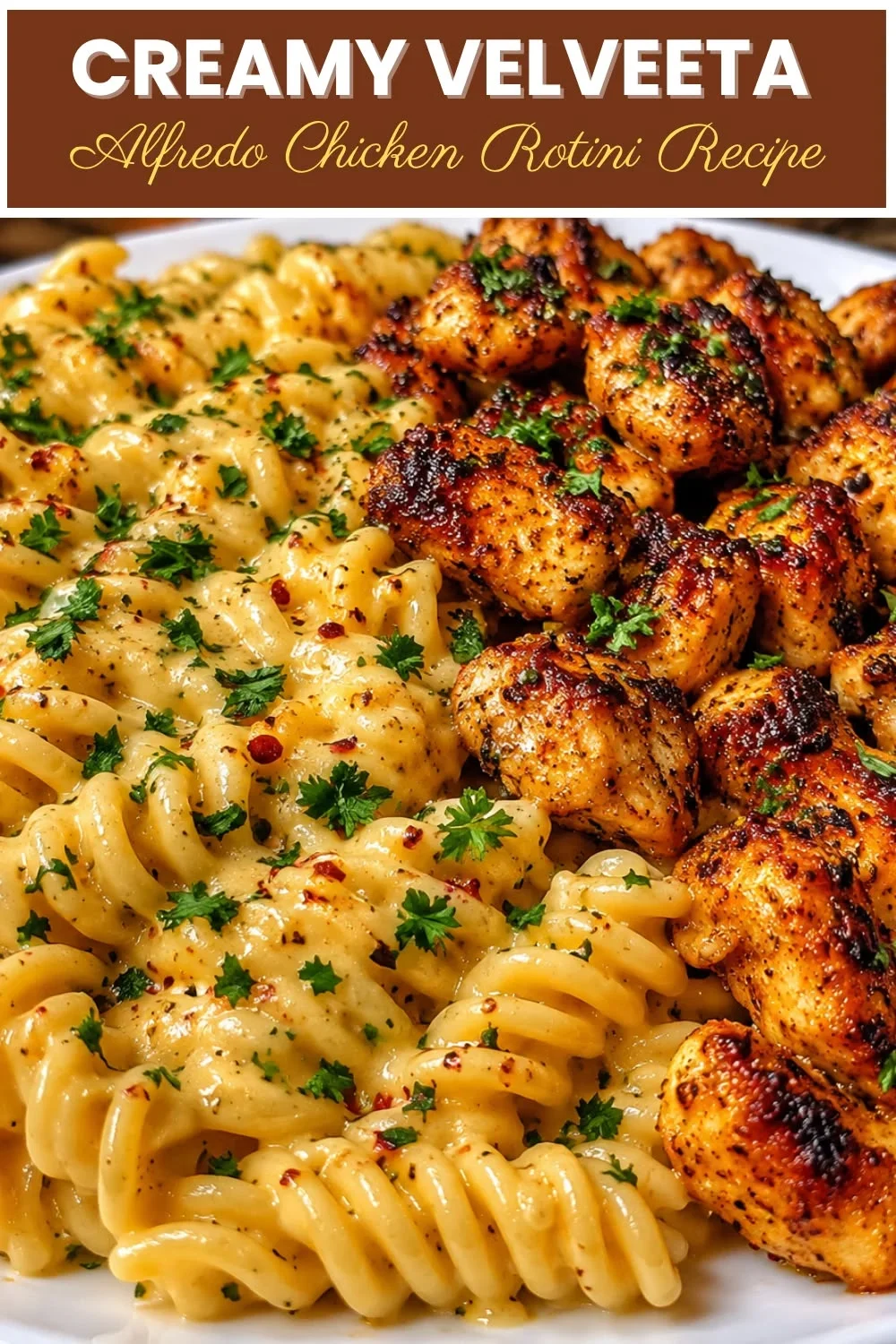
THE BEST N°1 Creamy Alfredo Chicken Rotini: Easy Mediterranean-Inspired Pasta Recipe
If you are looking for a weeknight dinner that feels indulgent but still fits your Mediterranean lifestyle, this creamy Alfredo chicken rotini recipe is exactly what you need. It brings together tender chicken, spiral pasta, and a rich, herb-forward cream sauce that feels anything but ordinary. You will have dinner on the table in under 40 minutes, and the whole family will ask for seconds.
This post covers everything from the origins of Alfredo-style pasta to Mediterranean ingredient swaps that make the dish lighter and more nourishing. You will also find batch prep tips, storage guides, and answers to the most common questions home cooks ask about this recipe.
Whether you are new to Mediterranean meal prep or a seasoned pro, this guide walks you through every step with clarity and confidence. Let’s get into it.
Table of Contents
Personal Note
I grew up watching my grandmother layer flavors into every pot she touched. She never followed a recipe card, but every dish she made had a Mediterranean soul, built on olive oil, fresh herbs, good cheese, and patience. When I first tried Alfredo pasta on a trip to Rome, I immediately started thinking about how to bring that richness into the kind of cooking she taught me.
The result was this creamy Alfredo chicken rotini, a recipe that respects the comfort of classic Alfredo while leaning into Mediterranean values. I swapped heavy cream for a lighter base, added garlic and fresh parsley the way she always did, and used rotini because those little spirals hold onto the sauce in the most satisfying way.
This recipe has become a staple in my weekly meal prep rotation, and I genuinely believe it will become one of yours too. It is the kind of dish that works for a lazy Sunday batch cook or a quick Thursday dinner when you are running out of ideas.
Origins of the Dish
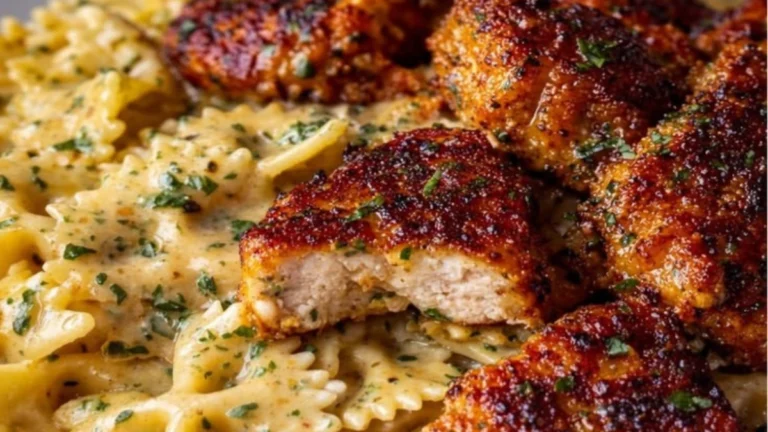
Alfredo sauce as we know it today was created in Rome in the early 20th century by a restaurateur named Alfredo di Lelio. Around 1914, he combined butter and Parmesan cheese to create a rich, silky pasta sauce for his wife, who had lost her appetite after childbirth. The dish gained international fame when American actors Douglas Fairbanks and Mary Pickford visited his restaurant in 1920 and brought the recipe back to the United States.
Once Alfredo sauce crossed the Atlantic, American cooks adapted it significantly. Heavy cream was added to create the thick, pourable version most people recognize today. Chicken was introduced as a protein, and pasta shapes beyond fettuccine, including rotini, penne, and rigatoni, became common choices. This evolution moved the dish further from its Italian roots but created something genuinely beloved in its own right.
The Mediterranean connection runs deeper than most people realize. Italy is, after all, a Mediterranean country, and its culinary traditions are foundational to what we now call the Mediterranean diet. Pasta made from durum wheat, olive oil used generously in cooking, fresh herbs like basil and parsley, and aged cheeses like Parmesan all trace directly back to Mediterranean foodways. When you make this recipe with those principles in mind, you are honoring a very long culinary lineage.
Rotini specifically has a fascinating history. The word “rotini” comes from the Italian word for “small wheels” or “twists,” and this pasta shape was designed to maximize sauce contact. Its spiral grooves trap every drop of creamy sauce, which makes it ideal for a rich Alfredo preparation. In Southern Italian and Sicilian cooking, spiral pasta is often paired with hearty, herb-rich sauces, which connects this dish even more naturally to Mediterranean cooking traditions.
Why You’ll Love This Recipe
This creamy Alfredo chicken rotini recipe hits a rare sweet spot between comfort food and mindful eating. It is the kind of meal that satisfies deeply without leaving you feeling heavy, especially when you use Mediterranean-style ingredient upgrades.
- Quick weeknight dinner: You can have this on the table in about 35 to 40 minutes, making it perfect for busy evenings.
- Mediterranean-friendly ingredients: Olive oil, garlic, fresh herbs, and quality Parmesan align with the core principles of Mediterranean eating.
- Family approved: The creamy, cheesy sauce is a crowd-pleaser for adults and kids alike.
- Meal prep gold: This dish stores beautifully and reheats well, making it one of the best options for batch cooking.
- Customizable: You can easily swap proteins, adjust the richness of the sauce, or add vegetables to suit your preferences.
- High in protein: With lean chicken breast as the base, each serving delivers a solid protein hit that keeps you full for hours.
- One-pan friendly: With smart sequencing, you can minimize cleanup and get this done with just one large skillet and one pot.
- Budget conscious: Rotini is one of the most affordable pasta shapes, and chicken breast is a cost-effective protein choice year-round.
- No fancy equipment needed: This recipe works with standard kitchen tools you already own.
- Layered with flavor: Garlic, Parmesan, lemon zest, and fresh herbs give this dish a depth that far outpaces the effort required to make it.
Health Benefits and Ingredient Highlights
Every ingredient in this recipe was chosen with both flavor and function in mind. The Mediterranean approach to cooking is not about restriction, it is about choosing ingredients that nourish you while tasting incredible. Here is a closer look at what makes this dish genuinely good for you.
Chicken Breast
Chicken breast is one of the leanest animal proteins available, providing roughly 26 grams of protein per 100 grams with minimal saturated fat. In the Mediterranean diet, poultry is recommended several times a week as a primary protein source, making it a perfect fit for this recipe.
Beyond protein, chicken breast delivers a meaningful amount of B vitamins, especially niacin and B6, which support energy metabolism and brain function. It also contains selenium, a mineral with antioxidant properties that plays a role in thyroid health.
When you cook chicken breast in olive oil with garlic and herbs as this recipe calls for, you are building flavor while keeping the nutritional profile intact. Avoid overcooking to preserve both texture and moisture.
Extra Virgin Olive Oil
Extra virgin olive oil is the cornerstone fat in Mediterranean cooking, and for good reason. It is rich in monounsaturated fatty acids, particularly oleic acid, which has been associated with reduced inflammation and improved heart health in numerous studies.
It also contains powerful polyphenols like oleocanthal, which acts similarly to ibuprofen in the body, offering natural anti-inflammatory effects. Using olive oil as the cooking fat in this Alfredo sauce makes it a Mediterranean upgrade from the standard butter-only base.
Choose a cold-pressed, high-quality extra virgin olive oil for the best flavor. The fruity, slightly peppery notes it brings will subtly elevate the entire dish in a way that neutral vegetable oil never could.
Rotini Pasta
Rotini made from durum wheat semolina is a good source of complex carbohydrates, providing steady energy without the rapid blood sugar spike associated with refined grains. If you choose whole wheat rotini, you also get a meaningful boost in dietary fiber, which supports digestive health and satiety.
Pasta has been unfairly demonized in diet culture, but research consistently shows that moderate pasta consumption as part of a Mediterranean-style diet is associated with lower BMI and better metabolic markers. The key is portion control and pairing pasta with lean proteins, healthy fats, and vegetables, which is exactly what this recipe does.
Garlic
Garlic is one of the most studied functional foods in the world, and Mediterranean cuisine uses it generously and unapologetically. It contains allicin, a sulfur compound formed when garlic is crushed or chopped, which has demonstrated antimicrobial, anti-inflammatory, and cardiovascular-protective properties.
Regular garlic consumption has been linked to modest reductions in blood pressure and LDL cholesterol in clinical research. Beyond its health benefits, garlic is the aromatic backbone of this Alfredo sauce, giving it a savory depth that makes the dish taste far more complex than its ingredient list suggests.
Parmesan Cheese
Real Parmigiano-Reggiano is a nutritional powerhouse in small doses. It is aged for a minimum of 12 months, which breaks down its lactose almost entirely, making it a reasonable option even for people with mild lactose sensitivity. It delivers calcium, phosphorus, and a good amount of protein per ounce.
In Mediterranean cooking, cheese is used as a flavor accent rather than a primary ingredient. This recipe uses Parmesan strategically, adding it in a quantity that maximizes flavor without loading the dish with excess saturated fat. The umami richness of aged Parmesan means a little goes a long way.
Fresh Parsley and Lemon
Fresh parsley is more than a garnish. It is loaded with vitamin K, vitamin C, and antioxidants including luteolin and apigenin. Mediterranean cooks treat it as an ingredient in its own right, and in this recipe it brightens the richness of the cream sauce beautifully.
Lemon zest and juice are Mediterranean staples that add acidity without adding calories. The zest in particular contains limonene, a compound found in citrus peel with potential anti-inflammatory and digestive benefits. A squeeze of lemon at the end of cooking lifts the entire dish and balances the richness of the sauce.
Ingredients
This ingredient list serves 4 people. Scale up easily for batch prep by doubling or tripling quantities.
- 12 oz (340g) rotini pasta (substitute: penne, fusilli, or whole wheat rotini)
- 1.5 lbs (680g) boneless, skinless chicken breasts, sliced into strips (substitute: chicken thighs for more richness)
- 3 tablespoons extra virgin olive oil (substitute: 1 tablespoon butter plus 2 tablespoons olive oil for a richer sauce)
- 5 cloves garlic, minced (substitute: 1.5 teaspoons garlic powder in a pinch)
- 1 cup low-sodium chicken broth (substitute: vegetable broth or reserved pasta water)
- 1 cup heavy cream (substitute: half-and-half for a lighter sauce, or full-fat coconut cream for dairy-free)
- 1 cup freshly grated Parmesan cheese (substitute: Pecorino Romano for a sharper flavor)
- 1 teaspoon dried Italian seasoning
- 1 teaspoon dried oregano (a nod to Mediterranean herb profiles)
- 1/2 teaspoon crushed red pepper flakes (optional, for heat)
- Zest and juice of 1 lemon
- 1/4 cup fresh parsley, roughly chopped
- Salt and freshly cracked black pepper to taste
- Reserved pasta water (about 1/2 cup, set aside before draining)
Step-by-Step Instructions
Follow these steps in order and you will have a perfect creamy Alfredo chicken rotini every single time. Read through the full instructions before you start cooking so nothing catches you off guard.
- Bring a large pot of salted water to a boil. Use about 1 tablespoon of salt per 4 quarts of water. Properly salted pasta water is one of the most important steps for flavorful pasta.
- Cook the rotini according to package directions, minus 1 minute. You want it al dente because it will continue cooking briefly in the sauce. Before draining, scoop out at least 1/2 cup of starchy pasta water and set it aside.
- Season the chicken strips generously with salt, pepper, and Italian seasoning. Make sure every piece is evenly coated. This builds flavor directly into the protein rather than relying solely on the sauce.
- Heat 2 tablespoons of olive oil in a large skillet over medium-high heat. Wait until the oil shimmers before adding the chicken. This ensures a good sear rather than steaming the meat.
- Add the seasoned chicken strips in a single layer and cook for 5 to 6 minutes, turning once. The chicken should be golden on both sides and cooked through to an internal temperature of 165°F (74°C). Remove from the skillet and set aside on a plate.
- Reduce the heat to medium and add the remaining tablespoon of olive oil to the same skillet. Do not wipe the pan, those brown bits on the bottom are packed with flavor. Add the minced garlic and cook for about 60 seconds, stirring constantly, until fragrant.
- Pour in the chicken broth and use a wooden spoon to scrape up any browned bits from the bottom of the pan. This technique, called deglazing, adds a deep savory note to the sauce base. Let the broth simmer for about 2 minutes.
- Add the heavy cream, dried oregano, and red pepper flakes if using. Stir to combine and bring the mixture to a gentle simmer. Do not let it boil hard or the sauce may separate.
- Add the lemon zest and stir it into the sauce. Let the sauce simmer for 3 to 4 minutes, stirring occasionally, until it starts to thicken slightly.
- Remove the skillet from the heat and stir in the grated Parmesan cheese a handful at a time. Adding cheese off the heat prevents it from clumping or becoming grainy. Stir until fully melted and the sauce is smooth.
- Add the drained rotini to the skillet and toss to coat thoroughly. If the sauce feels too thick, add the reserved pasta water a splash at a time until you reach your desired consistency.
- Add the cooked chicken strips back into the pan and gently fold them in. Taste the dish and adjust seasoning with salt, pepper, and a squeeze of lemon juice to your preference.
- Serve immediately, topped with fresh parsley and an extra sprinkle of Parmesan. A drizzle of high-quality extra virgin olive oil over the top right before serving adds a beautiful Mediterranean finish.
Make It Ahead and Batch Prep Guide
This creamy Alfredo chicken rotini is one of the best recipes in the Mediterranean meal prep arsenal because it scales up effortlessly. Doubling or tripling the recipe takes almost no additional effort, and the results hold up remarkably well over several days in the fridge.
For the most flexible batch prep approach, consider storing the components separately. Cook the rotini and toss it lightly with a teaspoon of olive oil to prevent sticking, then refrigerate it in a separate container. Keep the Alfredo sauce and chicken together in another container. When you are ready to eat, combine them in a skillet with a splash of chicken broth or water and reheat over medium-low heat. This prevents the pasta from absorbing all the sauce before you are ready to serve it.
If you prefer a fully assembled batch, that works too. Simply make the full recipe, let it cool completely, and portion it into airtight meal prep containers. The assembled dish will stay fresh in the refrigerator for up to 4 days. When reheating, always add a small splash of liquid, whether that is water, broth, or a touch of cream, to bring the sauce back to life. Reheat on the stovetop over low heat or in the microwave at 50% power in short bursts, stirring between intervals.
Sunday batch cooking is where this recipe truly shines. You can prepare a full batch, portion it into 4 to 6 containers, and have lunches or dinners covered for the entire week. Pair each serving with a simple side salad dressed in olive oil and lemon, and you have a complete, balanced Mediterranean meal that takes zero effort on a busy weekday. Mediterranean Meal Prep Sunday Guide
Common Mistakes to Avoid
Even experienced cooks run into issues with Alfredo-style sauces. Here are the most common mistakes and exactly how to avoid them.
- Using pre-shredded Parmesan: Bagged pre-shredded cheese contains anti-caking agents that prevent it from melting smoothly. Always buy a block of Parmesan and grate it fresh for a silky, lump-free sauce.
- Boiling the cream sauce: A hard boil will cause the cream to break and the sauce will look greasy and separated. Keep the heat at a gentle simmer throughout the sauce-making process.
- Adding cheese to a hot pan over direct heat: High heat makes cheese seize and clump. Always remove the pan from the burner before stirring in your Parmesan.
- Overcooking the pasta: Mushy pasta cannot be fixed once it is in the sauce. Pull it one full minute before the package suggests and let it finish in the sauce.
- Skipping the pasta water: That starchy cooking water is liquid gold for adjusting sauce consistency. It helps the sauce cling to the pasta in a way that plain water cannot replicate.
- Under-seasoning the chicken: The chicken needs its own seasoning layer before it hits the pan. Relying on the sauce to carry all the flavor leads to a dish that tastes flat and one-dimensional.
Notes, Tips and Variations
Substitutions
If you do not have rotini on hand, penne and fusilli are both excellent alternatives that hold the sauce well. Avoid thin pasta shapes like angel hair or spaghetti, as they do not stand up to the weight of a cream-based sauce.
You can replace chicken breast with shrimp for a faster-cooking version. Mediterranean-style shrimp Alfredo rotini is delicious, and the shrimp only needs 2 to 3 minutes per side. For a plant-based option, use white beans or pan-seared chickpeas in place of the chicken, both are Mediterranean staples that add protein and texture.
Dietary Variations
To make this recipe lighter and more aligned with everyday Mediterranean eating, replace the heavy cream with half-and-half and reduce it slightly longer to thicken. You can also blend 1/2 cup of cooked white beans into the broth before adding it to the pan, creating a creamy, protein-rich sauce with significantly less fat.
For a gluten-free version, use your favorite gluten-free rotini, which is widely available in most grocery stores. Brown rice rotini and chickpea pasta both work well and add a subtle nutty flavor that complements the garlic and herb sauce nicely.
If you are dairy-free, full-fat coconut cream creates a surprisingly rich Alfredo-style sauce. Use nutritional yeast in place of Parmesan for a cheesy, umami flavor. The result will taste different from the original but is genuinely delicious in its own right.
Cooking Tips
Let your chicken come to room temperature for about 15 minutes before cooking. Cold chicken straight from the fridge cooks unevenly, with the outside done long before the inside reaches a safe temperature.
Use a wide skillet rather than a deep pot for the sauce. The larger surface area helps the cream reduce and thicken faster without requiring you to cook it at high heat. A 12-inch stainless steel or cast iron skillet is ideal for this recipe.
Taste and adjust constantly as you cook. Mediterranean cooking is intuitive, and your palate is the most important tool in the kitchen. A dish that needs more lemon, more salt, or more herbs will tell you if you pay attention to it.
Topping Ideas and Flavor Boosters
One of the best things about this creamy Alfredo chicken rotini is how well it takes to toppings and finishing touches. Here are some of the best options to make each serving feel fresh and new.
- Extra fresh parsley: A generous handful adds color, freshness, and a mild herbal note.
- Toasted pine nuts: A classic Mediterranean touch that adds crunch and a buttery, nutty flavor.
- Sun-dried tomatoes: Chopped sun-dried tomatoes in olive oil add sweetness, acidity, and a beautiful pop of color.
- Kalamata olives: Sliced olives bring a briny, salty contrast that cuts through the richness of the sauce beautifully.
- Lemon zest: An extra sprinkle right before serving brightens the whole dish and lifts the cream sauce.
- Crushed red pepper flakes: For those who love a little heat, this Mediterranean-friendly spice is a perfect finish.
- Crumbled feta cheese: Adds a creamy, tangy element that is quintessentially Mediterranean and pairs wonderfully with the Alfredo base.
- Fresh baby spinach: Stir a handful into the hot pasta right before serving. It wilts beautifully and adds iron and vitamins with zero effort.
- Roasted cherry tomatoes: Halved and roasted with olive oil and herbs, these add acidity and sweetness in every bite.
- Drizzle of high-quality olive oil: A finishing drizzle of your best extra virgin olive oil adds richness and a fruity aroma that elevates the whole dish.
- Fresh basil leaves: Tear them over the top just before serving for an aromatic, Italian-Mediterranean finish.
- Toasted breadcrumbs with herbs: Toss panko with olive oil, garlic, and parsley and toast in a dry pan for a crispy topping that adds incredible texture contrast.
Who This Recipe Is For
This recipe was designed to work for a wide range of people, lifestyles, and goals. If any of the following describes you, this dish belongs in your regular rotation.
- Mediterranean diet followers who want a satisfying pasta dish that fits their eating philosophy without compromise.
- Busy parents who need a dinner that is fast, flavorful, and kid-approved without spending an hour in the kitchen.
- Meal prep beginners who are looking for a simple, forgiving recipe that stores well and reheats beautifully.
- Fitness-focused eaters who need a high-protein meal that actually tastes good and keeps them satisfied after a workout.
- Budget-conscious home cooks who want to maximize flavor without spending a lot at the grocery store.
- Comfort food lovers who want to enjoy their favorite creamy pasta dishes while still eating in a health-conscious way.
- Pasta enthusiasts who are excited by a recipe that uses rotini intentionally and shows off what this pasta shape can really do.
- Dinner party hosts who need a dish that looks impressive and feeds a crowd without complicated techniques.
Storage and Meal Prep Tips
Refrigerator
Store leftovers or meal-prepped portions in airtight containers in the refrigerator for up to 4 days. Glass containers with locking lids work best because they do not absorb odors and they go directly from fridge to microwave without any issues.
If you notice the pasta has absorbed most of the sauce by day 2 or 3, do not panic. Add a splash of chicken broth, water, or a tiny drizzle of cream before reheating and the sauce will come back together. Stir well while warming to redistribute the liquid evenly.
Freezer
Cream-based sauces can be tricky to freeze because dairy sometimes separates when thawed. That said, this recipe freezes reasonably well if you follow a few key steps. Let the dish cool completely before portioning into freezer-safe containers, leaving about an inch of space at the top for expansion.
Freeze for up to 2 months. When you are ready to eat, thaw overnight in the refrigerator rather than at room temperature. Reheat gently on the stovetop over low heat with a splash of cream or broth, stirring frequently to bring the sauce back to its original creamy consistency. The texture may be slightly different from fresh, but the flavor will still be excellent.
Reheating
The stovetop is always the best method for reheating this dish. Place the portion in a skillet over medium-low heat with 2 to 3 tablespoons of chicken broth or water. Stir constantly as it heats to prevent the sauce from sticking or separating.
If you are reheating in the microwave, use 50% power in 60-second increments, stirring between each interval. Add a small splash of liquid before microwaving and cover loosely to trap steam. Avoid high power settings, which can make the chicken rubbery and cause the sauce to break. Mediterranean Chicken Meal Prep Containers Guide
Nutrition Facts
The following values are estimates per serving based on 4 servings from the full recipe. Actual values will vary depending on specific brands, substitutions, and portion sizes.
| Nutrient | Per Serving |
|---|---|
| Calories | 620 kcal |
| Protein | 48g |
| Total Carbohydrates | 52g |
| Dietary Fiber | 3g |
| Total Fat | 22g |
| Saturated Fat | 9g |
| Sugar | 3g |
| Sodium | 480mg |
This recipe is notably high in protein, which makes it a great option for active individuals following a Mediterranean eating pattern. Using half-and-half instead of heavy cream will reduce total fat and calories by approximately 15 to 20%. Choosing whole wheat rotini will increase the fiber content to around 5 to 6 grams per serving.
FAQs
Can I make this recipe without heavy cream?
Yes, absolutely. Half-and-half is the most straightforward swap and creates a lighter sauce that still tastes rich and satisfying. For a truly Mediterranean approach, try blending cooked white beans with chicken broth to create a creamy, dairy-reduced sauce base. It thickens beautifully and adds extra protein and fiber to the dish.
Why did my Alfredo sauce turn out grainy?
Grainy sauce is almost always caused by one of two things: adding cheese to a pan that is too hot, or using pre-shredded cheese that contains anti-caking additives. Remove the pan from direct heat before stirring in the Parmesan, and always use freshly grated cheese from a block. These two steps alone will give you a smooth, silky sauce every time.
Can I use a different pasta shape?
Yes, you can. Penne, fusilli, farfalle, and rigatoni are all great alternatives. The key is choosing a pasta shape with ridges, grooves, or tubes because they grip and hold cream sauces much better than smooth shapes. Avoid thin pastas like spaghetti or angel hair, which tend to clump together in heavy cream sauces.
Is this recipe Mediterranean diet friendly?
This creamy Alfredo chicken rotini is built on Mediterranean principles, using extra virgin olive oil, garlic, fresh herbs, lemon, and lean poultry as its foundation. The cream and cheese are used in moderation as flavor accents rather than primary ingredients. For an even stricter Mediterranean approach, use half-and-half, choose whole wheat rotini, and load the dish up with vegetables like spinach, roasted tomatoes, or artichoke hearts. What Is the Mediterranean Diet? A Complete Beginner’s Guide
How do I keep the pasta from absorbing all the sauce in the fridge?
Pasta naturally absorbs liquid over time, especially cream-based sauces. The best strategy is to store the sauce and pasta separately if you know you are meal prepping for several days. If you have already combined them, add a splash of chicken broth, water, or a little extra cream before reheating and stir well over gentle heat. The sauce will reconstitute and coat the pasta beautifully again.
Conclusion
This creamy Alfredo chicken rotini recipe proves that comfort food and mindful Mediterranean eating are not opposites. When you build a dish on a foundation of olive oil, garlic, fresh herbs, lean protein, and quality cheese, you get something that is simultaneously indulgent and nourishing. That balance is at the heart of everything Mediterranean cooking does so well.
Whether you are making this for a quick weeknight dinner, a Sunday batch prep session, or a casual dinner with friends, this recipe delivers consistent, impressive results every time. The spirals of rotini, the golden seared chicken, and that glossy, herb-forward Alfredo sauce come together in a way that feels special without being complicated.
Give it a try this week, and do not be afraid to make it your own. Add your favorite vegetables, experiment with the toppings, or swap the protein to suit what you have on hand. Mediterranean cooking has always been about flexibility, abundance, and sharing good food with the people you love. This recipe is a small but delicious expression of exactly that.