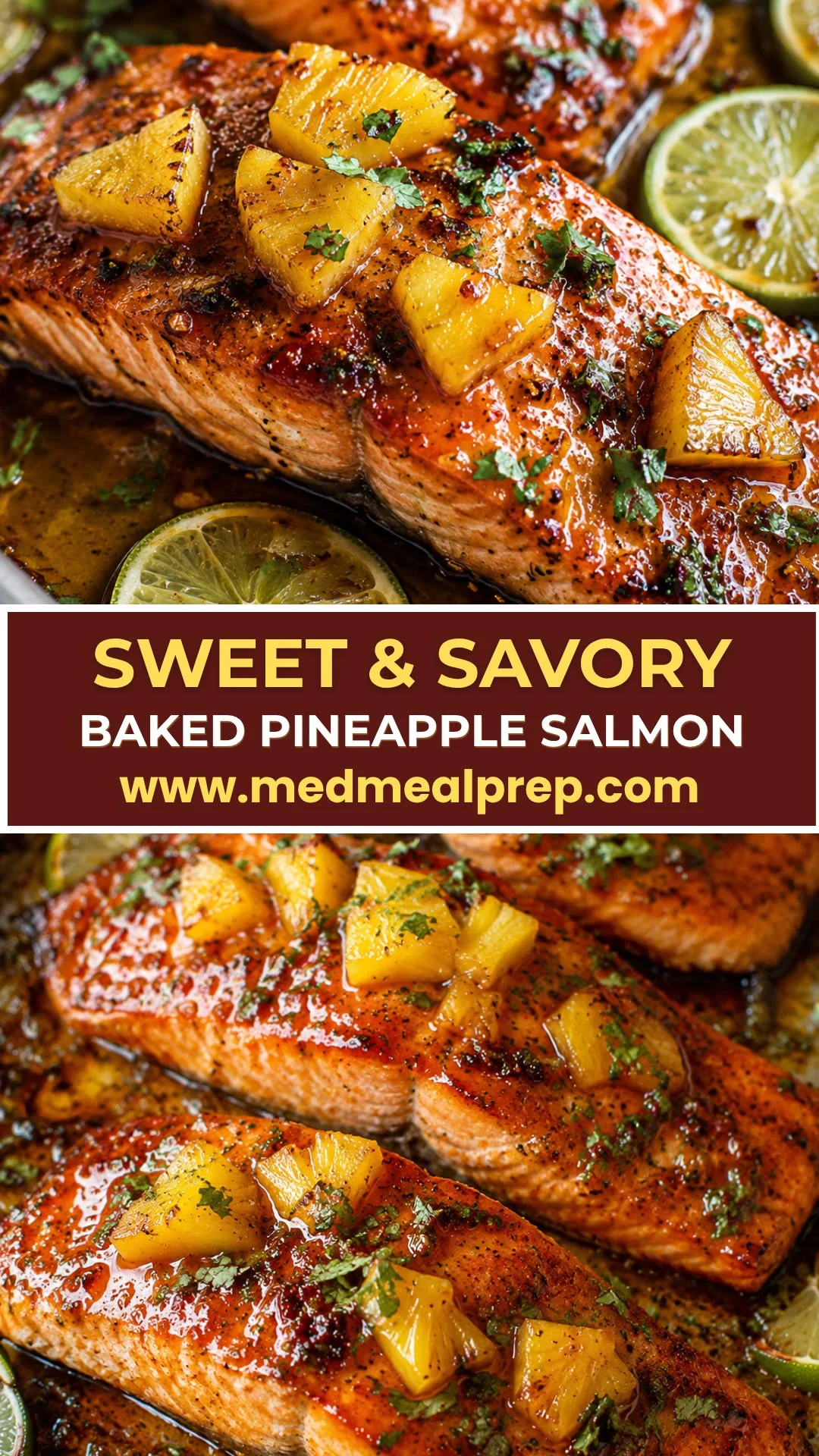
THE BEST N°1 Sweet & Savory Baked Pineapple Salmon | Easy Juicy Glazed Salmon Dinner You’ll Make Again
If you are looking for a dinner that feels special without requiring hours in the kitchen, this baked pineapple salmon is exactly what you need. The combination of sweet pineapple and savory glazed salmon creates a flavor profile that is bold, bright, and completely satisfying. This is the kind of meal that earns you compliments at the table every single time.
In this post, you will find everything you need to make this dish from start to finish. We cover the full ingredient list, a beginner-friendly step-by-step guide, batch prep strategies, health benefits rooted in Mediterranean eating, storage tips, and so much more.
Whether you are new to salmon or you cook it weekly, this recipe brings something fresh to the table. The glaze is simple, the bake time is short, and the results are absolutely juicy every time.
Table of Contents
Personal Note
The first time I made this baked pineapple salmon, I was trying to use up a can of crushed pineapple sitting in the back of my pantry. I had a beautiful piece of Atlantic salmon thawed in the fridge and about 30 minutes to pull dinner together. What came out of the oven that night became an instant household favorite.
Growing up with Mediterranean food values meant learning early that the best meals come from simple, quality ingredients layered with intention. You do not need a complicated sauce or a long ingredient list to create something memorable. A good piece of fish, a handful of pantry staples, and the right balance of sweet and savory is all it takes.
This recipe has become one of my most-loved weeknight meals, and I am genuinely excited to share it with you today. Once you try it, I think you will understand exactly why it keeps making it back onto the weekly rotation.
Origins of the Dish
Salmon has been a cornerstone of coastal and Mediterranean-inspired eating for centuries. While the Mediterranean Sea itself is not a primary salmon habitat, the broader Mediterranean diet framework has long embraced fatty fish as a primary protein source. Salmon, wild-caught and rich in omega-3 fatty acids, fits perfectly within this eating philosophy that prioritizes whole, nourishing foods over processed alternatives.
The tradition of pairing fish with fruit dates back to ancient culinary cultures around the Mediterranean basin. In North African and Middle Eastern cooking, citrus, pomegranate, and even figs have long been used to balance the richness of fish and meat dishes. The sweet-savory combination is not a modern trend – it is deeply rooted in how Mediterranean cooks have understood flavor balance for generations.
Pineapple as a glaze ingredient became more widely popularized through the fusion of tropical flavor profiles with Western cooking in the mid-20th century. However, the principle behind it – using natural fruit sugars to caramelize and tenderize protein – is ancient. Mediterranean cooks in coastal Spain, Southern France, and across the Levant have used similar techniques with local fruits for centuries. Pineapple simply brings a tropical brightness that works beautifully with the natural richness of salmon.
Today, this baked pineapple salmon represents a natural evolution of Mediterranean fish cookery. It honors the core values of the diet – high-quality protein, anti-inflammatory ingredients, and food that is made to be shared and enjoyed. The glaze technique of baking rather than frying aligns perfectly with the Mediterranean preference for lighter cooking methods that preserve both flavor and nutrition.
Why You’ll Love This Recipe
This glazed salmon dinner checks every box you want in a weeknight meal. It is fast, flavorful, nutritious, and incredibly easy to customize. Here is exactly why it deserves a permanent spot in your recipe rotation.
- Ready in under 30 minutes: From prep to plate, this meal comes together faster than most takeout orders.
- One pan, minimal cleanup: Everything bakes together on a single lined sheet pan, which means less time scrubbing dishes.
- Incredibly juicy texture: The pineapple glaze locks in moisture during baking, so you never end up with dry, chalky salmon.
- Bold sweet and savory flavor: The combination of pineapple, soy sauce, garlic, and honey creates a complex glaze that tastes like you worked much harder than you did.
- Naturally anti-inflammatory: Salmon, olive oil, garlic, and ginger all contribute powerful anti-inflammatory compounds that align with Mediterranean diet principles.
- Great for meal prep: This salmon stores and reheats beautifully, making it perfect for batch cooking at the start of the week.
- Family and crowd friendly: Even picky eaters tend to love this recipe because the sweetness of the pineapple glaze makes the fish approachable.
- Easily customizable: You can swap ingredients, adjust sweetness, or change up the toppings to fit your preferences and what you have on hand.
- Pairs well with almost everything: Serve it over rice, with roasted vegetables, on top of a grain salad, or alongside warm pita. It works with everything.
- Supports Mediterranean lifestyle goals: This recipe is naturally high in protein, healthy fats, and key micronutrients that support heart health and energy levels.
Health Benefits and Ingredient Highlights
Every ingredient in this baked pineapple salmon recipe was chosen with both flavor and nutrition in mind. The Mediterranean diet is not just about what tastes good – it is about building meals that fuel your body well. Here is a closer look at what makes each key ingredient so valuable.
Salmon
Salmon is one of the most nutrient-dense foods you can eat, and it sits at the heart of Mediterranean-style fish cookery. A single serving delivers a generous dose of protein alongside omega-3 fatty acids, specifically EPA and DHA, which are strongly linked to reduced inflammation, improved heart health, and better brain function.
Salmon is also an excellent source of vitamin D, vitamin B12, selenium, and potassium. These nutrients work together to support immune function, energy metabolism, and bone health. In the context of the Mediterranean diet, eating fatty fish like salmon at least twice per week is one of the most well-supported dietary recommendations for longevity.
The natural fat content in salmon also helps your body absorb fat-soluble vitamins from the other ingredients in this meal, including the garlic and any vegetables you serve alongside it. You are not just eating protein – you are supporting a whole cascade of nutritional benefits.
Pineapple
Pineapple brings more than sweetness to this dish. It contains bromelain, a natural enzyme with well-documented anti-inflammatory and digestive benefits. In Mediterranean cooking traditions that embrace fruit in savory dishes, the choice of pineapple here fits perfectly because it does real nutritional work, not just flavor work.
Pineapple is also a good source of vitamin C, manganese, and several B vitamins. The natural sugars in pineapple caramelize beautifully in the oven, creating that sticky, golden glaze on the salmon without needing refined sugar or artificial ingredients.
The acidity in pineapple juice also acts as a gentle tenderizer for the salmon, helping to keep the flesh moist and flaky during the baking process. This is why the texture of this dish is so consistently good – the pineapple is doing multiple jobs at once.
Garlic
Garlic is one of the most beloved ingredients in Mediterranean cooking, and for very good reason. It contains allicin, a sulfur compound that has been shown in research to support cardiovascular health, reduce blood pressure, and offer antimicrobial properties. Fresh garlic in the glaze adds a pungent depth that balances the sweetness of the pineapple perfectly.
Beyond its cardiovascular benefits, garlic is also a prebiotic food, meaning it feeds the beneficial bacteria in your gut. A healthy gut microbiome is increasingly linked to everything from immune function to mental clarity, making garlic a small but mighty addition to any meal.
Olive Oil
Extra virgin olive oil is the foundation of Mediterranean cooking and one of the most studied foods in nutritional science. It is rich in oleocanthal, a polyphenol with anti-inflammatory properties comparable to low doses of ibuprofen according to some research. Using olive oil in this recipe – even a light drizzle before baking – contributes these protective compounds to your meal.
Olive oil also contributes healthy monounsaturated fats that help keep you full, support healthy cholesterol levels, and improve the absorption of fat-soluble nutrients. It adds a subtle richness to the glaze and helps the salmon develop a beautiful golden color in the oven.
Honey
Raw honey adds natural sweetness to the glaze while also bringing antimicrobial and antioxidant properties. Unlike refined sugar, raw honey contains trace minerals, enzymes, and antioxidants that offer a small but meaningful nutritional advantage. In Mediterranean cooking, honey has been used as a natural sweetener for thousands of years.
In this recipe, honey helps the glaze thicken and caramelize properly in the oven. It also contributes a floral undertone that layers beautifully with the pineapple and garlic without overpowering the natural flavor of the salmon.
Ginger
Fresh or ground ginger adds a warm, slightly spicy note to the glaze that complements both the sweetness of the pineapple and the richness of the salmon. Ginger contains gingerols and shogaols, bioactive compounds with potent anti-inflammatory and antioxidant effects. It has long been used in Mediterranean-adjacent cuisines across the Middle East and North Africa for both flavor and its medicinal properties.
Ginger also supports healthy digestion and has been shown in research to help reduce nausea and muscle soreness. Adding it to your glaze means you are getting real functional benefits from a small amount of a simple spice.
Low-Sodium Soy Sauce
Soy sauce brings the savory, umami backbone to the sweet pineapple glaze. Using a low-sodium version keeps the salt content in check while still delivering that deep, fermented flavor that makes the glaze taste complex and well-rounded. Umami is an important flavor dimension in Mediterranean cooking, typically achieved through ingredients like olives, capers, and aged cheeses.
In this recipe, soy sauce plays the same balancing role, cutting through the sweetness and adding a depth of flavor that makes the glaze taste layered rather than one-dimensional. If you prefer to keep things grain-free, tamari or coconut aminos are excellent swaps that work just as well.
Ingredients
This ingredient list is straightforward, and most of what you need is probably already in your kitchen. All quantities are based on a serving size of 4 people.
- 4 salmon fillets, about 6 oz each (skin-on or skinless, wild-caught preferred)
- 1 cup crushed pineapple, canned in juice – not syrup (or fresh pineapple blended smooth)
- 3 tablespoons low-sodium soy sauce (or tamari for gluten-free, or coconut aminos for grain-free)
- 2 tablespoons raw honey (or maple syrup for vegan version)
- 3 cloves garlic, minced (or 1 teaspoon garlic powder in a pinch)
- 1 teaspoon fresh ginger, grated (or 1/2 teaspoon ground ginger)
- 1 tablespoon extra virgin olive oil
- 1 teaspoon rice vinegar (or fresh lemon juice as a substitute)
- 1/2 teaspoon red pepper flakes (optional, for heat)
- Salt and black pepper to taste
- Fresh parsley or cilantro for garnish (optional)
- Pineapple rings or chunks for topping (optional but highly recommended for presentation)
- Sesame seeds for garnish (optional)
- Lemon or lime wedges for serving
Step-by-Step Instructions
Follow these steps carefully and you will have a perfectly glazed, juicy baked pineapple salmon ready in about 25 minutes. Each step is written to be as clear as possible so even beginner cooks can feel confident.
- Preheat your oven to 400°F (200°C). Line a large baking sheet with parchment paper or aluminum foil for easy cleanup. Lightly coat the surface with a small spray of olive oil or a brush of oil to prevent sticking.
- Make the pineapple glaze. In a medium mixing bowl, combine the crushed pineapple, low-sodium soy sauce, honey, minced garlic, grated ginger, olive oil, rice vinegar, and red pepper flakes if using. Whisk everything together until well combined and slightly uniform in texture.
- Taste and adjust the glaze. Give the glaze a quick taste before it hits the fish. If you want it sweeter, add a little more honey. If you want more savory depth, add a splash more soy sauce. This is your chance to dial in the flavor before it goes on the salmon.
- Prepare the salmon fillets. Pat each salmon fillet completely dry with paper towels – this step is critical for getting a good glaze to stick and for achieving any caramelization. Season both sides lightly with salt and black pepper.
- Place salmon on the prepared baking sheet. Arrange the fillets skin-side down (if using skin-on) with a little space between each one. Crowding the pan traps steam and prevents caramelization, so give each piece room.
- Spoon the glaze generously over each fillet. Use a spoon or brush to coat the top and sides of each salmon piece with a thick, even layer of the pineapple glaze. Reserve about a quarter of the glaze for basting halfway through cooking.
- Add pineapple rings or chunks around the salmon. If you are using fresh pineapple slices or rings, arrange them alongside and slightly over the salmon now. They will caramelize in the oven and add a beautiful presentation element as well as concentrated flavor.
- Bake for 12-15 minutes. Place the pan in the center rack of your preheated oven. Bake until the salmon is mostly cooked through and the glaze is starting to bubble and brown around the edges.
- Baste and broil for 2-3 minutes. Remove the pan from the oven and spoon or brush the reserved glaze over the salmon. Then switch your oven to broil on high and return the pan to the oven for 2-3 minutes, watching carefully. This step creates that gorgeous caramelized, sticky top layer.
- Check for doneness. The salmon is done when it flakes easily with a fork and the internal temperature reads 125-130°F (52-54°C) for medium or 145°F (63°C) for well done. The center should look just barely opaque for the juiciest result.
- Rest the salmon for 2-3 minutes. Remove from the oven and let the fillets rest on the pan for a few minutes before serving. This allows the juices to redistribute and makes slicing or plating much easier.
- Garnish and serve. Top with fresh chopped parsley or cilantro, a sprinkle of sesame seeds, and a wedge of lemon or lime on the side. Serve immediately over rice, alongside roasted vegetables, or on top of a Mediterranean grain salad. Mediterranean Grain Bowl Recipe
Make It Ahead and Batch Prep Guide
This baked pineapple salmon is one of the most meal-prep-friendly fish recipes you can make. Unlike many fish dishes that lose quality quickly, this salmon holds up surprisingly well in the fridge thanks to the protective moisture layer created by the pineapple glaze. If you are cooking for the week, this is a recipe worth doubling.
To batch prep, simply scale the recipe up to however many servings you need. You can bake two full sheet pans at once – just rotate them halfway through baking to ensure even cooking. Once baked, allow all fillets to cool completely at room temperature before portioning them into airtight meal prep containers. Divide your sides into the same containers for grab-and-go lunches or dinners throughout the week.
You can also prepare the glaze up to 5 days ahead of time and store it separately in a sealed jar in the refrigerator. When you are ready to cook, simply thaw your salmon if needed, pat it dry, glaze it, and bake. This shaves meaningful time off the cooking process on busy weeknights and makes the entire process feel effortless.
For those who prefer to prep uncooked, you can marinate the salmon fillets in the pineapple glaze for up to 2 hours in the refrigerator before baking. Do not marinate longer than 2 hours because the acidity from the pineapple will begin to chemically “cook” the fish, which affects the final texture. A short marinade adds incredible flavor depth without compromising the integrity of the fillets. Mediterranean Meal Prep Beginner’s Guide
Common Mistakes to Avoid
Even simple recipes have common pitfalls. Avoid these mistakes and your baked pineapple salmon will come out perfectly every single time.
- Not drying the salmon before glazing: Skipping the pat-dry step means your glaze will slide right off instead of clinging to the fish. Always use paper towels to remove surface moisture before applying any coating or sauce.
- Using pineapple canned in heavy syrup: Pineapple packed in syrup contains significantly more sugar, which can cause the glaze to burn before the salmon is fully cooked. Always use pineapple canned in its own juice or use fresh pineapple.
- Overcooking the salmon: Salmon continues to cook slightly after you remove it from the oven due to residual heat. Pull it out when it still looks just barely translucent in the very center for the juiciest result. Overcooking leads to that chalky, dry texture nobody wants.
- Skipping the broil step: The brief broil at the end is what creates the caramelized, sticky glaze on the surface of the fish. If you skip it, you will have a nice baked salmon but without that restaurant-quality finish that makes this recipe special.
- Crowding the baking pan: If the salmon pieces are too close together, steam gets trapped and the fish steams instead of bakes. Use a large pan or two separate pans and give each fillet breathing room.
- Marinating too long: As mentioned, the pineapple’s bromelain enzyme actively breaks down protein. Marinating overnight or for many hours will result in mushy salmon rather than tender, flaky fish. Two hours is the maximum for marinating.
Notes, Tips and Variations
Substitutions
This recipe is very forgiving when it comes to swaps. If you do not have salmon, you can use this exact same glaze on other firm, fatty fish like mahi-mahi, halibut, cod, or even rainbow trout. The cooking time may vary slightly depending on the thickness of the fillet, so always use a thermometer to check doneness rather than relying on time alone.
For the soy sauce, tamari is a perfect gluten-free alternative with nearly identical flavor. Coconut aminos work well for those avoiding soy and offer a slightly sweeter, milder taste that complements the pineapple glaze beautifully. For the honey, pure maple syrup or agave nectar are both excellent substitutes that maintain the glaze consistency and add their own subtle flavor notes.
Dietary Variations
To make this recipe fully vegan, swap the salmon for thick slabs of marinated tofu, portobello mushroom caps, or even firm cauliflower steaks. Use maple syrup in place of honey and coconut aminos instead of soy sauce. The pineapple glaze works beautifully on plant-based proteins, and the cooking method stays exactly the same.
For a lower-carb version, omit the honey and replace it with a few drops of liquid stevia or monk fruit sweetener. The pineapple still provides natural sweetness and the caramelization still occurs because of its natural fruit sugars. Serve the salmon over cauliflower rice or alongside a simple Mediterranean cucumber and tomato salad to keep carbs minimal while staying completely satisfying.
Cooking Tips
If you prefer a thicker, more concentrated glaze, transfer the pineapple mixture to a small saucepan and simmer it over medium heat for 5-7 minutes before applying it to the salmon. This reduces the liquid and intensifies the flavor significantly. It also makes the glaze stickier and more adhesive so it coats the fish even better during baking.
For the best flavor and nutrition, choose wild-caught salmon whenever possible. Wild salmon tends to have a more robust flavor, firmer texture, and higher omega-3 content compared to farmed varieties. If your budget requires farmed salmon, look for responsibly farmed options certified by the Aquaculture Stewardship Council. Either way, this glaze makes any quality salmon taste exceptional.
Topping Ideas and Flavor Boosters
One of the best things about this baked pineapple salmon is how easily you can customize it with different toppings and finishing touches. Here are more than ten ideas to keep things exciting every time you make it.
- Toasted sesame seeds: Add a nutty crunch and visual appeal with a sprinkle of white or black sesame seeds right before serving.
- Sliced green onions: Fresh scallions added after baking bring a mild onion flavor and a pop of green color to the plate.
- Crushed red chili flakes: For those who love heat, a pinch of dried chili flakes on top of the finished salmon adds a satisfying kick without overpowering the glaze.
- Fresh cilantro leaves: A handful of fresh cilantro brightens the whole dish and pairs beautifully with the tropical pineapple flavor.
- Lime zest: Grating a little fresh lime zest over the salmon right before serving adds a citrusy brightness that wakes up all the other flavors.
- Caramelized pineapple slices: If you broil extra pineapple rings alongside the salmon, you can layer them directly on top of the fillet for a gorgeous presentation and extra tropical flavor.
- Drizzle of sriracha or chili oil: A thin drizzle of sriracha or a good chili-infused olive oil over the top adds heat and richness in one move.
- Chopped macadamia nuts: A small handful of roughly chopped macadamia nuts scattered over the salmon adds a buttery crunch and an upscale feel to the dish.
- Fresh mango salsa: A simple salsa made with diced mango, red onion, jalapeño, and lime juice spooned over the salmon creates a vibrant, tropical finish.
- Pickled red onions: The acidity and tang of quick-pickled red onions cut beautifully through the richness of the salmon and the sweetness of the pineapple glaze.
- Shredded coconut, toasted: A light sprinkle of toasted shredded coconut leans into the tropical theme and adds a subtle sweetness and texture contrast.
- Tahini drizzle: A thin drizzle of tahini mixed with a little lemon juice and water brings a nutty, creamy Mediterranean element that works surprisingly well with the pineapple glaze.
Who This Recipe Is For
This baked pineapple salmon recipe is designed to fit into a wide range of lifestyles and cooking comfort levels. Here is a quick look at who will benefit most from adding this dish to their regular rotation.
- Mediterranean diet followers who want a fish recipe that goes beyond plain grilled salmon and still honors the principles of the lifestyle.
- Busy weeknight cooks who need dinner on the table in 30 minutes or less without sacrificing quality or nutrition.
- Beginner cooks who are just learning their way around fish and want a forgiving, foolproof recipe to build confidence in the kitchen.
- Meal preppers who want a protein-forward main dish that holds well in the fridge and reheats without becoming dry or rubbery.
- Health-conscious eaters who want a meal that is high in protein, rich in anti-inflammatory omega-3s, and naturally sweetened without processed sugar.
- Parents who struggle to get kids interested in eating fish, because the sweet pineapple glaze makes this salmon genuinely kid-friendly.
- Anyone eating gluten-free who needs a flavorful, satisfying dinner that does not require complicated substitutions or specialty products.
- Entertaining hosts who want a show-stopping fish dish that looks impressive but is secretly very simple to pull together.
- Fitness-focused individuals who need a high-protein, lower-calorie meal that supports muscle recovery and sustained energy.
Storage and Meal Prep Tips
Refrigerator
Store leftover baked pineapple salmon in airtight containers in the refrigerator for up to 3 days. Make sure the salmon has cooled completely before sealing the containers to prevent condensation from building up inside, which can make the fish watery and dilute the glaze.
For best results, store the salmon separately from any rice or vegetables you plan to serve it with. This keeps everything fresher and gives you more flexibility when assembling meals throughout the week. Label each container with the date so you always know exactly what you have on hand.
Freezer
This salmon freezes reasonably well, though the texture will be slightly softer after thawing compared to freshly baked. To freeze, wrap each cooked fillet individually in plastic wrap, then place them in a freezer-safe zip-lock bag with the air pressed out. Properly stored, frozen cooked salmon will last up to 2 months.
To thaw, move the frozen fillets from the freezer to the refrigerator the night before you plan to eat them. Avoid thawing at room temperature, which can create food safety issues and lead to uneven texture. Once thawed, reheat gently using one of the methods described below.
Reheating
The best way to reheat this salmon is in the oven at a low temperature. Place the fillets on a foil-lined baking sheet, cover loosely with another piece of foil, and warm at 275°F (135°C) for about 10-12 minutes. The low temperature preserves moisture and keeps the fish from drying out or becoming rubbery.
You can also reheat the salmon in a skillet over medium-low heat with a small splash of water or broth in the pan. Cover with a lid and heat for 3-4 minutes until warmed through. If you are in a hurry, the microwave works fine on 50% power in 30-second intervals – just be careful not to overheat, as salmon becomes tough very quickly in the microwave. Best Ways to Reheat Fish Without Drying It Out
Nutrition Facts
The following nutritional information is estimated per serving based on one 6-oz salmon fillet with glaze. Exact values may vary depending on the specific brands and ingredients you use.
| Nutrient | Per Serving |
|---|---|
| Calories | 320 kcal |
| Protein | 38g |
| Total Carbohydrates | 16g |
| Total Fat | 12g |
| Saturated Fat | 2g |
| Dietary Fiber | 1g |
| Total Sugar | 12g |
| Sodium | 480mg |
| Omega-3 Fatty Acids | 2,200mg |
| Vitamin D | 15mcg (75% DV) |
| Vitamin C | 14mg (16% DV) |
FAQs
Can I use frozen salmon for this recipe?
Yes, absolutely. Just make sure the salmon is fully thawed before you start. Thaw it overnight in the refrigerator for the best texture, or use the cold water method by placing the sealed fillets in a bowl of cold water for about an hour. Pat the thawed fillets very thoroughly dry before glazing – frozen salmon tends to release more moisture, so this step is especially important for getting the glaze to stick and caramelize properly.
How do I know when the salmon is done baking?
The most reliable way to check salmon doneness is with an instant-read thermometer. For a medium, juicy result, pull the salmon from the oven when the thickest part reads 125-130°F (52-54°C). For fully cooked salmon, aim for 145°F (63°C). If you do not have a thermometer, gently press the thickest part with a fork – perfectly cooked salmon will flake apart easily and the center should look just barely opaque rather than translucent or glassy.
Can I make the pineapple glaze in advance?
Yes, and it is highly recommended as a time-saver. The glaze can be made up to 5 days ahead and stored in a sealed jar or airtight container in the refrigerator. The flavors actually deepen a little as it sits, making the glaze even more flavorful when you are ready to use it. Give it a good stir before applying it to the salmon, as some ingredients may settle slightly during storage.
Is this recipe suitable for the Mediterranean diet?
Yes, this baked pineapple salmon fits beautifully within Mediterranean diet principles. The recipe is centered on fatty fish, which is one of the primary protein sources recommended in the Mediterranean eating pattern. The glaze uses olive oil, garlic, ginger, and natural sweeteners – all of which align with whole-food Mediterranean ingredients. The dish is naturally low in saturated fat, high in healthy omega-3s, and free from processed ingredients.
What are the best sides to serve with pineapple salmon?
This salmon is incredibly versatile and pairs well with a wide range of sides. For a full Mediterranean meal, try serving it over herbed brown rice or farro, alongside roasted asparagus or zucchini, or on top of a simple arugula salad with lemon vinaigrette. It also pairs beautifully with warm whole grain pita, roasted sweet potatoes, or a classic Mediterranean cucumber and tomato salad tossed with olive oil and fresh herbs. The sweet-savory glaze complements almost any side you pair it with.
Conclusion
This baked pineapple salmon is proof that eating well within a Mediterranean lifestyle does not have to mean plain or boring food. The combination of sweet caramelized pineapple, savory garlic and soy, and perfectly flaky salmon creates a dish that is genuinely exciting – every single time. It is the kind of recipe that makes you look forward to cooking during the week rather than dreading it.
Whether you are making this for a weeknight family dinner, batch prepping lunches for the week, or impressing guests at a casual dinner gathering, this recipe delivers consistently delicious results with very little effort. The ingredients are affordable, the steps are simple, and the final product is something you will genuinely be proud to put on the table.
Go ahead and try it this week. Make the glaze ahead of time, grab some quality salmon, and give yourself permission to cook something that is both good for you and genuinely enjoyable. Once you taste that first bite of perfectly glazed, juicy baked pineapple salmon, you will understand why this recipe earns its permanent place in your Mediterranean meal prep rotation.