THE BEST N°1 Caramelized Fig New Year Layer Cake – Easy Celebration Recipe
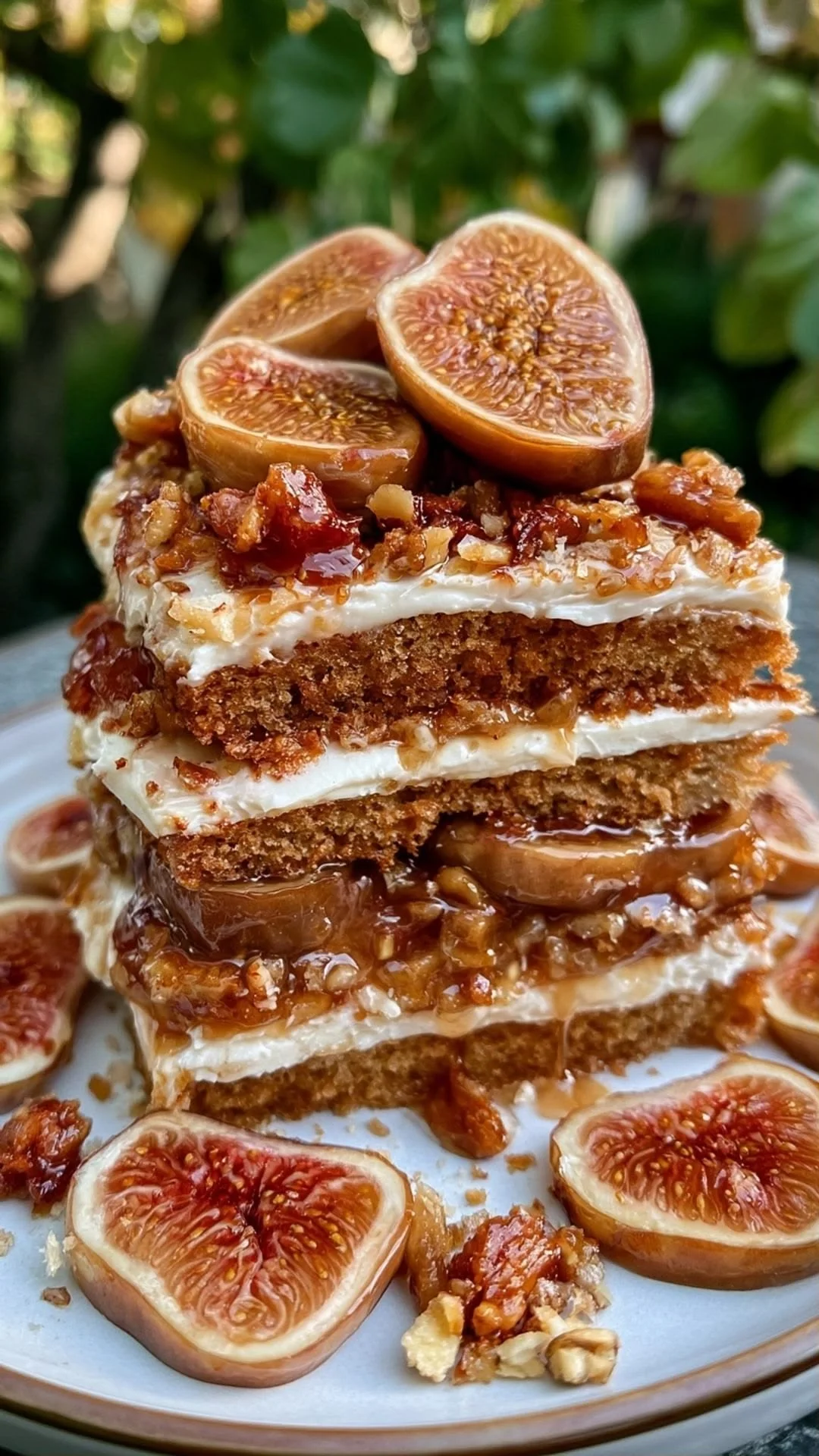
If you’re looking for a stunning showstopper dessert to ring in the new year, this Caramelized Fig New Year Layer Cake is exactly what your celebration table needs. It’s elegant, deeply flavorful, and surprisingly simple to pull together even if you’re not a professional baker.
This recipe layers moist vanilla sponge cake with luscious caramelized figs, whipped mascarpone frosting, and a golden honey drizzle that makes every slice look like it came from a fancy patisserie. You’ll be amazed at how approachable the whole process really is.
In this post, you’ll find everything you need – from the full ingredient list and step-by-step instructions to make-ahead tips, storage advice, and answers to common questions. Let’s make your New Year’s celebration unforgettable.
Table of Contents
Personal Note
I’ve always believed that the best celebration cakes don’t have to be complicated. They just need the right combination of flavors that feel special, seasonal, and a little bit indulgent.
The first time I made this caramelized fig layer cake, it was for a small New Year’s Eve gathering at home. I wanted something that looked impressive but didn’t require me to spend all day in the kitchen stressing over fondant or piping techniques. This cake was the answer.
What I love most about this recipe is how the warm, jammy figs pair with the cool, airy mascarpone cream. It’s the kind of dessert that makes people stop mid-conversation just to say “this is incredible.” And you made it – easily, at home, without any fancy equipment.
Origins of the Dish
Figs have been celebrated in baking and cooking for thousands of years. They are one of the oldest cultivated fruits in human history, with evidence of fig cultivation dating back over 11,000 years in the Jordan Valley. Throughout ancient civilizations in Greece, Rome, and Egypt, figs were prized for their natural sweetness and long shelf life.
In European baking traditions – particularly in French, Italian, and Spanish pastry culture – figs became a beloved ingredient for tarts, cakes, and holiday confections. The technique of caramelizing figs in butter and sugar is rooted in classic French cooking, where the goal is always to deepen the natural flavor of the fruit and create a rich, sticky glaze that elevates any dessert.
Layer cakes as a celebration centerpiece became popular in the 19th century, particularly in American baking culture. As home ovens became more reliable, bakers began stacking multiple cake layers with cream, jam, and fruit fillings to create visually stunning desserts for birthdays, holidays, and New Year’s parties. The combination of caramelized fruit and layered cake felt like a natural evolution of these two beloved traditions.
Today, the caramelized fig layer cake has become a favorite among home bakers who want to impress guests without overly complicated techniques. The marriage of seasonal figs with a classic vanilla sponge and whipped mascarpone frosting represents easy baking at its most elegant. It’s a recipe built on simple steps and incredible results – which is exactly what easy celebration baking is all about.
Why You’ll Love This Recipe
This isn’t just a beautiful cake – it’s one of those recipes that checks every single box. Here’s why this Caramelized Fig New Year Layer Cake deserves a permanent spot in your celebration baking rotation.
- Beginner-friendly: No special equipment needed beyond two round cake pans and a hand or stand mixer.
- Stunning presentation: The caramelized fig topping creates a naturally gorgeous, rustic-elegant look with zero decorating skills required.
- Make-ahead friendly: You can prep the cake layers, the caramelized figs, and the frosting in advance and assemble right before serving.
- Crowd-pleasing flavor: The combination of warm caramelized figs, honey, and mascarpone cream is universally loved by adults and kids alike.
- Seasonal and festive: Figs are perfectly suited to winter celebrations, giving the cake a warm, cozy flavor profile that feels right for New Year’s.
- Customizable: You can easily swap the frosting, add different spices, or adjust the sweetness level to suit your preferences.
- No fancy ingredients: Everything you need is available at your local grocery store or online.
- Scales easily: You can make this as a two-layer, three-layer, or even a single-layer sheet cake depending on your guest count.
- Photographable: This cake is an absolute dream to photograph for social media – golden figs, dripping honey, and creamy white frosting are incredibly photogenic.
- Unforgettable taste: The caramelized figs develop a deep, jammy sweetness that you just cannot get from plain fresh fruit – it makes this cake truly special.
Health Benefits and Ingredient Highlights
Even in a celebration dessert, the ingredients you choose matter. Here’s a closer look at the key components of this cake and what they bring to the table – both in terms of flavor and nutrition.
Fresh Figs
Fresh figs are naturally sweet and loaded with dietary fiber, which supports healthy digestion. They also contain vitamins B6 and K, along with minerals like potassium and magnesium.
When you caramelize figs, their natural sugars concentrate and intensify, meaning you need less added sugar to achieve a deeply sweet, complex flavor. This makes caramelized figs a smarter way to sweeten your dessert without piling on refined sugar.
Figs also contain antioxidants that help protect your cells from oxidative stress. Using fresh, ripe figs in this recipe means you’re getting maximum flavor and nutritional value in every bite.
Mascarpone Cheese
Mascarpone is an Italian cream cheese with a rich, buttery flavor and a naturally thick texture. It’s the secret to a frosting that holds its shape beautifully without feeling too sweet or overly heavy.
It provides a good source of calcium and fat-soluble vitamins like A and D. The fat content in mascarpone actually helps the frosting feel silky and satisfying with smaller portions.
Unlike buttercream frosting, mascarpone whipped cream has a lighter mouthfeel and a subtle tangy note that balances the sweetness of the caramelized figs perfectly. It makes the whole cake feel indulgent but not cloying.
Raw Honey
Raw honey adds a floral sweetness that complements the figs beautifully. It’s also slightly lower on the glycemic index compared to refined white sugar, so it delivers sweetness with a gentler blood sugar response.
Honey contains trace amounts of antioxidants, enzymes, and amino acids. When drizzled over the finished cake, it adds a gorgeous visual shine as well as a natural, clean sweetness that ties all the flavors together.
Butter
Real butter is essential for both the cake layers and the caramelized figs. It creates a tender crumb in the sponge and helps the figs develop their golden, sticky caramel coating in the pan.
Butter also contains butyrate, a short-chain fatty acid that supports gut health. Using high-quality, unsalted butter gives you full control over the flavor and salt level of your cake.
Eggs
Eggs are the structural backbone of any layer cake. They provide protein, fat, and emulsifying properties that help the cake hold its shape and develop a light, airy crumb.
Eggs are also one of the best dietary sources of choline, a nutrient that supports brain function and liver health. Using room-temperature eggs in your batter helps them incorporate more evenly, resulting in a smoother, more uniform cake texture.
Vanilla Extract
Pure vanilla extract gives the cake layers a warm, classic flavor that lets the caramelized figs take center stage. It’s a simple ingredient that adds enormous depth to the overall flavor profile.
Vanilla also contains small amounts of antioxidants derived from vanillin, the primary compound responsible for its signature aroma. Always use pure vanilla extract rather than artificial vanilla flavoring for the best taste in a celebration cake like this one.
Ingredients
Here’s everything you need to make this Caramelized Fig New Year Layer Cake from scratch. This recipe makes a two-layer, 9-inch round cake that serves 12 generously.
For the Cake Layers
- 2 and 1/2 cups (315g) all-purpose flour (substitute: 1-to-1 gluten-free baking flour for a gluten-free version)
- 2 and 1/2 teaspoons baking powder
- 1/2 teaspoon fine sea salt
- 1 cup (225g) unsalted butter, softened to room temperature
- 1 and 3/4 cups (350g) granulated sugar (substitute: coconut sugar for a less refined option)
- 4 large eggs, at room temperature
- 2 teaspoons pure vanilla extract
- 1 cup (240ml) whole milk, at room temperature (substitute: oat milk or almond milk for dairy-free)
- 1/4 cup (60ml) sour cream (substitute: full-fat Greek yogurt)
For the Caramelized Figs
- 12 to 14 fresh figs, halved lengthwise (substitute: dried figs soaked in warm water for 20 minutes if fresh are unavailable)
- 3 tablespoons (42g) unsalted butter
- 3 tablespoons (40g) light brown sugar, packed
- 2 tablespoons raw honey
- 1 teaspoon pure vanilla extract
- 1/4 teaspoon ground cinnamon
- Pinch of fine sea salt
For the Mascarpone Whipped Cream Frosting
- 2 cups (480ml) heavy whipping cream, very cold
- 8 oz (225g) mascarpone cheese, at room temperature
- 1/2 cup (60g) powdered sugar, sifted
- 1 teaspoon pure vanilla extract
- Pinch of fine sea salt
For Finishing and Garnish
- 2 tablespoons raw honey, for drizzling
- Fresh thyme sprigs (optional, for garnish)
- Flaky sea salt (optional, for a sweet-salty finish)
- Crushed pistachios or toasted walnuts (optional, for crunch)
Step-by-Step Instructions
Follow these steps carefully and you’ll have a gorgeous, celebration-worthy Caramelized Fig New Year Layer Cake ready to serve. Each step is written to be clear and beginner-friendly.
Prepare Your Pans and Oven
- Preheat your oven to 350°F (175°C). Grease two 9-inch round cake pans with butter, then line the bottoms with parchment paper circles and grease the parchment as well. This prevents sticking and ensures your cake layers release cleanly.
Make the Cake Batter
- In a medium bowl, whisk together the flour, baking powder, and salt. Set aside. This ensures your dry ingredients are evenly distributed before they hit the wet mixture.
- In a large bowl or the bowl of a stand mixer, beat the softened butter and granulated sugar together on medium-high speed for 4 to 5 minutes until the mixture is very light, pale, and fluffy. Don’t rush this step – proper creaming is what gives your cake a tender, airy texture.
- Add the eggs one at a time, beating well after each addition. Then add the vanilla extract and mix until fully incorporated. If the mixture looks slightly curdled, don’t worry – it will smooth out once you add the flour.
- Combine the milk and sour cream in a small bowl or measuring cup and stir together. Add the dry ingredients to the butter mixture in three additions, alternating with the milk mixture, beginning and ending with the flour. Mix on low speed just until each addition is combined – do not overmix or the cake will be dense and tough.
- Divide the batter evenly between the two prepared cake pans, smoothing the tops with a spatula. Tap the pans gently on the counter a few times to release any large air bubbles trapped in the batter.
Bake the Cake Layers
- Bake the cakes in the preheated oven for 30 to 35 minutes, or until a toothpick inserted in the center comes out clean or with just a few moist crumbs attached. The tops should be lightly golden and spring back gently when touched.
- Remove the cakes from the oven and let them cool in the pans for 15 minutes. Then run a thin knife around the edges and carefully invert them onto a wire cooling rack. Allow the cakes to cool completely – at least 1 hour – before frosting. Frosting a warm cake will cause the mascarpone cream to melt and slide off.
Caramelize the Figs
- Melt the butter in a large, wide skillet over medium heat. Add the brown sugar and stir to combine. Let the mixture bubble and cook for about 1 minute until it starts to smell caramel-like and turns a shade darker. This is the base of your caramel coating for the figs.
- Place the fig halves cut-side down in the skillet in a single layer. Cook undisturbed for 2 to 3 minutes until the figs develop a golden caramel color on the cut side. You’ll be able to smell the sugar cooking around the figs – that’s exactly what you want.
- Carefully flip the figs to cut-side up. Drizzle the honey over the figs, add the vanilla extract and cinnamon, and cook for another 1 to 2 minutes. Remove from heat and let cool to room temperature before using. If you add hot caramelized figs to the frosting, it will cause the cream to break down.
Make the Mascarpone Frosting
- In a large bowl, whisk the mascarpone cheese with the powdered sugar, vanilla extract, and pinch of salt until smooth and creamy. Use a hand mixer or stand mixer on medium speed for the best results. Make sure the mascarpone is at room temperature so it blends without lumps.
- In a separate chilled bowl, whip the cold heavy cream on medium-high speed until it reaches medium-stiff peaks. The cream must be very cold – you can even chill your bowl in the freezer for 10 minutes before whipping to help it hold volume.
- Gently fold the whipped cream into the mascarpone mixture in two additions, using a rubber spatula and a light folding motion. Do not stir vigorously or you will deflate the cream and lose the airy texture. The finished frosting should be thick, fluffy, and hold soft peaks.
Assemble the Cake
- Place one cooled cake layer on a cake board or serving plate. If the layers have domed on top, use a serrated knife to gently level them so the cake stacks flat and doesn’t lean. Spread about one-third of the mascarpone frosting over the first layer in an even layer.
- Arrange some of the cooled caramelized figs over the frosting layer, placing them cut-side up and pressing gently so they nestle into the cream. Drizzle a small amount of the caramel juices from the skillet over the figs for extra flavor.
- Place the second cake layer on top and press down gently to secure it. Spread the remaining frosting over the top and sides of the cake, using a palette knife or the back of a spoon to create a rustic, slightly textured finish. You don’t need a perfectly smooth finish – the rustic look is part of this cake’s charm.
- Arrange the remaining caramelized figs artfully on top of the cake. Drizzle generously with raw honey, add a few fresh thyme sprigs if using, and finish with a pinch of flaky sea salt and crushed pistachios if desired. Refrigerate for at least 30 minutes before slicing to help the frosting set and the layers hold together cleanly.
Make It Ahead and Batch Prep Guide
One of the best things about this Caramelized Fig New Year Layer Cake is how well it lends itself to advance preparation. When you’re hosting a party, the last thing you want is to be baking and assembling a cake while your guests are arriving. Breaking the process into stages makes everything stress-free.
You can bake the cake layers up to 2 days ahead of time. Once they are fully cooled, wrap each layer tightly in plastic wrap and store at room temperature if your kitchen is cool, or refrigerate them. Bring them back to room temperature before assembling so the frosting spreads smoothly without tearing the cake.
The caramelized figs can be made up to 3 days in advance and stored in an airtight container in the refrigerator. When you’re ready to use them, let them come to room temperature or warm them very briefly in a skillet over low heat. This refreshes their texture and brings out the caramel glaze again beautifully.
The mascarpone frosting can be made up to 24 hours ahead and kept refrigerated in an airtight container. Give it a brief, gentle stir before using. If it seems a little stiff after refrigerating, let it sit at room temperature for 10 minutes and fold it gently with a spatula to restore its creamy consistency. For a full party timeline, bake the cake layers on Day 1, prep the figs and frosting on Day 2, and assemble and refrigerate the finished cake on the morning of your celebration.
Common Mistakes to Avoid
Even easy recipes have a few pitfalls. Here are the most common mistakes bakers make with this cake and how to avoid them every time.
- Using cold butter for the batter: Cold butter won’t cream properly with the sugar, resulting in a dense, greasy cake instead of a light, fluffy one. Always bring your butter to room temperature – about 65°F to 68°F – before starting. It should leave an indent when you press it with your finger but not be melty or shiny.
- Overmixing the batter after adding flour: Once the flour goes in, mixing too long develops gluten and makes the cake tough and rubbery. Mix only until the flour just disappears into the batter, then stop immediately.
- Using warm caramelized figs on the frosting: Adding hot or even warm figs to mascarpone cream causes it to melt and become soupy. Always let your caramelized figs cool completely to room temperature before placing them on the frosted cake.
- Whipping cold mascarpone with the cream: Cold mascarpone straight from the fridge tends to clump and doesn’t blend smoothly into the frosting. Let it sit at room temperature for 20 to 30 minutes before mixing so it becomes soft and easy to whip into a smooth, lump-free cream.
- Skipping the resting time after assembly: If you slice the cake immediately after frosting, the layers will slide apart and the cream won’t hold its shape cleanly. Always refrigerate the finished cake for at least 30 minutes – and ideally 1 hour – before cutting and serving.
- Overcrowding the pan when caramelizing figs: If you pile too many figs into the skillet at once, they steam instead of caramelize and you lose that beautiful golden crust on the cut side. Work in batches if needed to give each fig half enough space to properly caramelize in the butter and sugar.
Notes, Tips and Variations
Substitutions
If fresh figs are out of season, you can use dried figs that have been soaked in warm water or orange juice for 20 to 30 minutes to rehydrate them. They won’t have the same soft texture as fresh figs, but they will still caramelize well and deliver great flavor.
For the mascarpone frosting, you can substitute cream cheese if mascarpone is unavailable. The flavor will be slightly tangier but still delicious. Use the same quantity and make sure it’s fully softened before mixing.
If you prefer a lighter frosting option, you can use whipped cream stabilized with a little instant pudding powder instead of the full mascarpone version. It won’t hold as long but works well if you’re serving the cake the same day.
Dietary Variations
To make this cake gluten-free, substitute the all-purpose flour with a 1-to-1 gluten-free baking flour blend. Brands like Bob’s Red Mill or King Arthur Measure for Measure work reliably in this recipe without any other adjustments needed.
For a dairy-free version, use a plant-based butter (such as Miyoko’s) in both the cake batter and the caramelized figs. For the frosting, use full-fat coconut cream whipped until stiff and mix in a dairy-free cream cheese alternative. The texture will be slightly different but still very tasty.
To reduce the sugar content, cut the granulated sugar in the cake batter down to 1 and 1/4 cups and use a mild honey in the caramelized figs instead of brown sugar. The cake will be less sweet overall but the figs and frosting will still deliver plenty of natural sweetness.
Cooking Tips
Use a kitchen scale to measure your flour rather than the scoop-and-sweep method. Measuring flour by volume often leads to using too much, which makes the cake dense. The correct weight is 315g for 2 and 1/2 cups.
When folding the whipped cream into the mascarpone, use a large rubber spatula and move in slow, sweeping motions from the bottom of the bowl upward. This keeps as much air in the frosting as possible and results in a lighter, more cloud-like texture.
If you want an even more decadent cake, brush the cooled cake layers with a simple honey syrup (equal parts honey and warm water, stirred together) before frosting. This adds extra moisture and a subtle extra layer of sweetness that complements the caramelized figs beautifully.
Topping Ideas and Flavor Boosters
This cake is gorgeous on its own, but if you want to take it even further, here are some creative topping and flavor additions that work brilliantly with the caramelized fig and mascarpone combination.
- Toasted walnuts or pecans: Sprinkle roughly chopped toasted walnuts or pecans over the top for a satisfying crunch that contrasts with the soft figs and creamy frosting.
- Crushed pistachios: Bright green crushed pistachios add both color and a mild, nutty flavor that pairs beautifully with figs.
- Fresh thyme sprigs: A few small thyme sprigs tucked between the figs add a subtle herbal note and a beautiful visual detail that feels very upscale.
- Flaky sea salt: A pinch of Maldon or fleur de sel sprinkled over the honey drizzle creates an irresistible sweet-salty contrast.
- Edible gold leaf: For a truly showstopping New Year’s presentation, place a few small pieces of edible gold leaf on the figs. It catches the light beautifully and costs very little.
- Orange zest: Finely grated orange zest scattered over the top adds a bright, citrusy aroma that lifts the entire flavor profile of the cake.
- Pomegranate seeds: Ruby-red pomegranate arils are incredibly festive and their tart pop of juice contrasts perfectly with the sweet caramelized figs.
- Dark chocolate shavings: Use a vegetable peeler to shave dark chocolate over the top of the cake for a rich, slightly bitter note that plays beautifully against the sweet honey and figs.
- Cinnamon dust: A very light dusting of ground cinnamon over the finished frosting adds warmth and spice without overpowering the delicate flavors.
- Candied rosemary or thyme: Dip fresh herb sprigs in sugar syrup and let them dry for a crystallized, sparkling herb garnish that looks absolutely magical on a celebration cake.
- Balsamic glaze reduction: A thin drizzle of thick balsamic glaze alongside the honey adds an unexpected depth of flavor that makes the whole cake taste more complex and sophisticated.
Who This Recipe Is For
This cake was designed with a wide range of bakers and occasions in mind. Here’s exactly who will love this recipe most.
- Beginner bakers who want to make an impressive dessert without complicated techniques or specialty equipment.
- Home entertainers who need a stunning centerpiece dessert that can be made ahead and assembled day-of with minimal effort.
- New Year’s Eve party hosts looking for a festive, seasonal cake that feels special and celebratory without being over-the-top difficult.
- Fig lovers who want a recipe that truly lets the fig flavor shine in a sophisticated way beyond just eating them fresh.
- Meal preppers and planners who appreciate a dessert that breaks down into manageable prep stages spread across multiple days.
- Parents and families who want to make a memorable, homemade dessert that the whole family – kids and adults alike – will absolutely love.
- Food photographers and content creators who want a visually stunning, highly photogenic cake that looks incredible on social media and food blogs.
- Anyone who appreciates seasonal baking and wants to celebrate the natural beauty and flavor of winter fruit in a show-stopping dessert.
Storage and Meal Prep Tips
Refrigerator
Once assembled, store the finished cake in the refrigerator covered loosely with plastic wrap or in a large cake dome. It will keep well for up to 4 days. The mascarpone frosting stays fresh and stable in the fridge, and the caramelized figs actually deepen in flavor slightly as they rest.
For the best texture, remove the cake from the refrigerator about 20 to 30 minutes before serving. This allows the frosting to soften slightly and the cake layers to lose their chill, which improves both the texture and the flavor significantly.
Freezer
The unfrosted cake layers freeze beautifully for up to 2 months. Wrap each layer tightly in plastic wrap, then in aluminum foil, and place in a zip-top freezer bag. Thaw overnight in the refrigerator before using.
It’s not recommended to freeze the fully assembled cake because the mascarpone frosting and the caramelized figs can change texture after thawing – the cream can become watery and the figs can turn mushy. Always freeze the components separately and assemble fresh.
Reheating
This cake is served cold or at room temperature, so there’s no traditional reheating involved. However, if you’ve stored individual slices in the fridge, let them sit at room temperature for 15 to 20 minutes before serving for the best texture.
If you want to refresh the caramelized fig topping on a stored slice, you can warm the figs very briefly in a microwave for 10 to 15 seconds to revive their glossy, caramel-like coating. Place the warm figs on top of the cold slice just before serving for a gorgeous warm-meets-cold contrast.
Easy Mascarpone Frosting Cake Recipes
Nutrition Facts
The following nutrition information is estimated per serving based on a 12-serving yield. Actual values may vary depending on specific brands and ingredient substitutions used.
| Nutrient | Per Serving |
|---|---|
| Calories | 485 kcal |
| Total Fat | 29g |
| Saturated Fat | 17g |
| Carbohydrates | 52g |
| Sugar | 35g |
| Dietary Fiber | 2g |
| Protein | 6g |
| Sodium | 185mg |
| Cholesterol | 115mg |
| Calcium | 110mg |
This cake is a celebration dessert, so enjoy every bite without guilt. The figs contribute fiber and natural sweetness, and the mascarpone provides satisfying fat that helps you feel content with a single slice rather than reaching for seconds.
FAQs
Can I use dried figs instead of fresh figs for this recipe?
Yes, dried figs work as a substitute when fresh figs are out of season. Soak them in warm water or orange juice for 20 to 30 minutes until they soften and plump up, then pat them dry before caramelizing. The texture will be chewier than fresh figs, but they will still develop good caramel flavor in the skillet. If you can find fresh figs at any specialty or international grocery store, they are worth seeking out for the best results.
Can I make this into a three-layer cake instead of two layers?
Absolutely. To make a three-layer version, increase the cake batter by 50% and use three 9-inch pans, dividing the batter evenly among all three. Increase the frosting and caramelized fig quantities by about 25 to 30% as well to ensure you have enough to fill and frost all three layers generously. Baking time will be slightly shorter – check for doneness at 25 minutes.
Why did my mascarpone frosting turn runny?
There are a few common reasons for runny mascarpone frosting. The most frequent cause is overbeating after the whipped cream and mascarpone are combined – this breaks down the air structure and causes the mixture to become liquid. Another common cause is using cream that wasn’t cold enough before whipping, or adding warm ingredients (like warm figs or a warm bowl). Make sure your heavy cream is very cold, your mascarpone is at room temperature but not warm, and that you fold gently rather than stir or beat vigorously after combining the two.
How far in advance can I fully assemble this cake?
You can fully assemble this cake up to 24 hours in advance and refrigerate it covered. The mascarpone frosting stays stable in the fridge and the cake layers actually absorb a little moisture from the frosting overnight, which improves their texture. Add the final honey drizzle, fresh herb garnishes, and any delicate toppings like edible gold or pomegranate seeds just before serving so they look their freshest and most vibrant.
Can I turn this into cupcakes instead of a layer cake?
Yes, this batter makes excellent cupcakes. Use a standard 12-cup muffin tin lined with paper liners and fill each cup about two-thirds full. Bake at 350°F for 18 to 22 minutes until a toothpick comes out clean. Top each cupcake with a generous dollop of mascarpone frosting and one or two caramelized fig halves for a beautiful individual serving option that’s perfect for parties and potlucks.
Conclusion
This Caramelized Fig New Year Layer Cake is proof that you don’t need complicated techniques or hard-to-find ingredients to create something truly spectacular. With a few simple steps, you’ll have a celebration cake that looks like it came from a professional bakery but tastes even better because you made it with love in your own kitchen.
Whether you’re hosting a big party or sharing a quiet New Year’s dinner with close family, this cake brings warmth, sweetness, and a little bit of magic to the table. The combination of sticky caramelized figs, cloud-like mascarpone cream, and honey-soaked golden sponge is the kind of flavor combination people talk about long after the celebration ends.
Give this recipe a try this New Year’s, and don’t forget to share your results in the comments below. Tell us what toppings you used, how you customized it, and how your guests reacted. Happy baking and happy New Year!