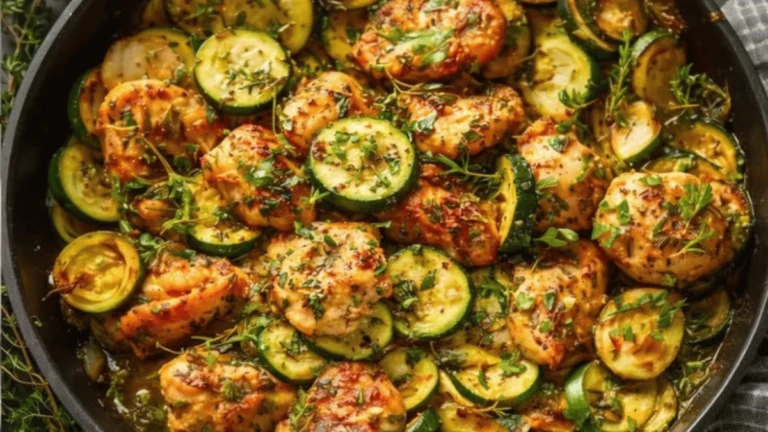
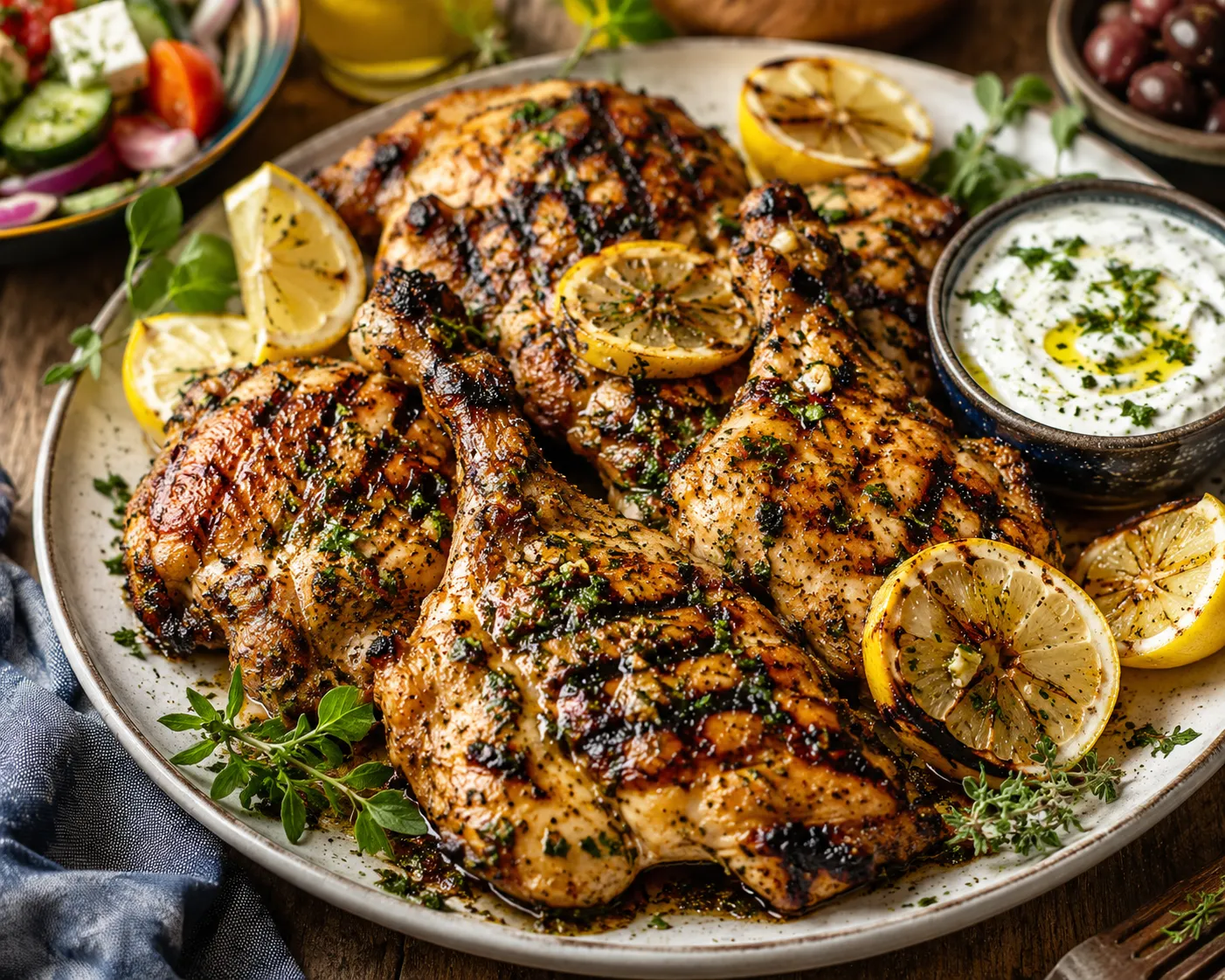
How to make the absolute best n°1 Cava Grilled Chicken Recipe: Authentic Mediterranean Flavor at Home
If you’ve ever left a Mediterranean fast-casual spot craving that charred, lemony, herb-packed chicken, this cava grilled chicken recipe brings that exact flavor to your own backyard grill. It’s healthy, high-protein, naturally low-carb, and needs well under an hour of hands-on work, which makes it one of the easiest wins in your Mediterranean meal-prep rotation. Below, you’ll find the story behind the dish, ingredient benefits, exact step-by-step instructions, a batch-prep guide, storage tips, nutrition facts, and answers to the questions readers ask most.
Prep Time: 15 minutes | Marinate: 2–24 hours | Cook Time: 25 minutes | Serves: 4
Table of Contents
A Personal Note
My love for this marinade goes back to a trip through Greece, where nearly every taverna grilled chicken over open flame and finished it with nothing more than lemon, oregano, and good olive oil. I’ve been recreating that flavor in my own kitchen ever since, and this version is the one I make on repeat for Sunday meal prep.
Where This Recipe Comes From
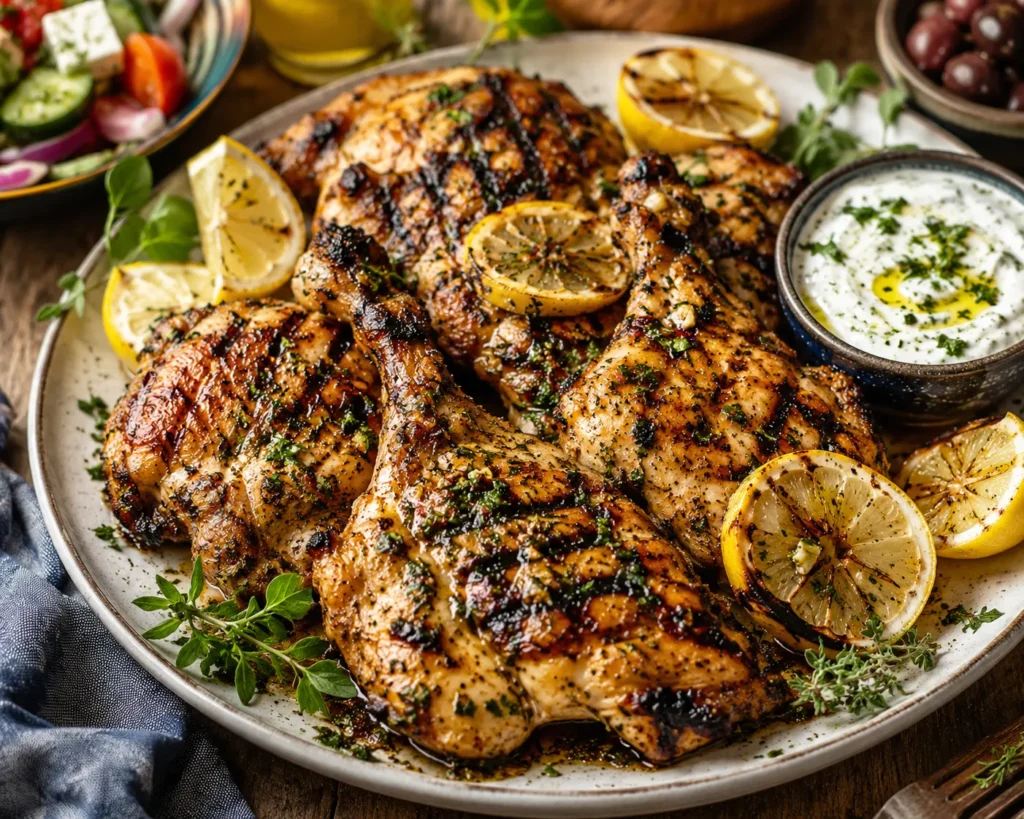
Grilled, herb-marinated chicken has deep roots across the Eastern Mediterranean. In Greece, home cooks have long rubbed chicken with lemon, garlic, and oregano before cooking it over charcoal, a method that predates refrigeration, back when acid and herbs doubled as practical ways to season and tenderize meat, not just flavor it. You’ll find close cousins of this dish all along the coast: Cypriot souvla, Lebanese shish taouk, and Turkish tavuk şiş all lean on the same core combination of citrus, garlic, and open-flame grilling.
This flavor profile got a major boost in U.S. popularity thanks to fast-casual Mediterranean chains, and CAVA is the name most people think of first. The concept traces back to 2006, when three childhood friends and first-generation Greek Americans opened a small, full-service restaurant in Rockville, Maryland, built entirely around the recipes they grew up eating on Sundays with their families. That restaurant eventually evolved into the fast-casual format known today, with lemon-herb grilled chicken as one of its signature proteins.
This homemade version isn’t an official CAVA recipe, it’s a from-scratch, restaurant-inspired take built with pantry staples. What it borrows is the philosophy: bright acid, real olive oil, fresh herbs, and a hot grill. That same marinade-and-grill method has quietly evolved from a family cooking technique into a modern meal-prep staple, since it happens to check every box whole-food, Mediterranean-style eating asks for, minimal ingredients, real olive oil instead of processed sauces, and a protein that holds up over several days in the fridge.
Why You’ll Love This Recipe
This isn’t just another chicken dinner, here’s what makes it worth putting into regular rotation.
- Ready in under an hour of active time, including a marinade you can start the night before and forget about.
- Meal-prep friendly. Bone-in chicken grills in batches and stays juicy in the fridge for days.
- High-protein and naturally low-carb, with zero added sugar in either the marinade or the sauce.
- Naturally gluten-free, and dairy-free if you skip or swap the tzatziki.
- Easy to customize with different herbs, heat levels, or even a different protein entirely.
- Budget-friendly. Bone-in chicken is one of the most affordable proteins at the grocery store.
- Beginner-friendly. One marinade, one grill, no complicated technique required.
Health Benefits of the Key Ingredients
Every ingredient in this recipe is doing real work, not just adding flavor.
Chicken is a lean, complete protein, supplying all nine essential amino acids your body needs for muscle repair and steady energy. Keeping the skin on during grilling helps lock in moisture and richness without needing any breading or heavy sauce.
Extra-virgin olive oil is rich in monounsaturated fat, the signature fat of the Mediterranean diet. It also helps your body absorb the fat-soluble vitamins in the fresh herbs and lemon, and it’s a big part of why this meal feels satisfying without being heavy.
Lemon juice and zest bring vitamin C and a bright acidity that can help ease digestion alongside a protein-rich meal, while also tenderizing the chicken as it marinates.
Garlic and fresh herbs like oregano and thyme contain plant compounds and antioxidants that have long been staples of traditional Mediterranean cooking, adding real flavor depth without extra salt or sugar.
Greek yogurt, the base of the tzatziki, is a strong source of protein and calcium, and many varieties contain live active cultures that are generally considered good for gut health. Combined with the cucumber’s hydration and light fiber content, it adds a cooling, satisfying contrast to the charred chicken.
Together, the protein and healthy fat in this meal are what keep you full for hours, this is a plate built for satiety, not one that leaves you hunting for a snack an hour later.
Ingredients
For the Chicken & Marinade
- 4 bone-in, skin-on chicken leg quarters (about 3 to 3.5 lbs), thighs or drumsticks work too, whatever your store has
- 1/3 cup extra-virgin olive oil, plus extra for the grill grates
- 3 tablespoons fresh lemon juice (about 2 lemons)
- 1 tablespoon lemon zest
- 5 garlic cloves, minced, in a pinch, sub 1 1/2 teaspoons garlic powder
- 2 tablespoons fresh oregano, chopped (or 2 teaspoons dried)
- 1 tablespoon fresh thyme leaves (or 1 teaspoon dried)
- 1 tablespoon fresh parsley, chopped, plus more for garnish
- 1 teaspoon smoked paprika
- 1 teaspoon ground cumin
- 1 1/4 teaspoons kosher salt
- 1/2 teaspoon black pepper
- 1/4 teaspoon crushed red pepper flakes (optional, for gentle heat)
- 2 lemons, halved crosswise, for grilling
For the Tzatziki
- 1 cup plain Greek yogurt — full-fat gives the creamiest texture, but 2% works too
- 1/2 English cucumber, grated and squeezed very dry (don’t skip this — it’s the #1 cause of watery tzatziki)
- 1 small garlic clove, minced
- 1 tablespoon extra-virgin olive oil, plus a drizzle for serving
- 1 tablespoon fresh lemon juice
- 1 tablespoon fresh dill or mint, chopped
- Salt, to taste
Step-by-Step Instructions
- Make the marinade. In a medium bowl, whisk together the olive oil, lemon juice, lemon zest, garlic, oregano, thyme, parsley, smoked paprika, cumin, salt, pepper, and red pepper flakes.
- Marinate the chicken. Place the chicken in a large zip-top bag or shallow dish, pour the marinade over it, and turn each piece to coat. Refrigerate for at least 2 hours, or up to 24 hours for deeper flavor.
- Bring it to room temperature. About 30 minutes before grilling, take the chicken out of the fridge so it cooks evenly.
- Preheat the grill. Heat your grill to medium-high, around 400 to 450°F, and brush the grates with oil so the skin doesn’t stick.
- Sear skin-side down. Place the chicken skin-side down and grill undisturbed for 6 to 8 minutes, until deeply golden.
- Flip and finish cooking. Turn the chicken and continue grilling for 15 to 20 minutes, moving pieces to indirect heat if you get flare-ups, until a thermometer reads 165°F at the thickest part.
- Char the lemons. In the last 3 to 4 minutes, place the lemon halves cut-side down on the grill until caramelized and lightly blackened.
- Rest the chicken. Transfer everything to a platter and let it rest for 5 to 10 minutes so the juices redistribute.
- Make the tzatziki. While the chicken rests, stir together the yogurt, squeezed cucumber, garlic, olive oil, lemon juice, dill, and salt.
- Garnish and serve. Top the chicken with fresh chopped herbs and a crack of black pepper, then serve with the grilled lemons and tzatziki alongside.
Make It Ahead: Batch Prep Guide | Cava Grilled Chicken Recipe
This recipe scales beautifully for a full week of meals. Simply double or triple the marinade and grill 8 to 12 chicken pieces at once, most grills can handle that in two batches without losing much time.
The chicken’s texture holds up well over several days because the bone and skin protect the meat from drying out, unlike boneless breast, which toughens faster in the fridge. If anything, the flavor deepens slightly by day two or three, as the herbs and lemon continue to settle into the meat.
Hold off on adding fresh herb garnish, extra lemon, or tzatziki until you’re ready to eat. Adding them before storing makes the chicken soggy and shortens how long everything stays fresh.
For a standard week of lunches, 6 to 8 chicken leg quarters split across 4 to 6 containers is a solid target, enough for dinner the night you cook, plus lunches through midweek.
Common Mistakes to Avoid | Cava Grilled Chicken Recipe
- Skipping the resting time. Cutting into the chicken right off the grill lets the juices run out onto the cutting board instead of staying in the meat.
- Marinating for less than 2 hours. The lemon and herbs need real time to penetrate; go much shorter and you’re only seasoning the surface.
- Not using enough marinade for the amount of chicken. Every piece needs full contact with the marinade to pick up flavor evenly, so don’t skimp when doubling the batch.
- Grilling chicken straight from the fridge. Cold chicken hits a hot grill unevenly, often charring the outside before the inside catches up.
- Searing over direct heat the entire time. This blackens the skin before the interior reaches a safe temperature — always finish over indirect heat.
- Storing tzatziki together with hot chicken. This makes both components soggy and shortens their shelf life; keep them in separate containers until serving.
Notes, Tips & Variations | Cava Grilled Chicken Recipe
Ingredient Substitutions
- No fresh herbs on hand? Use dried herbs at about one-third the amount.
- No outdoor grill? A cast-iron grill pan or your oven’s broiler both work well.
- Swap the leg quarters for boneless thighs or chicken breasts, just reduce the cook time and check doneness earlier.
Dietary Variations
- Low-carb: This recipe is already naturally low-carb as written, round it out with grilled vegetables instead of rice or pita.
- High-protein: Use boneless, skinless thighs for a leaner protein-to-fat ratio, or add an extra piece of chicken per serving.
- Gluten-free: The recipe is naturally gluten-free, just double-check any store-bought spice blends are certified GF.
- Vegetarian: Swap the chicken for thick slabs of halloumi or extra-firm tofu, marinated the same way and grilled 3 to 4 minutes per side.
- Dairy-free: Skip the tzatziki, or make it with a plain dairy-free yogurt alternative in place of the Greek yogurt.
Cooking & Texture Tips
- Pat the chicken dry before marinating so the marinade actually clings to the surface instead of sliding off.
- Let the grill fully preheat before adding the chicken, this is what gives you those clean, deep grill marks.
- Always check doneness with a meat thermometer rather than guessing by color; 165°F is the target at the thickest part.
Topping Ideas & Flavor Boosters | Cava Grilled Chicken Recipe
- Pomegranate arils, for a burst of sweet-tart color and flavor
- A light drizzle of honey over the tzatziki for sweet-savory contrast
- Toasted pine nuts or slivered almonds, for crunch
- Quick-pickled red onions
- Crumbled feta, for extra protein and calcium
- Extra chopped fresh herbs or a final drizzle of olive oil
- Chopped kalamata olives or a pinch of crushed red pepper for a briny, spicy finish
Who This Recipe Is For | Cava Grilled Chicken Recipe
This recipe was built with a few different readers in mind:
- Busy professionals who want a high-protein dinner that reheats well for weekday lunches
- Families looking for a crowd-pleasing main that isn’t overly spiced or unfamiliar
- Weight-conscious eaters who want a satisfying, protein-forward meal without counting every gram
- Fitness-focused readers who need a reliable protein source to build meals around
- Beginner cooks who want a foolproof marinade and a simple grilling technique
Storage & Meal Prep Tips | Cava Grilled Chicken Recipe
Store the cooked chicken in an airtight container in the refrigerator for up to 4 days. Keep the tzatziki in a separate sealed container, where it will stay fresh for about the same amount of time.
For longer storage, the cooked chicken freezes well for up to 3 months — wrap pieces individually in foil or plastic before placing them in a freezer bag to prevent freezer burn. Tzatziki doesn’t freeze well, since the yogurt and cucumber separate once thawed.
To reheat, warm the chicken in a covered skillet over medium-low heat or in a 300°F oven until warmed through; this keeps the skin from turning rubbery the way a microwave often does. Add the tzatziki and any fresh herb garnish only after reheating.
Glass meal-prep containers with separate compartments work best here, since they keep the warm chicken away from the cold sauce until you’re ready to eat.
Nutrition Facts | Cava Grilled Chicken Recipe
Per serving (1 chicken leg quarter with about 2 tablespoons of tzatziki):
| Nutrient | Amount |
|---|---|
| Calories | ~410 kcal |
| Protein | ~38 g |
| Carbohydrates | ~5 g |
| Fat | ~26 g |
| Fiber | ~1 g |
| Sugar | ~2 g |
These values are estimates and will vary based on the exact size of your chicken pieces and the specific brands you use. They’re meant as a general guide, not medical or dietary advice.
FAQs | Cava Grilled Chicken Recipe
Can I make this without a grill? Yes. A cast-iron grill pan or your oven’s broiler both work well, just watch the timing closely, since indoor heat sources tend to run hotter and faster than an open grill.
What’s the best cut of chicken to use? Bone-in, skin-on leg quarters give you the juiciest result and hold up best to direct heat, but boneless thighs or chicken breasts work too, just shorten the cook time and check the internal temperature earlier.
How long should I marinate the chicken? At least 2 hours for the flavor to take hold, though 8 to 24 hours gives you the most deeply seasoned result.
Is this recipe good for meal prep? Very much so. Bone-in chicken reheats better than boneless because the skin and bone help lock in moisture, and the tzatziki keeps well in its own container for several days.
Can I freeze the tzatziki? It’s not recommended, yogurt and cucumber both separate and turn watery after freezing. Make a fresh batch each week, or freeze just the cooked chicken and stir together new tzatziki when you’re ready to eat.
Conclusion | Cava Grilled Chicken Recipe
This cava grilled chicken recipe gives you everything a good Mediterranean dinner should: bold lemon-herb flavor, a real char from the grill, and a protein that reheats beautifully all week long. It’s simple enough for a first-time griller and flexible enough to fit low-carb, gluten-free, or dairy-free routines.
Give it a try this week, and let us know in the comments how you customized it. We love seeing everyone’s grill marks and topping combinations.